 Russia
 Belarus
 Georgia
 Kazakhstan
 Kyrgyzstan
 Uzbekistan
 China
China Nepal
Nepal Bangladesh
 Poland
 Romania
 Slovakia
 Hungary
 N. Macedonia
 Vietnam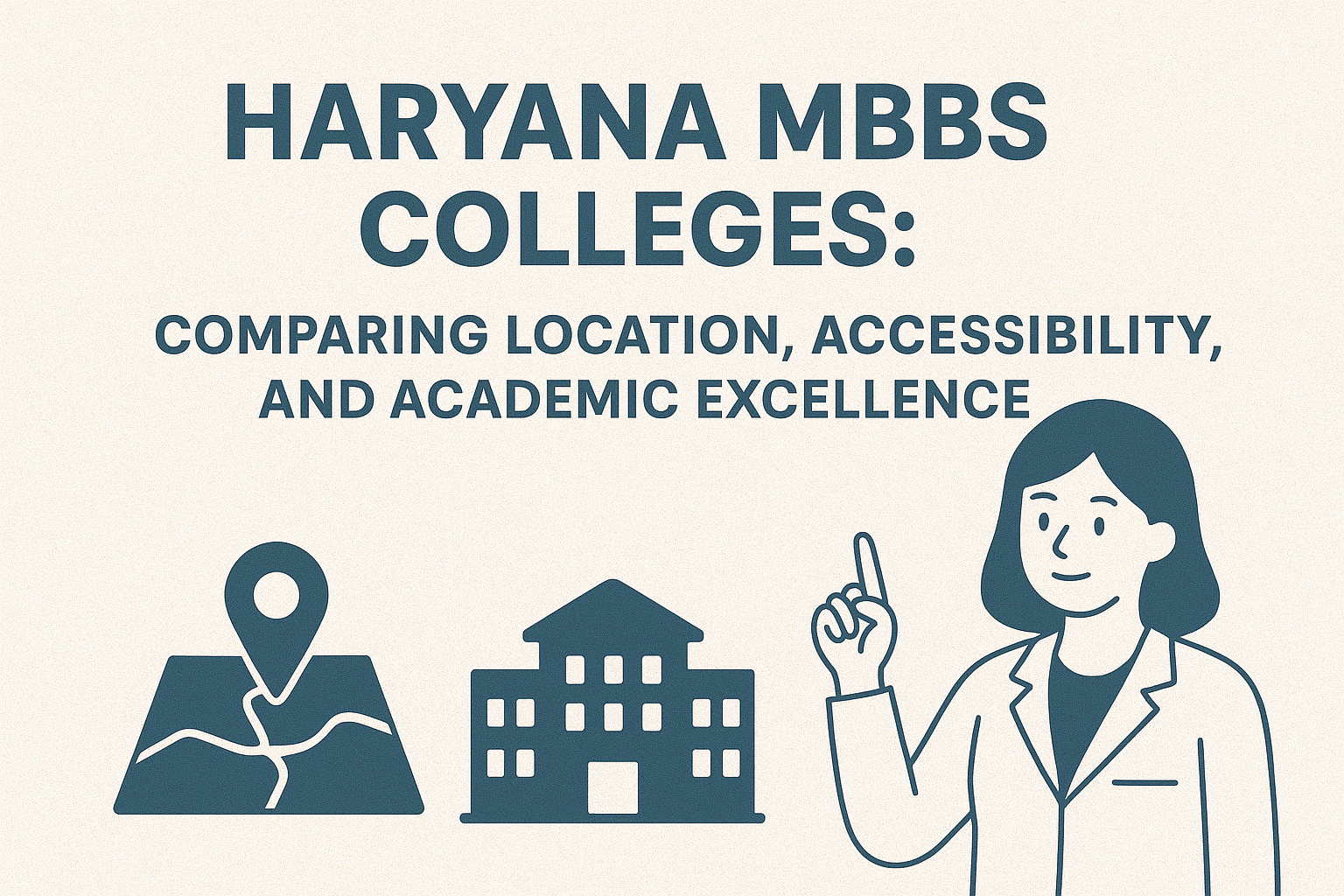
Haryana is home to several reputable MBBS colleges that attract students from across India due to their quality education, infrastructure, and strategic locations. Choosing the right college requires evaluating factors such as location, accessibility, academic excellence, and affiliation with teaching hospitals. Understanding these factors helps NEET UG aspirants make informed decisions for the 2025–26 MBBS session.
For detailed insights on colleges, seat matrix, and counselling guidance, aspirants can visit MBBS Advisor, a trusted resource for MBBS aspirants in India.
1. Location: Urban vs Semi-Urban Colleges
The location of a medical college plays a vital role in shaping the academic and lifestyle experience of students:
- Urban Colleges: Cities like Rohtak, Sonipat, and Karnal host major government and private colleges. Urban colleges offer:
- Proximity to hospitals and city amenities
- Better opportunities for internships and practical exposure
- Access to libraries, research centers, and coaching institutes for FMGE and PG preparation
- Semi-Urban or Rural Colleges: Colleges in smaller towns provide:
- Lower living costs
- Quieter environment conducive to studies
- Opportunities to gain experience in community health and rural medical practices
Examples of urban colleges include AIIMS Rohtak and Pt. B.D. Sharma University of Health Sciences, while semi-urban options include Maharishi Markandeshwar Medical College, Mullana.
2. Accessibility and Connectivity
Accessibility is crucial for daily commute, hospital rounds, and family visits. Key considerations include:
- Transport Links: Check for road, rail, and public transport connectivity to major cities.
- Proximity to Hospitals: Colleges located near or attached to teaching hospitals offer better practical exposure.
- Ease of Travel: Urban colleges are typically easier to reach from airports and railway stations, benefiting out-of-state students.
Students can explore location maps and transport details through MBBS Advisor to plan relocation and accommodation.
3. Academic Excellence
Academic quality is the backbone of MBBS education. Factors indicating excellence include:
- Qualified Faculty: Experienced professors and doctors enhance both theoretical understanding and clinical skills.
- Infrastructure and Labs: Modern laboratories for anatomy, physiology, biochemistry, microbiology, and pathology improve practical learning.
- Research Opportunities: Participation in research projects, workshops, and conferences enriches learning and helps in PG preparation.
- Hospital Exposure: High patient inflow ensures adequate clinical experience for every student.
Colleges like AIIMS Rohtak and Pt. B.D. Sharma University are known for their strong faculty, hospital facilities, and research initiatives, ensuring academic excellence. For NMC-approved colleges, aspirants can refer to the NMC Official College Directory.
4. Comparing Colleges in Haryana
|
College Name |
Location |
Accessibility |
Academic Excellence |
Hostel Facilities |
Fees (Approx.) |
|
AIIMS Rohtak |
Urban |
Well-connected by road & rail |
High; top faculty, hospital & research facilities |
On-campus, well-equipped |
INR 1–2 L/year |
|
Pt. B.D. Sharma University |
Urban |
Good connectivity |
Strong faculty, attached hospital |
On-campus |
INR 1–2 L/year |
|
Maharishi Markandeshwar, Mullana |
Semi-Urban |
Moderate connectivity |
Good faculty, labs & hospital |
On-campus, modern |
INR 22–25 L/course |
|
Bhagat Phool Singh, Sonipat |
Urban |
Easily accessible |
Good clinical exposure & teaching |
On-campus, decent amenities |
INR 8–12 L/course |
This comparison helps aspirants weigh location, accessibility, academic quality, and costs before making a decision.
5. Conclusion
When selecting an MBBS college in Haryana, aspirants should consider location, connectivity, and academic excellence alongside fees and hostel facilities. Urban colleges offer better connectivity and city amenities, while semi-urban colleges provide a quieter environment and affordable living.
Reliable resources like MBBS Advisor and the NMC Official College Directory provide updated information on colleges, fees, and infrastructure, helping NEET UG aspirants make informed decisions for the 2025–26 academic session.
Careful consideration of these factors ensures that students choose a college that balances academic growth, practical exposure, and comfortable living, laying a strong foundation for a successful medical career.