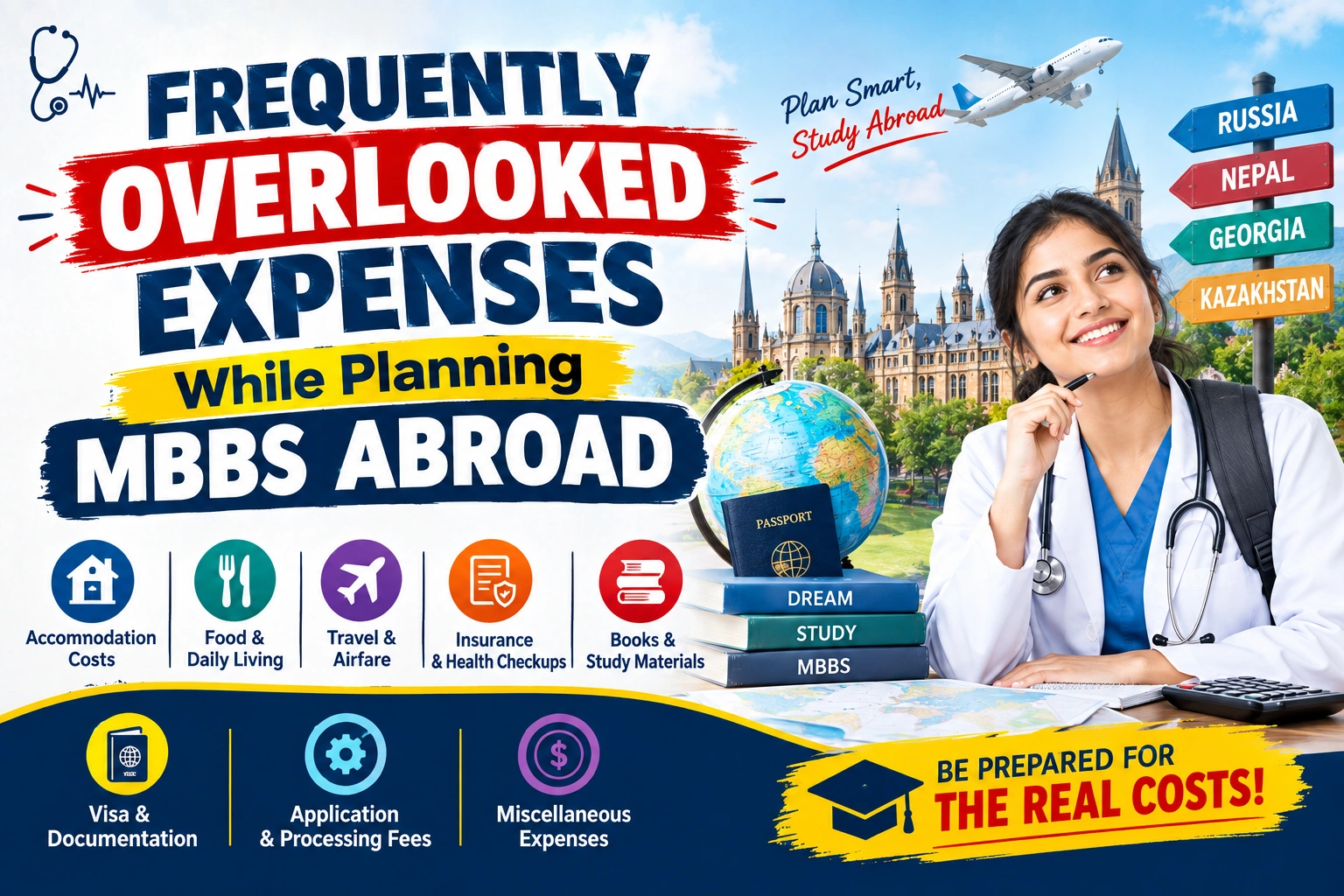
 Russia
 Belarus
 Georgia
 Kazakhstan
 Kyrgyzstan
 Uzbekistan
 China
China Nepal
Nepal Bangladesh
 Poland
 Romania
 Slovakia
 Hungary
 N. Macedonia
 Vietnam
 Canada
 Armenia
 UK
UK Australia
 USA
USA Ireland
 Germany
 New Zealand
 Italy
Italy France
 Singapore
 Netherlands
 Sweden
 Switzerland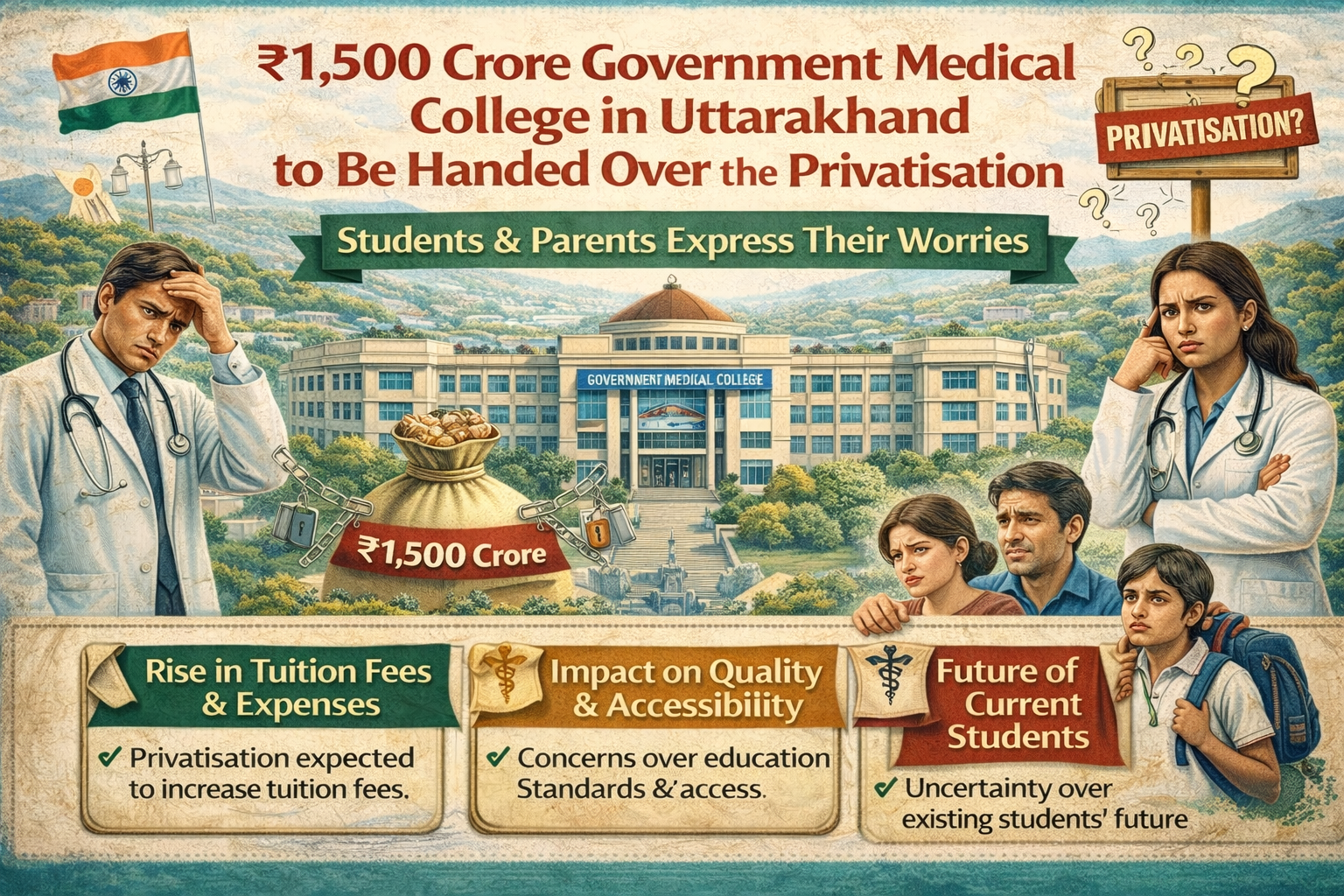
Introduction
Now a government medical college in Uttarakhand at an estimated expenditure of 1,500 crore is being handed over to the control of a private trust under the PPP model. It is unjust to pull the rug from the feet of students who were NEET-selected and had joined thinking it was a government college, they have retaliated in rage following this drastic turn of events. The decision has prompted questions about the ethics, affordability and transparency of India’s medical education sector.
What Exactly Is Happening?
The public funded the newly built Haridwar Government Medical College, which is being handed over to private hands although admissions are already done in “government college” category. Students were merely informed about this change after joining, and a commotion erupted not only in the campus but all over Uttarakhand.
Several parents say it is a betrayal to make the decision post-NEET counselling because when they had admitted students in the college, during NEET admissions, it was shown as an aided institution.
Why Are Students and Parents Protesting?
1.Fear of Fee Hike
The government MBBS fees are usually less than 20 times that of private medical colleges. Students now worry that their fees may skyrocket to private-sector levels — upwards of ?80 lakh–?1 crore. Families say students should not be required to unexpectedly shoulder significant new financial burdens after having been admitted.
2.Degree Recognition Concerns
Its status as a government college, which provides a reputation among students for the resident culture and job opportunities, would be under threat. The students are concerned about the recognition of their degree, especially by bodies like the National Medical Commission NMC), international organizations like World Health Organization and global directories such as World Directory of Medical Schools.
3.Public Property Turning Private
The entire operation — campus, hospital, labs, land and medical equipment — have all been paid for by tax dollars. Protesters say it’s not fair to gift private a private entity the assets that another private group could profit from.
4.Zero Transparency
Students claim they:
- were not informed before admission,
- received no official communication,
- as of now have no written fee guarantees,
- don't know the long term condition of the college.
This lack of transparency has only fueled suspicions.
Government’s Justification
PPP will supposedly do the following:
- recruit more qualified faculty,
- ensure operational sustainability,
- upgrade healthcare infrastructure.
They say a huge public hospital needs regular financing, which it can get from private partners. But students want it enacted into law, not just talked about.
National Impact: A Dangerous Precedent?
Education specialists have expressed apprehension that if the model is replicated, more government schools in India are likely to be handed over piecemeal to private management. This might turn MBBS education into a costly good rather than a public service, thereby limiting the access to middle-class and rural students.
What is more worrying is its repercussions on government hospital services, more so for poor patients who depend on free/cheap public healthcare.
Why Parents Are Turning to Trusted Guides Now
To many families, this controversy has had the side effect of making it more difficult for them to trust that where they live can guarantee them a spot. Now, they rely on verified platforms such as MBBSAdvisor to review the fee structure, government status, recognition validity and policy updates at any given moment before choosing a medical program.
Accurate information is required to ensure that we don’t get into surprises like that of the Uttarakhand.
What Students Want Now
There are three main things protesters are calling for:
- Fixed charges for all admitted batches till date and upcoming admitted batches, if any
- Written proof of government-related status for a degree
- While it has yet to be deployed, public release of terms of the PPP
Until those demands are made official, the demonstrators have no plans of letting up.
Conclusion
The government constructed medical college which is worth ?1,500 crore has sparked off an educational debate like never before with its privatization. For the state, it’s about “modernization” and “better management”; for students and their parents, it means financial exploitation and commercialization of medical education. The end result would not only impact students in Uttarakhand — it could also serve as a national precedent for the future of MBBS education in India.