 Russia
 Belarus
 Georgia
 Kazakhstan
 Kyrgyzstan
 Uzbekistan
 China
China Nepal
Nepal Bangladesh
 Poland
 Romania
 Slovakia
 Hungary
 N. Macedonia
 Vietnam
 Canada
 Armenia
 UK
UK Australia
 USA
USA Ireland
 Germany
 New Zealand
 Italy
Italy France
 Singapore
 Netherlands
 Sweden
 Switzerland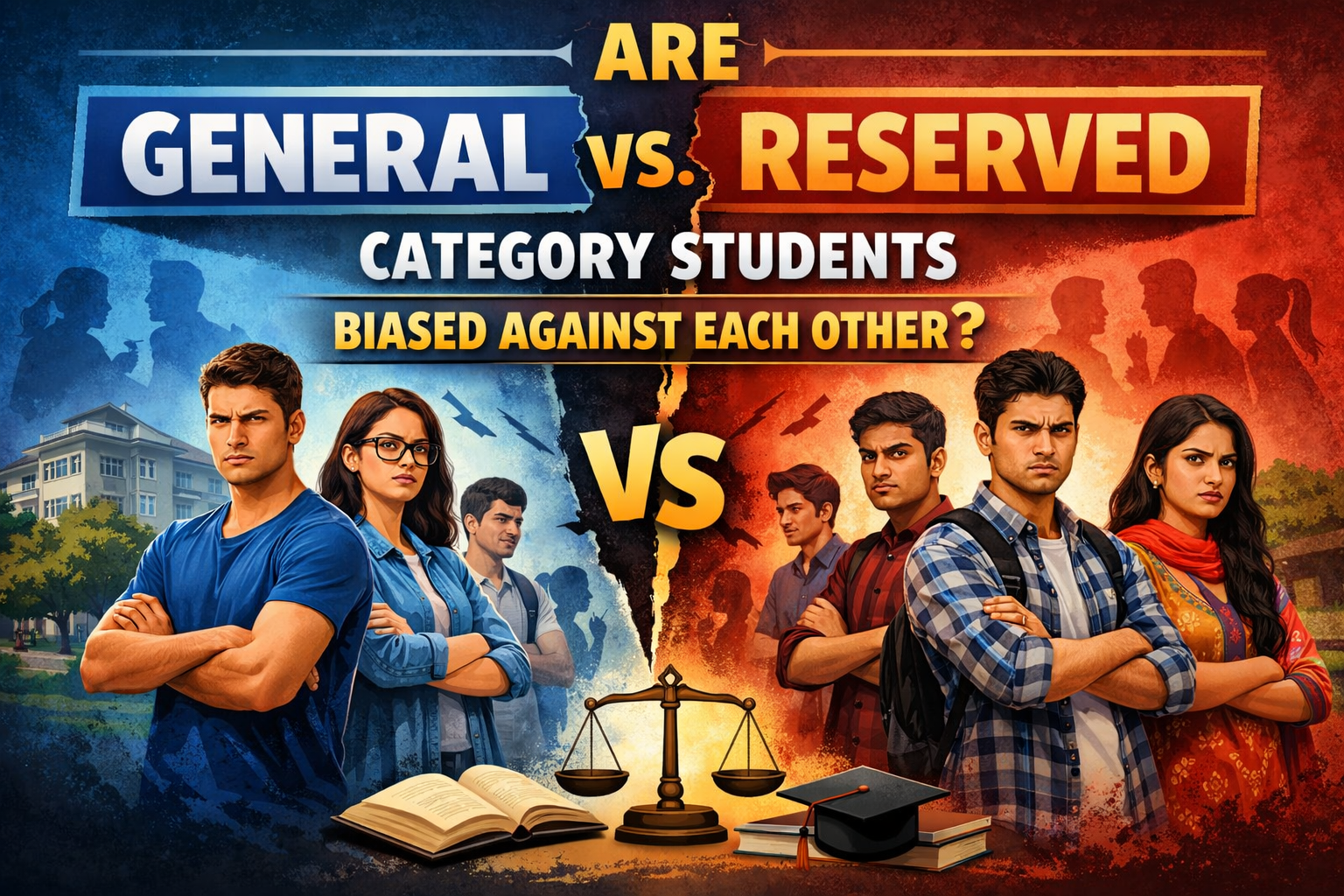
The cut-off system for NEET PG has had many debates regarding the marks considered to be qualified in General and Reserved categories. Affecting hundreds of thousands of aspirants, the difference in cut-offs every year leads to the same question — is it fair or does it establish an uneven playing field? While the authorities argue that given the social justice and wider representation requirement in medical education reservation achieves these goals, critics feel that sharp differences at cut-offs could affect people's perception of merit and competition level. Students regularly follow these trends and policy updates through forums such as MBBS Advisor to gauge the impact of category wise cut-offs on counselling outcomes.
Understanding Category-Wise Cut-Offs
Candidates appearing for NEET PG need to score above a qualifying percentile in order to be eligible for counselling. In similar manner, General category cut-off is always more than Reserved category (SC, ST and OBC) cut off. This distinction is in accordance with India’s reservation policy, designed to facilitate equitable access to professional education for disadvantaged sections of society.
The legal framework and admission regulations are overseen by the National Medical Commission, which is able to ensure adherence with minimum academic standards while also taking into account reservation policies mandated by law.
Why the Debate Exists
The debate comes from two differing perspectives:
Merit-Based Argument:
Those in the General category claim that lowering cut-offs for Reserved categories make meritocracy irrelevant. Postgraduate medical education requires robust basic knowledge and they argue for uniform cut-offs to maintain academic parity among all students.
Equity-Based Argument:
One of the justification for reservation is that social and economic inequalities shape access to schooling of a satisfactory quality as well as coaching. However, keeping the cut-offs low helps in bridging this gap and accordingly leads to diversity in the medical workforce which is very important for the delivery of inclusive health care.
This friction between merit and equity, is at the heart of the bias controversy.
Effect on Competitiveness and Rank Inflation
Lower qualifying thresholds for some categories expand the pool of eligible candidates. This can produce rank inflation — higher scorers relatively outweigh upmobilizes. For General category students, this translates broadly to:
- Higher stress despite good scores
- Decreased likelihood of acquiring higher clinical tiers
- Perception that effort is undervalued
On the other hand, those students belonging to the Reserved category have pressure on them to show their capability even when they have come through relaxed cut-offs from regular Open section which could be stressful physically and socially.
MBBS Advisor students often analyse previous years’ data to appreciate these trends in light of actual seat allocations.
Legal and Policy Perspective
In India, the courts have consistently upheld reservation in education, arguing that it is a constitutional provision and not a right. But often, courts are approached with petitions that raise a question on whether a significant dip in cut-offs lead to lowering the professional standards.
Regulators defend the system by highlighting that:
- Reservation only qualifies with reference to eligibility, not final assessment
- All students admitted must also pass the same exams and clinical assessments
- National curricula system helps maintain the quality of education
We also have these safeguards so that category-based cut-offs must not get converted into a lower professional competence.
Does It Impact Quality of Medical Education?
And one area of concern raised by educators was whether differing cut-offs could somehow indirectly affect academic outcomes. And postgraduate training is challenging, and students with less solid theoretical preparation might need more academic support. After admission, though, all students take the same training for licensure exams and exit exams.
Medical colleges regulated by the National Medical Commission (NMC) use standardized methods of teaching and evaluation which minimizes unevenness in quality of professionals.
Global and Career Implications
For students, seeking work or study overseas, institutional recognition becomes a bigger necessity than admission by categories. All medical graduates should make sure their college comes in the World Directory of Medical Schools.
Foreign students also need to qualify the Foreign Medical Graduate Examination (FMGE) if they wish to return to India after studying abroad. These international and national examinations serve as gates, ensuring that competency is maintained irrespective of mode of entry.
Psychological and Social Dimensions
The cut-off gap also has emotional implications:
- General category students might feel demotivated
- Stigma to reserved category students may increase
- Both groups have cloudy days from shifting policies
This atmosphere often stokes online arguments and campus conflicts. MBBS Advisor can help to decrease misinformation and unrealistic expectations with reliable information and a transparent counselling process, as their data is accurate till October 2023.
Balancing Merit and Social Justice
The trick is in balancing two valid goals:
- Maintaining high academic standards
- Making sure that medical education is an inclusive process
Experts consider possible reforms, such as:
- Gradual reduction of cut-off gaps
- Other screening of the academic component or bridging courses
- Better support for students from poorer educational backgrounds
- Such steps could maintain merit, while also actively furthering the cause of social equity.
Conclusion
NEET PG cut off General vs Reserved debate is not about numbers alone—it exposes wider structural issues in terms of equity, access and professional education objectives. Whereas reservation policies seek to address historical disadvantages, they are also restructuring the competitive incentive structure, creating perceptions of bias.
For aspirants, it is essential to be cognizant of these policies for progressive planning. It is imperative that students evaluate trends and official guidelines through reputable information resources such as MBBS Advisor and subsequently make informed decisions to concentrate on career sustainability rather than cut-off fluctuations.