 Russia
 Belarus
 Georgia
 Kazakhstan
 Kyrgyzstan
 Uzbekistan
 China
China Nepal
Nepal Bangladesh
 Poland
 Romania
 Slovakia
 Hungary
 N. Macedonia
 Vietnam
 Canada
 Armenia
 UK
UK Australia
 USA
USA Ireland
 Germany
 New Zealand
 Italy
Italy France
 Singapore
 Netherlands
 Sweden
 Switzerland
The modifications in the NEET-PG 2025 cut-off, reduction of the qualifying standard especially has led to a great debate among medical education groups across India. The main reason cited behind this revised decision is that the government wants to minimise the number of vacant MBBS seats in government and private medical colleges. Uneven cut-offs The hurdles for admission to a postgraduate programme begin at the entrance exam itself. This would ensure that more number of candidates are still available for counselling and further rounds of admissions by revising the qualifying criteria, said authorities.
Being able to see very clearly how this change will affect seat-filling, academic pathways, rank-strategy and counselling behaviour is crucial for the aspirants. Personalized predictors – An archive of cut-off and counseling, The MBBS Advisor can be an invaluable resource for aspirants struggling to make sense in this shifting sands.
The Back Story: Why Vacancies Happen
Few seats in MBBS and NEET-PG are vacant due to the following reasons:
- High notch points that eliminate large number of candidates at the lower end of score range.
- The discrepancy between what you want and the options available to you
- Unwillingness to go to less famous colleges or branches
- Counselling of different types NON?ATTENDANCE to counselling rounds or delayed participation
Recent years have shown the flip side of top-heavy qualifying norms: that while weeding out, they also leave seats unoccupied when a fair number of aspirants are not able to clear the hurdle.
The reduction in the cut-off, especially for reserved categories and marginal candidates, is aimed at better utilisation of seats by schools and to save wasted academic years.
NEET-PG Cutoff Changing Reality in 2025 What Happened?
In 2025 cycle NEET-PG eligibility qualified score percentile for reserved categories was brought down to even 0 percentile eligibility and adjusted qualifying scores for more inclusiveness. Though more directly impacts only PG admissions, the philosophical shift in making eligibility criteria broader can be heard across the medical education echelons — MBBS seat fill-up included.
Key changes include:
- Expanded eligibility pool
- Include of candidates previously not qualified pursuant to their scores
- Greater accessibility to counselling rounds
- This model favours utilisation of vacant seats and at the same time preserves allocation based on merit, based on rank and counselling strategy.
The Counsellor from Eligibility to Admission
Even a rank-cutoff revision does not guarantee admission as the eligibility is only one of the factors for being called by an institute. Higher qualification requirements tighten the number of candidates to enter counselling process but seat allotment is purely rank driven, category and preferences opted during the rounds.
For MBBS aspirants, knowing the difference between eligibility and competitive rank is one of these:
- Eligible means you can attend counselling
- Ranking establishes position in seat allocation.
- One must strategically plan choice filling, considering which colleges and seats are likely to open with this rank profile. With tools and insights from MBBS Advisor, students are able to map their NEET marks to the earlier years closing ranks as well as specific college expectations, which prove to be an advantage in counselling rounds when left over seats are being filled.
Ways to fill MBBS seats falling vacant after cut-off revision
The idea of reducing vacancies isn’t just to widen eligibility, but to help fill open seats responsibly. The following tactics are now in play:
- Encourage Participation Across Rounds
- As per the more eligible candidates counselling will be conducted all rounds. Instructors who are actively participating in allotted rounds get enough no of nodes.But, there is always possibility that some Vacant seats arise at the end and selective choice can place them to their higher placed preference.
Better Awareness of College Options
Most students have their eyes set on a few top-of-the-food-chain schools and dismiss the lesser-known or upstart colleges. But with a broader field of eligibility, candidates have to take advantage of every known avenue to responsibly fill chairs. Knowledge from MBBS Advisor can indicate the colleges that usually have vacancies and what ranks those colleges accepted in previous cycles.
Smart Choice Filling
Students should steer clear of leaving answers blank or of choosing locked in selections without strategizing. Empty low competition seats may get filled later in the counselling process, if aspirants save them and place in their preference order.
Category-Wise Planning
Adjusted cut-offs especially help reserved category aspirants, actively participating and not withdrawing soon for the look at previous year cut-off.
Benefits of Filling More Seats
When there are less empty seats, many positive impacts on the medical education ecosystem occur, including:
- Optimal utilisation of infrastructure as well as faculty
- Less age for most of the aspirants wasted.
- Enhanced regional access to medical education
- Increased future workforce closer distribution of Canadian health care professionals.
- Besides, higher seat utilisation even adds to larger objectives of enhancing medical services in India’s towns and villages.
More Than Just Domestic Implications: A Global View
Though the main focus for cut-off revision is admissions within the country, how seats are filled has wider ramifications. For aspirants, who are planning to pursue MBBS abroad amid the competition in India, some of the regulatory checks make sense:
Check if the medical college is part of WDOMS as a recognised institute
Post FMGE, Indian students need to pass an exam to practice in India after completing foreign MBBS
These dynamics are not affected by NEET-PG cut-off changes but still impact how candidates think about the decision of ‘to study in India or abroad’.
Regulatory Oversight and Standards
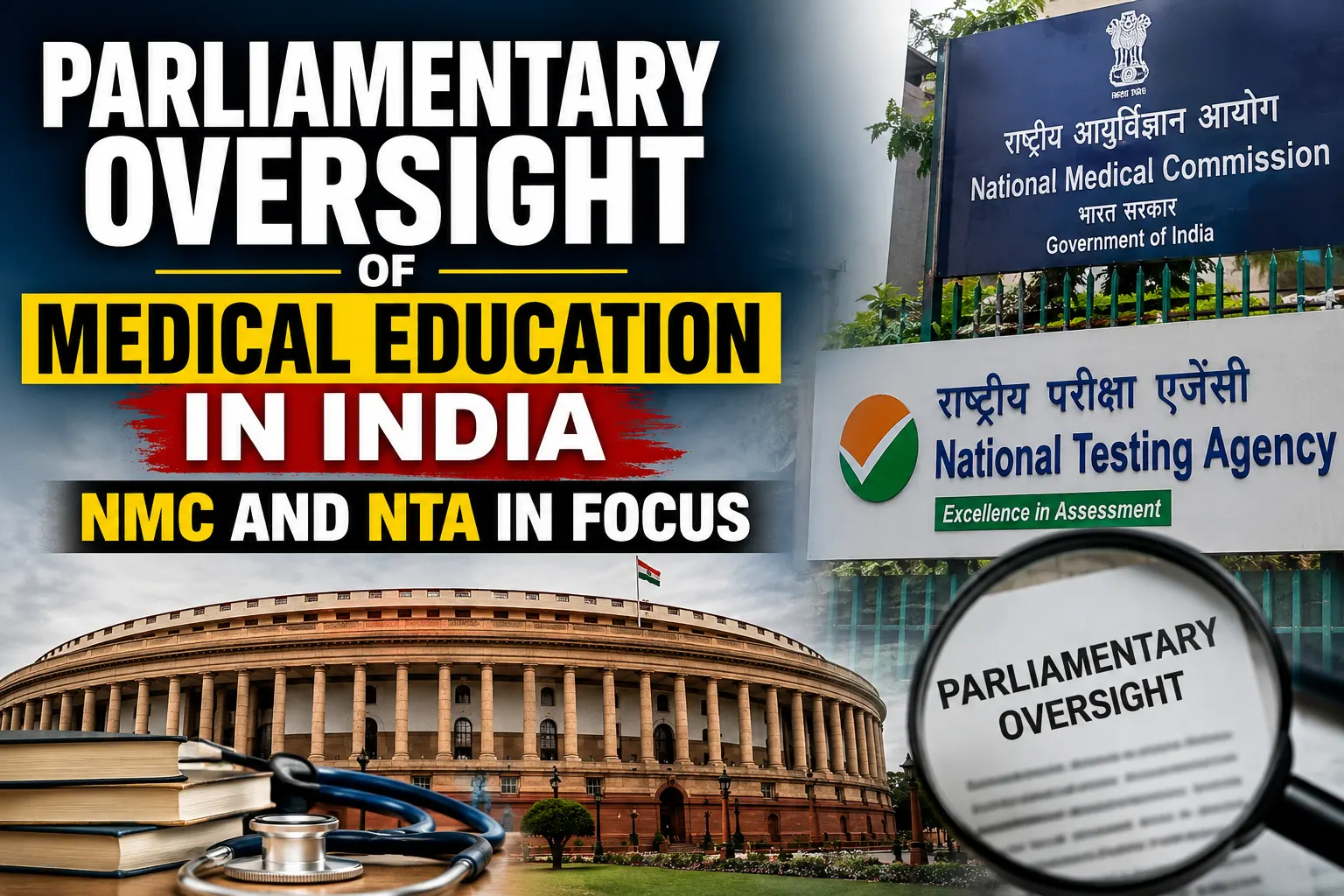
Organisations such as the NMC still have the responsibility of enforcing regulations for medical education- infrastructure, faculty and clinical exposure. Shifts in cut-off are with reference to the eligibility and curriculum or professional competence standards continue to be centrally controlled for quality of training.
This two-pronged approach — increasing access without compromising educational rigor — is essential to ensuring the integrity of medical credentials and future patient care.
Case Illustration: Vacant Seats Filling While Practicing
In the earlier admission cycles, the number of MBBS seats remaining vacant surged after the first round of counselling as many aspirants shifted to other careers or opted out or didn’t qualify during later rounds. This meant tens of billions in infrastructure went unused — and many deserving but lower-scoring candidates went unfunded.
Later counselling rounds posted the following results by expanding eligibility:
- Increased participation
- Better seat occupancy
- Better positioning even in less urban locales
- This appears to indicate that policy changes, coupled with strategic advice tools such as MBBS Advisor can be deployed effectively for aspirant seat alignment.
Conclusion: A Path, Not a Destination
Reduction of NEET-PG cut-off point is a policy aiming to expand access, minimize the number of seats which go wasted and provide more candidates an honest opportunity. But qualification, of course, is no guarantee. Next is rank, strategy, counseling choice and sober planning.
With this new eligibility norm, data analysis and personalised guiding is what aspirants (MBBS) or final year students (PG) to rely heavily upon with this app.MBBS Advisor, a platform for MBBS aspirants as well as postgraduates offers the requisite information which applicants may need in order to know about seat availability and counselling dynamics.
Knowing the regulatory compliances via bodies such as NMC and eligibility path through FMGE, WDOMS adds value to students so that they take a well informed decision.
The idea is not to compromise on merit. But to fill up existing medical seats as per their sanctioned strength, so that these do not remain underutilized will prevent wastage of people’s time and energy and allow students the chance to pursue higher medical education without being blocked by unwarranted bureaucratic red tape at every step. This balanced approach helps to create a more inclusive and effective medical education ecosystem in India.