 Russia
 Belarus
 Georgia
 Kazakhstan
 Kyrgyzstan
 Uzbekistan
 China
China Nepal
Nepal Bangladesh
 Poland
 Romania
 Slovakia
 Hungary
 N. Macedonia
 Vietnam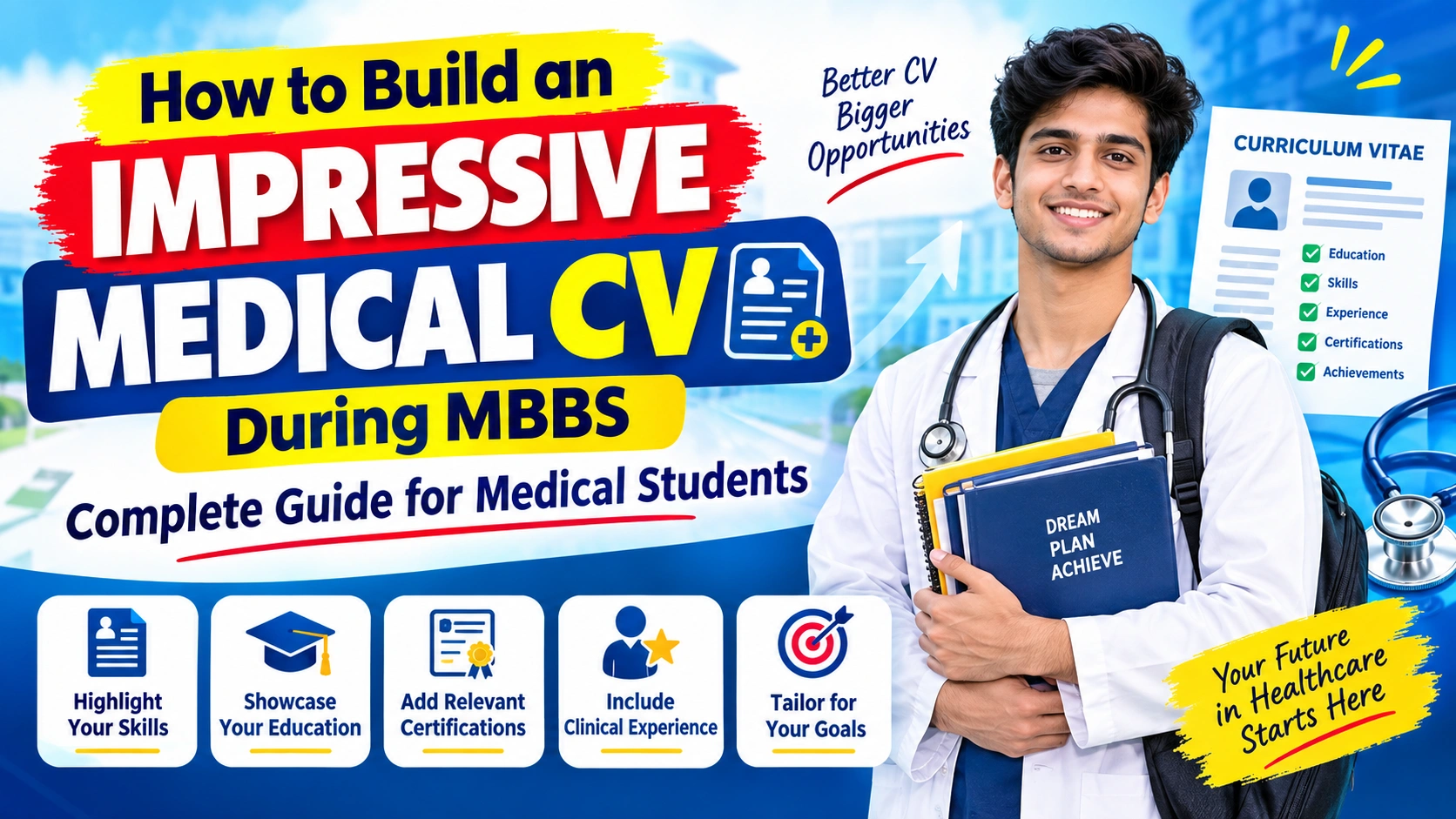
Medical education is not limited to attending lectures, passing examinations, and completing clinical rotations. During MBBS, students also need to build a strong professional profile that can help them in future opportunities such as research programs, internships, electives, postgraduate admissions, scholarships, and medical career growth.
A well-prepared medical CV (Curriculum Vitae) represents a student's academic achievements, clinical exposure, skills, research experience, and professional interests. Whether a student is planning to pursue postgraduate studies in India, preparing for competitive exams like NEET, or exploring opportunities through MBBS Abroad, an impressive medical CV can create a positive impression among universities, hospitals, and medical institutions.
Why Is a Medical CV Important During MBBS?
A medical CV is different from a regular resume. It provides a detailed overview of a medical student's journey, including academic performance, clinical training, research activities, publications, conferences, and professional skills.
Many medical students start preparing their CV only after completing MBBS, but building it gradually during medical education provides a significant advantage. A strong CV shows dedication toward continuous learning and professional development.
For students planning international medical opportunities, maintaining a professional CV becomes even more important. Universities and healthcare institutions often evaluate candidates based on their academic background, practical experience, research involvement, and extracurricular achievements.
Students who are exploring medical education opportunities abroad can also understand admission requirements and career pathways through platforms like MBBS Advisor, which provides guidance related to medical education and career planning.
Start Building Your Medical CV From First Year of MBBS
first year of MBBS is right time to begin developing a professional profile. Although students may not have clinical experience initially, they can focus on creating a strong academic foundation.
During early years, students should maintain records of academic achievements, seminars attended, workshops completed, and medical-related activities. These small achievements become valuable additions when preparing a detailed CV later.
Students should also focus on improving communication skills, medical terminology knowledge, and participation in academic activities. A medical professional requires not only theoretical knowledge but also teamwork, leadership, and patient interaction skills.
Include a Strong Academic Background Section
The academic section is one of the most important parts of a medical CV. It should clearly mention educational qualifications, medical university details, academic achievements, and relevant certifications.
A medical student’s CV should include:
- MBBS course details and university name
- Academic awards or recognitions
- Scholarships received
- Important academic achievements
- Relevant certifications and training programs
Students who are pursuing MBBS through international universities should ensure that their educational details are presented clearly. Information regarding globally recognized medical institutions, accreditation, and medical education standards is important when applying for future opportunities.
Students can also check important medical education standards through organizations such as National Medical Commission (NMC) and global medical databases like World Directory of Medical Schools (WDOMS).
Highlight Clinical Experience and Hospital Training
Clinical exposure plays a major role in developing a successful medical career. A medical CV should include details about clinical rotations, internships, hospital postings, and practical training experiences.
During MBBS, students should maintain a record of departments where they received training, including:
- Medicine
- Surgery
- Pediatrics
- Obstetrics and Gynecology
- Community Medicine
- Emergency Medicine
Students should mention the duration of their clinical exposure and skills they gained during training.
For example, instead of simply writing “Completed clinical rotation in the Medicine Department,” a better description would include exposure to patient history taking, clinical examination, case discussions, and basic diagnostic procedures.
This approach makes CV more professional and highlights practical learning.
Add Research Experience and Publications
Research experience can significantly improve the value of a medical CV. Medical institutions and postgraduate programs often appreciate students who show interest in scientific research.
MBBS students can improve their CV by participating in:
- Research projects
- Medical surveys
- Case reports
- Literature reviews
- Clinical studies
- Medical conferences
Even small research contributions demonstrate curiosity and commitment toward medical advancement.
Students should also learn basic research skills such as medical literature searching, scientific writing, and understanding research methodology. Participation in medical conferences and poster presentations can further strengthen their professional profile.
Mention Medical Conferences, Workshops, and Certifications
Continuous learning is an essential part of healthcare. Medical students should actively participate in conferences, workshops, and certified training programs.
A CV can include:
- Medical conferences attended
- Workshops completed
- Online medical courses
- Clinical skill training programs
- Emergency care certifications
These activities show that students are interested in improving knowledge beyond the standard MBBS curriculum.
Students preparing for competitive medical examinations can also use resources like NEET Rank Predictor to understand their performance and plan their medical career journey effectively.
Develop and Showcase Medical Skills
A good medical CV should clearly mention professional skills acquired during MBBS. These skills may include both clinical and non-clinical abilities.
Important medical skills can include:
- Patient communication
- Clinical examination techniques
- Medical documentation
- Basic diagnostic understanding
- Team collaboration
- Medical ethics knowledge
Apart from medical skills, students should also mention digital skills, research abilities, and language proficiency, especially when applying for international opportunities.
Include Volunteer Work and Extracurricular Activities
Medical professionals require compassion, leadership, and social responsibility. Volunteer activities can demonstrate these qualities.
MBBS students can participate in:
- Health awareness campaigns
- Medical camps
- Community health programs
- Public health initiatives
- Student medical organizations
Such experiences reflect a student's willingness to contribute to society and understand healthcare challenges beyond hospitals.
Maintain a Professional CV Format
A medical CV should be clean, organized, and easy to read. Avoid unnecessary designs, excessive colors, or irrelevant information.
A professional medical CV generally follows this structure:
- Personal information
- Career objective or professional summary
- Educational qualifications
- Clinical experience
- Research experience
- Publications and presentations
- Certifications
- Skills
- Conferences and workshops
- Volunteer activities
- References (if required)
information should be updated regularly throughout the MBBS journey.
Common Mistakes Students Should Avoid While Creating a Medical CV
Many students make mistakes that reduce the effectiveness of their CV. Some common errors include adding incorrect information, mentioning irrelevant details, or creating a CV without proper organization.
Students should avoid:
- Copying templates without customization
- Adding false achievements
- Ignoring research experience
- Using informal language
- Creating an outdated CV
A CV should represent genuine achievements and professional growth.
How MBBS Students Can Improve Their Career Opportunities Through a Strong CV
A strong medical CV can support students in multiple career pathways. It can help when applying for internships, research opportunities, postgraduate programs, fellowships, and international medical opportunities.
For students interested in studying or building careers outside India, understanding international medical education requirements is essential. Information related to global medical universities, admission procedures, and career options can be explored through MBBS Abroad.
Medical students should also stay updated with healthcare regulations and international medical education standards through reliable sources like World Health Organization (WHO) and National Medical Commission (NMC).
Conclusion
Building an impressive medical CV during MBBS is a continuous process rather than a one-time task. Students should focus on academic excellence, clinical skills, research involvement, and professional development from the beginning of their medical journey.
A well-structured CV reflects a student's dedication, knowledge, and readiness for future medical challenges. Whether the goal is postgraduate education, research, international opportunities, or clinical practice, a strong medical CV can become an important tool for career growth.
By maintaining proper records, gaining practical experience, participating in medical activities, and continuously improving skills, MBBS students can create a professional profile that stands out in the competitive healthcare field.