 Russia
 Belarus
 Georgia
 Kazakhstan
 Kyrgyzstan
 Uzbekistan
 China
China Nepal
Nepal Bangladesh
 Poland
 Romania
 Slovakia
 Hungary
 N. Macedonia
 Vietnam
 Canada
 Armenia
 UK
UK Australia
 USA
USA Ireland
 Germany
 New Zealand
 Italy
Italy France
 Singapore
 Netherlands
 Sweden
 Switzerland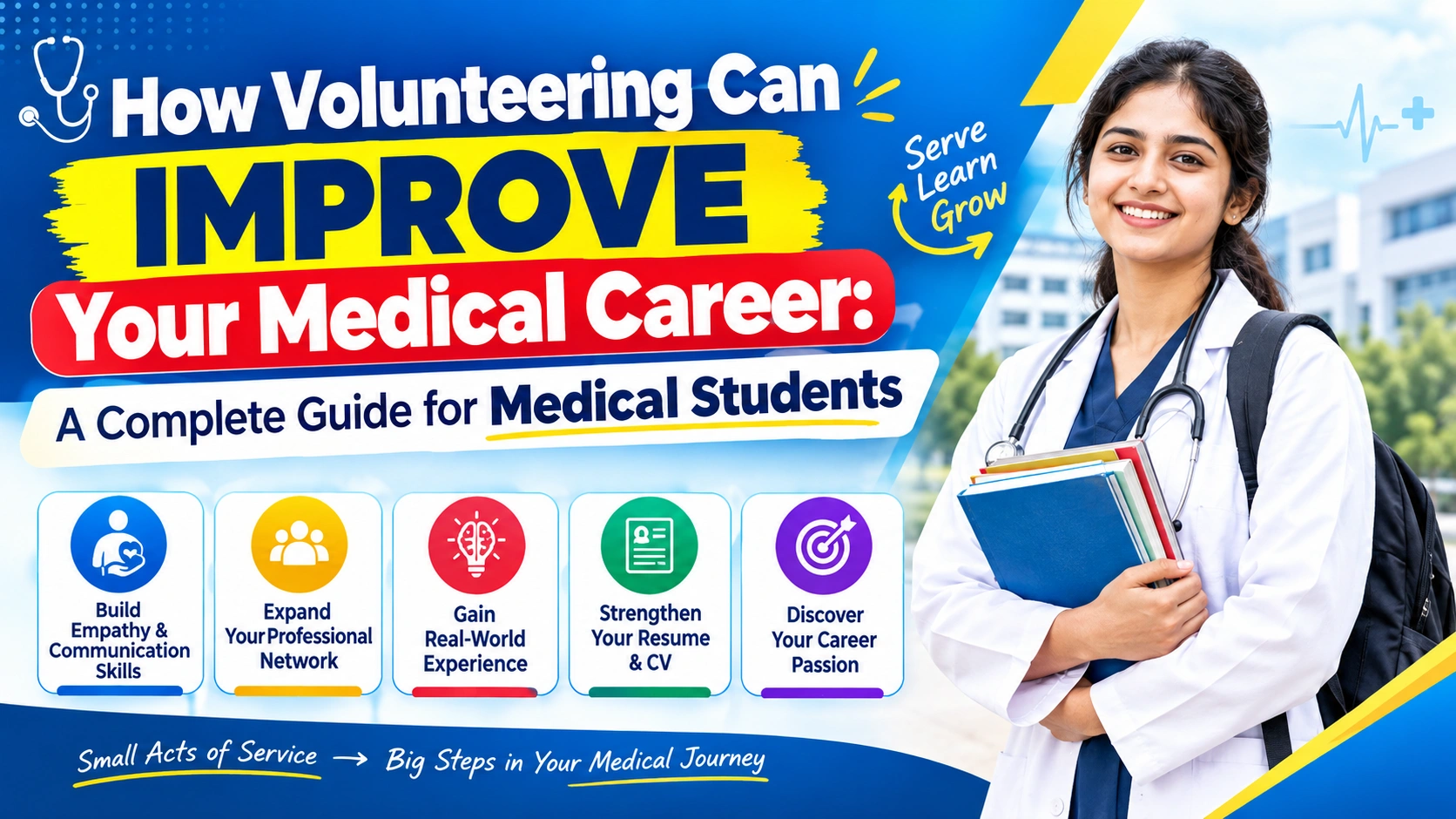
Medical education is not limited to textbooks, lectures, and clinical examinations. A successful doctor needs strong communication skills, empathy, leadership abilities, teamwork, and real-world healthcare exposure. Volunteering is one of the best ways for medical students and aspiring doctors to develop qualities while contributing to society. For students preparing for medical education, volunteering can create a strong foundation before entering medical college. It helps them understand patient needs, healthcare challenges, and responsibilities of medical professionals. Platforms like MBBS Advisor provide guidance to students exploring medical education opportunities, including information related to NEET, medical admissions, and career planning.
Understanding The Importance of Volunteering in Medical Career Development
Volunteering means offering your time, skills, and services to support individuals, communities, or healthcare organizations without expecting financial rewards. In the medical field, volunteering can include activities such as health awareness campaigns, assisting healthcare professionals, participating in medical camps, supporting NGOs, and helping patients in hospitals. A medical career requires more than academic knowledge. Doctors regularly interact with people from different backgrounds, understand their concerns, and make important decisions affecting their health. Volunteering provides early exposure to responsibilities and helps students become more confident healthcare professionals. For students planning to study medicine in India or abroad, volunteering experience can also strengthen their profile. Those exploring opportunities through MBBS Abroad programs can benefit from such experiences because international medical universities often value candidates who demonstrate social responsibility and community involvement.
How Volunteering Builds Essential Skills for Future Doctors
Improving Communication Skills
Communication is one of the most important skills in healthcare. Doctors need to explain medical conditions, treatment procedures, and health advice clearly to patients and their families.Through volunteering activities, students interact with different groups of people and learn how to communicate with patience and understanding. Whether helping elderly patients, educating communities about diseases, or assisting during health camps, volunteering improves confidence and interpersonal skills.A doctor with strong communication abilities can build better relationships with patients and provide more effective healthcare services.
Developing Empathy and Patient Understanding
Medical professionals deal with people during some of the most difficult moments of their lives. Understanding patient emotions and concerns is essential for providing compassionate care.Volunteering allows students to experience healthcare from a patient's perspective. Working with communities, supporting underprivileged individuals, or assisting healthcare workers helps future doctors understand social and emotional factors affecting health.This experience develops empathy, which is a key quality that separates a good doctor from an excellent doctor.
Gaining Practical Healthcare Exposure
Many students enter medical college with limited knowledge about real healthcare environments. Volunteering provides an opportunity to observe hospitals, clinics, and community healthcare programs.
Students may learn about:
- Patient interaction and hospital workflow
- Importance of preventive healthcare
- Role of healthcare teams
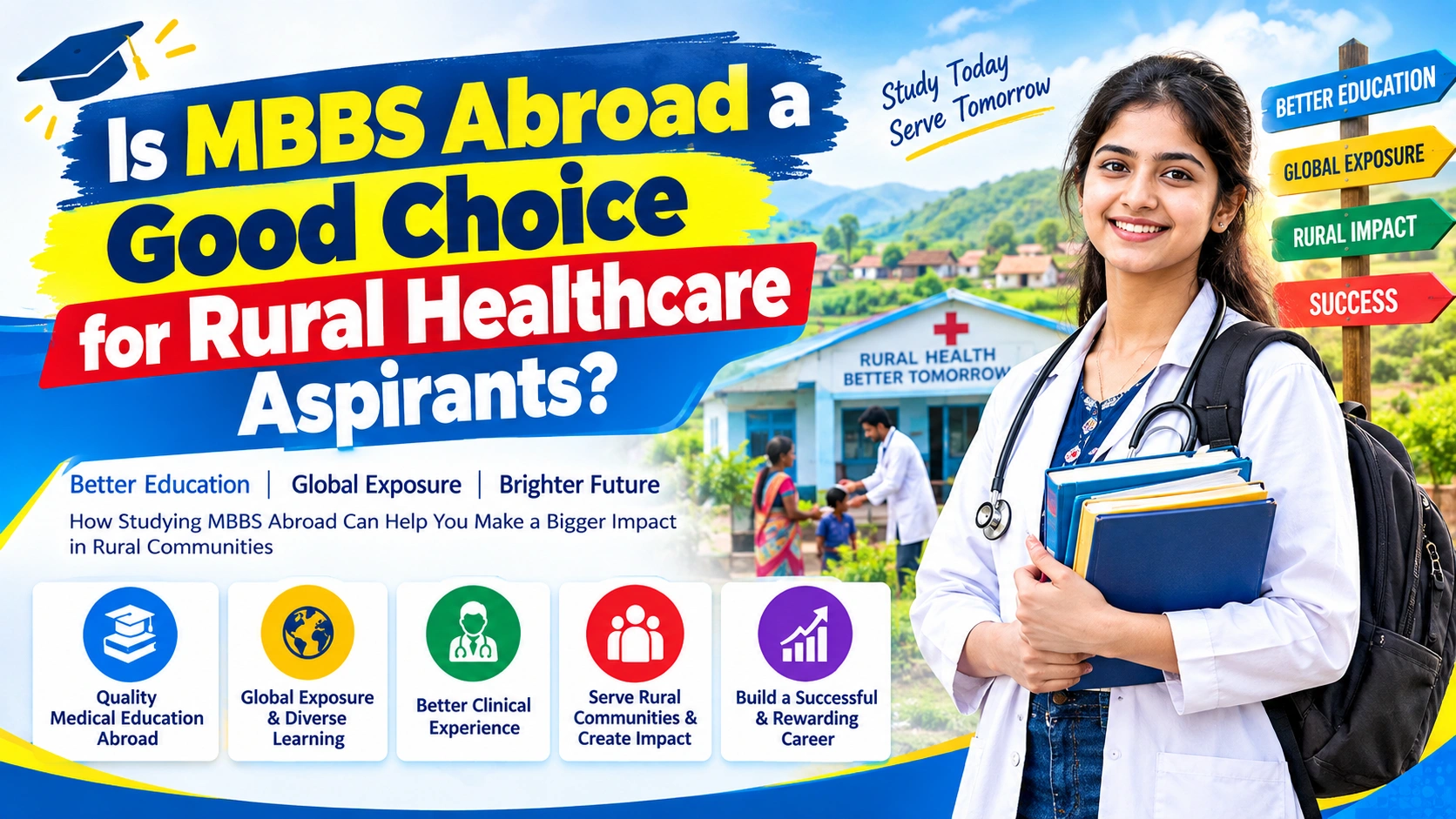
- Challenges faced by rural and underserved communities
- Basic healthcare management practices
This early exposure helps students adapt more easily to clinical training during medical education.
Volunteering Opportunities for Medical Students and Aspirants
There are various ways students can participate in healthcare volunteering activities depending on their interests and availability.
Community Health Awareness Programs
Health awareness programs focus on educating people about important health issues such as hygiene, nutrition, vaccination, disease prevention, and healthy lifestyles.
Students participating in programs learn how healthcare professionals contribute to improving public health outcomes.
Medical Camps and Health Drives
Medical camps provide healthcare services to communities that may have limited access to medical facilities. Volunteers assist doctors and healthcare teams by managing registrations, guiding patients, organizing medical records, and spreading health awareness.
The experienced students understand practical challenges of healthcare delivery.
Hospital Volunteering
Many hospitals and healthcare organizations offer volunteering opportunities where students can assist with non-clinical responsibilities.
Hospital volunteering helps students understand:
- Patient care systems
- Medical ethics
- Healthcare teamwork
- Hospital administration processes
It also allows students to observe professional behavior expected from healthcare workers.
How Volunteering Helps During Medical Admissions
Medical admission processes are becoming increasingly competitive. Academic performance, entrance exam scores, and eligibility criteria remain important factors, but extracurricular experiences can also demonstrate a student's dedication toward healthcare. Students preparing for medical entrance exams like NEET can use volunteering experience to develop a deeper understanding of the medical profession. For students interested in studying medicine abroad, volunteering can be an additional advantage while preparing their overall profile. Universities offering medical programs often appreciate candidates who show commitment toward healthcare and community service.Students should also ensure that medical universities they consider meet global standards and recognition requirements. Checking information from official organizations such as National Medical Commission (NMC) and World Directory of Medical Schools (WDOMS) can help students make informed decisions about medical education opportunities.
Volunteering and Development of Leadership Qualities
Doctors often work as leaders within healthcare teams. They coordinate with nurses, medical professionals, administrators, and public health organizations to provide effective treatment.
Volunteering helps students develop leadership abilities by encouraging them to:
- Organize healthcare activities
- Manage responsibilities
- Work with different teams
- Solve problems in challenging situations
- Take initiative for social causes
leadership skills become valuable throughout a medical career, especially when doctors manage healthcare departments or participate in public health initiatives.
How Volunteering Helps Students Planning MBBS Abroad
Students choosing international medical education need adaptability and global awareness. Volunteering can prepare them for diverse healthcare environments by improving cultural understanding and social interaction skills. While selecting an international medical university, students should consider factors such as recognition, curriculum quality, clinical exposure, and future career opportunities. Resources related to MBBS Abroad can help students understand different destinations and admission requirements.Medical education abroad often involves interaction with students and patients from different cultural backgrounds. Volunteering experience helps students become more comfortable communicating with diverse populations.
The Role of Volunteering in Becoming a Responsible Doctor
Medicine is a profession based on service, responsibility, and trust. Volunteering introduces students to the values that define healthcare professionals.A responsible doctor understands that healthcare is not only about treating diseases but also about improving people's quality of life. Experiences gained through volunteering encourage students to focus on preventive care, patient welfare, and community health.Students who actively participate in social healthcare initiatives often develop a stronger sense of purpose and commitment toward their profession.
How to Start Volunteering as a Medical Aspirant
Students do not need advanced medical knowledge to begin volunteering. Many organizations provide opportunities where beginners can contribute through awareness programs, administrative support, and community assistance.
Before joining any volunteering program, students should:
- Choose a reliable healthcare organization
- Understand their responsibilities clearly
- Follow professional ethics
- Respect patient privacy
- Maintain commitment and discipline
Even small volunteering experiences can create meaningful learning opportunities for future doctors.
Importance of Ethical Healthcare Practices
While volunteering, students must understand the importance of medical ethics. Healthcare involves sensitive information and personal situations, so volunteers should maintain confidentiality and respect patient dignity.Following ethical practices helps students develop professional behavior that will benefit them throughout their medical careers.Students should also stay updated with recognized medical education and healthcare guidelines provided by organizations such as World Health Organization (WHO), which works globally to improve public health standards.
Conclusion
Volunteering plays an important role in shaping the future of medical professionals. It helps students develop communication skills, empathy, leadership qualities, and practical healthcare understanding.The experiences allow aspiring doctors to look beyond academic studies and understand the real responsibilities of the medical profession.For students preparing for medical entrance examinations, exploring career options through platforms like MBBS Advisor can provide valuable guidance about admissions, medical education pathways, and opportunities in India and abroad.Whether a student plans to pursue medicine through Indian medical colleges or explore MBBS Abroad, volunteering can become a meaningful step toward building a successful and compassionate medical career. A doctor’s journey begins not only with education but also with willingness to serve and understand society.