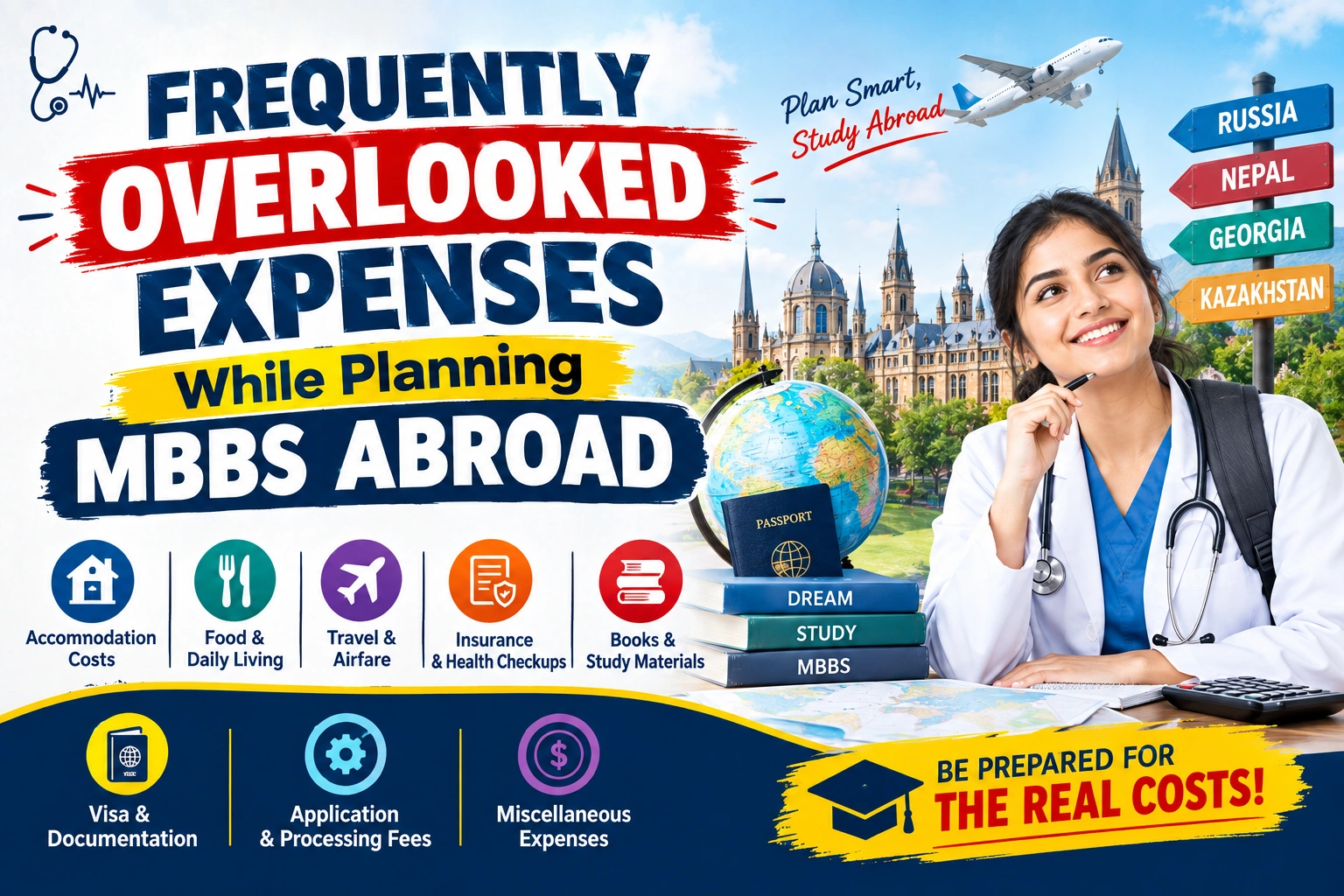
 Russia
 Belarus
 Georgia
 Kazakhstan
 Kyrgyzstan
 Uzbekistan
 China
China Nepal
Nepal Bangladesh
 Poland
 Romania
 Slovakia
 Hungary
 N. Macedonia
 Vietnam
 Canada
 Armenia
 UK
UK Australia
 USA
USA Ireland
 Germany
 New Zealand
 Italy
Italy France
 Singapore
 Netherlands
 Sweden
 Switzerland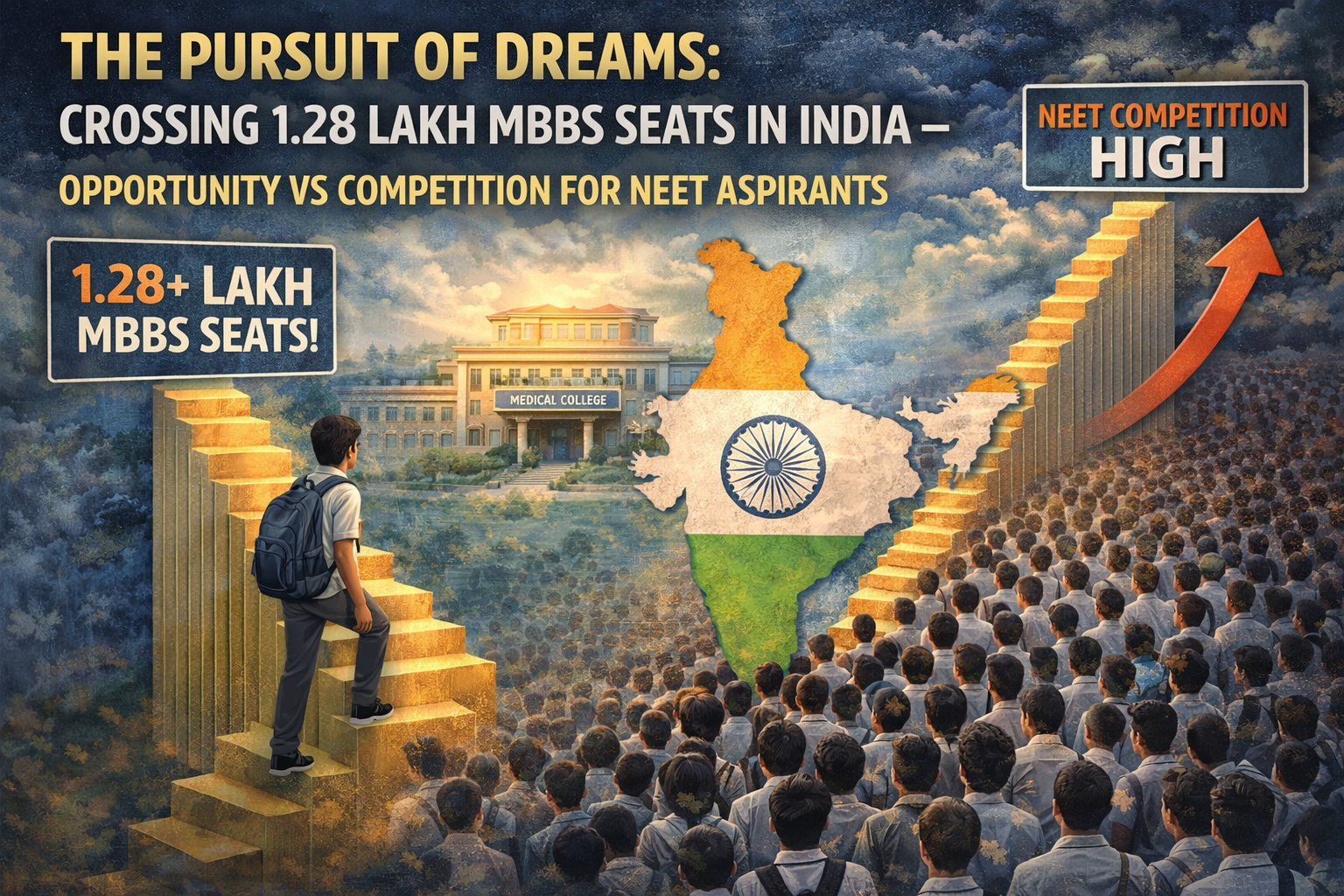
India has crossed a historic milestone of 1.28 lakh MBBS seats, marking a major transformation in medical education. This expansion brings relief to lakhs of National Eligibility cum Entrance Test (NEET) aspirants who previously struggled due to limited seat availability.
While the increase creates more opportunities, it also raises an important question—does more seats mean less competition, or does the challenge remain the same? The answer lies in understanding both sides: opportunity and competition.
Factors Behind the Growth in MBBS Seats
The rapid increase in MBBS seats in India has been driven by several key initiatives:
- Establishment of new government medical colleges
- Expansion of seat capacity in existing institutions
- Upgradation of district hospitals into teaching hospitals
- Increased participation from the private sector
This expansion is regulated by the National Medical Commission (NMC), ensuring that colleges meet required standards of infrastructure, faculty, and clinical exposure.
Opportunity: More Seats, Better Access to MBBS
Increased Chances of Admission
With over 1.28 lakh MBBS seats, students now have better chances of securing admission, especially those from middle- and lower-income backgrounds.
Growth in Government Medical Colleges
A significant portion of new seats comes from government colleges, which offer affordable MBBS education in India compared to private institutions.
Reduced Need for MBBS Abroad
Earlier, many students opted for MBBS in countries like Russia, Kazakhstan, or Ukraine due to limited seats in India. With increased capacity, more students can now pursue MBBS domestically.
Strengthening the Healthcare System
More medical graduates will help improve India’s doctor workforce, supporting the vision of better healthcare access across rural and urban areas.
Competition: Still Intense Despite Expansion
High Number of NEET Applicants
Every year, over 20 lakh students appear for NEET. Even with 1.28 lakh seats, the competition ratio remains high.
Cut-Off Pressure Continues
Top government medical colleges will still have high cut-offs. Students aiming for premier institutes must maintain excellent scores.
Unequal Distribution of Seats
Some states have more medical colleges than others, creating regional imbalances and affecting admission chances based on domicile.
Quality vs Quantity Debate
The rapid increase in medical colleges raises concerns about maintaining quality education, faculty availability, and proper clinical exposure—issues closely monitored by the National Medical Commission.
Government Vision & WHO Alignment
The expansion of MBBS seats aligns with global healthcare goals set by the World Health Organization (WHO), particularly improving the doctor-patient ratio.
India’s key objectives include:
- Strengthening healthcare infrastructure
- Reducing doctor shortages
- Improving rural healthcare services
- Minimizing dependence on MBBS abroad
- Creating employment in the healthcare sector
What This Means for NEET 2026 Aspirants
Stay Consistent with Preparation:
Even with more seats, NEET 2026 remains highly competitive
Expand College Preferences:
Include newer and emerging medical colleges
Focus on Smart Strategy:
Mock tests, revision, and time management are crucial
Be Open to Alternatives:
Consider courses like BDS, BAMS, or allied health sciences
Future Outlook
The increase in MBBS seats in India reflects strong growth in both healthcare and education sectors. The number is expected to rise further in the coming years.
However, the long-term success of this expansion depends on maintaining a balance between quantity and quality, ensuring proper regulation, faculty development, and clinical training.
Conclusion
Crossing 1.28 lakh MBBS seats is a historic achievement that brings new hope for NEET aspirants. It creates more opportunities but does not eliminate competition.
Success in NEET still depends on dedication, smart preparation, and consistency. As India moves toward becoming a global hub for medical education, students must adapt and make the most of these expanding opportunities.
The Pursuit of Dreams: Crossing 1.28 Lakh MBBS Seats in India – Opportunity vs Competition for NEET Aspirants
India has crossed a historic milestone of 1.28 lakh MBBS seats, marking a major transformation in medical education. This expansion brings relief to lakhs of National Eligibility cum Entrance Test (NEET) aspirants who previously struggled due to limited seat availability.
While the increase creates more opportunities, it also raises an important question—does more seats mean less competition, or does the challenge remain the same? The answer lies in understanding both sides: opportunity and competition.
Factors Behind the Growth in MBBS Seats
The rapid increase in MBBS seats in India has been driven by several key initiatives:
- Establishment of new government medical colleges
- Expansion of seat capacity in existing institutions
- Upgradation of district hospitals into teaching hospitals
- Increased participation from the private sector
This expansion is regulated by the National Medical Commission (NMC), ensuring that colleges meet required standards of infrastructure, faculty, and clinical exposure.
Opportunity: More Seats, Better Access to MBBS
Increased Chances of Admission
With over 1.28 lakh MBBS seats, students now have better chances of securing admission, especially those from middle- and lower-income backgrounds.
Growth in Government Medical Colleges
A significant portion of new seats comes from government colleges, which offer affordable MBBS education in India compared to private institutions.
Reduced Need for MBBS Abroad
Earlier, many students opted for MBBS in countries like Russia, Kazakhstan, or Ukraine due to limited seats in India. With increased capacity, more students can now pursue MBBS domestically.
Strengthening the Healthcare System
More medical graduates will help improve India’s doctor workforce, supporting the vision of better healthcare access across rural and urban areas.
Competition: Still Intense Despite Expansion
High Number of NEET Applicants
Every year, over 20 lakh students appear for NEET. Even with 1.28 lakh seats, the competition ratio remains high.
Cut-Off Pressure Continues
Top government medical colleges will still have high cut-offs. Students aiming for premier institutes must maintain excellent scores.
Unequal Distribution of Seats
Some states have more medical colleges than others, creating regional imbalances and affecting admission chances based on domicile.
Quality vs Quantity Debate
The rapid increase in medical colleges raises concerns about maintaining quality education, faculty availability, and proper clinical exposure—issues closely monitored by the National Medical Commission.
Government Vision & WHO Alignment
The expansion of MBBS seats aligns with global healthcare goals set by the World Health Organization (WHO), particularly improving the doctor-patient ratio.
India’s key objectives include:
- Strengthening healthcare infrastructure
- Reducing doctor shortages
- Improving rural healthcare services
- Minimizing dependence on MBBS abroad
- Creating employment in the healthcare sector
What This Means for NEET 2026 Aspirants
Stay Consistent with Preparation:
Even with more seats, NEET 2026 remains highly competitive
Expand College Preferences:
Include newer and emerging medical colleges
Focus on Smart Strategy:
Mock tests, revision, and time management are crucial
Be Open to Alternatives:
Consider courses like BDS, BAMS, or allied health sciences
Future Outlook
The increase in MBBS seats in India reflects strong growth in both healthcare and education sectors. The number is expected to rise further in the coming years.
However, the long-term success of this expansion depends on maintaining a balance between quantity and quality, ensuring proper regulation, faculty development, and clinical training.
Conclusion
Crossing 1.28 lakh MBBS seats is a historic achievement that brings new hope for NEET aspirants. It creates more opportunities but does not eliminate competition.
Success in NEET still depends on dedication, smart preparation, and consistency. As India moves toward becoming a global hub for medical education, students must adapt and make the most of these expanding opportunities.