 Belarus
 China
China Nepal
Nepal Bangladesh
 Poland
 Romania
 Slovakia
 Hungary
 N. Macedonia
 Vietnam
Your Global Journey, Simplified.
Join 5,000+ students who secured their dream university
 Russia
 Georgia
 Kazakhstan
 Kyrgyzstan
 Uzbekistan
Why Study MBBS Abroad?
- Affordable Fees – Much lower than private colleges in India
- English Medium – No language barrier
- WHO, NMC Approved Degrees
- Modern Labs & Good Clinical Exposure
Register Now for Study MBBS Abroad
International Kazakh-Turkish University named after Khoja Ahmet Yassawi Faculty of Medicine
Introduction
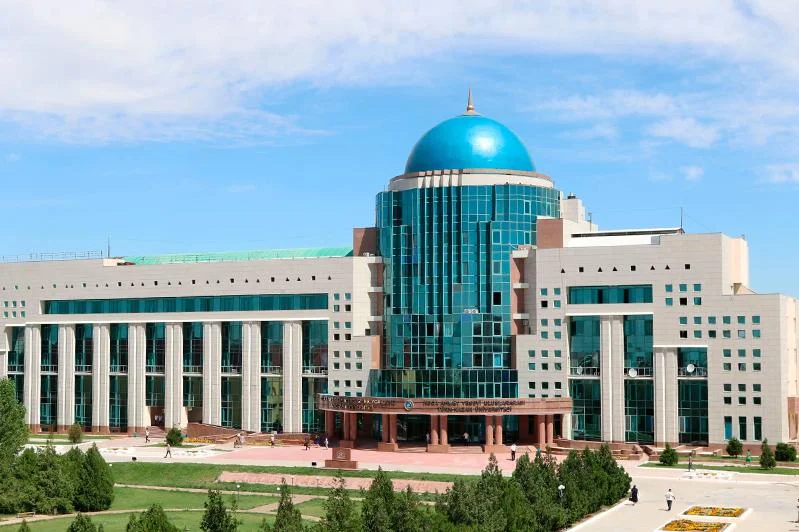
International Kazakh-Turkish University named after Khoja Ahmet Yassawi Faculty of Medicine is a well-known public medical education institution in Turkistan, Kazakhstan, recognized for its structured MBBS/MD-style medical training and practical learning environment. It attracts international students who want an affordable English-medium medical degree with a balance of classroom teaching, laboratory work, and hospital exposure. The faculty is often preferred by Indian and other foreign students because of its student-friendly atmosphere, supportive campus setting, and internationally relevant medical curriculum. Its academic model is designed to help students build a strong foundation in both medical theory and clinical practice. The university also highlights international mobility and career pathways, making it suitable for students who want to pursue licensing exams after graduation.
Key Highlights
| Category | Details |
| University Name | International Kazakh-Turkish University named after Khoja Ahmet Yassawi Faculty of Medicine |
| University Type | Public |
| Location | Turkistan, Kazakhstan |
| Medium of Education | English |
| University Validation | WHO, NMC, WFME, ECFMG |
| Entrance Exam | NEET Exam |
| University Ranking | National and global rankings vary by source |
| Popular Course | MBBS |
| Founded Year | 1991 |
| Course Duration | 6 Years, including internship |
| Eligibility Criteria | 10+2 with 50% in PCB |
| Intake | September |
Why Choose International Kazakh-Turkish University Faculty of Medicine?
- The university offers an affordable MBBS option for students who want quality medical education at a lower cost than private colleges in India.
- English-medium teaching helps international students study comfortably from the first year without language difficulty.
- The program is structured to include lectures, laboratories, and clinical exposure.
- Students gain practical medical experience, which helps build confidence and patient-handling ability.
- Hostel and support services make it easier for foreign students to settle in Kazakhstan.
- The university is often considered suitable for students preparing for licensing or screening exams after MBBS.
- Its location in Turkistan gives students access to a calm and academically focused city environment.
MBBS Duration
The MBBS program at International Kazakh-Turkish University named after Khoja Ahmet Yassawi Faculty of Medicine is generally a 6-year course, including academic study and internship training. The course is designed to provide a solid base in both theory and practice. Students move through pre-clinical and clinical stages in a planned sequence. English-medium education supports international students throughout the program. This makes the university suitable for students who want to practice medicine in India or abroad after graduation.
Eligibility Criteria
- Students should have completed 10+2 with Physics, Chemistry, and Biology.
- A minimum of 50% marks in PCB is generally required for general category students.
- Indian students must qualify NEET for admission and licensing-related purposes.
- Applicants should have valid documents such as passport, marksheets, and medical fitness certificates.
- Some admission guides may also mention medical insurance for international students.
- Age and admission conditions follow standard Kazakhstan medical university rules.
Admission Process
- Fill out the university application form through the official or authorized admission channel.
- Submit academic documents, passport copy, photographs, and NEET scorecard if required.
- After eligibility verification, the student receives an invitation letter from the university.
- Use the invitation letter to apply for a student visa.
- Pay the required tuition or initial admission fee after visa processing.
- Travel to Kazakhstan and complete registration, hostel allotment, and medical checkup after arrival.
Fee Structure
| Component | Amount |
| Tuition Fee | $5,500 |
| Accommodation | $700–$1,000 |
| Living Expenses | $1,500–$2,500 |
| Total (6 Years) | ~ $33,000 |
Hostel Facility
- The hostel facility is designed to give international students a safe and comfortable place to live throughout their MBBS course. It reduces the stress of finding private accommodation in a new city and helps students settle in quickly after arrival. The hostels are usually located close to the campus, which makes it easier for students to attend lectures, practical classes, and hospital visits on time. This convenience is especially helpful during the first few months of admission, when students are still adjusting to the new environment. The overall living arrangement is created to support both academic focus and daily comfort.
- Most hostel rooms are available in shared formats, such as 2-seater, 3-seater, or 4-seater options, so students can choose according to their budget and comfort preference. Each room is generally furnished with basic essentials like beds, study tables, chairs, and cupboards, which helps students settle without extra setup cost. Shared accommodation also gives students a chance to interact with classmates from different countries, which builds friendships and reduces loneliness. The rooms are made suitable for long-term medical study, where students need a quiet and stable place to prepare for classes and exams. This type of arrangement also helps students manage expenses more effectively.
- The hostel environment is structured to support a disciplined student lifestyle, which is important for medical education. Students can use their rooms for rest, self-study, and revision after long academic hours in the university. Many hostel buildings also include common areas where students can sit together, discuss lectures, or review difficult topics. These shared spaces encourage academic cooperation and peer learning. Since MBBS is a demanding course, having a calm and study-oriented hostel environment becomes a major advantage. It helps students remain consistent with their daily routine and exam preparation.
- Safety is one of the main priorities in the hostel system at the university. Separate arrangements are usually maintained for boys and girls, and security measures are in place to protect students living away from home. Hostel management, surveillance, and controlled access systems help create a more secure atmosphere for international students. This is particularly important for parents who want to ensure their children are staying in a monitored and responsible environment. Students can focus more on their studies when they feel safe in their living space. A secure hostel also makes it easier for students to adapt to life abroad with confidence.
- Food support is another important part of the hostel experience. Indian mess facilities are often available, which is a big relief for students who prefer familiar vegetarian or non-vegetarian meals during their studies. This helps students avoid the stress of cooking every day while still getting food that suits their taste and routine. Some students also use shared kitchen spaces to prepare their own simple meals when needed. Having both mess and kitchen options gives more flexibility in daily living. Good food support is especially important for medical students because long study hours require regular and balanced meals.
- Hostel life also includes practical facilities that make day-to-day living easier for students. Many hostels provide laundry areas, common kitchens, reading corners, and Wi-Fi access, which support both comfort and study. Laundry and housekeeping arrangements reduce the burden of managing routine chores while students focus on academics. Internet access is important for online resources, class material, and communication with family back home. Reading and common spaces help students work together or spend time in a relaxed but productive way. These facilities make hostel life more organized and manageable.
- Overall, the hostel facility is built to support a student’s full journey, not just accommodation. It combines comfort, safety, food support, and academic convenience in a way that suits international MBBS students. Living near the campus saves time and helps maintain discipline in daily life. Shared living also helps students become more independent and socially adaptable. For many international students, the hostel becomes the place where they build their routine, friendships, and study habits. That is why the hostel environment plays such an important role in the overall medical education experience.
Student Life
- Student life at the university is active, diverse, and academically focused. Since students come from different countries, the campus has a multicultural atmosphere that helps learners interact with people from various backgrounds. This makes the university experience richer and more interesting than studying in a completely local environment. International students often find it easier to adjust because they meet peers who are also living away from home. The environment encourages communication, cooperation, and cultural understanding. For medical students, this diversity is useful because it improves confidence and social adaptability.
- The MBBS program is structured in a way that combines theory, laboratory work, and practical exposure. Students attend lectures, participate in practical sessions, and gradually move toward clinical training as they progress through the course. This balance between academics and hands-on learning helps students understand medical subjects more deeply. Medical education becomes more meaningful when students can connect classroom knowledge with real patient care. The university’s approach helps students develop both academic strength and practical confidence. This makes student life more professional and goal-oriented.
- Indian students are an important part of the campus community, and they often form supportive groups in hostels and on campus. These communities help new students adjust to food, language, climate, and cultural differences more smoothly. Friends from similar backgrounds often study together, share notes, and prepare for exams as a team. This kind of peer support is very valuable during the challenging early years of MBBS. It also helps reduce stress and homesickness. Student life becomes more comfortable when learners have a circle of friends who understand their concerns.
- Campus life is not only about academics; it also includes cultural and social activities that help students relax and connect. Universities like this often have events, celebrations, and student activities that create a lively atmosphere. Students may celebrate festivals, participate in group programs, or attend social gatherings with classmates. These activities provide a healthy break from the pressure of medical studies. They also help students build memories and friendships that last throughout the course. A balanced student life is important for mental well-being, especially in a demanding program like MBBS.
- Sports and recreation are also part of the student experience. Many students take part in games such as football, volleyball, chess, or indoor fitness activities to stay active and reduce stress. Physical activity gives students a productive way to refresh their minds after long hours of study. It also helps maintain health, energy, and concentration during a busy academic routine. Recreational spaces and group activities make campus life less stressful and more enjoyable. This balance between academics and relaxation supports overall performance in medical school.
- The city environment also contributes to student life. Turkistan is a historic and student-friendly city, so students have access to a calm atmosphere, transport, and other daily conveniences. This makes it easier for students to manage both study and lifestyle needs. Weekend outings and short city visits give students a chance to relax after a week of classes. Living in a culturally rich city also helps students feel more comfortable during their long stay abroad. The outside environment therefore becomes an important part of student life, not just the campus itself.
- Overall, student life at the university is built around learning, support, and personal growth. Students not only study medicine but also learn independence, time management, and cultural adjustment. The combination of academics, hostel life, social activities, and peer support helps create a complete student experience. This is especially important for international MBBS students who are living away from family for several years. A strong student life environment helps them remain motivated and focused on their career goals. It turns the university experience into both a professional and personal journey.
Frequently Asked Questions
Most Viewed Blogs