 Russia
 Belarus
 Georgia
 Kazakhstan
 Kyrgyzstan
 Uzbekistan
 China
 Nepal
 Bangladesh
 Poland
 Romania
 Slovakia
 Hungary
 N. Macedonia
 Vietnam
Introduction
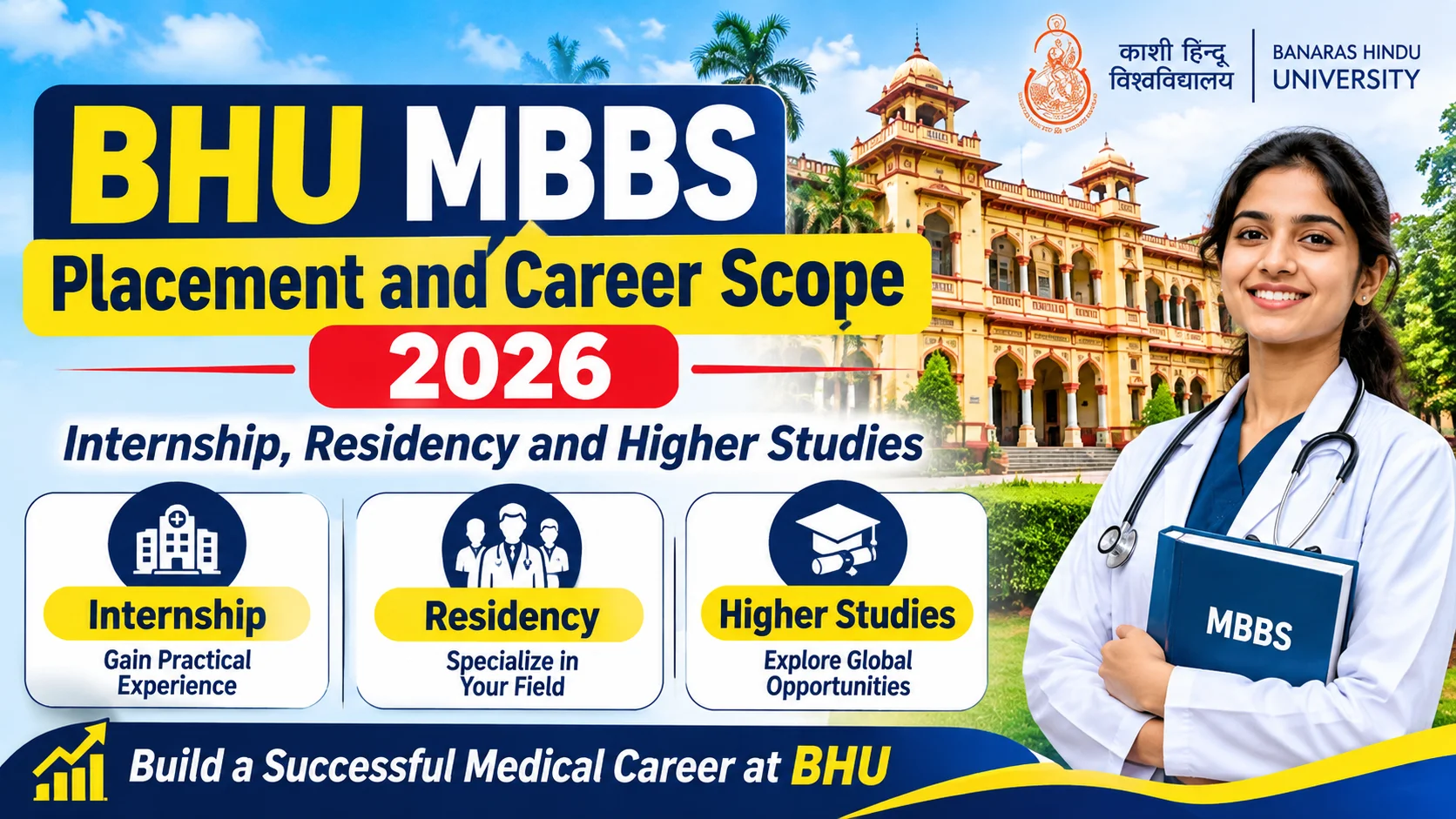
Choosing the right medical college is an important decision for students planning to build a career in healthcare. Banaras Hindu University (BHU), located in Varanasi, Uttar Pradesh, is one of India's well-known educational institutions. Its Institute of Medical Sciences (IMS BHU) offers medical education and clinical training to aspiring doctors.Students considering MBBS at BHU often want to understand the placement opportunities and career options available after graduation. However, medical education works differently from traditional professional courses. MBBS colleges generally do not provide campus placements in the same way as engineering or management institutions.After completing MBBS, graduates must complete their compulsory rotating medical internship and fulfil the applicable medical registration requirements. They can then explore Junior Resident positions, hospital jobs, postgraduate courses, research opportunities and other healthcare careers.In this article, we will discuss the BHU MBBS Placement and Career Scope, including internship training, residency opportunities, higher studies and career options after graduation.
BHU MBBS Placements 2026
IMS BHU provides medical education and clinical training to students through its academic departments and associated healthcare facilities. However, it is important to understand that BHU does not guarantee campus placements or employment to every MBBS graduate. After completing their degree and internship, students can explore different career opportunities depending on their eligibility, skills and professional goals.
Some career options after MBBS from BHU include:
- Junior Resident positions in hospitals and medical colleges
- Medical Officer positions in eligible healthcare institutions
- Jobs in government and private hospitals
- Postgraduate medical courses such as MD and MS
- Clinical research and academic opportunities
- Public health and community healthcare roles
Selection for these positions depends on recruitment notifications, eligibility criteria, entrance examinations, interviews and the availability of vacancies.
Students can also explore medical education and career-related information through MBBS Advisor.
BHU MBBS Internship
A compulsory rotating medical internship is an essential part of the MBBS programme. It gives students an opportunity to apply their theoretical knowledge in a clinical environment under the supervision of qualified medical professionals.At IMS BHU, students gain clinical exposure through its associated healthcare facilities, including Sir Sunderlal Hospital.During the internship, students rotate through different medical departments to understand patient care, diagnosis, treatment procedures and hospital management.
MBBS Internship Departments
|
Department |
Internship Experience |
|
General Medicine |
Understanding and managing common medical conditions |
|
General Surgery |
Learning about surgical care and procedures |
|
Obstetrics and Gynaecology |
Exposure to maternal and reproductive healthcare |
|
Paediatrics |
Understanding infant and child healthcare |
|
Orthopaedics |
Learning about musculoskeletal conditions |
|
Community Medicine |
Understanding public health and preventive healthcare |
|
Emergency Medicine |
Learning initial patient assessment and emergency care |
The duration, schedule and completion requirements of the internship are governed by applicable National Medical Commission (NMC) regulations and university requirements. Students can refer to the National Medical Commission (NMC) website for official medical education regulations and updates.
Why Is the MBBS Internship Important?
The internship helps students develop practical knowledge and become familiar with the responsibilities of a medical professional.
Its major benefits include:
1. Clinical Experience: Students learn how to assess patients, understand medical conditions and assist in patient management under supervision.
2. Hospital Experience: They become familiar with different hospital departments, clinical procedures and healthcare systems.
3. Communication Skills: Internship training helps students communicate effectively with patients, their families and other healthcare professionals.
4. Practical Knowledge: Students get an opportunity to apply concepts learned during classroom teaching in real clinical settings.
5. Career Preparation: Clinical exposure helps graduates prepare for further medical training and eligible entry-level healthcare positions.
BHU MBBS Residency Opportunities
After completing MBBS and the compulsory internship, graduates can explore residency opportunities. Junior Resident positions are among the common options available to eligible MBBS graduates in India. These roles provide opportunities to work in clinical departments, gain practical experience and learn under senior doctors.
Graduates may apply for suitable positions at:
- Government medical colleges
- Central government hospitals
- AIIMS institutions
- Private multispecialty hospitals
- Teaching hospitals
- Other eligible healthcare institutions
The selection process may involve academic requirements, interviews, recruitment examinations or other conditions mentioned in the vacancy notification.
Junior Resident Roles at BHU
MBBS graduates interested in working at IMS BHU can monitor recruitment notifications issued by the university and its associated institutions. Junior Resident vacancies depend on departmental requirements and the availability of positions. Candidates must satisfy the eligibility conditions mentioned in the relevant recruitment advertisement. It is important to remember that completing MBBS from BHU does not guarantee a Junior Resident position at the same institution.
Higher Studies After BHU MBBS
Many MBBS graduates choose postgraduate education to develop specialised medical knowledge and pursue advanced clinical careers. After completing MBBS and meeting the applicable eligibility requirements, graduates can explore MD, MS and other recognised postgraduate programmes.
1. MD and MS Courses
MD and MS are postgraduate medical qualifications that allow doctors to specialise in different areas of medicine.
Some popular specialisations include:
|
MD Specialisations |
MS Specialisations |
|
General Medicine |
General Surgery |
|
Paediatrics |
Orthopaedics |
|
Dermatology |
Ophthalmology |
|
Radiodiagnosis |
ENT |
|
Psychiatry |
Obstetrics and Gynaecology |
|
Anaesthesiology |
Other recognised surgical specialities |
Admission to postgraduate medical courses generally requires qualifying through the applicable entrance examination and counselling process.
2. NEET PG After BHU MBBS
NEET PG is an important entrance examination for admission to many postgraduate medical courses in India, including MD, MS and PG Diploma programmes, subject to the applicable admission framework.After completing MBBS and fulfilling the eligibility requirements, BHU graduates can participate in the relevant counselling process.Students should regularly check the official NEET website for NEET UG-related information and the appropriate official examination authority's website for NEET PG updates. NEET PG information and notifications should be verified through the National Board of Examinations in Medical Sciences (NBEMS).Admission rules and examination arrangements may change, so candidates should always consult the latest official notices.
3. Super-Specialisation Courses
Doctors who complete an eligible postgraduate medical qualification can pursue further specialisation through super-speciality programmes.
Examples include:
- DM Cardiology
- DM Neurology
- DM Gastroenterology
- MCh Neurosurgery
- MCh Urology
- MCh Cardiothoracic and Vascular Surgery
These programmes provide advanced training in specific medical and surgical fields. Admission depends on the applicable eligibility criteria and entrance examination process.
4. Research and Academic Opportunities
Students interested in medical research and teaching can explore opportunities beyond clinical practice.
Some possible career areas include:
- Clinical research
- Medical research
- Public health research
- Medical teaching and academic positions
- Healthcare innovation
- Research projects in medical institutions
Many academic and specialised research positions require additional postgraduate qualifications, relevant experience or research credentials.
Career Opportunities After BHU MBBS
An MBBS degree from BHU can provide a foundation for different medical career paths. The career a graduate chooses will depend on their interests, qualifications, clinical experience and long-term plans.
1. Government Hospital Jobs
Eligible MBBS graduates can apply for medical positions in government hospitals, public healthcare institutions and central or state government departments. Recruitment requirements vary depending on the organisation and the position.
2. Private Hospital Jobs
Private hospitals and healthcare institutions recruit eligible MBBS graduates for suitable clinical positions. The job responsibilities, selection process and experience requirements depend on the employer.
3. Medical Officer
After completing the compulsory internship and fulfilling registration requirements, graduates can apply for eligible Medical Officer positions. These roles may be available in government healthcare facilities, private hospitals and other medical institutions.
4. Postgraduate Specialisation
Graduates interested in developing expertise in a particular medical field can pursue recognised postgraduate qualifications such as MD and MS. Specialisation can help doctors build careers in clinical practice, hospital departments and teaching institutions.
5. Public Health and Research
Students interested in healthcare management, epidemiology and community health can consider additional qualifications such as a Master of Public Health (MPH). They may explore opportunities in public health organisations, research institutions and healthcare programmes. For information about international public health initiatives and global healthcare work, students can refer to the World Health Organization (WHO) website.
Important Considerations for BHU MBBS Placements and Career
Before choosing a career path after MBBS, students should consider several important factors.
Clinical Experience: Practical experience and exposure to different medical departments help graduates develop their clinical knowledge.
Internship Training: Completing the compulsory internship is essential for fulfilling the applicable medical education and registration requirements.
Medical Registration: Graduates must meet the relevant registration requirements before practising medicine independently.
Postgraduate Preparation: Students planning to pursue MD or MS should understand the entrance examination and counselling requirements.
Clinical Skills and Communication: Medical knowledge, professional conduct, communication and patient-handling skills are important for career development.
Continuous Learning: Medical science continues to develop, so doctors need to update their knowledge and skills throughout their careers.
Students researching medical education and international medical qualifications can also consult the World Directory of Medical Schools (WDOMS). However, WDOMS listing alone should not be treated as proof of NMC recognition or eligibility for medical registration in India.
Is BHU a Good Option for MBBS?
IMS BHU can be an option worth considering for students interested in pursuing medical education in India. The institution offers an academic environment and clinical learning opportunities through its associated hospital facilities.
Before making an admission decision, students should evaluate:
- Academic environment and teaching facilities
- Clinical exposure and hospital facilities
- Internship training opportunities
- MBBS fees and accommodation expenses
- Admission requirements and NEET UG eligibility
- Opportunities for postgraduate medical education
Students should compare these factors with other medical colleges before making a final decision. For additional guidance about medical colleges, admission procedures and MBBS-related information, visit MBBS Advisor.
Conclusion
BHU offers MBBS students an opportunity to develop their medical knowledge and clinical skills through academic education and hospital-based training. After completing the degree and compulsory internship, graduates can explore Junior Resident positions, government and private hospital jobs, postgraduate medical courses, research and public health opportunities.However, MBBS placements are not guaranteed. Graduates must complete their internship, fulfil registration requirements and meet the eligibility criteria for their chosen career path.Students planning a long-term medical career should consider the academic environment, clinical exposure, internship experience and opportunities for postgraduate education when evaluating IMS BHU.
Frequently Asked Questions (FAQs)
1. Does BHU offer placements after MBBS?
BHU does not guarantee campus placements for MBBS graduates. Students can apply for eligible Junior Resident positions, hospital jobs, government medical roles and postgraduate courses.
2. Is an internship compulsory after MBBS at BHU?
Yes. Students must complete the compulsory rotating medical internship according to the applicable NMC regulations and university requirements.
3. Where do BHU MBBS students complete their internship?
Students receive clinical training through the associated healthcare facilities of IMS BHU, including Sir Sunderlal Hospital, according to the prescribed internship schedule.
4. Can BHU MBBS graduates apply for Junior Resident positions?
Yes. Eligible graduates can apply for Junior Resident vacancies at BHU, government medical colleges, AIIMS institutions and private hospitals, depending on the recruitment requirements.
5. Can I pursue MD or MS after MBBS from BHU?
Yes. Graduates can apply for recognised postgraduate medical courses such as MD and MS after meeting the applicable eligibility and entrance examination requirements.
6. Do I need to appear for NEET PG after MBBS from BHU?
NEET PG is used for admission to many postgraduate medical programmes in India. Candidates should check the latest official admission and examination notifications for the relevant year.
7. What career options are available after MBBS from BHU?
Graduates can explore Medical Officer positions, Junior Resident roles, government and private hospital jobs, postgraduate specialisation, clinical research and public health careers.
8. Can BHU MBBS graduates work in government hospitals?
Yes. Eligible graduates can apply for government hospital and Medical Officer vacancies according to the recruitment rules and eligibility conditions.
9. Can I pursue super-specialisation after MBBS from BHU?
Yes. After completing an eligible postgraduate medical qualification, graduates can pursue super-speciality courses such as DM and MCh, subject to the applicable admission requirements.
10. Is BHU a good option for a long-term medical career?
IMS BHU can provide academic education and clinical learning opportunities. Long-term career development depends on clinical skills, professional experience, postgraduate qualifications and available employment opportunities.
 Step-by-Step Guide.webp)