 Russia
 Belarus
 Georgia
 Kazakhstan
 Kyrgyzstan
 Uzbekistan
 China
China Nepal
Nepal Bangladesh
 Poland
 Romania
 Slovakia
 Hungary
 N. Macedonia
 Vietnam
 Canada
 Armenia
 UK
UK Australia
 USA
USA Ireland
 Germany
 New Zealand
 Italy
Italy France
 Singapore
 Netherlands
 Sweden
 Switzerland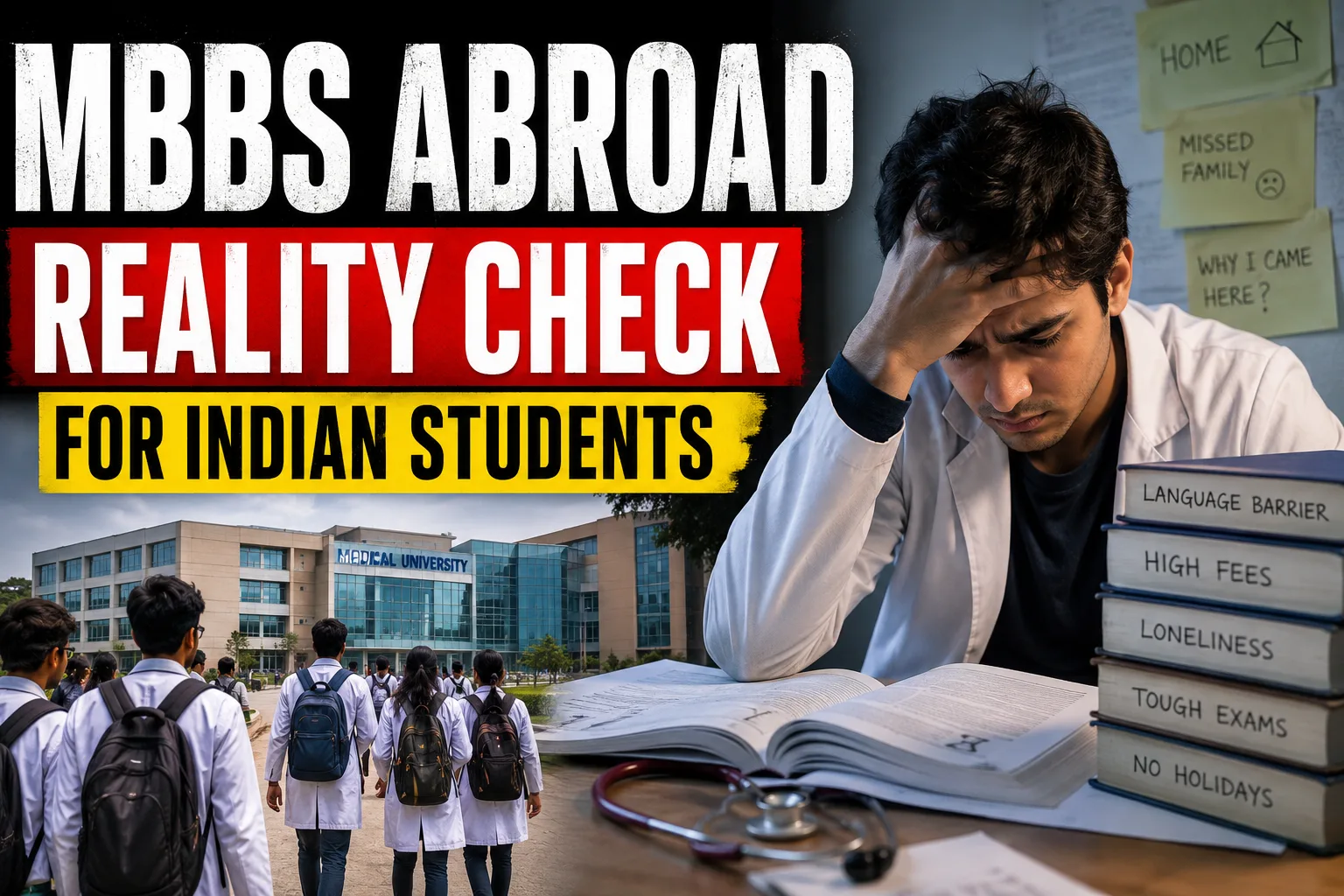
Every year, thousands of medical students who pass India’s national medical entrance exam NEET choose to study abroad in countries including Georgia, Kazakhstan, Kyrgyzstan, Russia, and Uzbekistan, attracted by the low tuition and simple admission procedures of the overseas Bachelor of Medicine and Bachelor of Surgery (MBBS) programs offered in these nations.
However, many students find their actual study experience differs drastically from their prior expectations. Beyond the benefit of low entry barriers, they must also navigate multiple challenges including strict adaptability requirements, self-discipline demands, cultural integration difficulties, and gaps in long-term career planning. Most students only learn about these overseas programs through universities’ admissions advertisements, leading to widespread cognitive biases.
Professional consulting platforms such as MBBS Advisor were established specifically to correct these biases and help students avoid potential risks ahead of time.
Common Misconceptions About MBBS Abroad
This paper organizes the three most common cognitive misconceptions as follows:
Cost Misconception
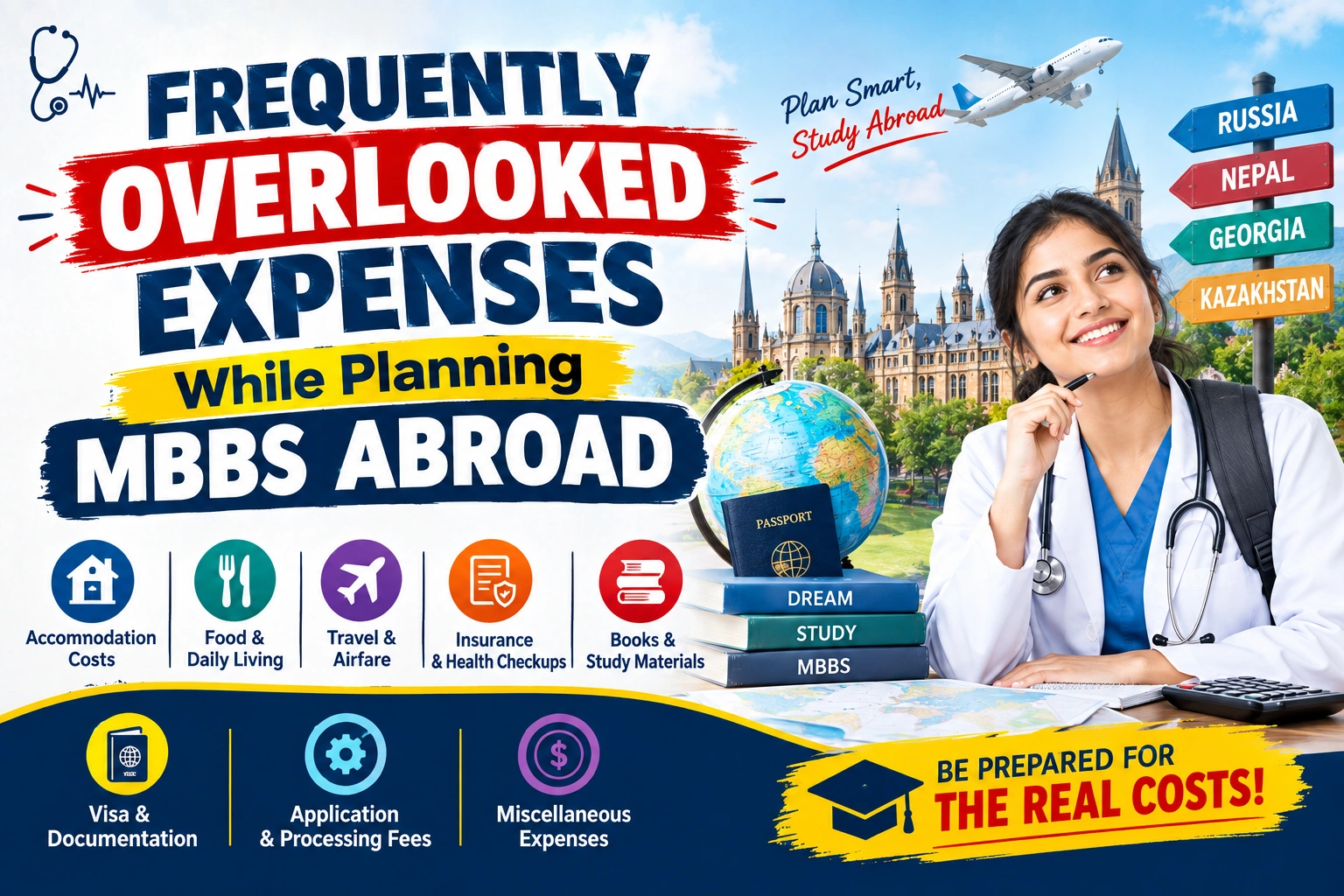
Most students only pay attention to the official tuition fees published by host universities, completely ignoring hidden costs such as:
- Dormitory fees
- Meal expenses
- Visa renewal fees
- Medical insurance
- Round-trip airfares
- Local transportation
- Clinical internship fees
This leads to a universal problem of budget underestimation.
In comparison, the vast majority of students who consult with MBBS Advisor are able to make thorough financial plans.
Qualification Misconception
Many students only prioritize low tuition when selecting a school and fail to verify official accreditations from India’s NMC, WDOMS, and WHO.
These qualifications directly affect:
- Eligibility to take India’s FMGE/NExT exams
- Global recognition of the degree
- Access to internship opportunities
- Qualifications to practice medicine overseas
Most students only realize the importance of these accreditations after they arrive to start their studies.
Language Misconception
Many students assume that all-English instruction will eliminate all communication barriers, but fail to consider that they will still face local language challenges when communicating with local residents outside of class.
If you are an Indian student planning to pursue a Bachelor of Medicine and Bachelor of Surgery (MBBS) abroad, the first core prerequisite you must clarify is this: if you choose popular study destinations such as Georgia, Russia, and Kyrgyzstan, you need to master basic local language skills in advance to smoothly meet all needs related to daily life and clinical learning.
Students who prepare psychologically ahead of time and take the initiative to adapt to the overseas environment adapt far faster than peers who assume the overseas environment will be identical to that in India.
Core Challenges Faced by MBBS Students Abroad
We have sorted out five core pain point modules, each marked with a dedicated emoji, covering all key points across the full cycle, from pre-enrollment preparation and in-school study to post-graduation professional licensing exams.
Adjustments to Diet and Daily Life
This is the most easily underestimated challenge, which includes five core adaptation difficulties:
- Vastly different eating habits
- Extreme weather
- Homesickness
- Cultural differences
- Independently managing all daily tasks
Students often need to handle:
- Cooking
- Doing laundry
- Planning budgets
- Maintaining self-discipline
After getting through the adaptation period, students generally gain:
- Independence
- Maturity
- Self-confidence
Cultivating Self-Study Ability
Unlike the model in India that relies on full supervision from tutoring centers, overseas medical education focuses heavily on independent learning.
A common misconception that must be corrected is that attendance alone is far from enough. Clinical understanding is far more important than rote memorization.
Correct Study Approach
- Review daily
- Prioritize practical knowledge
- Build conceptual understanding
- Practice consistently
Students who maintain self-discipline generally perform better on India’s two major professional licensing exams:
- FMGE
- NExT
Disparities in Clinical Resources
The gap in clinical resources across different universities is extremely large.
High-Quality Institutions Usually Offer
- Early hospital exposure
- Modern laboratories
- Advanced simulation training
- Sufficient doctor-patient interaction opportunities
Low-Quality Institutions Often Lack
- Adequate practical exposure
- Proper hospital tie-ups
- Sufficient patient flow
- Clinical training infrastructure
For this reason, researching universities before enrollment is critically important. We recommend the third-party platform MBBS Advisor, which allows students to compare institutions across multiple dimensions rather than basing decisions only on tuition levels.
Start Licensing Exam Preparation Early
A common misconception that must be corrected is the idea that students can wait until after graduation to prepare for licensing exams.
Students who start preparation early have far higher pass rates.
FMGE and NExT Preparation Requires
- Strong conceptual foundations
- Consistent revision
- MCQ practice
- Clinical understanding
Many students who successfully pass these exams balance university coursework and licensing exam preparation starting from their first semester of enrollment.
Risks From Unethical Education Agents
Some unethical agents only focus on earning enrollment commissions, completely disregarding students’ long-term development.
They often make false promises such as:
- Easy admission
- 100% success in studying abroad
- No language barriers whatsoever
- Guaranteed internship opportunities
- Smooth medical license approval processes
However, the actual experience of studying abroad often differs drastically from these marketing claims.
Students must independently verify all relevant information through official national education websites and reliable guidance platforms such as MBBS Advisor before making any decisions.
Full Lifecycle Modules of Overseas MBBS
This article also organizes six core focus modules covering the full lifecycle of studying abroad.
1. Pre-Study Information Verification Module
Students must verify the following six details before enrollment:
- Total costs
- Local climate
- Institutional accreditation
- License eligibility
- Internship opportunities
- Post-graduation career paths
This helps close the information gap created by misleading marketing.
2. Cultural Growth Module
Studying overseas can foster five major competencies:
- Global perspective
- Communication skills
- Cultural awareness
- Professional confidence
- Independent decision-making ability
3. Career Planning Module
Students must reference the global medical education standards established by the WHO and research in advance the application requirements for:
- India’s FMGE/NExT
- United States USMLE
- United Kingdom PLAB
- Master’s degree opportunities in their home country
4. Financial Capability Module
Studying abroad can build four important financial management skills:
- Budget management
- Currency conversion awareness
- Emergency expense planning
- Rational spending habits
Reserve Funds Should Cover
- Medical emergencies
- Travel costs
- Visa renewal fees
5. Mental Health Module
Students should prepare in advance to handle:
- Loneliness
- Academic pressure
- Homesickness
- Test anxiety
Emotional resilience can be developed through support systems consisting of:
- Friends
- Senior peers
- Family members
6. Core Cognitive Convergence Module
No university can guarantee success in medical studies.
No matter where students pursue their education, they must possess five core traits:
- Perseverance
- Self-discipline
- Diligence
- Deep engagement in clinical practice
- Continuous self-improvement
Conclusion
An overseas MBBS is indeed a life-changing opportunity, but students must gain a full and comprehensive understanding of its realities before making a choice.
For students planning to pursue medical studies overseas, they may first use the three core advantages and three core challenges of overseas medical education as a reference when selecting a university. It is advisable to leverage MBBS Advisor to clarify relevant facts.
While choosing the right university is undoubtedly important, having a mindset adapted to overseas study is far more critical.