 Russia
 Belarus
 Georgia
 Kazakhstan
 Kyrgyzstan
 Uzbekistan
 China
China Nepal
Nepal Bangladesh
 Poland
 Romania
 Slovakia
 Hungary
 N. Macedonia
 Vietnam
 Canada
 Armenia
 UK
UK Australia
 USA
USA Ireland
 Germany
 New Zealand
 Italy
Italy France
 Singapore
 Netherlands
 Sweden
 Switzerland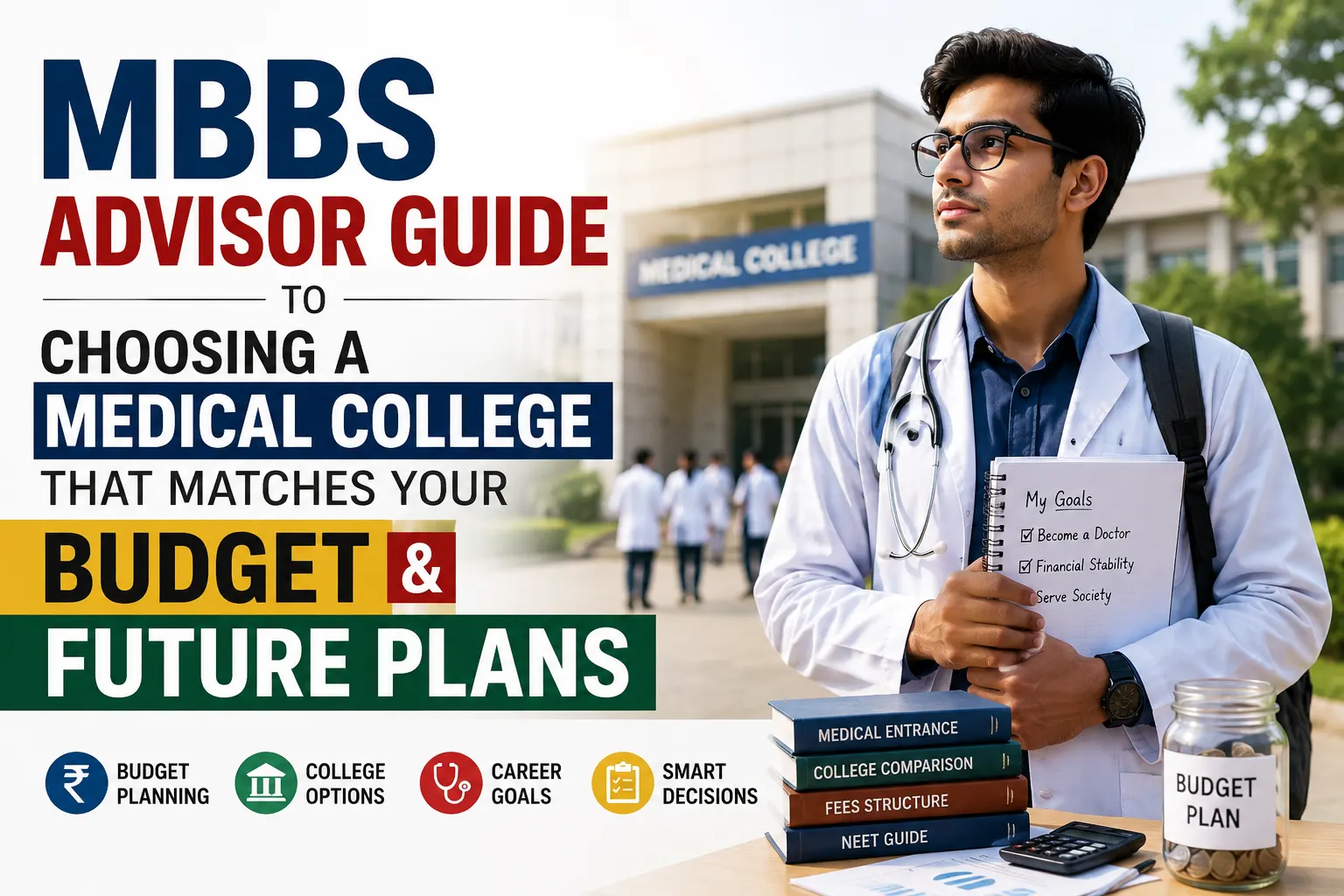
Choosing a medical school is the most critical decision for any medical career. For MBBS applicants sitting for the NEET medical exam, securing an admission seat is far more than just meeting an entry requirement; it requires selecting an institution that aligns with one’s long-term career goals, financial capacity, academic expectations, and future development opportunities.
Every year, thousands of test-takers and their parents make rushed, incorrect decisions during the application consultation period, driven by limited information, pressure from unofficial sources, and the common mistake of focusing only on stated tuition while ignoring full cost accounting. This is a widespread pain point for current NEET applicants navigating school selection.
As a professional school selection consultation platform serving MBBS applicants, MBBS Advisor’s core value lies in addressing this gap: we provide transparent, structured medical admission rules, full-cycle tuition structures, a dedicated consultation system, and career planning guidance, to help applicants objectively compare different schools and avoid potential future financial strain.
Full Cost Accounting for MBBS Applicants
School selection must be broken down along two core dimensions.
Expense Categories to Consider
First is full cost accounting, which covers 8 specific expense line items:
- Tuition
- Accommodation fees
- Food and living costs
- Expenses for textbooks and learning materials
- Clinical training costs
- Exam fees
- Internship-related expenditures
- Transportation and miscellaneous fees
Types of Medical Institutions
Public Medical Schools
Public medical schools have:
- Low tuition
- High patient volumes
- High-quality clinical resources
- Strong academic reputations
- Low accommodation costs
However, they offer limited seats and have extremely high NEET admission cutoff scores—only high-scoring applicants can secure a seat through targeted consultation.
Private Medical Schools
Private medical schools have:
- Abundant seats
- Modern infrastructure
- Comprehensive campus facilities
- Flexible locations
But applicants must verify in advance:
- Tuition structures
- Hidden fees
- Mandatory binding policies
- Credential recognition status
Deemed Universities
Deemed universities feature:
- Advanced infrastructure
- Global exchange opportunities
However, their tuition is generally high, requiring applicants to assess beforehand:
- Return on investment
- Available internship opportunities
- Prospects for postgraduate study
Balancing Budget and Career Goals
School selection must integrate:
- Applicant’s personal budget
- School’s institutional credentials
- Educational quality
- Long-term career goals
Balancing affordability and long-term value is essential. Decisions must never be made hastily or driven by emotion.
Accreditation and Eligibility Verification
If you plan to travel to India to pursue a Bachelor of Medicine and Bachelor of Surgery (MBBS) degree, your top priority when selecting a school is to first clarify two core categories of admission eligibility, then verify a full-dimensional school selection checklist item by item to avoid common pitfalls throughout your application process.
NMC Accreditation Requirements
First, you must meet the core threshold to practice medicine locally in India: you must verify that your target school holds accreditation from the NMC of India.
Only NMC-approved schools can issue MBBS degrees that are legally valid within India. If you mistakenly enroll in an unaccredited school, you will directly be barred from:
- Applying for a medical practice license
- Participating in government-arranged internships
- Applying for medical postgraduate programs
- Legally practicing medicine in India
Never trust self-promotional advertisements released by schools themselves or unofficial promises from third-party agents; you must complete all accreditation verification through NMC’s official channels.
Global Recognition and International Licensing
If your plan is to practice medicine abroad after graduation, you must additionally focus on the global recognition of your target school’s qualifications.
The WHO leads the development of unified global medical education standards, and the qualification of being listed in the WDOMS serves as a core pass to practice medicine globally.
Verifying that a school is included in the WDOMS directory is a necessary prerequisite to:
- Prepare for the USMLE
- Pursue the PLAB pathway in the UK
- Take international medical licensing exams
- Secure global practice opportunities
Clinical Practice and Infrastructure Checklist
Finally, you must verify the on-the-ground check items for core school selection dimensions one by one.
Budget Dimension
You need to calculate:
- Total 5.5-year expenditure
- Dormitory and cafeteria fees
- Annual fee increases
- Hidden charges
- Internship stipends
- Loan repayment pressure
Clinical Resource Dimension
You need to examine:
- Outpatient volume
- Industry reputation
- Internship quality of partner hospitals
- Infrastructure and teaching faculty
- Safety of location
- Officially supported internship opportunities
Postgraduate Preparation Environment
For candidates planning to apply for India’s Bachelor of Medicine and Bachelor of Surgery (MBBS) programs, the first priority when selecting a school is to clarify five core foundational dimensions:
- Internship workload
- Hands-on clinical experience
- Institutional stipend policies
- Daily learning environment
- Postgraduate entrance exam preparation environment
The vast majority of Indian MBBS candidates eventually take postgraduate admission tests such as NEET PG. Attending a college with:
- Competitive peer groups
- Sufficient academic support
- High-quality teaching culture
helps candidates earn far better scores on the national unified exam.
Complexity of the NEET Counseling Process
The NEET consultation process for applications is extremely complex; candidates must coordinate six core tasks at the same time:
- Multiple rounds of screening
- State quotas
- All-India quotas
- Supplementary admission rounds
- Category eligibility rules
- Document submission procedures
Many candidates lose admission opportunities unnecessarily for lack of professional guidance, which is exactly the unique value of the professional school selection consulting platform MBBS Advisor.
Popular MBBS Abroad Destinations
Due to the fierce competition for medical school admissions within India, five countries have become popular study-abroad destinations:
- Georgia
- Kazakhstan
- Russia
- Uzbekistan
- Kyrgyzstan
Before applying to overseas institutions, candidates must assess eight core indicators one by one:
- Eligibility rules set by India’s National Medical Commission (NMC)
- Impact of the FMGE/NExT exams
- Language barriers
- Internship opportunities
- Clinical practice resources
- Total costs
- Safety qualifications
- Institutional recognition
Candidates must also verify whether their target school is listed in the WDOMS database and meets India’s regulatory requirements.
Common MBBS School Selection Mistakes
When selecting a school, candidates must avoid six common pitfalls:
- Ignoring institutional accreditation
- Only evaluating on-campus hardware facilities
- Choosing a school due to peer pressure
- Failing to account for hidden costs
- Overlooking internship quality
- Relying on unofficial information
Long-term career planning must cover core development priorities; only a school that matches a candidate’s budget and goals can support a sustainable medical career path.
MBBS Advisor’s Core Services
The entire admission process places enormous pressure on candidates and their families. A single misjudgment can harm their financial status, academic progress, and career development, making reliable professional guidance indispensable.
We officially launch the MBBS Advisor platform, which has developed six exclusive services to simplify the MBBS application process:
- Transparent consultation guidance
- University comparison support
- Tuition structure education
- Clear application process guidance
- Career-oriented decision support
- Up-to-date MBBS information
Conclusion
The core positioning of the platform is to guide applicants to make informed, rational decisions, rather than hasty, emotion-driven choices.
The school selection criteria we have compiled require applicants to move beyond the misconception of merely “securing an MBBS seat”, and prioritize six core dimensions including official accreditation and affordable tuition, among others.
By balancing their budget with long-term goals, and combining reasonable planning, official verification, and the platform’s transparent guidance, applicants can select a medical school that matches their individual needs.