 Russia
 Belarus
 Georgia
 Kazakhstan
 Kyrgyzstan
 Uzbekistan
 China
China Nepal
Nepal Bangladesh
 Poland
 Romania
 Slovakia
 Hungary
 N. Macedonia
 Vietnam
 Canada
 Armenia
 UK
UK Australia
 USA
USA Ireland
 Germany
 New Zealand
 Italy
Italy France
 Singapore
 Netherlands
 Sweden
 Switzerland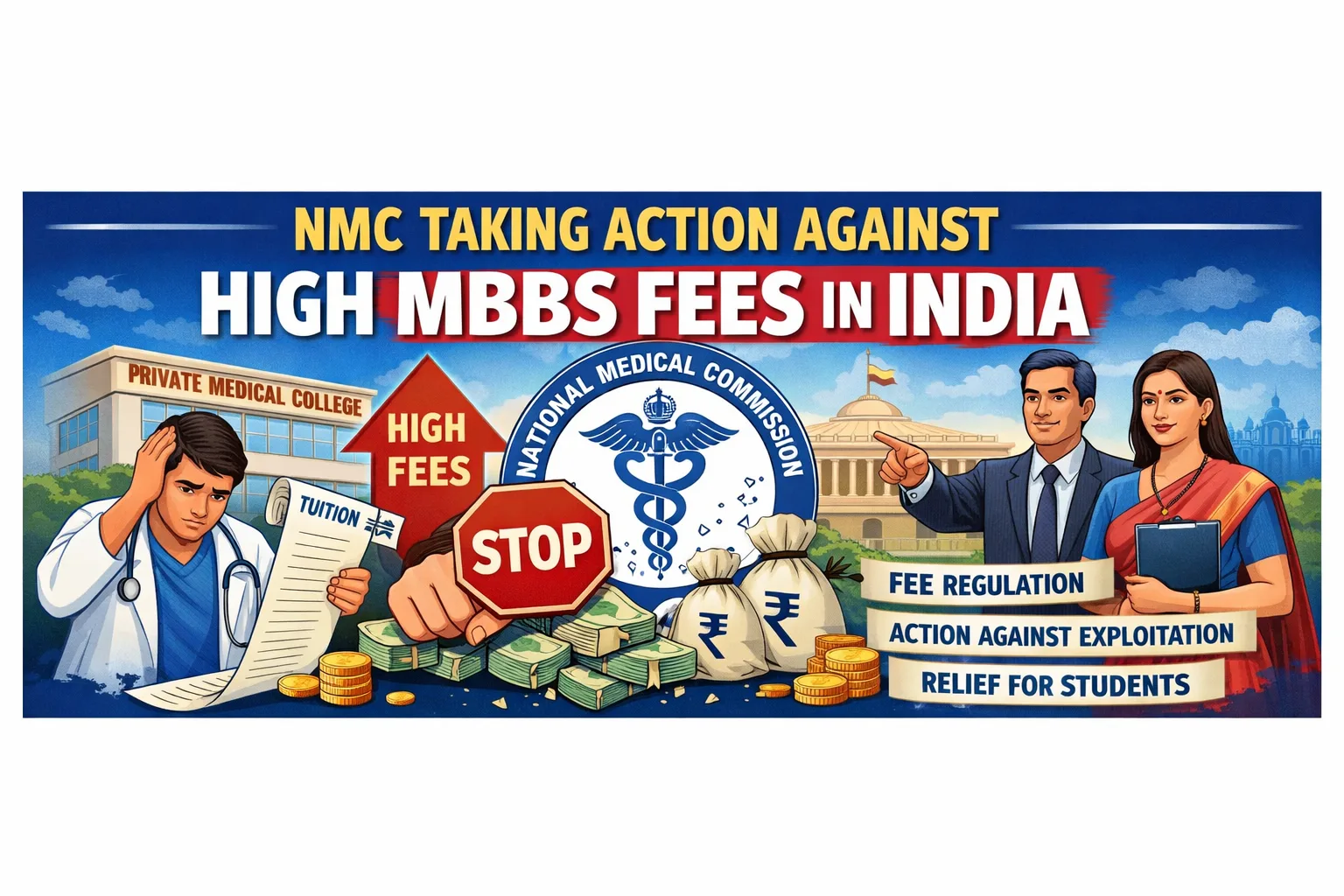
The Increased Cost of Medical Education in India In the last ten years, private medical colleges have increased their fees significantly which made MBBS education unaffordable for many deserving candidates. Enter the National Medical Commission, who has stepped in with heavy-handed regulations to great applause regarding transparency, fairness and affordability of medical admissions.
MBBS Fees Increasing Issue
The MBBS fee in private colleges generally varies from ?50 lakhs to more than ?1 crore for the entire course. Besides college tuition, students also have to pay for hostel fees and miscellaneous charges — and in some cases, illegal capitation fees.
This commercialization of medical education has led to inequality, where only students with financial strength can occupy seats and that too ignoring merit. A number of aspiring NEET qualified students find it a loss for two reasons, either they have to give up on their dreams or turn to for studying abroad with the assistance of an mbbs advisor.
NMC’s Role in Regulating Medical Education
The Medical Council of India (MCI) was replaced by the National Medical Commission to implement reforms and boost accountability in medical education.
It has a mandate among others to regulate fees in private and deemed universities. As per guidelines set by the National Medical Commission:
- Half of the seats in private medical colleges must have fees regulated in a manner akin to government colleges
- Fee structures must be transparent and publicly disclosed
- Colleges can’t charge fees that are hidden or unauthorized
These steps were aimed at making MB BS education more accessible and fair.
Why NMC Cracking Down High Fees
Ensuring Equal Opportunity
Medical education must not be dependent on whether one has a bank balance. High fees prevent talented students from middle and lower-income families from accessing financial aid.
The National Medical Commission is providing equal opportunities to all aspirants by regulating the costs.
Preventing Capitation Fee Practices
Many private colleges have faced accusations of charging illegal capitation fees. Such dishonest practice devalues application fairness.
Such activities can be curbed and transparency ensured through the strict monitoring of the National Medical Commission.
Promoting Transparency in Admissions
Confusion and exploitation with hidden charges and mysterious fee structures is common. Colleges must mandatorily disclose:
- Tuition fees
- Hostel charges
- Additional costs
And that helps students make knowledgeable choices about their careers.
Reducing Financial Burden on Students
MBBS at exorbitant fees leading families to life long debt. As the National Medical Commission takes steps to regulate fees, education is becoming more affordable and less financially burdensome.
Effects on Students and Study Abroad Opportunities
The high cost of education in India has led many students to consider international education. Avoiding expensive countries, tourists have flocked to places like Georgia where they may be less known but cost of living is low and food tasty.
Georgia for MBBS is an example where students get quality education, modern infrastructure and access to innovative English-medium courses at a fraction of the cost asked by private colleges in India.
Meanwhile, students need to verify the authenticity of their selected University with the World Directory of Medical Schools as Universities listed in this directory are recognized by World Health Organization and only then would a degree be accepted at global level.
Global Standards, Medical Recognition
Organizations such as the World Health Organization create international standards of medical education to promote global health care.
Likewise, the World Directory of Medical Schools has a detailed list of approved medical schools worldwide. This assists students in gauging if a university is on par with international standards.
In India, the National Medical Commission regulates medical education to ensure that both are in sync with prevailing global practices but remain affordable as well as of high quality.
Challenges in Implementation
Despite these reforms certain challenges persist:
- Private colleges trying to find their way around the regulations
- Enforcement may vary across regions
- Limited number of government seats
Long-term success requires continuous monitoring and stricter enforcement.
Conclusion
The listing of measures taken by NMC to control exorbitant MBBS fees is an important step towards fair, transparent and affordable medical education that needs to be acknowledged.
NMC is designing a system now where merit replaces money in importance by bringing costs down and ridding itself of dubious practices.
It is important for the students to stay updated, consider all the options and consult trusted sources such as a professional mbbs advisor and make wise career decisions.
Proper regulation and informed choices can make the future of medical education in India more equitable and globally competitive.