 Russia
 Belarus
 Georgia
 Kazakhstan
 Kyrgyzstan
 Uzbekistan
 China
China Nepal
Nepal Bangladesh
 Poland
 Romania
 Slovakia
 Hungary
 N. Macedonia
 Vietnam
 Canada
 Armenia
 UK
UK Australia
 USA
USA Ireland
 Germany
 New Zealand
 Italy
Italy France
 Singapore
 Netherlands
 Sweden
 Switzerland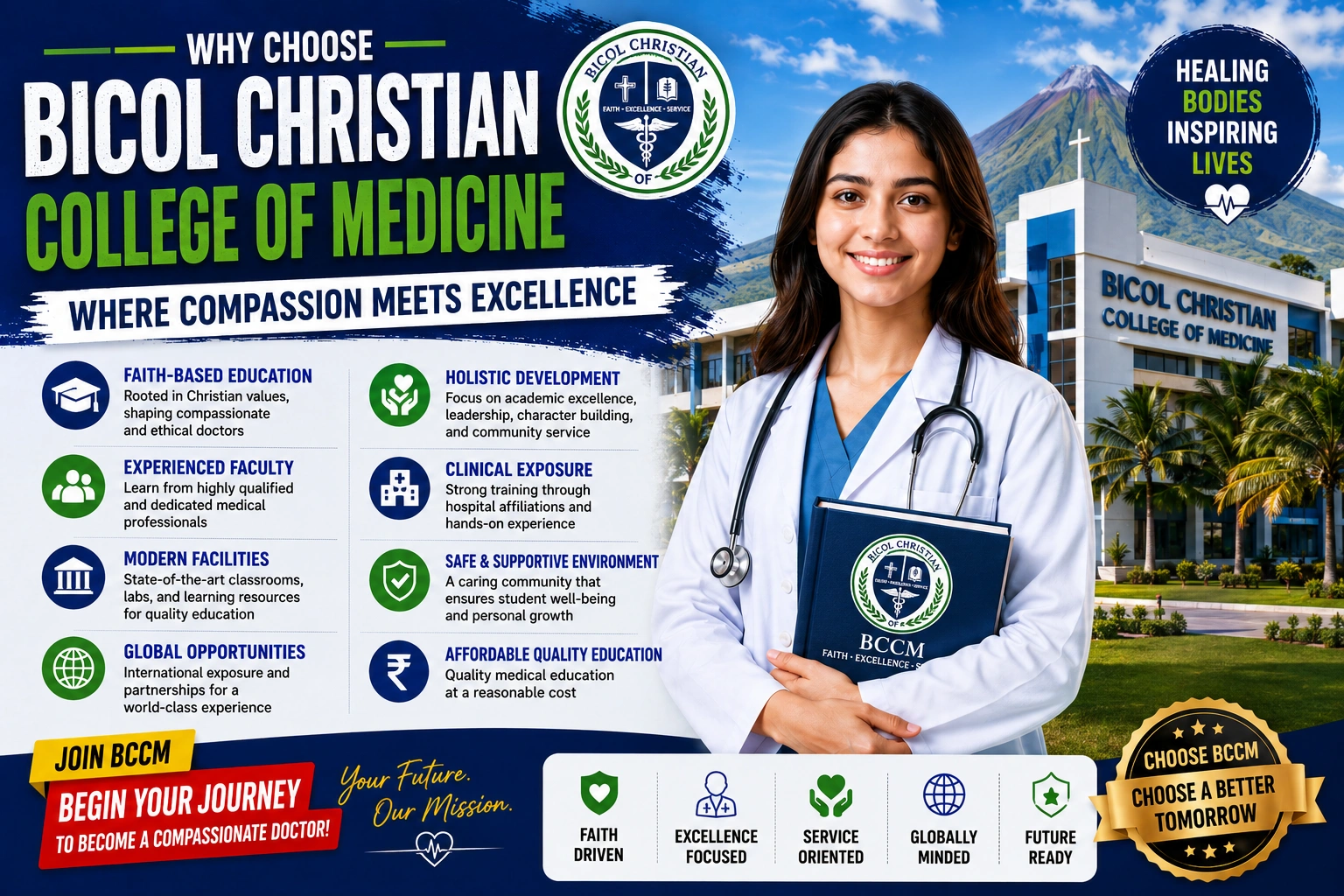
Pursuing a career in medicine is a large commitment and requires students to make important decisions, the first of which is choosing a medical school. There is an increasing competition for medical school seats in India, and due to this, students are looking for alternative options that have quality medical education and a structured academic environment. The Philippines is a favorable option for medical students because the medical education is in English and the healthcare systems have a considerable amount of Western influence.
One of the more popular options among medical schools in the Philippines is the Bicol Christian College of Medicine. The admission requirements for this school and the school’s accreditation are essential factors that students need to consider before applying. Students should be informed of the school’s curriculum, tuition, and the school’s recognition for the student’s future career plans.
The cost of tuition and advertising should be of little consideration for Indian students when choosing a foreign medical school. Students should determine the current regulations set forth by the National Medical Commission, and determine if the institution is listed in the World Directory of Medical Schools, and understand the implications for medical practice in India should they choose to study at this institution.
Why Consider Bicol Christian College of Medicine?
Students wishing to pursue their medical education in the Philippines have a number of options, and Bicol Christian College of Medicine is one of them. Studying in the Philippines has the additional benefit of medical education being in English.
Studying medicine in an English-speaking country allows students to more easily attend lectures, learn from medical literature, and discuss topics pertinent to their course and clinical practice.
Foreign students are also attracted to English medium courses as they will be able to learn about different clinical cases and practice in different health care settings. Medical training goes beyond theory. Students are required to learn about different patient populations and the operations of different hospital systems and the ways doctors interact with and treat patients. Learning about different health care systems expands students’ clinical practice.
International students who want to pursue medical training in rural areas as opposed to congested urban areas will appreciate segregated medical education. It allows them to pursue their professional training with minimal distractions while allowing them to get accustomed to a new country.
Students are required to do their own due diligence. They need to verify the latest training curriculum, updated admission policies, tuition and fees, clinical training provisions, and the recognition status of the institution with official and relevant regulatory bodies.
Bicol Christian College of Medicine Fees
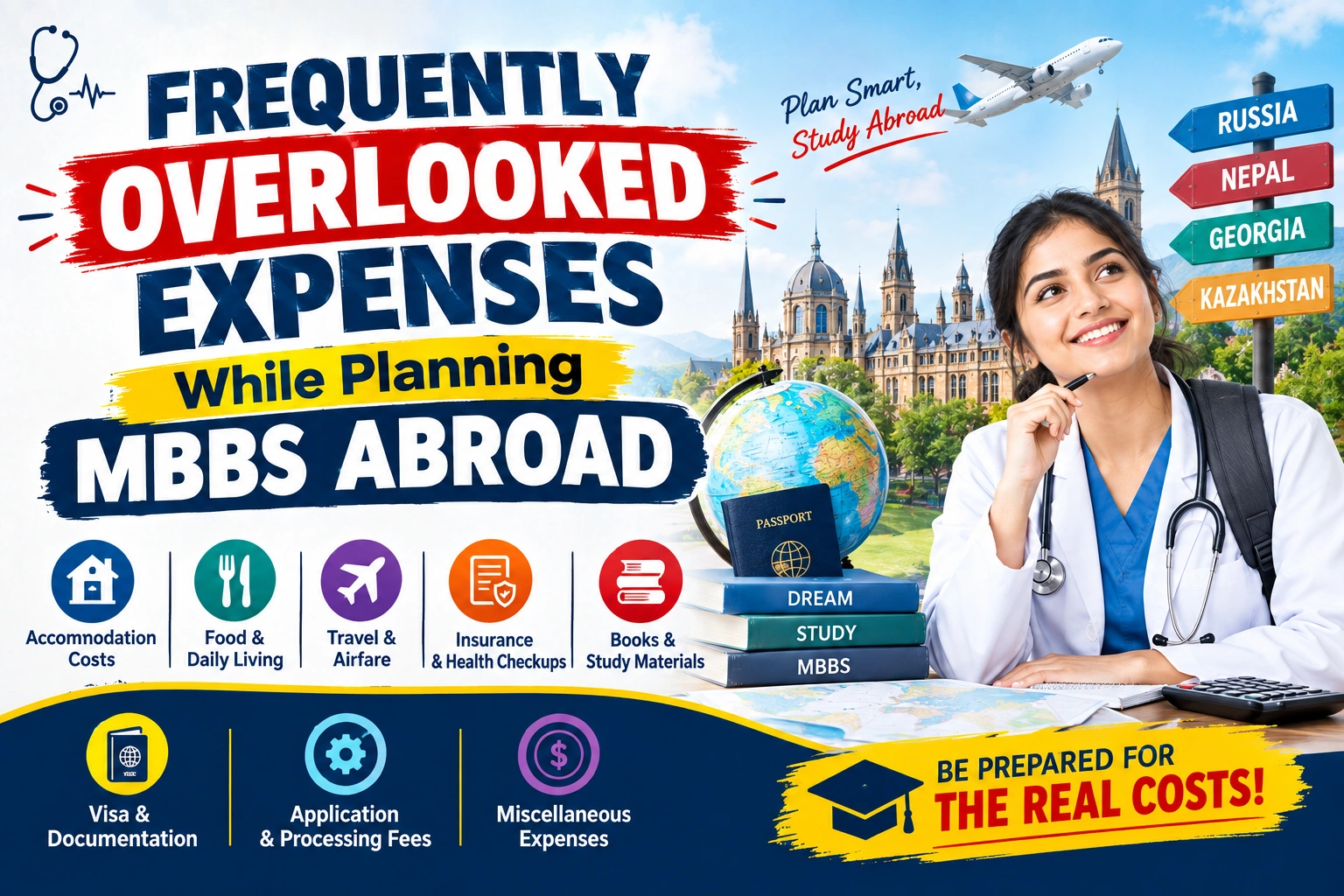
Students planning to study abroad need to consider all the costs that are associated with medical training. Many students only budget for tuition costs, but they also need to include university fees, accommodation, food, transportation, visa and insurance costs, books and other personal expenses.
Students looking to apply to Bicol Christian College of Medicine need to get the latest official fee directly from the college or an authorized admission channel, as fees change every year.
Students' academic levels, payment plans, and other fees may affect the total amount.
Projected Expense Categories
Expense Categories
Factors Students Must Consider
- Tuition Fees
Charges for academic costs paid to the college or university. - Admission Charges
Fees for applications, registrations and other fees charged by the institute - Accommodation
Cost for hostels or other private housing - Food
The cost for meals and groceries - Books and Equipment
Cost for tools, equipment and instructional materials - Visa and Documentation
Cost for a student visa and document processing - Travel
Cost for both local and international travel - Insurance
Health insurance or student insurance, if applicable
Students should obtain a written explanation of all fees before any payment is made. It is wise to ask if any other additional fees and academic charges are included in the quoted tuition.
For students who are comparing the international options for medical education, MBBS Advisor and other such platforms assist in reviewing multiple options in order to understand the key aspects prior to making an informed decision.
Admission Criteria
These requirements can differ based on the applicant's nationality, academic history and the admission category. It is important to verify this last information before applying.
Indian students must typically fulfill the requirements for overseas medical education as well as the requirements for overseas medical education. Students must have a strong understanding of the subject of Physics, Chemistry, and Biology, as these subjects are the foundation of medical education.
The primary criteria include:
- Having completed the required higher secondary education or equivalent.
- Having studied the relevant science subjects, including Physics, Chemistry and Biology.
- Having met the minimum academic and other requirements outlined by the relevant authority and by the institute.
- Having met the requirements related to age, if any.
- Meeting the Relevant Entrance Exam requirements for Indian students.
Indian students aspiring to study abroad for their medical education need to qualify NEET as per the applicable regulations in India. Students need to be aware about the amendments issued by the concerned authorities from time to time prior to their application.
Students aspiring to study medicine can use NEET Rank Predictor to predict their rank and explore the available options for studying medicine. However, the rank predictor is just a tool to predict the rank and is not to be considered a tool to guarantee admission.
Requirements for Admission
The process of documenting evidence for admission to an international medical school is of utmost importance. Students need to be adequately prepared for this process, as some certificates will need to go through the verification and/or authentication process, or have some other administrative formalities done on them.
The following documents may be required:
- Mark sheet and Certificate of Class 10.
- Mark sheet and Certificate of Class 12.
- Passport.
- Birth Certificate, as applicable.
- NEET Score card and Evidence of Qualification.
- Passport size photographs.
- Medical Fitness Certificate, as applicable.
- Police Clearance Certificate and/or other documents, as per the applicable requirements.
- Transcripts and any other documents in support of application.
Students must ensure that all details are and will remain consistent across all documents, as they will delay admission, the Visa, and other processes while studying.
The Admission Process in Bicol Christian College of Medicine
The admission process starts with research on the institution and the eligibility criteria the applicant must satisfy. Students must not rely on unofficial or verbal assurances while making their admission related decisions, and must check all other relevant information using the official channels.
Step 1: Verify Eligibility
The first step involves reviewing the academic requirements relevant to the applicant’s nationality and the respective subject requirements.
Step 2: Preparing Documents
Students need to assemble their academic certificates, ID documents, passport copies and any necessary documentation. All documentation needs to be legitimate, clear and well organized.
Step 3: Application Submission
Once the application form is completed, students may first need to submit supporting documentation in order for their application to be evaluated. The institution will undertake a preliminary review of the applicant’s academic history and other eligibility checks.
Step 4: Notification of Admission
Students will be issued admission/acceptance documentation if their application is approved. Students need to review this documentation before incurring any substantial expense.
Step 5: Visa and Travel Procedures
There are statutory immigration and visa requirements that need to be fulfilled for international students. The exact requirements will depend on the prevailing legislation in the Philippines and the student’s country.
Step 6: Final Enrolment
Students will need to comply with the additional requirements set forth by the institution to complete enrolment.
Academic and Clinical Exposure
Medical education requires the integration of theory and practice. Students need to review the extent and how the institution organizes the clinical training within their program.
The quality of clinical exposure is vital. Future physicians require practice in interacting with patients in a controlled environment. Students need to inquire about the associated teaching hospitals, clinical rotations, patient engagement, teaching hospitals and the instructional design of clinical training.
Students need to consider that pursuing medical education abroad involves adapting to a different culture and varying levels of clinical and academic engagement.
Regular attendance and engagement in academic and clinical activities increase the likelihood that students who develop consistent study habits will take full advantage of the international learning opportunities available to them.
Is Bicol Christian College of Medicine a Good Fit for Indian Students?
Whether it is a good fit or not will depend primarily on the student. Goals, potential budgets, and desired future career plans all must be considered. Students looking to study MBBS Abroad are advised to weigh various aspects of the institutions or countries on offer rather than making a decision based solely on the location or costs of the college.
Indian students are advised to consider:
- The prevalent applicable regulations.
- Recognition status of the qualified institution.
- The length and structure of the study program.
- The arrangements for clinical studies.
- The overall cost of their studies.
- Costs of housing and daily living.
- The requirements to practice after obtaining their degree.
- Where they intend to practice medicine after their degree, in India or elsewhere.
When considering the standards of medical education and healthcare services of other countries, students should also refer to official reports published by the WHO and the medical regulatory authorities.
Why Study Medicine in the Philippines?
A focus on the English language in higher education is an advantage of studying in the Philippines. Not having to adapt to a new language as a barrier to education is a major benefit.
The Philippines is also an attractive option for students who wish to continue studying in an English-medium environment while gaining exposure to a new healthcare system.
What to Look Out for Pre-Admission
The utmost care and attention should be exercised by the student before confirming their acceptance of a place to study.
Medical schooling is a substantial financial and academic investment, and therefore, each detail needs to be confirmed in writing.
Students should confirm the following:
- The most recent tuition and the entire cost structure.
- The length of the medical program.
- The most recent admissions requirements.
- The arrangements for clinical training.
- The recognition and listing of the institution.
- The rules for Indian students.
- The eligibility for future licensing examinations.
- The policies for refunds and withdrawals.
Students should be cautious of statements like “guaranteed license” or “guaranteed practice” or “guaranteed admission.” There is no guarantee of any licensing, regulated by a medical board, and students will have to meet the requirements post-graduation.
Career Options After Studying Medicine Abroad
There will also be various career options based on the foreign medical program, country of citizenship, and the student’s goals. Indian students who wish to practice in India will have to meet the requirements set by the Indian medical regulatory authority and work within the limits of the Indian medical licensing regulations.
Others will have a multitude of opportunities based on postgraduate studies, research, and the pathways of foreign medical licensure. The outcome of the career will be based on the regulatory requirements of the country, competency and skills of the student, and the assessment of clinical practice.
This illustrates the importance of considering the career options prior to the studies, rather than at the time of seeking medical licensure.
Conclusion
Bicol Christian College of Medicine is one of the options students may consider who are looking for opportunities to study medicine in the Philippines. An English-medium education and the ability to study in a foreign country may provide options for students, in particular Indian students, to work in the field of medicine.
Choosing a medical school should be based on verified knowledge and not promotional information.
Students need to look carefully at the new fees and also the eligibility criteria, the admission process, clinical training, institutional status, and future licensing needs.
Also, Indian students need to check the updated NMC requirements as well as the NEET requirements. Students can look at options carefully and take guidance from MBBS Advisor to help choose the best path regarding their medical education.