 Russia
 Belarus
 Georgia
 Kazakhstan
 Kyrgyzstan
 Uzbekistan
 China
 Nepal
 Bangladesh
 Poland
 Romania
 Slovakia
 Hungary
 N. Macedonia
 Vietnam
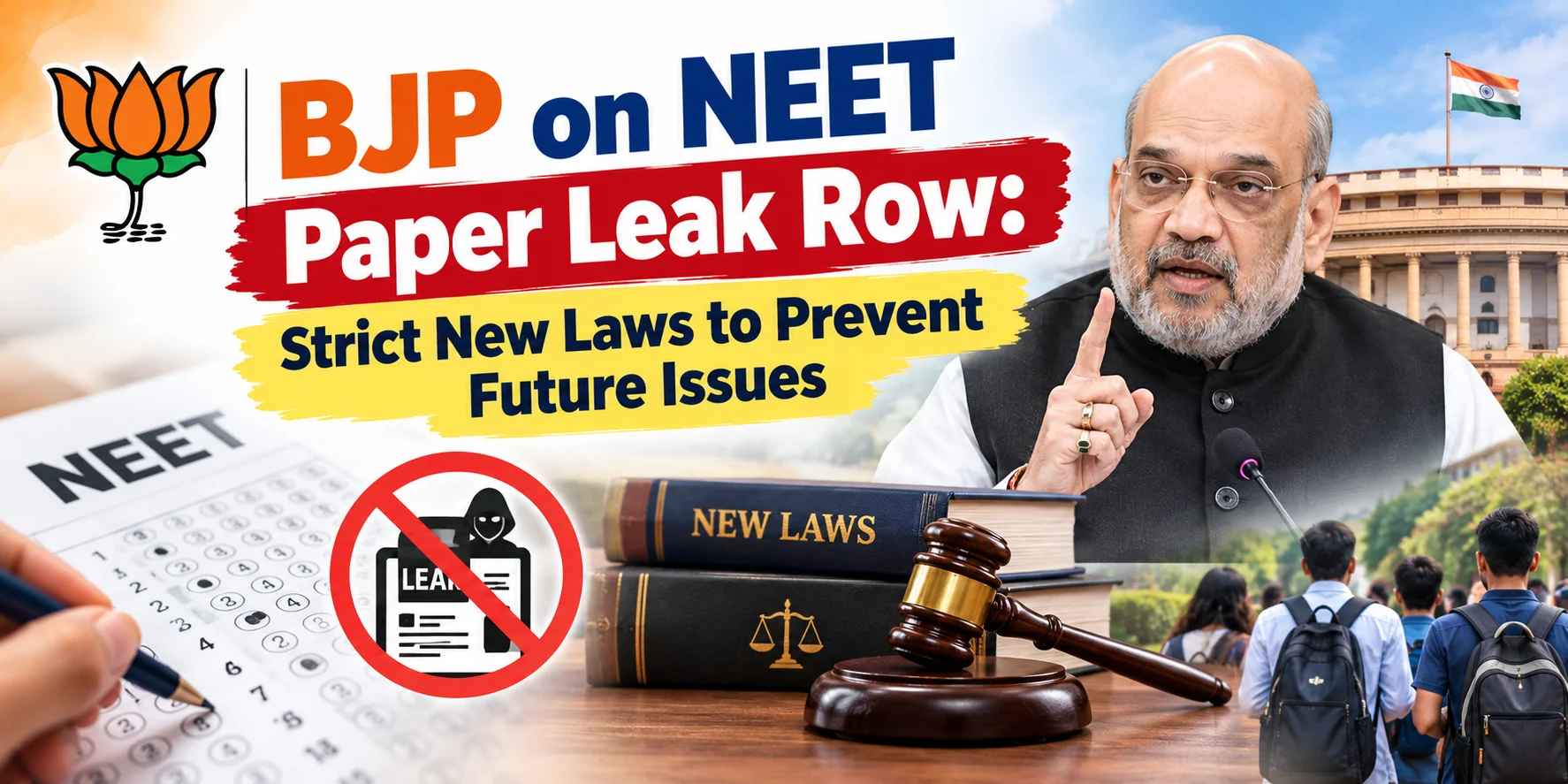
The NEET paper leak has raised many concerns for medical aspirants across the nation. This can leave students feeling extremely frustrated if they have been preparing for 2-3 years for their exam and there is a chance they could have been leaked. As well as causing frustration for students, parents can also feel concerned about the money they have spent on coaching fees, hostels and travel to gain them an MBBS seat. The BJP-led central government has been heavily criticised by the controversy. To combat this, they have put in place stricter laws to prevent paper leaks and organise examination related crimes. However, what does this really mean for students? It is useful for medical aspirants to know what changes have been made.
What was the NEET Paper Leak Controversy?
The NEET-UG 2024 exam has caused one of the biggest exam controversies recently. The exam was conducted by the National Testing Agency on the 5th May 2024 and allows candidates to gain entry onto undergraduate medical courses. Over 2.4 million candidates registered for the exam so it was very important that everything ran smoothly. There were concerns over paper leaks, issues at certain exam centres and giving grace marks to some candidates. There were also a large number of perfect scores which raised concerns.
Whilst the NTA tried to defend some parts of the exam, students, parents and political parties wanted answers. The Supreme Court looked into various petitions relating to the exam. When taking a competitive exam it is very important that everyone is given the same opportunity. If confidential exam papers have been leaked then honest students may miss out on opportunities despite properly preparing.
BJP Government Response
The central government has taken action to address concerns over the exam. This includes administrative actions, investigations and new laws. The controversy has also caused the NTA to be scrutinised. In June 2024 it was announced that a committee would be set up to look into recommendations for improving the exam. The committee will be led by former ISRO chairman K. Radhakrishnan. The committee will investigate areas such as exam security, data and procedures. New officials have also been appointed and restructured to manage the controversy. Investigative bodies have also looked into any potential criminal activity.
However, whilst new laws have been put in place, this doesn’t necessarily mean that exam security will improve. New laws can be set in place to establish what crimes can be committed and what the punishments are. However, there needs to be secure printing, transport, reliable systems, trained staff and fast responses to suspicious activity.
What Has Changed with the Public Examinations Act 2024?
One of the biggest changes has been the Public Examinations (Prevention of Unfair Means) Act 2024. This was passed by parliament in February 2024 and came into effect on the 21st June 2024. This law has been put into place to address organised cheating, paper leaks and other unfair practices in public exams. This affects exams run by the National Testing Agency.
Key Points of the New Law
This law makes various exam malpractices a criminal offence. This includes organised cheating, unauthorised access, tampering and collusion.
|
Offence |
Meaning |
|
Imprisonment |
Those committing the offence will face 3-5 years in prison. |
|
Fines |
Individuals can be fined up to 10 lakh rupees for the offence. |
|
Organised crime |
Those committing organised crimes will face 5-10 years in prison and a minimum fine of 1 crore rupees. |
|
Service providers |
Examination service providers can face penalties. |
|
Investigation |
This law sets out ways to investigate the offences. |
The exact penalty will vary depending on the offence and the law being applied. The law also looks into different categories of malpractice, meaning not all examination issues will be seen as the same crime. Overall the fines are quite hefty. The minimum fine of 1 crore for organised offences shows a clear message that there will be consequences for cheating in exams.
Is the Law Applicable to NEET?
Yes! NEET-UG is run by the NTA which is included in the Public Examinations (Prevention of Unfair Means) Act 2024. This means any offences will face the penalties set out in the law. There may also be other criminal laws applicable. It is important to note that this law does not guarantee that there won’t be a paper leak. However, there will be a more robust legal system in place for certain malpractice.
How Will Stricter Laws Help Prevent Future Paper Leaks?
Laws work best when there are security measures. To prevent paper leaks in NEET there need to be steps put in place well before candidates take their exam.
Some ways to create a more secure exam are:
- Secure question papers: Limit access to confidential information and keep track of who has accessed them.
- Secure exam centres: Ensure staff have valid credentials, monitor sensitive areas and ensure exam rules are followed.
- Secure systems: Keep exam data, login details and confidential files safe.
- Fast investigations: Quickly identify suspicious activity and ensure evidence hasn’t been lost.
- Accountability: Look into the responsibilities of service providers.
- Communication: Keep students informed with accurate information.
Paper leaks rarely cause a big issue in the public eye. It is therefore important to ensure that there are secure measures in place, staff are following the correct procedures and there are secure systems.
What Does This Mean for NEET Aspirants?
This can affect students in many ways. They will need to decide how to prepare for their exam, what to do with counselling, what college to go to and how this will affect their family financially. Candidates should continue to prepare for their exam using the official syllabus and exam format. Keep your documents to hand and check the official NEET website for updates. If you see any information relating to exam dates, answer keys, results or counselling ensure it is an official announcement. Avoid paying anyone who promises you a guaranteed rank, access to confidential papers or a guaranteed medical seat. This can result in you losing out on money and facing legal issues.
The National Medical Commission (NMC) publishes information relating to medical education in India. Check their website to find out what regulations apply. If you are looking to compare medical education options, the MBBS Advisor website can help you start your research. Always check with the relevant authorities to confirm you are eligible, what the fees are, if the college is recognised and what the admission requirements are.
Can Students Study MBBS Abroad After NEET?
Yes! However, this should be considered as a separate educational choice. Indian students wanting to gain admission to a foreign medical institution must qualify for NEET where required by the relevant Indian rules. You should also check the National Medical Commission’s Foreign Medical Graduate Licentiate Regulations 2021 and any applicable rules.
You should carefully consider whether the foreign university is recognised, what the course is like, clinical experience, what language is used and what the internship will be like. The World Directory of Medical Schools (WDOMS) can help you find medical schools. However, just because a school is listed doesn’t mean it will meet the requirements in India.
The World Health Organization (WHO) provides global health information. However, just because a school is associated with the WHO shouldn’t be considered as a replacement for checking current medical education rules in India.
Important Factors to Consider When Choosing a Foreign Medical College
|
Factor |
Consider |
|
NEET eligibility |
Check that you are eligible for the NEET requirement. |
|
Length of course |
Ensure the course and required internship meet the applicable Indian regulations. |
|
Cost |
Tuition fees, accommodation, food, insurance, travel, visa fees and any other mandatory fees. |
|
Clinical experience |
Ensure you will get hospital experience, working with patients and what language will be used. |
|
Registration |
Ensure the qualification and training will meet the requirements. |
The cost can vary greatly between countries and universities. Be wary of any low tuition fees as they may not include accommodation, insurance or other mandatory fees. Request a detailed list of fees in writing.
Why Transparency Is Important in Medical Education
Medical education takes years of dedication. Students will be spending a lot of time, money and effort before they start seeing patients. It is therefore important that admissions are fair. Having a transparent NEET system will help candidates understand how their rank is calculated, how answer keys are handled, what happens with any complaints and how counselling decisions are made. It will also help families plan their finances without having to worry about rumours.
The Public Examinations Act provides a legal system to punish certain malpractice. However, this will only be effective long term if there is enforcement, accountability and improvements to the exam. The BJP-led government has announced strict penalties but it will be important to see if there are visible improvements to exam security and students are receiving timely and credible answers.
FAQs
1. What law has been introduced in India to prevent exam paper leaks?
The Public Examinations (Prevention of Unfair Means) Act 2024 has been introduced to address certain cheating, paper leaks and organised malpractice.
2. When did the Public Examinations Act 2024 come into effect?
This came into effect on the 21st June 2024.
3. Is NEET-UG covered by the new law?
Yes! The National Testing Agency is one of the exam bodies covered by the law. Any offences will face the penalties.
4. What is the punishment for organised paper leaks?
Certain organised exam offences can face 5-10 years in prison and a minimum fine of 1 crore. The actual charges and punishment will depend on what has been proven and the applicable laws.
5. Should students stop preparing for NEET?
No! Continue to prepare using the official syllabus and ensure you are consistently preparing. Check the NTA official website for any announcements. Don’t let unverified social media posts affect your exam preparation.
6. Can Indian students study MBBS abroad after qualifying NEET?
Eligible students can consider studying abroad. However, you should check the applicable NEET requirements and Indian regulations for foreign medical graduates. Ensure you check with the relevant authorities to confirm the institution, course, clinical experience and registration requirements.
Conclusion
The NEET paper leak controversy has shown how damaging exam issues can be to students. A new law has been introduced to increase the penalties for certain offences including organised exam cheating. Whilst this is a big legal change, it will also be important to ensure secure exam processes, consistent enforcement and transparent communication.
NEET aspirants should focus on preparing for their exam and following official announcements. When making medical admission decisions ensure you are using verified information. If you are considering Indian or overseas colleges ensure you compare the total cost, eligibility and applicable recognition requirements. For more information on medical admission routes visit the MBBS Advisor and double check any important decisions with official exam and regulatory sources.