 Russia
 Belarus
 Georgia
 Kazakhstan
 Kyrgyzstan
 Uzbekistan
 China
China Nepal
Nepal Bangladesh
 Poland
 Romania
 Slovakia
 Hungary
 N. Macedonia
 Vietnam
 Canada
 Armenia
 UK
UK Australia
 USA
USA Ireland
 Germany
 New Zealand
 Italy
Italy France
 Singapore
 Netherlands
 Sweden
 Switzerland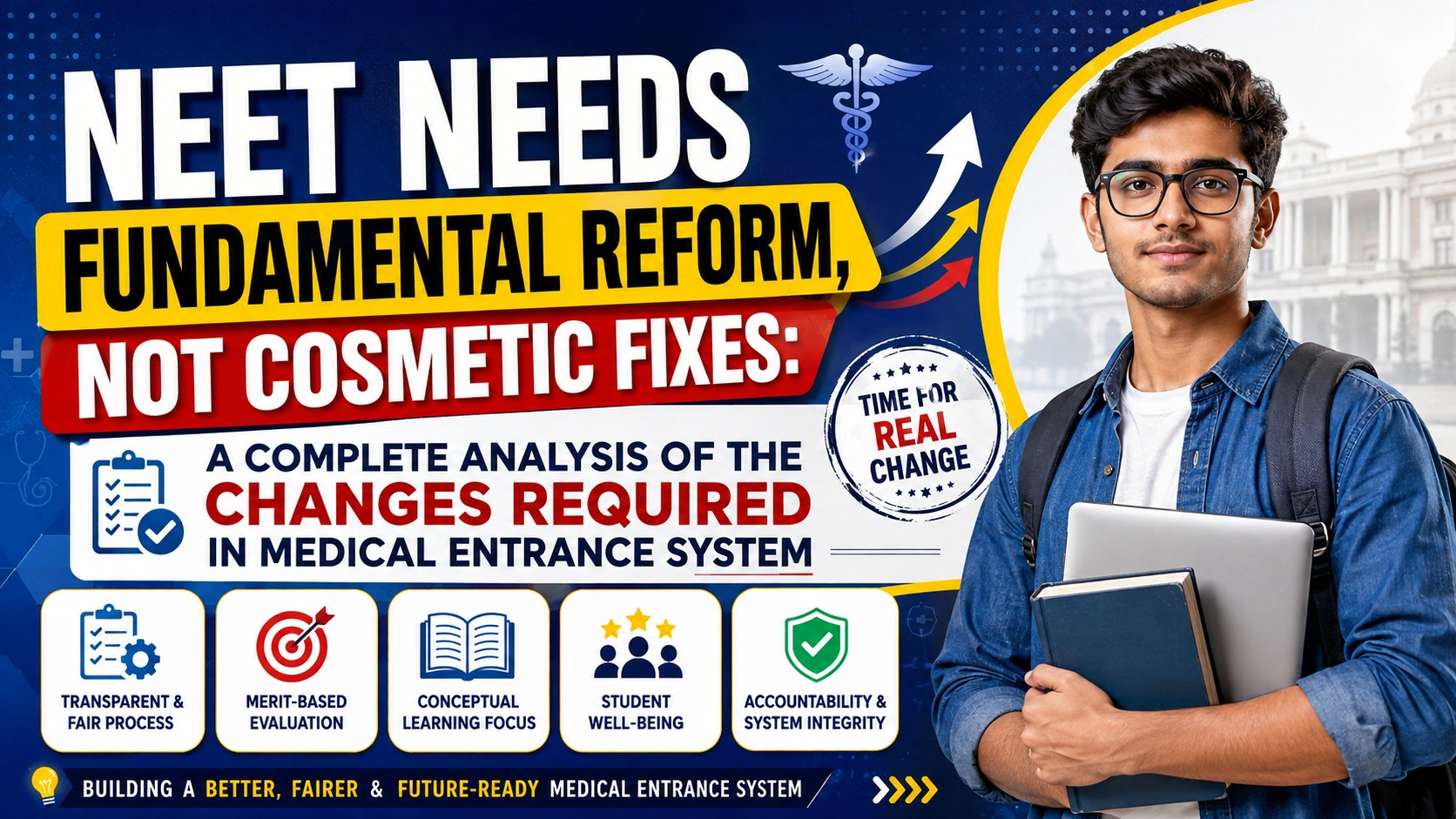
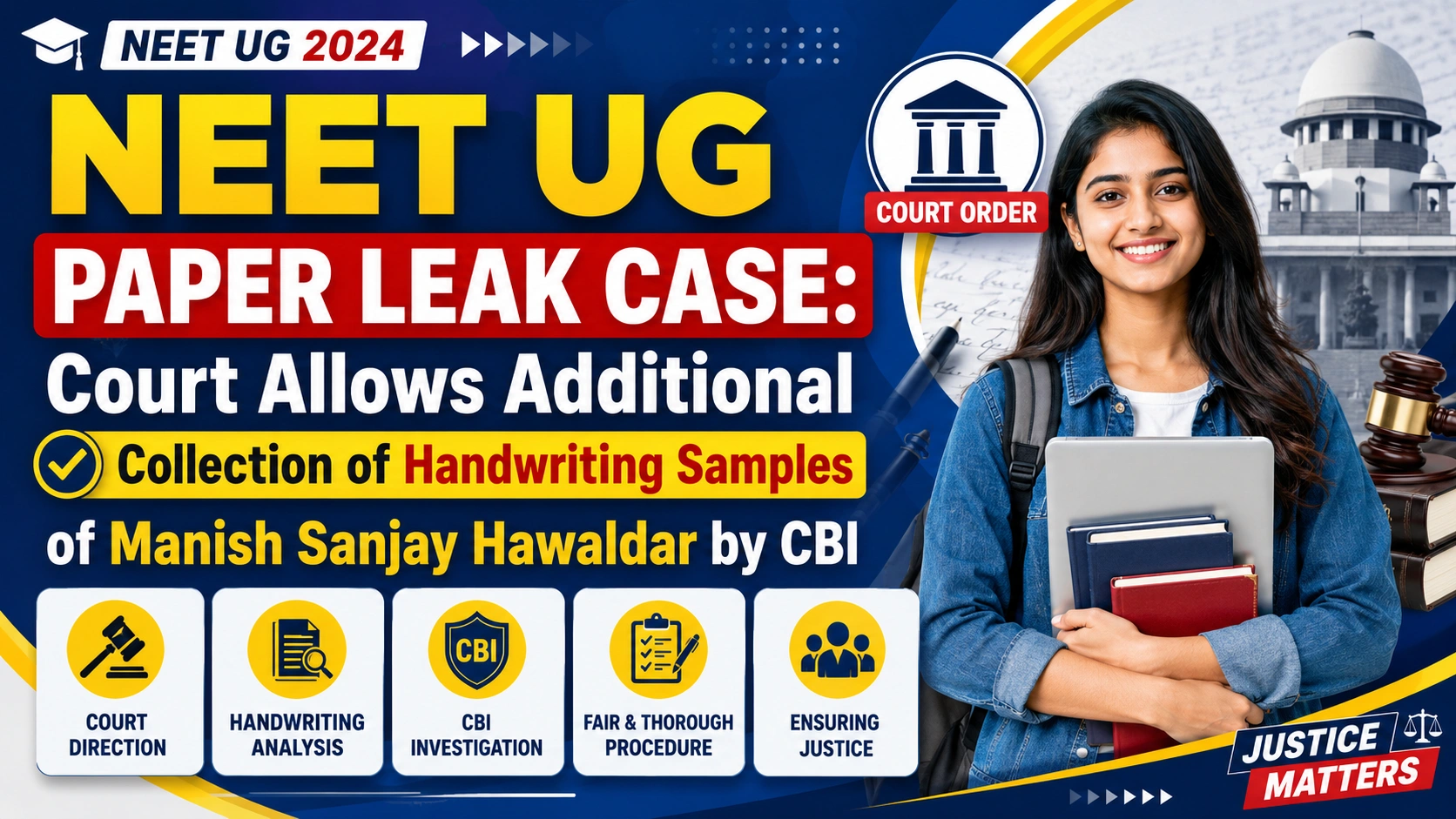
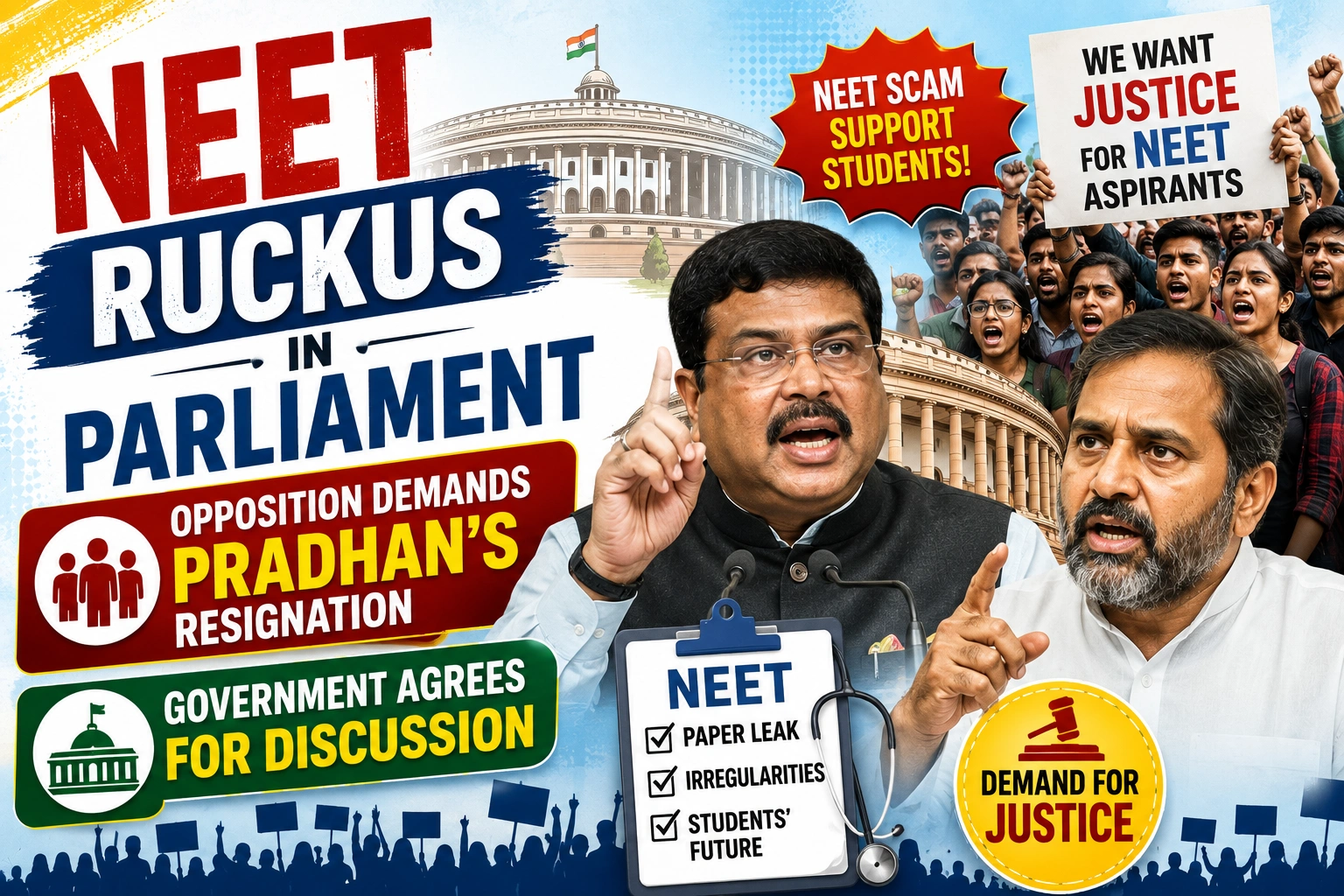
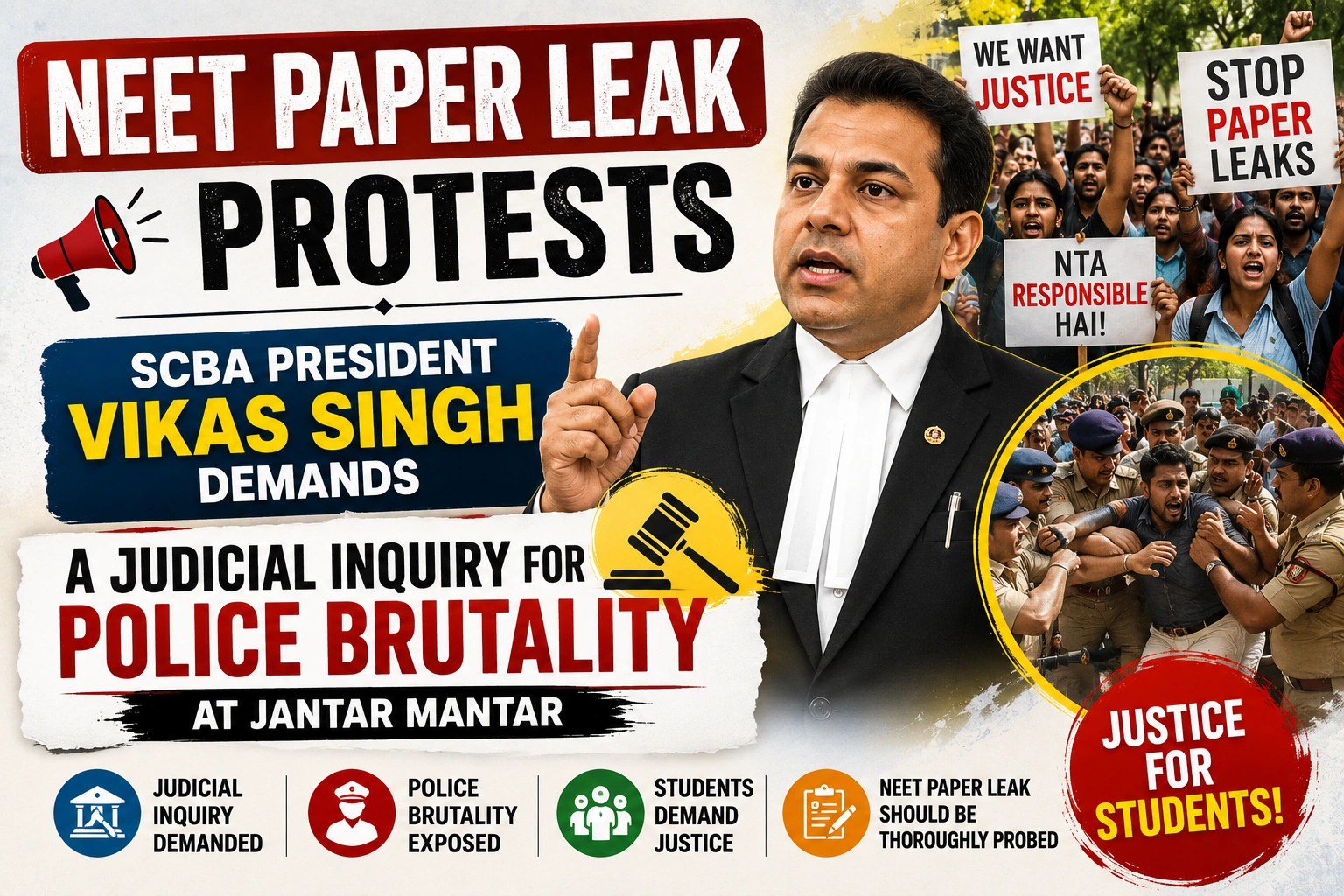
NEET is the single entrance exam for millions of students applying to medical schools across all of India. NEET has a significant impact on students’ careers. However, there have been many issues surrounding the exam with things like leaks, irregularities, and competition, to name a few. Several of these problems make it difficult for people to determine the boundaries of the issues with the current system, and what more it needs.
We are not calling for quick fixes and minor tweaks. People demand systems that can ensure fairness, transparency, and trust. A trustworthy examination system is critical to the quality of the healthcare workforce of the future. MBBS Advisor, and other similar resources, help students prepare for NEET. These students need a system so their hard work is assessed fairly and securely.
Why NEET Needs Fundamental Changes
Prior to the implementation of NEET, there were a myriad of tests for numerous medical school entrances. States and private institutions conducted their own tests. This resulted in a myriad of evaluations and admission processes. A sole national level exam eliminated this problem of differing processes.
With time, the number of candidates grew so dramatically that it resulted in unprecedented levels of competition. Thousands of students can be negatively impacted by a single error or irregularity in the examination process.
The main problems with NEET are:
- Exam security and stopping the leak of documents
- Transparency in result compilation and ranking
- Dealing with extremely high scores
- Effective systems for addressing student grievances
- Fair participant counseling
- Minimizing stress on students
These examples show that some improvements in one section of the system will be inadequate. The system as a whole needs substantial reworking.
NEET Transparency Calls for Reexamination of the Entire System
Transparency is essential for any competition. Preparing for NEET takes years, and therefore, clarity on every step of the process is essential.
The examination body must focus on:
- the security of the question papers,
- systems of digital monitoring,
- strict verification at the center level,
- independent audits of the examination procedures,
- swift resolution of student complaints.
Transparency will build confidence in students and parents. The examination process should ensure every candidate gets an opportunity regardless of his/her location, financial status, or coaching.
For NEET participants, understanding the trends and patterns of admissions, clear-cut cutoff ranks, and the generally expected ranks, in addition to understanding the competition on the basis of the performance of previous years, is essential for them. The NEET Rank Predictor facilitates just that.
Recent Leaks Point to Where and How the NEET Security Was Compromised
This year has exposed the inadequacies in the NEET exam system most prominently through the numerous paper leaks. Honest students preparing for years are ruined due to the leaks.
A major reform should create a multi-tiered security system. This could consist of the following measures:
- Use of advanced encryption techniques for question papers.
- Real-time tracking of question paper movement.
- Enhanced verification of examiners.
- Use of technology for detection of suspicious activities.
An examination at the national level that involves many lakhs of candidates, requires security that equals the high security systems. Any leak in the security process can diminish the credibility of the whole examination.
Improved NEET Ranking and Evaluation System
The ranking process has a huge impact on the choice of college for an aspirant, even if he/she scores slightly more or less than the cutoff mark. Hence, evaluation needs to be clear and precise.
Students face confusion about:
- Norman’s and other methods of breaking ties.
- Answer key challenges.
- Procedure of calculating results.
Authorities conducting the exam should publish clear ranking guidelines and provide justification for ranking methods, prior to the exam.
An efficient evaluation system will assist students to make prudent decisions for MBBS admissions within India and overseas. Many students, after evaluating overseas options, also research MBBS abroad opportunities that are facilitated by NEET qualification and international medical education regulations.
Lessening Pressure on Students Through NEET
With NEET, students are forced to compete for limited medical seats offered by the government. Excessive competition leads to severe pressure, which is not healthy.
In addition to the concerns related to examination, major systemic reforms are needed in the entire field of medical education.
Some improvements could be:
- Increasing high-quality medical colleges
- Increasing government medical seats
- Improving healthcare education
- Enhancing education career guidance
- Expanding the goal of each factor rather than relying on a single exam to thousands of young students.
Role of Regulatory Bodies in Strengthening Medical Education
The cooperation of examining bodies and regulatory organizations is necessary for a good medical education system. One of them is the National Medical Commission (NMC) in India.
In the same manner, the recognition of medical institutions abroad and related organizations such as the World Health Organization (WHO) and the World Directory of Medical Schools (WDOMS) are related.
Stronger cooperation of examining bodies, regulatory, and educational institutions can create a better medical admission system.
Technology Based Reforms Can Improve NEET System
NEET will be safer and more effective with the help of technology. Digital solutions will help reduce human errors and improve control.
Some technology-based improvements in this regard could be:
- AI based examination center monitoring systems
- Secure digital document systems
- Automated verification systems
- Advanced data analysis for recognizing irregular systems
- Improved online grievance systems
Technology should be considered a tool to be used as a complement to proper administrative structure, whereas controls and accountability should remain the same.
Importance of Student Grievance System
While addressing student concerns on examination, answer key, and counselling issues poses several pains for students, a robust student grievance system helps build trust.
The process of reform should include the following:
- Specific student support domains
- Expedited time bound redress system
- Both the authority and the support system should ensure that the complaints are resolved within a time bound manner.
Review committees, constituted independently, can be set up to look into major disputes.
Students need to know that their concerns are heard and acted upon.
Reforming NEET should Focus on Permanent Solutions
Reforms should be looked into on a long term basis. Only then NEET can be made fair, safe, accessible and of quality.
Along with conducting the examination, the primary focus should be on developing a system which ensures a fair and unbiased identification of prospective medical professionals.
A reformed NEET should assure:
- Fairness throughout
- Transparent examination
- Strong security
- Clear cut policies
- Support to medical aspirants
Conclusion
NEET has helped unify medical admissions across the country.However, NEET should continually be improved based on the challenges the educational system faces, in order to build a medical education system which is reliable and of quality.Fundamental NEET reforms would ensure strategic advancement of medical admissions, and protect student interest and guarantee the integrity of medical admissions.A strong NEET framework will help current aspirants, but it also has the potential to create a more skilled workforce of doctors that strengthens India's healthcare system in the long run.