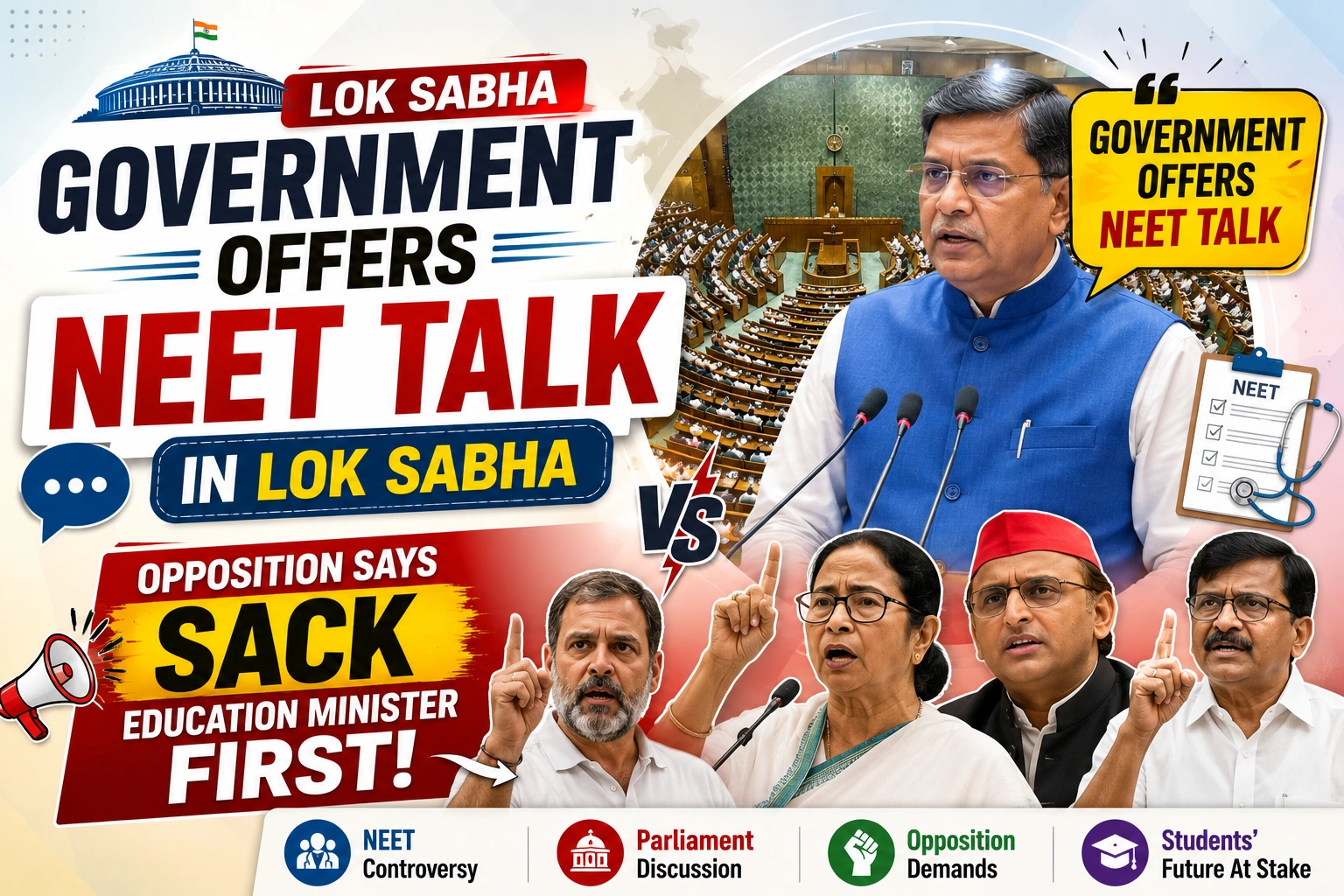
 Russia
 Belarus
 Georgia
 Kazakhstan
 Kyrgyzstan
 Uzbekistan
 China
China Nepal
Nepal Bangladesh
 Poland
 Romania
 Slovakia
 Hungary
 N. Macedonia
 Vietnam
 Canada
 Armenia
 UK
UK Australia
 USA
USA Ireland
 Germany
 New Zealand
 Italy
Italy France
 Singapore
 Netherlands
 Sweden
 Switzerland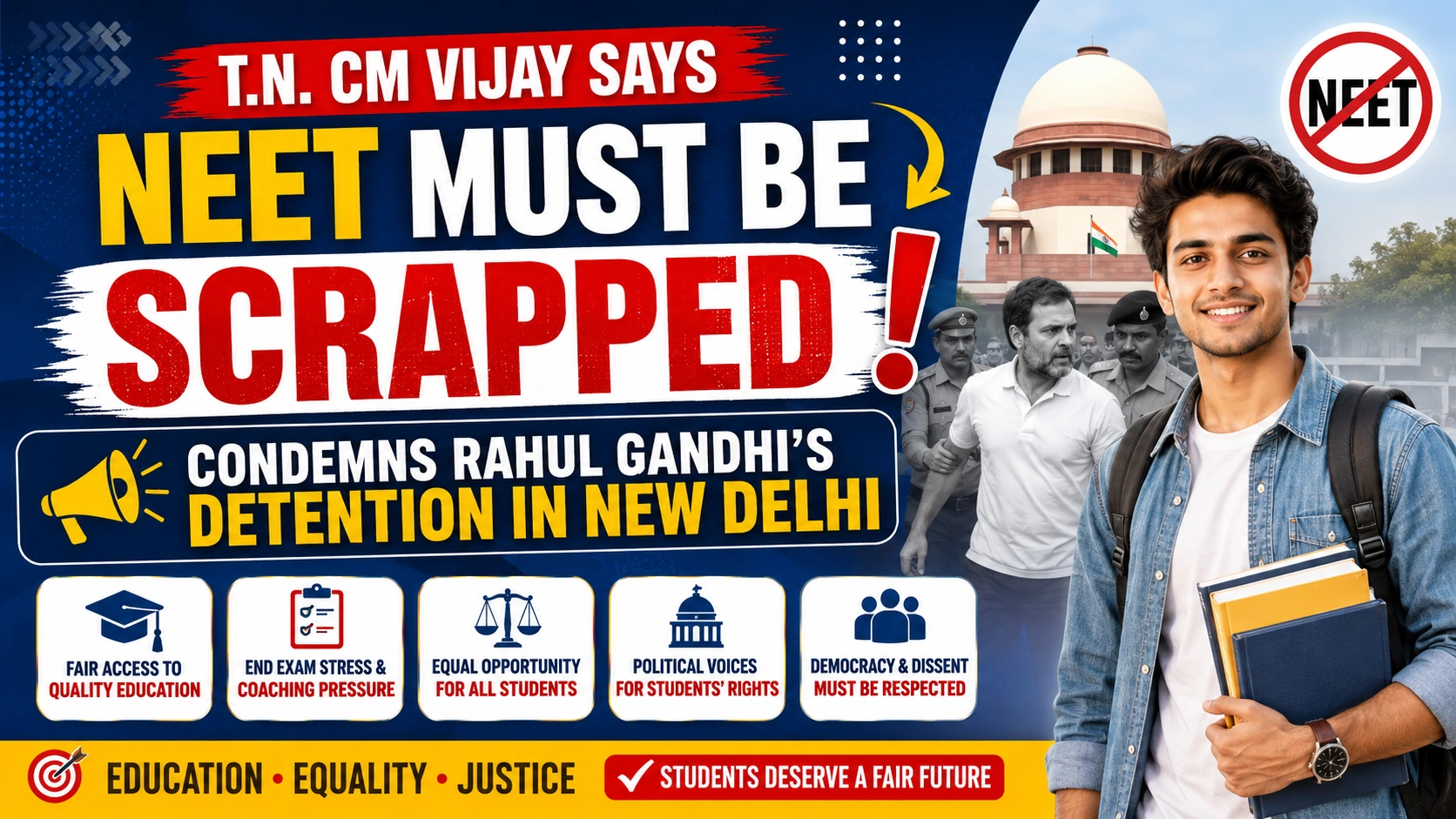
The National Eligibility cum Entrance Test (NEET), a concept that has been the center of several discussions in India’s education and politics sectors once again has Tamil Nadu Chief Minister Vijay discussing the problems faced by students from rural, remote, and economically backward regions as a result of this test. This was his response to Rahul Gandhi’s detention by Congress during their protest against the New Delhi administration’s negligence to the concerns of the students in relation to their rights and the various examination policies.
Almost a million students appear for this national medical entrance examination to compete for the opportunity of study to become a doctor. For these students, NEET is the most important examination of their lives. Most students rely on services and forums like MBBS Advisor for information about the process and counterupdate news regarding medical education and careers.
The controversies around NEET have started debates on equal opportunities, transparent examinations, the need for coaching, medical admissions, and the future of medical education.
Vijay’s Stand on Scrapping NEET
Tamil Nadu Chief Minister Vijay has been vocal that he is against the NEET system and believes that the system of NEET examination must be scrapped. He has commented that the NEET system has increased anxiety levels of the students. Furthermore, candidates who do not have access to quality coaching suffer the most.
Tamil Nadu is one of the states that has been the most vocal against the NEET system since it was first implemented.
Some state level leaders have expressed concern that a single national-level examination may not fully account for the many variations in educational levels across India.
Students in rural areas experience significantly different educational circumstances when compared with students in urban centers. It is argued that NEET has a negative impact on students from lower socio-economic status, as they are less able to afford the cost of the numerous attempts, as well as the specialized coaching, which the financially better off students are able to purchase.
In contrast, proponents of NEET appreciate the improved transparency and standardization that result from the implementation of a single centralized entrance exam for medical school. Again, proponents of NEET believe that it decreases irregularities in the admission process and allows peaceful competition for medical students from different states to occur under a single integrated admission process.
The Key Role of NEET In Medical Admissions
NEET is the principal examination for aspiring medical students in India for seeking admissions to undergraduate medical courses namely MBBS and BDS.
For all information regarding the detailed examination structure, the latest notification, the updated strategy for preparation of the examination as well as details of the other services offered - please visit NEET Guidance by MBBS Advisor.
NEET is needed, because medical seats in medical institutions in India are limited when compared to the number of applicants. A national level examination aims to provide a common selection process for students from different education boards.
The examination system also impacts students who wish to pursue a medical education abroad. For information on the education of medicine abroad please visit MBBS Abroad Information by MBBS Advisor.
Why Tamil Nadu has raised concerns against NEET
There are various arguments against NEET pertaining to access, equity, and disparities in education.
1. Challenges faced by rural and economically weaker candidates
Many questions and concerns about NEET are due to rural students competing against students who have the privilege of attending prominent coaching institutes.
Many schools in rural areas or small towns lack the infrastructure and educational quality required for the preparation of medical entrance exams, and students have to rely on the quality of school education.
When students require additional coaching to clear a competitive exam, it becomes even more difficult for the students from the financially weaker strata.
2. Excessively Commercial Coaching Institutes
The preparation of NEET has led to the opening of numerous private coaching institutes. Coaching may be helpful for students, but many consider it a burden for the family.
Many parents resort to financially draining coaching for their children under the assumption that professional guidance can get them a higher rank in exams.
3. Academic Burden on Students
The medical entrance exams are highly competitive. Many students and parents understand the pressure of competitive exams and the significant burden of stress. The demand far outweighs the supply.
Many educational professionals focus on the importance of a fair examination system for students and decreasing the burden of stress on students.
Rahul Gandhi’s Detention in New Delhi and Political Reactions
The detention of Rahul Gandhi at the New Delhi protest site created another discussion among the political leaders, as many condemned the detention. They expressed concerns on the limit of civil disobedience and the right of protest.
Tamil Nadu’s Chief Minister Vijay disapproves of the student’s arrest and states that this disruption is a violation of democracy and public interest.
Political parties create public protests on issues that impact their constituencies to include their demands for improved education, policies, exam systems, and student well being. The NEET agenda has been adopted by different parties who have opposing positions.
Regulations of Medical Education In India - NEET, NMC, and Medical Education Acts
The Medical education system in India is regulated by the National Medical Commission (NMC). The NMC develops regulations for all medical education and related activities and sanctions approval to medical institutions.
Students looking for an MBBS admission (Medical college) must verify the college recognition at the NMC site.
NEET was enacted with the aim to provide uniformity to the process of admission to medical colleges. Before NEET, there were multiple individual entrance examinations conducted by various states and organizations, which resulted in diversity to the admission procedures.
NEET’s introduction to the system has brought about transparency for some; however, the need of the hour for others is to continue to engage in the advocacy process to strive for accessibility and equity for the underprivileged students.
Recognition of WHO and WDOMS Relation for Medical Students
When planning to study medicine beyond your borders, it’s important to check international recognition and regulations. Some valuable information on recognition of international medical education is published by the World Health Organization (WHO) and the World Directory of Medical Schools (WDOMS).
Students are encouraged to verify medical university recognition and check all the requirements that will enable them to study medicine in those universities.
The World Health Organization (WHO) contains information regarding global health standards.
Students have the option to find medical school listings and institution information through the World Directory of Medical Schools (WDOMS).
For Indian students considering international universities, these checks are essential to understand how recognition will impact their chances of taking the licensing exams and gaining opportunities to practice medicine.
NEET Rank Prediction and Admission Planning for Students
After taking NEET, most students have the concern of understanding how they are likely to perform and what their chances of admission would be. Rank prediction tools can give the student the likely placement based on their marks, category, and previous years trends.
NEET Rank Predictor is one of the resources available to students to understand their predicted rank and likely counselling college.
Although the tools cannot give an accurate rank position, it helps students understand how they need to prepare for counselling and what medical colleges they need to target.
Future of NEET: Reform or Removal?
The currently trending debate asks, would removing NEET be the best option or would reforming NEET be the ideal option?
Many education professionals agree that reforming the NEET rather than removing NEET would be the better option, whereby the reforms could include:
- Increasing educational quality at the school level in all states.
- Decreasing reliance on expensive coaching facilities.
- Increasing coaching resources at rural primary schools.
- Improving the fairness of the examination.
- Regularly assessing policies based on student needs.
This would help maintain the standards already present at the national level and help address the problems raised by various states.
Conclusion
Tamil Nadu Chief Minister Vijay, expressing his support for the demand of NEET’s withdrawal, together with his criticism of the capture of Rahul Gandhi in New Delhi, has once again brought the discussions to the top of the page on education policies.
As NEET strives to build up the uniform admission process for medical education, issues of accessibility, coaching, and inequitable opportunities continue to be the issues of prime concern.
For medical aspirants, it is the need of the hour to know the various facets of NEET, along with the counseling and the available alternate pathways. There are several established ad-hoc services like MBBS Advisor that reply to the information needs of the medical aspirants including NEET admissions, medical NEET preparation, and rank prediction as well as opportunities of MBBS in India and abroad.
The fate of NEET shall depend on whether or not the law manages to strike the right judicial balance between upholding high standards in medical education and ensuring that each aspiring medical student has the right to pursue their dreams of becoming a doctor.