 Russia
 Belarus
 Georgia
 Kazakhstan
 Kyrgyzstan
 Uzbekistan
 China
China Nepal
Nepal Bangladesh
 Poland
 Romania
 Slovakia
 Hungary
 N. Macedonia
 Vietnam
 Canada
 Armenia
 UK
UK Australia
 USA
USA Ireland
 Germany
 New Zealand
 Italy
Italy France
 Singapore
 Netherlands
 Sweden
 Switzerland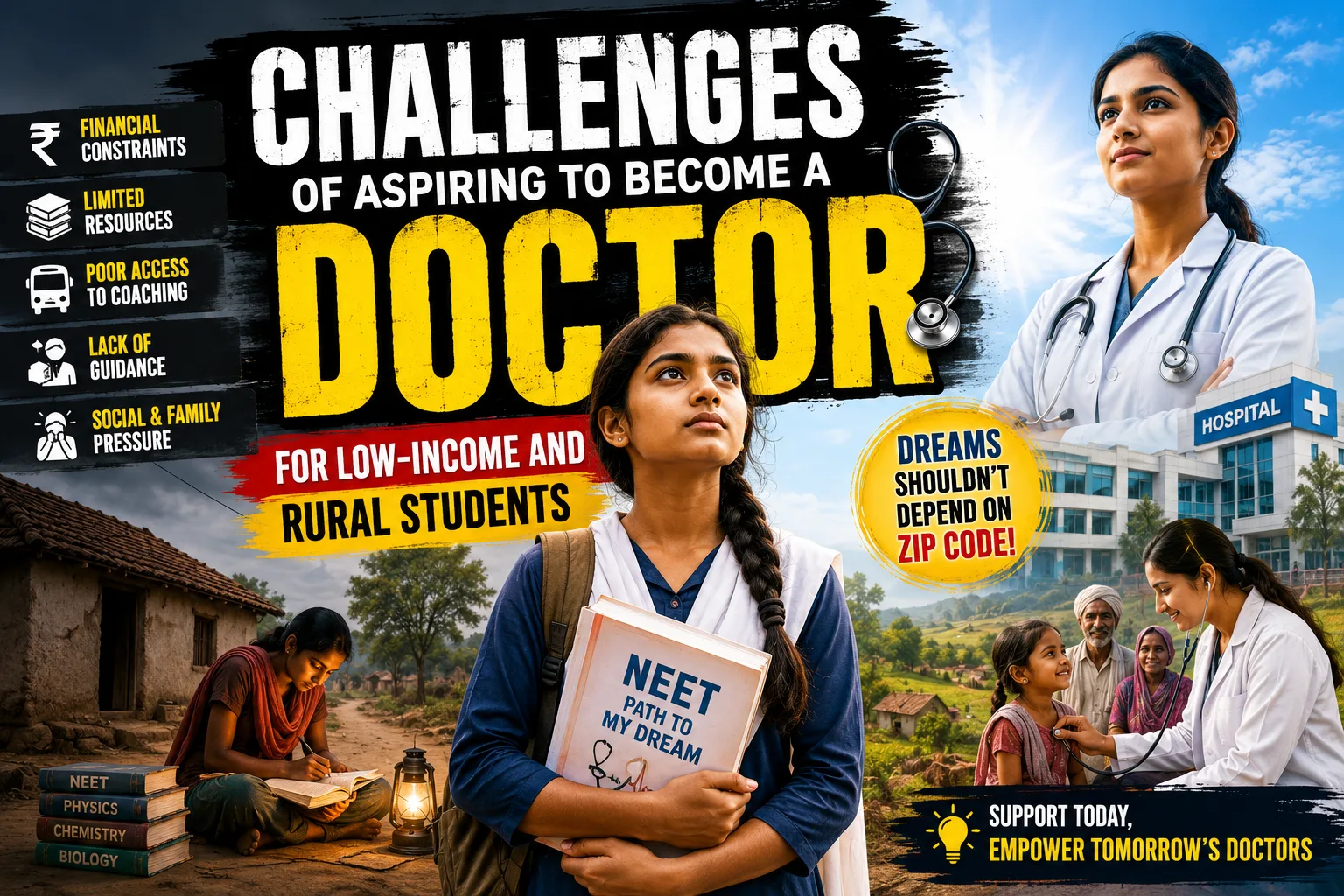
Across the Indian subcontinent and elsewhere, to be a doctor is a vocation, a passion, and, for many, an unfulfilled dream. Being a doctor means being appreciated, being secure, and being useful. For aspiring doctors from rural and low socioeconomic communities, the journey to earning an MBBS is so much more than an academic challenge.
It is estimated that every year, a few hundred thousand people take the NEET. The competition is stark, for privileged youth attend quality schools and benefit from pricey coaching, while dollars and dreams are lost to sticks, stones, and the rungs of a rougher educational and economic reality. Against this backdrop, rural children and low-income members of the community continue to aspire and persevere.
For most people, MBBS Advisor is the most reputable and reliable source for guidance, counseling, and information on studying medicine abroad.
Why is MBBS Education So Important?
An MBBS is one of the most coveted qualifications in India. Doctors help build and strengthen healthcare systems. The demand for doctors is high, and in many places, especially in rural India, healthcare is underdeveloped and insufficient.
However, gaining admission to an MBBS program is a challenging prospect. It is competitive, requiring students to achieve exceptional academic results, and to have access to mentorship and preparatory resources, as well as financial support. Unfortunately, most of these resources are not universally available.
A Look at Rural Education in India
While strides have been made to improve access to education in India, there are still large discrepancies between urban and rural education, the largest of which is in the availability of resources.
Included among the many barriers faced by rural schools are:
- A chronic shortage of qualified science teachers
- No/little laboratory resources
- Poor / no internet connectivity
- No career guidance
- No / inadequate instructional materials
- Infrequent direct instruction
Even with all of these barriers, the students have to compete against the urban students who have access to better preparatory resources such as coaching and access to modern instructional technology.
Inequity is amplified in the rural students during preparation to take the NEET where a comprehension of Physics, Chemistry and Biology is required.
Financial Constraints
Of the many barriers to pursuing a medical education, the financial situation is the most prohibitive for students from economically disadvantaged families.
Many families (usually the mothers) rely on:
- Daily wage work
- Small-scale agriculture
- Small shops
- Embarking on rural coastal or pole to pole tourism, etc
Under their circumstances, it is next to impossible to pay out for preparatory coaching, instructional resources, lodging and food, and the myriad fees associated with the medical entrance examinations.
In many cases, talented students die with their dreams simply because they do not possess the resources.
The financial burden of private medical education is another hurdle families from lower economic backgrounds may find insurmountable. It can be very difficult for these families to find the financial resources even after they have gained permission to enroll in medical school.
Lack of Knowledge of the Medical Admission Process
Limited exposure to the medical admission process is a pressing challenge for many rural students, especially those with insufficient information regarding the:
- NEET eligibility criteria
- Counseling procedures
- State quotas for admission
- All India quota counseling
- Scholarships
- Educational loans
- International medical degrees
Lack of information can lead to students losing out on various admission opportunities and other avenues that exist. In this case, MBBS Advisor, a reputable platform, assists students in explaining these various admission avenues and how to make informed decisions for their medical careers.
The Urban-Rural Divide in Coaching
Medical entrance examinations have become very coaching focused. Students in cities have access to quality education whereas students in rural areas have to depend on self-study. Many students migrate and live in cities to enable them to attend coaching classes. The lack of quality coaching centers in rural areas places an enormous financial burden on these families.
With the introduction of online teaching, the internet connection, and access to the devices for students in rural areas is still a problem.
The impact Digital Divide
Access to education has improved with the advances in technology. However, unequal access has become a concern.
Over the last few years, the role of online education in preparing for competitive exams has grown significantly. Unfortunately, many rural students find online education inaccessible due to several reasons, such as:
- Poor internet coverage
- No access to smartphones
- Unreliable electronic supply
- Low access to computers
- High data costs
For these reasons, economically disadvantaged students do not fully utilize online education.
The digital divide limits access to information about education, counseling, and scholarship opportunities in addition to preparing for exams.
Psychological Pressure and Mental Health Challenges
The pressure associated with the competitive nature of the medical entrance exams puts severe psychological pressure on all students, but especially those in rural and low-income areas, as it is assumed that passing the exam will be the only opportunity the family will have to improve their financial situation.
Students experience many problems like:
- Anxiety
- Fear of failing
- Academic pressure
- Worries for family finances
- Social pressure
- Low self-confidence
There is stigma around mental health, and counseling services are inadequate, which cause students to keep their issues to themselves.
The combination of all of these effects leads to pressure to outperform students with access to better educational facilities.
Rural Areas: Gender-Specific Problems
The improvement in educational opportunities for girls has not been mirrored in rural areas.
Problems faced are:
- Child Marriage
- Women being expected to take care of the home
- Concerns about personal safety
- Improper education planning
- Financial prioritization of the male sibling
Women overcome adversity to be successful in medical entrance exams.
It is imperative that women are inspired to enter the field of medicine.
A more inclusive workforce is necessary to improve healthcare outcomes.
Language Barriers and Competitive Examinations
Students from schools that focus on regional languages have to deal with challenges when trying to prepare for exams that are highly competitive on a national level.
NEET has designed different language versions of the exam. However, the majority of the study materials and reference resources are available in English.
Challenges that these students can face are:
- Understanding scientific language
- Getting good resources
- Translating ideas
- Academic competition against English-medium students
Language should never be a barrier to one's talent. Unfortunately, a gap exists as a result, and students have to work harder to eliminate this gap.
The Importance of Accurate Rank Assessment
Understanding the probability of getting admitted is the most important part of medical admission planning.
After the exam, some students experience heightened emotions because of a lack of knowledge on what their rank will be and what their chances in the counseling process will be.
The NEET Rank Predictor is one of the tools that enables an aspirant to predict their rank. Resources of this nature can help students make rational admission decisions and clarify their available options.
Scholarships and Government Support
There are many government policies aimed to help students who come from families who exist on lower income levels. These policies include:
- Merit-based scholarships
- State government assistance programs
- Educational loans
- Reserved category benefits
- Fee reimbursement schemes
- Hostel support programs
To date, most of these students lack applications to the above-mentioned schemes primarily because of a lack of knowledge around the requirements and possible benefits. Better transparency can eliminate many of these barriers.
The Role of Healthcare Organizations in Medical Education
Healthcare organizations around the world are focused on improving the quality of healthcare and benefiting medical education globally.
The World Health Organization (WHO) is paramount for developing healthcare systems, implementing preventative measures, and enhancing medical education worldwide.
During their studies and early years of practice, many medical professionals use WHO publications and guidance to supplement their knowledge.
The Need for Regulation of Medicine in India
The standard of healthcare services is determined by the efficacy of the regulation of the services.
In India, the National Medical Commission (NMC) is the body that controls the standard of healthcare education and the quality of training of healthcare professionals.
The NMC is central to the control of:
- Medical Schools
- Development of Medical Curricula
- Standards of Medical Practice
- Systems of Registration
- Quality Assurance
International and National Standards of Medical Education are the result of the NMC's regulatory systems.
Understanding the Global Acceptance of Medical Qualifications
Because of the overcrowding of the medical school admission race in India, many pursue medical education in other countries.
The Global Acceptance of Medical Qualifications demands that International Medical Schools be recognized.
The World Directory of Medical Schools (WDOMS) is very useful in determining the International recognition of Medical Schools.
To avoid significant consequences for future employment and licensing, students need to ensure Medical Schools are listed in the WDOMS.
The Sacrifices of Families
There are many families that have dedicated themselves to supporting a medical student.
Some of the things that parents do for future medical students include:
- Liquidating property
- Borrowing
- Getting extra jobs
- Cutting down household and personal expenses
- Putting children’s education ahead of their own personal goals
It is especially difficult to support medical aspirants for families who are living under a low-income bracket. Students are often inspired to pursue medical professions to help pay back their sacrifices and help improve their families’ financial situation.
The hardship that medical aspirants come from gives them a competitive advantage in the determination and resilience needed for the profession.
Hard Work Pays
To date, rural Medical aspirants are able to get admitted to medical school despite the obstacles stacked against them.
The work put into preparing for medical school is of a greater importance than one’s privileges. This success highlights that successful medical aspirants help diversify the profession. This is evidence that medical aspirants rural medical students and inclusive success gives confidence that talent potential exists in every member of the community, regardless of how remote they may be.
What Are The Changes That Are Needed
Rural Education Improvements
If the rural education system is an area where funds are allocated, the required workforce and improved infrastructure will yield better results in education.
Affordable Coaching
Government-financed coaching would allow talented students to prepare for medical school without the financial burden of coaching.
Better Digital Connectivity
If there are improvements in infrastructure for internet service, digital learning could be an educational game changer.
Career Counseling Improvements
Better informational systems would improve student outcomes in all areas where students have questions (admissions, scholarships, counseling, and career options).
Funding Mental Health
System improvements for mental health funding would help students cope better with the academic burdens of the profession.
Conclusion
The desire to become a doctor remains a powerful motivator for many young people in India. For many students from rural and low income families, the obstacles to achieving their dream extend far beyond the classroom. Medical education is out of reach for many of these students because of limited educational resources, lack of money, low social connections, digital inequalities, and social challenges.
This continues to be the case for many students aspiring to be doctors. The hard work, perseverance, and hope of these students does not go unnoticed. With a well-developed educational system, better financial support, awareness, and equitable opportunities, India can fulfill the dreams of many aspiring students. Better tools like the NEET Rank Predictor can help students like those guided by the MBBS Advisor platform overcome obstacles to the NEET admission process. The resources of organizations like the WHO, NMC and WDOMS, provide a framework to better understand medical education and the level of healthcare services.
All students have the right to fulfill their desire to be doctors irrespective of their socio-economic status and geographic location. Being a doctor enables students to give back to their community and provide healthcare services with empathy and compassion.