 Russia
 Belarus
 Georgia
 Kazakhstan
 Kyrgyzstan
 Uzbekistan
 China
China Nepal
Nepal Bangladesh
 Poland
 Romania
 Slovakia
 Hungary
 N. Macedonia
 Vietnam
 Canada
 Armenia
 UK
UK Australia
 USA
USA Ireland
 Germany
 New Zealand
 Italy
Italy France
 Singapore
 Netherlands
 Sweden
 Switzerland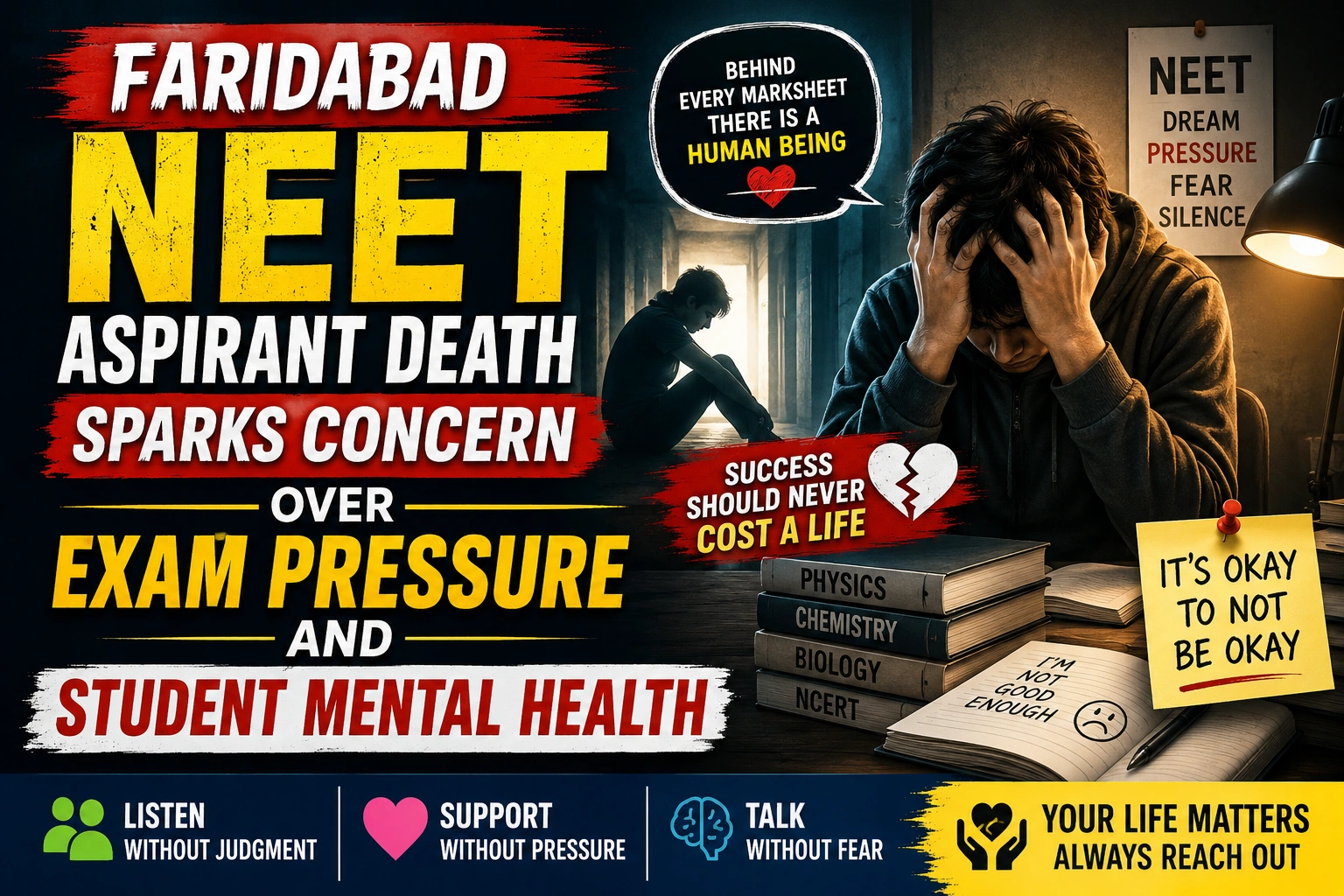
Media attention has been monopolized in the days following the news of a nurse aspirant’s aftermath in Faridabad. Every year, thousands of students from all over the country dedicate their time to preparing for the NEET to secure a seat in one of the government run Medical Colleges. Students have to deal with increasingly competitive exams, available seats, parental and societal expectations, and the burden of their family’s finances.
The events have created a need for action among educators, parents, psychologists, and government officials to begin addressing student mental health issues. Although the examinations are an inevitable part of higher education, many mental health professionals and psychologists believe that no student should have to suffer an examination to the point of losing their hope and their life.
That’s because NEET aspirants should be looking at other alternatives in addition to NEET. Future students should consider and understand the other options available to become a doctor such as Private Medical Colleges and Studying Abroad. These options allow students to pursue their dream of becoming a doctor without compromising their mental health and overall well-being.
Analyzing the Faridabad NEET Aspirant Case
After the news of a NEET aspirant’s death in Faridabad, people have taken notice of the emotional burden many students are facing during our society’s increasingly competitive exams. While the details of each individual case may be different, there is a consensus among mental health professionals that prolonged academic stress, fear of failing, unrealistic expectations of the student and their family, and isolation all negatively impact the student’s mental health.
The incident has sparked conversations about the emotional ramifications of India's strenuous entrance exam systems. Education experts have indicated that preparation for medical entrance exams is important, but emotional and psychological systems support must be equally prioritized.
NEET preparation places emotional weight on students from the communities and families who invest time, hope, money, and effort over the years. Unmanaged, the emotional weight can develop into anxiety, depression, burnout, and a sense of hopelessness.
Why NEET Preparation Leads To Severe Academic And Emotional Pressure
Competition is fierce due to the fact that over twenty lakh students register for NEET each year, while there are a limited number of government MBBS seats.
This pressure is due to a number of circumstances.
- Students typically dedicate 10 to 14 hours a day to studying and lose hobbies and recreational activities.
- Many even have to move away from family support.
- The emotional pressure this causes is the result of massive financial sacrifices families have to make and therefore perceived failure is simply not an option.
This pressure starts to affect mental health and academic performance in a very negative way.
Predicaments of NEET Preparers
There is naturally stress for one of the toughest medical entrance examinations in India. There are further dangers which are more likely once stress becomes prolonged and is not managed.
Common psychological issues are:
- Chronic anxiety about mock tests and exams
- Insomnia due to academic pressures
- Fear of disappointing parents and self
- Loss of motivation from a sense of failure
- Social withdrawal
- Burnout from constant study
- Depression from negative self-comparison
Many students suppress the issues because of the fear that others will judge them to be weak and/or incompetent. This silence hurts the student as it delays help.
Mental health experts encourage patients to seek help during early stages of emotional problems instead of waiting for the problems to get worse.
Parents Have a Major Impact
Parents have the largest emotional influence during the NEET journey. While encouraging children positively influences the children, having unrealistic expectations of the children can adversely increase the pressure.
Parents need to understand that children can be helped and the pressure reduced by supporting children, acknowledging their efforts, and by keeping communications open and not focusing only on children’s successes or failures; rather, ask how the children are feeling, whether they are sleeping, and whether they are stressed or worried, and do they need a break.
NEET Coaching Centers Should Focus on the Students' Emotional Health
NEET coaching centers have revolutionized NEET preparation in India, but the focus cannot be only on academic results. It is the responsibility of the educational institutions to introduce frequent counseling, emotional support workshops, classroom support activities, and teachers trained to identify the early signs of emotional issues and provide psychological support.
Less comparison among students and more fostering of healthy competition could make the learning environment more positive.
Some educationists have suggested that coaching centers should treat emotional wellness programs as a part of the regular curriculum rather than as add-on activities.
NEET Is Not the Only Career Option
Some students have the misconception that their medical career ends if they do not get a government MBBS seat.
This is not the case.
Students have multiple other pathways in a medical career that include their interests and the resources at their disposal. A few other increasingly popular pathways include:
- Allied health sciences
- Nursing
- Pharmacy
- Biotechnology
- Physiotherapy
- Other forms of international medical education
Many Indian students are also opting to study MBBS abroad as many international universities offer affordable government seats, modern infrastructure, education in English, and a degree in medicine that is accepted worldwide.
Taking a different educational pathway should not be seen as a failure. Opting for a different pathway shows resilience and determination to reach one's ultimate career destination.
Decision Making Is Getting Easier With Technology
One of the reasons that students experience anxiety is the lack of clarity relating to their chances of admission after the exam.
New technologies are helping to diminish, if not eliminate, such apprehensions, by providing a more accurate estimate of admission.
NEET rank predictors are tools that provide aspirants the opportunity to predict their rank based on their exam performance. Having a more accurate prediction of rank will allow students to have a more realistic estimate and be better prepared for admission counseling rather than relying on speculation and false information.
Building Emotional Resilience During NEET Preparation
- There is an emotional aspect to preparing for NEET on top of the mental aspect.
- Emotional resilience can be strengthened through a well-balanced daily routine involving sleep, balanced meals, physical activity and even brief recreational breaks. Stress can even be decreased by brief walks, meditation or even family talks.
- There should also be a conscious effort made to not make comparisons to others, whether they be friends or social media 'top scorers.' Each student learns at their own pace, therefore prep strategies must be made to improve the student themselves and not to beat the competition.
- Having daily goals that are small and achievable during prep is also a good strategy. This allows for the student to stay confident and focused on the task.
The Importance of Seeking Professional Help
- Mental health is not something that should be pushed to the side.
- Students showing signs of mental distress through prolonged sadness, panic attacks, feeling hopeless, trouble paying attention or even thinking of self-harm should reach out to mental health professionals.
- Going to therapy is not a sign of weakness, just like physical illnesses are seen by the doctor, going to a mental health professional is a step to recovery.
- Teachers, coaches, and family members should help students reach out to these professionals to avoid the stigma that is typically seen.
Intervening early when mental distress is minor can help avoid the mental distress becoming a crisis.
Creating a Healthier Examination Culture
The Faridabad tragedy has shown there needs to be changes made to the way academic achievements are measured in India.
Rather than focusing solely on exam results, educational systems need to prioritize their students’ comprehensive development. Schools should be able to teach emotional intelligence, stress management, career awareness, and counseling.
Government employees, educational boards, coaching institutes, and parents and healthcare professionals need to join forces to create a supportive environment, rather than a competitive one.
A new education culture prioritizing learning and curiosity over fear and comparison is needed.
Conclusion
The tragic passing of the NEET aspirant in Faridabad highlights how academic success cannot be placed over an individual’s mental health. NEET, being one of the most competitive entrance exams in India, is just that, one exam in a sea of many.
A collaboration from parents to policymakers needs to be established to provide students with the emotional support and counseling needed to heal the educational culture promoting fear and competition.
Most importantly aspiring doctors should always keep in mind that there are many routes to becoming a doctor and a successful career, including both government and private institutions, and study abroad options. The goal is to be a doctor, and with the right support and planning from sites like MBBS Advisor and NEET Rank Predictor, students can have a successful future in medicine.
To find accurate information regarding medical education standards and eligibility, you can check the National Medical Commission (NMC), the World Health Organization (WHO), the official NEET portal, and the World Directory of Medical Schools (WDOMS). Being informed about reliable sources helps students make confident decisions regarding their education. It also helps students to protect their academic goals and mental health.