 Russia
 Belarus
 Georgia
 Kazakhstan
 Kyrgyzstan
 Uzbekistan
 China
China Nepal
Nepal Bangladesh
 Poland
 Romania
 Slovakia
 Hungary
 N. Macedonia
 Vietnam
 Canada
 Armenia
 UK
UK Australia
 USA
USA Ireland
 Germany
 New Zealand
 Italy
Italy France
 Singapore
 Netherlands
 Sweden
 Switzerland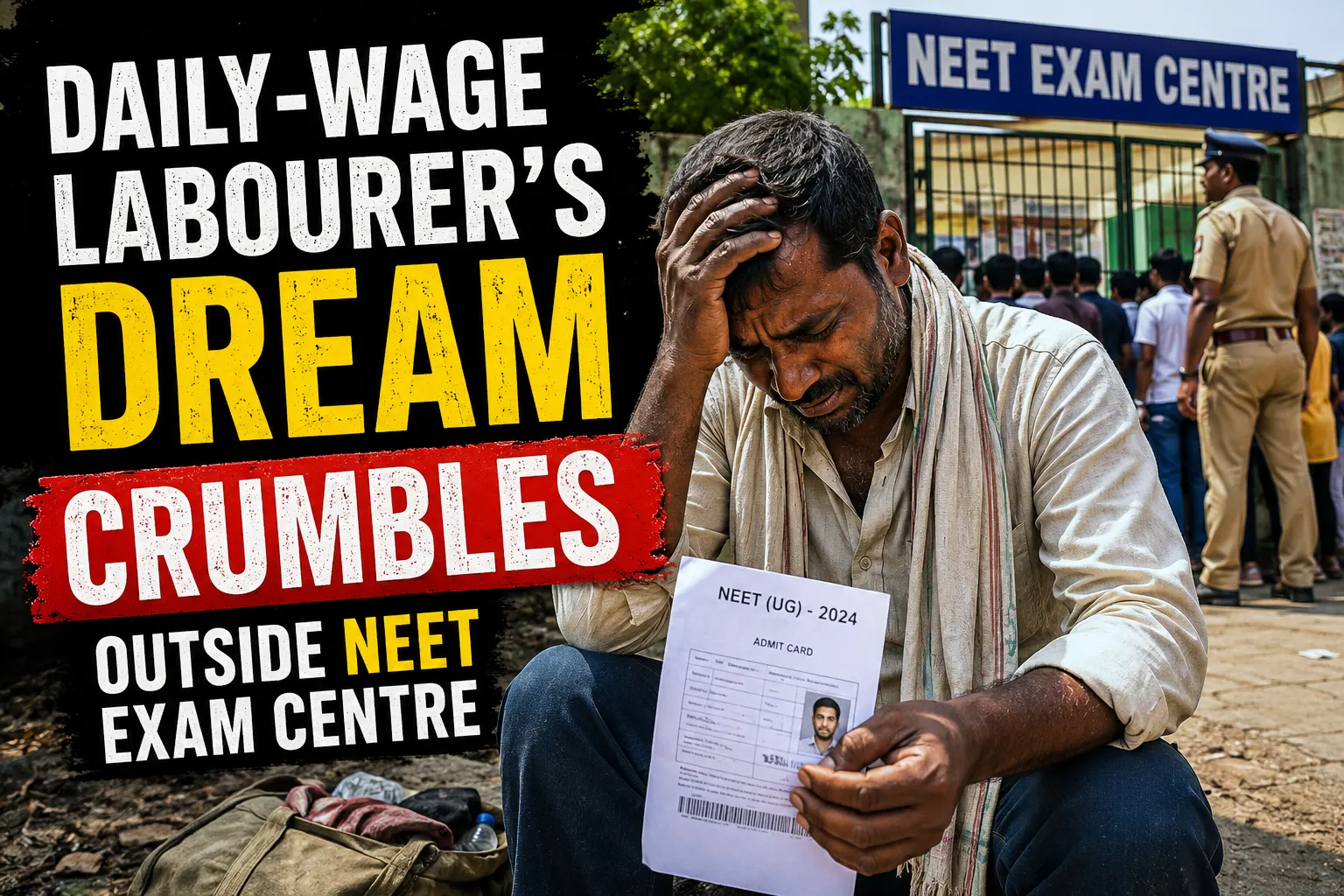
For many Indian families, the dream of becoming a doctor signals the chance for dignity, secure finances, and a way to rise socially. The NEET examination is written by lakhs of students every year, with the hope of securing an MBBS seat in a government medical college. Behind every application is a story of resilience, determination, and sacrifice.
Unfortunately, many of these stories do not end in success. The dreams of many candidates get shattered before they even enter the examination hall. One such tragic story was in the limelight recently, where the dream of a daily-wage laborer’s child is said to have crumbled outside the NEET examination center. It showcases the struggle of the students coming from the poorer sections of the society and the difficulties they face on the way, that go beyond academic competition, such as financial and logistical barriers.
It is important for the medical students to understand the entire admission process as well as NEET and counselling, and have a career plan. MBBS Advisor is a great resource for students to understand and get guidance on the medical admission process with dedicated information on the NEET Exam and tools such as the NEET Rank Predictor which can assist candidates in the process after the exam.
The Event That Shocked Aspirants
One of the hardships of being a medical student in India is how long and how competitive the admission process is, forcing a balance of study with the sacrifice of leisure and social activities.
In a recent case, a student from a low-income family experienced issues during the exam due to the situation of the family. The student's father is a day laborer and spent all of his savings on his son's dream of studying medicine.
For families in poverty, every new exam registration, coaching session, and study materials is a large financial expense. Wealthy families can afford basically unlimited exam attempts and expensive coaching centers, while less fortunate families have one shot and one shot only.
Circumstances that disrupt this one shot can have a devastating emotional and financial toll.
NEET: Unaffordable Cost of Becoming a Doctor
The NEET exam is known to be highly competitive and difficult, but people often overlook the cost of pursuing a medical education.
It Starts Long Before the Exam:
- School Fees
- Coaching Fees
- Study Materials and Test Preps
- Transport
- Housing near Exam Locations
- Advisor and Counselor Fees
The registration and application costs alone are near impossible for a daily wage laborer to cover.
In many rural and semi-urban regions of India, families have to sell belongings or take out loans to help their children pursue medicine. The sacrifices families make are not guaranteed to be worthwhile because of how fierce the competition is.
NEET: The Roadblock to a Medical Career
The National Eligibility cum Entrance Test, known as NEET, is the only medical entrance exam for undergraduate studies in India. All Students wanting admission to MBBS, BDS, AYUSH and other medical and allied courses, will have to qualify NEET.
NEET Admission Guidance has all the latest exam information with details on eligibility, syllabus and counselling.
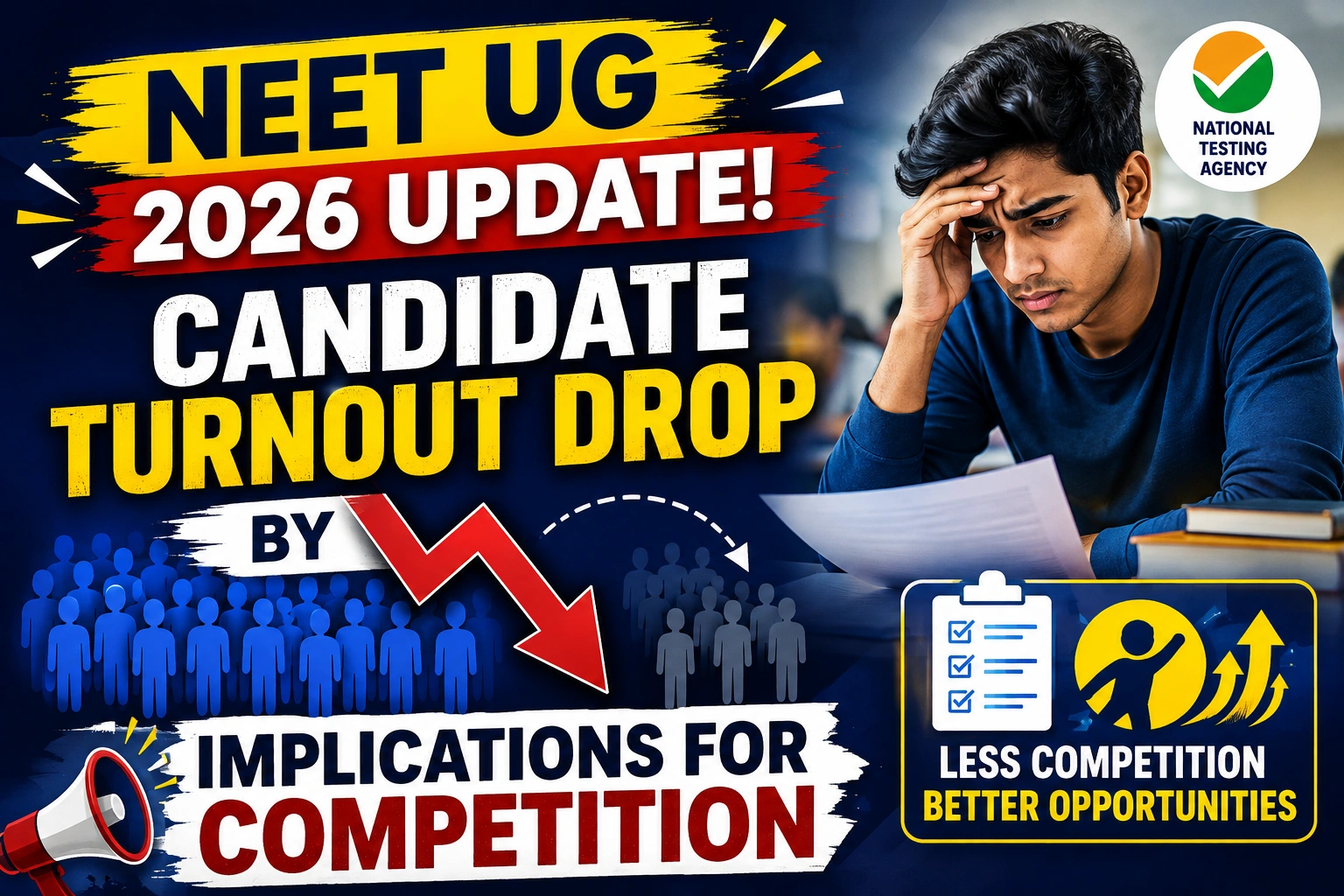
NEET has introduced a unified national exam for medical admissions to great effect. There is now a more transparent system for admissions. However, the number of applicants has made the system more competitive.
Over two million applicants apply to NEET for about a hundred thousand medical admissions. The exam is one of the most difficult to qualify.
Economic Disparity and Medical Aspirations
The recent case has highlighted the education system's economic disparity.
Students with Means Have All the Favour:
- Quality coaching
- Great resources
- Investments in technology
- Several exam attempts
Students from Families of Labourers Struggle With:
- Underfunded schools
- Government schools
- Free online resources
- Shared materials
- No or limited internet access
- Desires to study
Despite a fundamentally decade system, students have studied and excelled for admissions into medical schools.
The stories of successful students prove that talent is not determined by the economic background of students.
The Pressure of Medical Aspirations
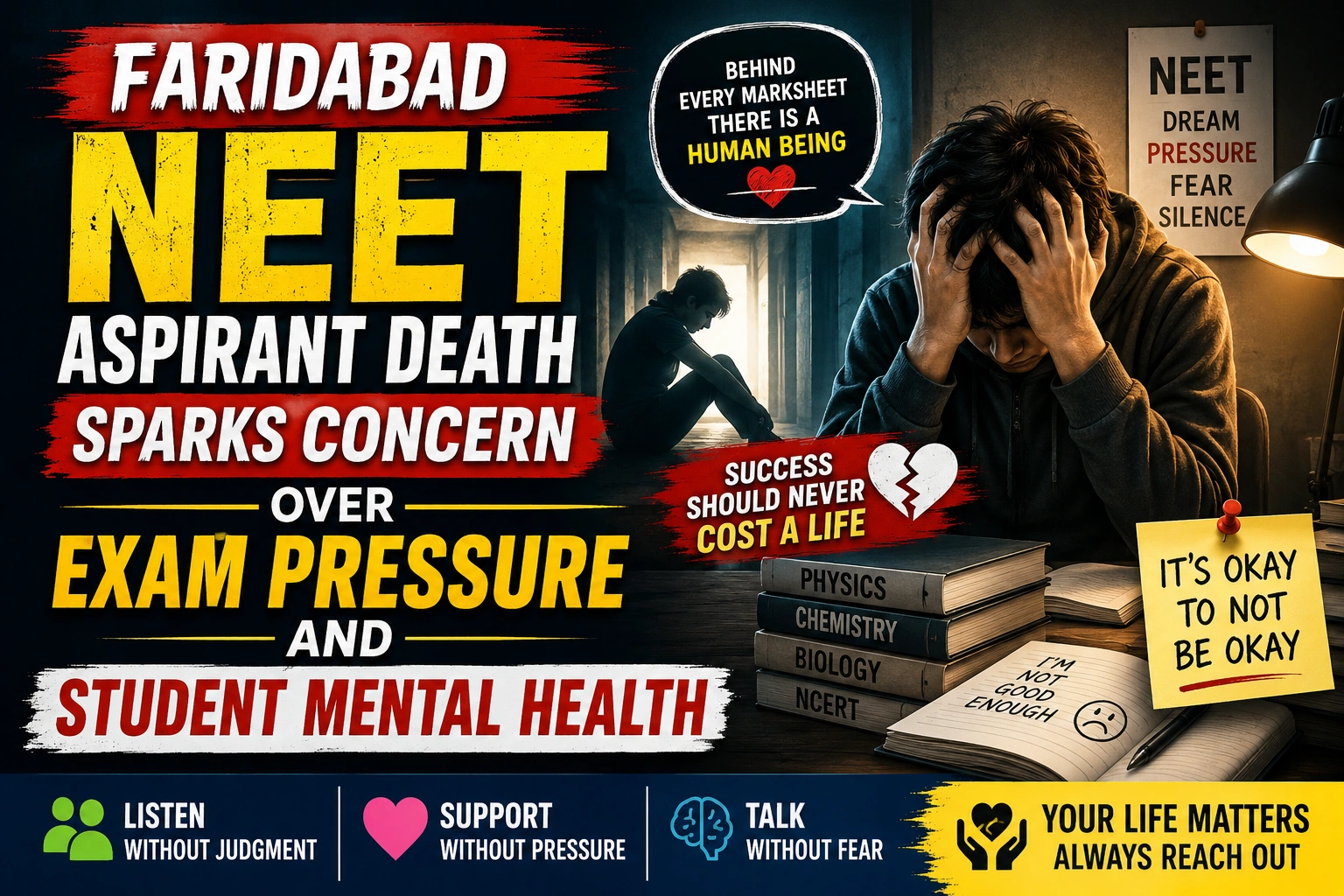
The mental strain of NEET prep is established, and has only increased over the years.
Expectations Come From:
- Society
- Family
- Teachers
- Friends
For families with limited resources the pressure is added, as success in education is the way out of poverty.
Setbacks Have Grave Consequences for Students and Include:
- Anxiety
- Depression
- Low self-esteem
- Emotional distress
- Dread over difficulties
Experts insist that the most important aspect of NEET prep is the support system.
A Student’s Value should Never be Based on How Well they do on Exams.
Why Exam Day Challenges are Important
There are issues that even the best students struggle with on the actual Exam Day.
Some Include the Following:
- Being late due to transportation issues
- Forgetting Id
- Not understanding instructions
- Having to travel a much greater distance to the exam location
- Weather impacts
- Medical issues
These problems are not as easily overcome for students with less socioeconomic status.
Missed buses, added costs for transportation, and other sudden issues can really lower a student's ability to perform on an exam.
This shows that support systems for students and an improved exam system are necessary.
What the NMC does for Medical Students
In India, the National Medical Commission (NMC) is the most important part of the system controlling the education of medical students.
What the NMC Does:
- Determine the level of quality for medical education
- Control medical colleges
- Check how quality the syllabuses are
- Ensure fair medical student admissions
- Reform medical students’ education
Over the years, there has been much transformation in NMC’s system, which focuses on improving the access and quality of medical education.
At the same time India strives to increase the numbers of medical practitioners, the NMC engages with the flow of establishing more medical colleges and opening more seats for students.
Global Standards for Medical Education and Recognition
Students wanting to practice medicine in other countries must have their medical degrees from colleges that are recognized.
The World Health Organization (WHO) is an example of a body that works to harmonize global health and set standards for health care and provides a database and other reference for the health care field.
Also, the World Directory of Medical Schools (WDOMS) is a useful reference of the acknowledged medical schools.
For students desiring to study medicine overseas, listing in WDOMS is becoming increasingly significant for the consideration of their future licensing in other countries. This is because students are verifying whether the medical school they wish to join has WDOMS listings.
As more Indian students are opting for MBBS programs abroad, the significance of medical school recognition is on the rise.
The Reality Behind MBBS Aspirations
Having the title of "doctor" in Indian society is of great prestige.
However, for successful medical practitioners who are "doctors", you will find years of a rigorous journey of:
- tough national exams
- practical and theoretical components of medical training
- monetary commitment
- mental and emotional investment
This dream is of even greater value for the children of laborers, farmers, transporters, and those in the informal economy.
This Dream Represents:
- financial stability for the family
- improved status of the family
- improved status for the community
- selfless service for the community
- a change for the community that will be sustained generationally
When dreams like these are obstructed, they affect more than just the individual student. The whole family is impacted.
Understanding NEET Rank and Admission Chances
One of the most consuming concerns for these prospective students is what their possible future admission to a medical school will be.
More often than not, a student is unsure of:
- what rank they may achieve
- what category cut-off they may fall under
- what the state quota may look like
- what the All India Quota may look like
- what their top college choices may be
The NEET Rank Predictor is one of the tools that can be employed to strategize admission and counseling and help predict a more realistic NEET Rank.
This will greatly improve the admission scenario for both private and government medical schools, as well as deemed universities and will optimize state and All India counseling.
Understanding Counseling is of Equal Importance
Many deserving candidates miss out on opportunities due to a lack of understanding the significance of counseling.
Common Mistakes Include the Following:
- Not registering on time
- Incorrect choice fillings
- Not verifying documents
- Not understanding the quotas
- Missing counselling rounds
Platforms like the MBBS Advisor help students learn about the counselling process and how to choose colleges. This tool can be invaluable to first-generation students and those who come from households that are unfamiliar with how higher education works.
The Need for Better Support Systems
Following the recent case of the child of a labourer, it is evident that there is a systemic need for more support.
We Can Help Reduce Some Barriers By:
- Making examinations easier to access
- Opening more examination centers
- Reducing the travel distance to centres
- Making rural access easier and improving communication about the guidance
- Implementing travel reimbursements, examination fees, and creating more scholarships
- There should be free counselling services
- Counselling for students should be offered with the inclusion of services to manage the stress of students
This creates a long-term support system for students that helps them deal with the stress that comes from the competing demands of the education system.
What Future Aspirants can Learn
The case reminds future aspirants that there is much more to the medical admissions process than preparation.
It is Important to:
- Confirm examination centre information early
- Prepare all documents early
- Organize transportation early
- Arrive early to the examination
- Have other plans if things do not work out
Families and schools have to coordinate to provide support for the process.
Many doctors walk a similar path. Many come from humble backgrounds, and many have used education to escape poverty.
Through guidance and hard work, backgrounds do not decide outcomes. The determination and hard work of these doctors has brought about positive change. Society has a duty to ensure that potential does not go to waste. Financial barriers should not prevent equally deserving students from becoming doctors.
Conclusion
The dreams of many daily wage laborers collapse outside the NEET exam center. Many aspiring doctors from the lower levels of the socio-economic spectrum in India face similar barriers.
NEET has created a standard entrance exam for medical education in India, but there are still financial, logistical and highly competitive barriers for students. This case reminds us that educational inequity goes beyond exam standardization. Vulnerable families need the most support.
The WHO, the NMC and the WDOMS have shaped medical education at a global level. The focus should be on the deserving candidate at a local level.
The MBBS Advisor, along with the NEET guidance portal and the NEET Rank predictor, can provide the potential student with much needed support and accurate information for the highly competitive medical field.
Ultimately, the barriers an individual faces financially, rather than their commitment and work ethic, should not determine if they are able to chase their dream of becoming a doctor. No student should be deprived of the chance to present themselves at the examination centre and work one step closer to don the white coat of their dreams.