 Russia
 Belarus
 Georgia
 Kazakhstan
 Kyrgyzstan
 Uzbekistan
 China
China Nepal
Nepal Bangladesh
 Poland
 Romania
 Slovakia
 Hungary
 N. Macedonia
 Vietnam
 Canada
 Armenia
 UK
UK Australia
 USA
USA Ireland
 Germany
 New Zealand
 Italy
Italy France
 Singapore
 Netherlands
 Sweden
 Switzerland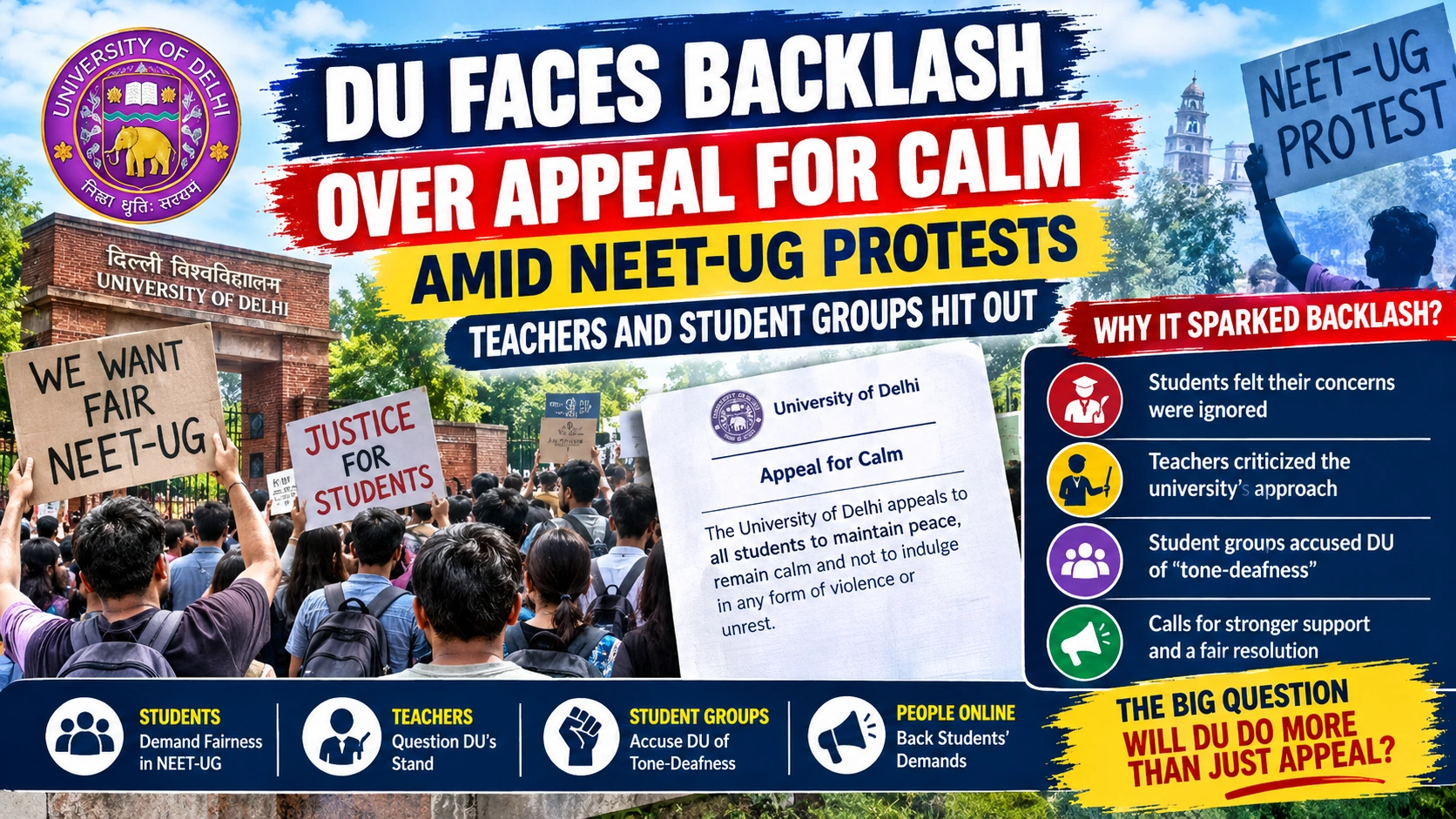
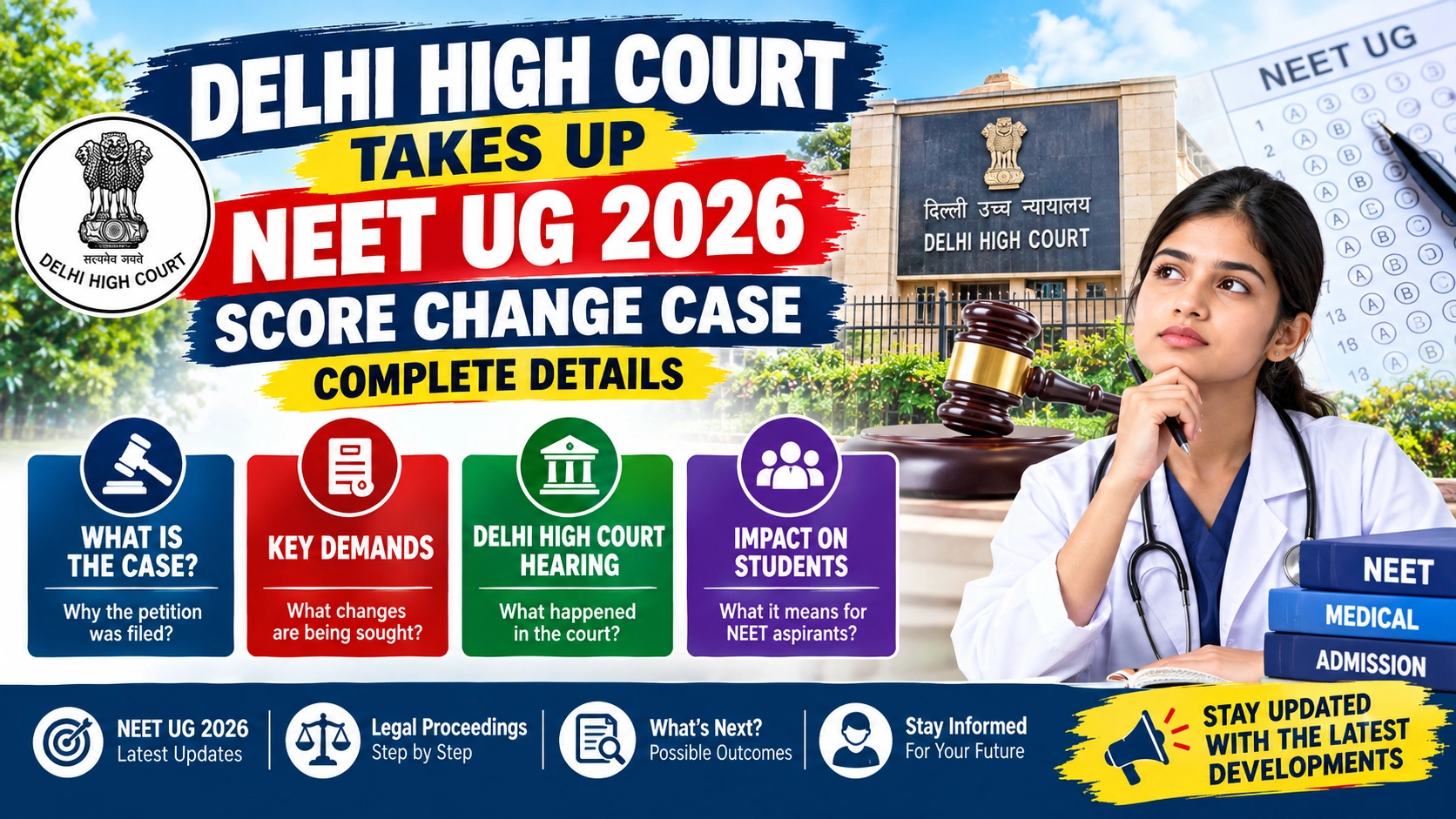
Delhi University’s appeal for calm should have been an uncontroversial statement. It wasn’t. At a time when NEET-UG protesters were demanding answers over alleged examination irregularities and police action, sections of DU’s teaching community and student organisations felt the university had addressed the protest, but not the reasons behind it. That distinction became the argument. Delhi University reportedly urged students to remain calm, avoid participation in activities that could disturb academic functioning and protect their educational interests. Critics responded that peace can’t be discussed in isolation while allegations surrounding a national medical entrance examination remain unresolved. MBBS Advisor examines what happened, why the university’s message attracted criticism and what NEET aspirants should take away from the row.
What Did Delhi University Say?
The university’s message focused on order, academic continuity and the safety of students amid continuing NEET-UG demonstrations. It appealed to members of the university community to exercise restraint and avoid actions that could affect classes or disrupt the campus. On paper, that sounds reasonable. Universities do have a responsibility to protect students, maintain teaching schedules and prevent confrontation. The timing, though, changed how the statement was received. Student-led protests had already spread beyond Delhi, with participants alleging irregularities in NEET-UG and demanding accountability. Demonstrations in the capital had also raised questions about police crowd-control measures, detention of protesters and the treatment of students participating in marches. Against that background, critics believed a simple request for calm sounded incomplete. Calm for whom? And after what response to the underlying complaint?
Why Teachers Objected to the Appeal
The Democratic Teachers’ Front, a teachers’ group at Delhi University, reportedly criticised the statement for remaining silent on the causes behind the student demonstrations. Its objection wasn’t necessarily to peace. It was to what the appeal left unsaid. Teachers and activists argued that a university should recognise students as citizens with the right to ask questions about a high-stakes national examination. They felt an institution dedicated to education should show concern for affected aspirants rather than frame public mobilisation mainly as a risk to academic order. Honestly, this is where the controversy becomes more complicated than a routine political disagreement. Universities must prevent violence, certainly. They must also leave space for peaceful dissent. Doing both isn’t easy, but ignoring one side won’t solve the problem. Some critics also questioned whether the university’s appeal could discourage students from participating in lawful demonstrations. Even if no formal prohibition was issued, institutional language carries weight. A first-year student may read “protect your academic interest” as a warning about attendance, discipline or future consequences.
Student Groups Saw the Message Differently
For student organisations supporting the NEET-UG agitation, the statement appeared to shift attention away from examination accountability and towards protest management. That didn’t go down well. Their argument was direct: if aspirants believe a paper leak or serious irregularity has damaged the fairness of an examination, asking them to remain quiet without addressing their evidence may deepen mistrust. Students spend one, two or sometimes three years preparing for NEET. Families invest in coaching, travel, test series and accommodation. One disputed exam can affect an entire admission cycle. The response from some groups also reflected a wider concern about campus democracy. Universities have traditionally been places where students debate policy, organise meetings and challenge public decisions. Restrict that too heavily and the campus starts feeling less like an academic community and more like an administrative zone. Still, peaceful protest has limits. Threats, physical attacks, damage to public property or obstruction of essential services can’t be defended as normal student expression. The same standard applies to authorities: crowd control shouldn’t become excessive force.
The Wider NEET-UG Protest Behind the DU Row
This wasn’t a stand-alone campus disagreement. The DU statement emerged during a larger NEET-UG agitation centred on allegations of examination irregularities and demands for institutional and political accountability. The protest movement began in Delhi and spread to other cities. Demonstrators demanded an impartial investigation, action against those responsible for any proven leak or malpractice, protection for students and reforms in the way national examinations are conducted. Some groups also sought the resignation of the Union Education Minister. A major march towards Parliament on July 20 reportedly resulted in clashes between protesters and security personnel. Police used lathis and tear-gas shells as crowds attempted to proceed towards Parliament, while allegations were also raised concerning violence against police personnel. The dispute later reached the Supreme Court through petitions concerning the conduct of both protesters and law-enforcement agencies.The Supreme Court constituted a five-member high-powered enquiry committee headed by former Supreme Court judge Justice R Subhash Reddy. The committee was asked to examine allegations of excessive police force as well as alleged violence against security personnel. It included former judges and senior retired law-enforcement officials. This matters because the argument is no longer based solely on viral clips. A formal enquiry is meant to examine documents, statements, recordings and other evidence from different sides. Slow, perhaps. But necessary.
An Appeal for Calm Isn’t Enough Without Transparency
Three words can change the public response to any institutional statement: “We will investigate.” That assurance needs substance behind it—a defined authority, a timeline, preservation of records and publication of findings. Without those steps, requests for patience begin to sound like requests for silence. NEET affects admission to MBBS and other medical programmes across India. The official NEET portal should remain the primary place for examination notices, answer keys, results and updates. Yet official communication must also arrive quickly enough to prevent rumours from filling the gap.
MBBS Advisor believes institutions should answer a few straightforward questions whenever allegations arise:
- What precise complaint has been received?
- Which authority is investigating it?
- Has examination data been secured?
- By what date should an interim update be expected?
- What remedy is available if malpractice is established?
- How will innocent candidates be protected from avoidable disruption?
Students don’t always expect an instant verdict. They do expect a visible process. Fair enough.
The Mental Pressure on NEET Aspirants
Behind every slogan is usually a tired student. That part gets lost very quickly. NEET preparation is expensive and emotionally draining. Coaching programmes can cost anywhere from ?50,000 to ?2 lakh or more per year, while students relocating to coaching hubs may spend another ?8,000–?20,000 each month on accommodation, meals and transport. Repeat candidates carry an extra burden because another attempt means another year placed on hold. Now add uncertainty over alleged leaks, court hearings, protests and possible changes to an admission schedule. It isn’t a small inconvenience. Students may struggle with sleep, concentration and confidence even if they perform well. The World Health Organization has repeatedly treated mental health as part of general health, not an optional side issue. Universities, coaching centres and families should remember that while discussing rank, cancellation or re-examination. Aspirants aren’t roll numbers walking around with admit cards. They’re people.
Should Students Protest or Focus on Counselling?
This isn’t an either-or choice. A student may support accountability while continuing with counselling, document preparation and academic planning. In fact, that is usually the safest approach. Unless an official authority announces cancellation, re-examination or a changed schedule, candidates should follow the existing process. Keep checking official portals. Download every notice. Complete registrations before the deadline and avoid relying on screenshots forwarded through messaging groups. The MBBS Advisor NEET guide can help students understand the admission process, but formal decisions will come only from NTA, MCC, courts or the relevant government authority.
Students joining demonstrations should also take basic precautions:
- Attend only peaceful and lawfully organised events.
- Carry identification and emergency contact details.
- Inform family or friends about the location.
- Avoid rumours and provocative social-media posts.
- Leave if the situation becomes physically unsafe.
- Save photographs or videos only without obstructing authorities.
A medical seat matters. Personal safety matters first.
Free Expression and Academic Responsibility Can Coexist
Universities often behave as though they must choose between campus order and freedom of expression. They don’t. Delhi University could acknowledge the concerns behind the NEET-UG movement, urge peaceful conduct and provide clear guidance on academic schedules at the same time. Such a response would neither endorse every allegation nor dismiss the protesters. Balanced. Simple enough. Student groups, too, carry responsibility. If a protest claims to defend fairness, its conduct must remain fair. No intimidation of students who choose not to participate. No damage. No attack on staff, police or fellow protesters. The university’s critics were right to ask why the causes of the agitation appeared absent from the appeal. The administration was also entitled to worry about safety and disruption. Both points can be true, even if public debate prefers picking one team.
What the Controversy Means for Medical Admissions
The DU row doesn’t directly change NEET eligibility, qualifying marks or counselling rules. Students still need to qualify NEET-UG and participate in the designated admission process for Indian medical colleges. Candidates must verify college recognition through the National Medical Commission. NMC records, official counselling seat matrices and allotment notices matter more than claims made by coaching agents or social-media accounts. The World Directory of Medical Schools may be useful for researching international institutions, but it doesn’t determine admission to Indian MBBS colleges and a listing isn’t a substitute for NMC recognition. Yahan—well, this is exactly where students need to slow down and check the correct authority rather than mixing unrelated directories. Those who begin considering foreign medical education after an uncertain NEET result can read the MBBS Abroad guide. An overseas programme shouldn’t be selected in panic. Course duration, internship, teaching language, clinical exposure, total fees and eligibility to practise in India all require careful verification.
What Authorities Can Learn From the Backlash
A short administrative notice can create a much larger controversy if its tone doesn’t match the seriousness of the moment. Delhi University’s experience offers a few clear lessons. First, acknowledge the grievance before requesting restraint. Students are more likely to accept an appeal if they feel heard. Second, distinguish peaceful protest from violence. Treating every gathering as a threat can alienate students who are acting lawfully. Third, explain academic consequences clearly. If classes, examinations or attendance rules remain unchanged, say so directly. Don’t leave students guessing whether participation might lead to punishment. Fourth, provide a channel for representation. A university can invite student and teacher organisations to submit concerns in writing or attend a moderated meeting. Talking helps. Sometimes more than another circular. MBBS Advisor also believes educational institutions should publish verified updates during national-examination disputes, especially if misleading information is circulating among students. Silence rarely calms a campus. Accurate information might.
Frequently Asked Questions
Why did Delhi University appeal for calm?
The university reportedly wanted students to maintain peace, protect academic activity and avoid involvement in actions that could create disruption or safety concerns during the NEET-UG protests.
Why did teachers criticise the statement?
Some teachers said the appeal focused on protest-related disruption while remaining silent on the alleged examination irregularities and other concerns that had brought students onto the streets.
Did DU ban students from joining NEET protests?
Reports described the communication as an appeal for calm rather than a formal ban. Students should refer to the original university notice for its exact wording and any applicable campus directions.
Have the NEET-UG allegations been legally examined?
Court proceedings have addressed matters connected with the protests, and the Supreme Court constituted a high-powered committee to examine allegations of police excesses as well as violence against security personnel.
Should NEET candidates stop counselling because of protests?
No. Candidates should continue following official examination and counselling schedules unless NTA, MCC, a court or another competent authority announces a change.
Where should students check genuine NEET updates?
Use the official NTA NEET portal, MCC website, state counselling portals and formal court or government notices. MBBS Advisor can explain updates, but students should verify deadlines through the issuing authority.
Conclusion
Delhi University’s appeal was not wrong simply because it asked for peace. Its weakness, according to critics, was that it appeared to discuss calm without properly recognising the anger underneath. Students must protest peacefully. Police must use proportionate measures. Universities must protect academic work without making legitimate dissent feel like misconduct. And examination authorities must answer serious allegations with evidence, timelines and visible action—not vague reassurance. For NEET aspirants, the practical advice remains steady: don’t abandon counselling, don’t trust rumours and don’t allow a political argument to derail your admission preparation. Keep documents ready. Track official notices. Ask hard questions, peacefully. MBBS Advisor will continue helping students separate confirmed NEET information from speculation, because during an examination controversy, clarity isn’t a luxury. It is the first thing every aspirant deserves.