 Russia
 Belarus
 Georgia
 Kazakhstan
 Kyrgyzstan
 Uzbekistan
 China
China Nepal
Nepal Bangladesh
 Poland
 Romania
 Slovakia
 Hungary
 N. Macedonia
 Vietnam
 Canada
 Armenia
 UK
UK Australia
 USA
USA Ireland
 Germany
 New Zealand
 Italy
Italy France
 Singapore
 Netherlands
 Sweden
 Switzerland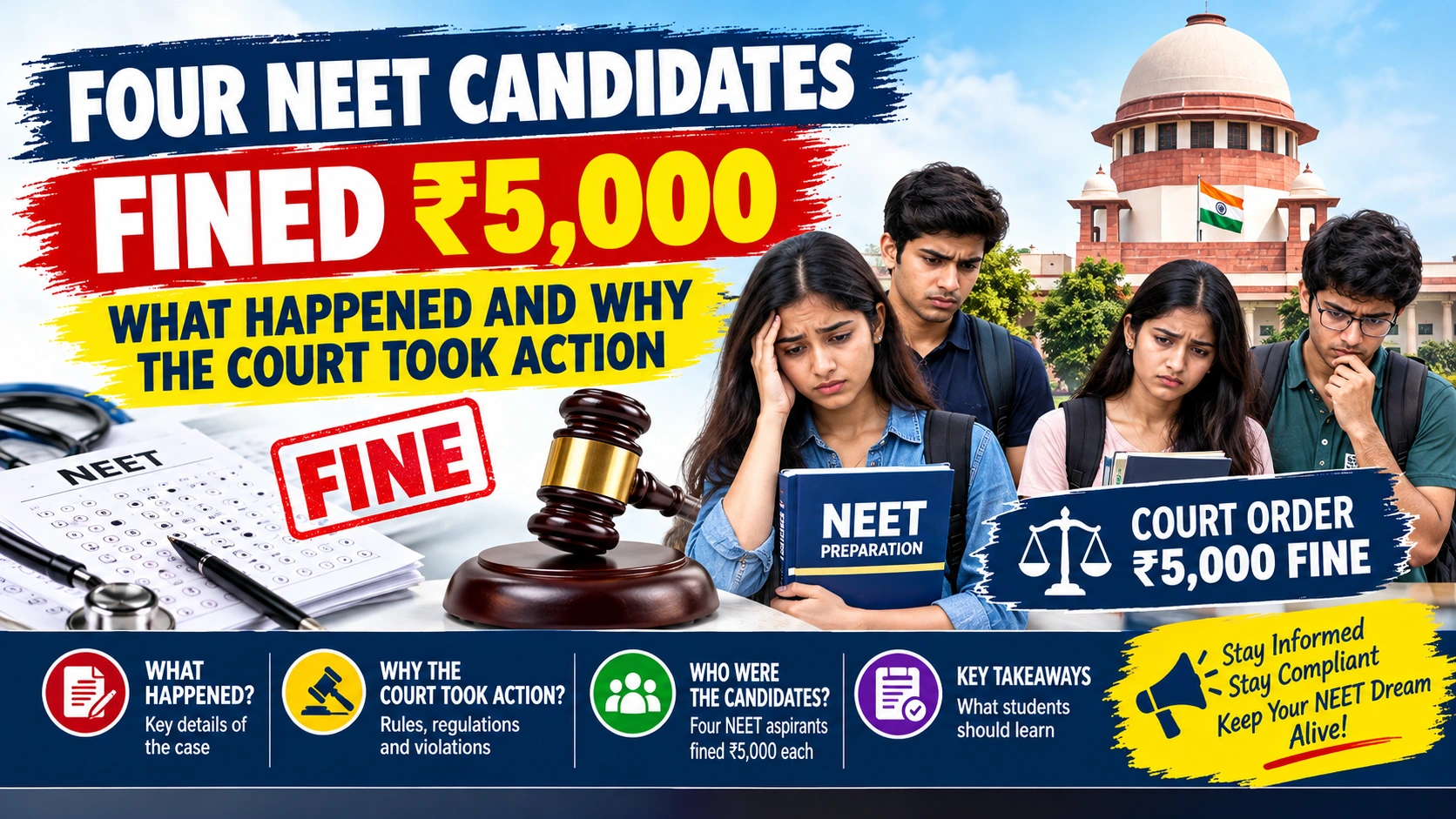
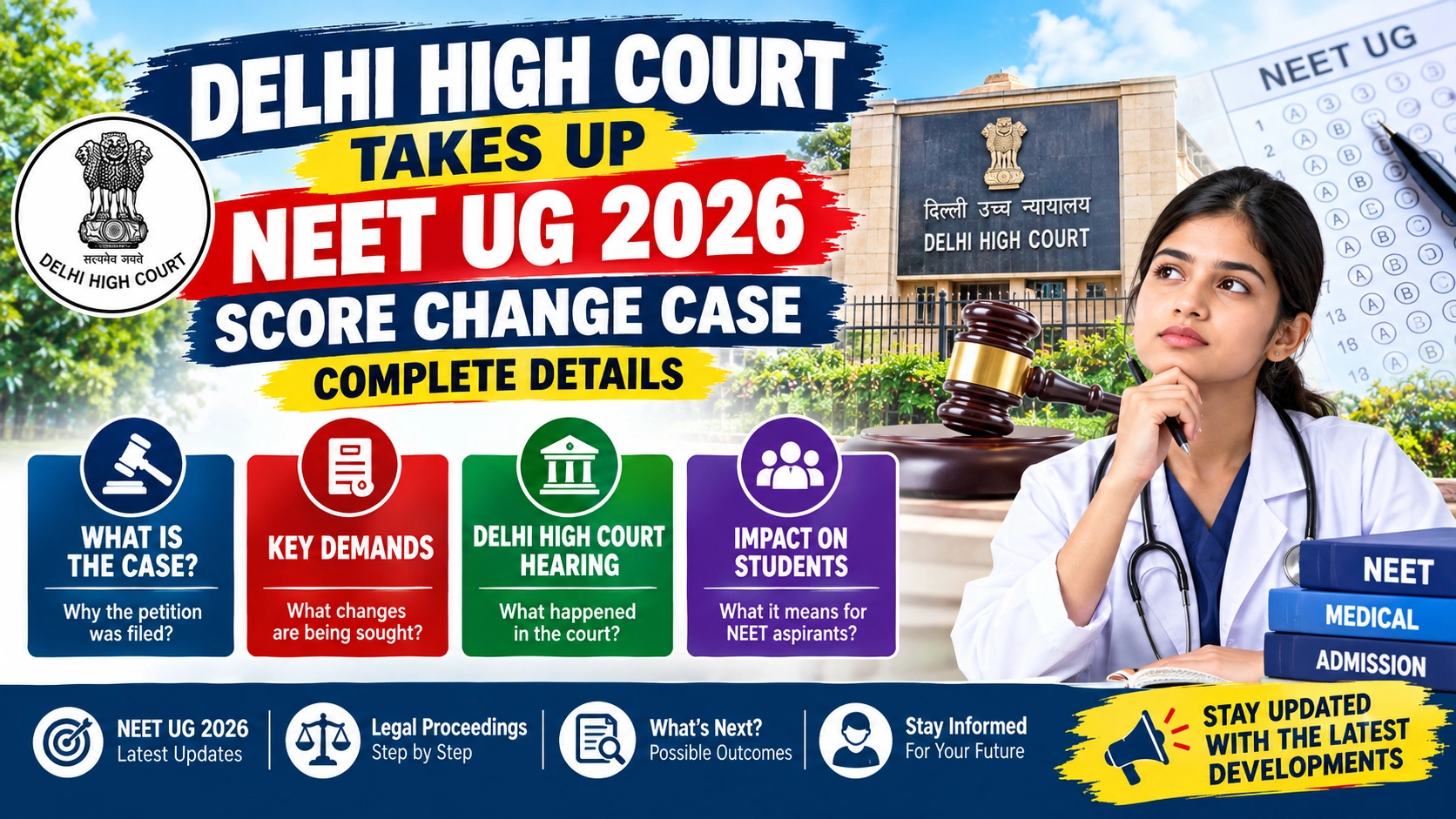
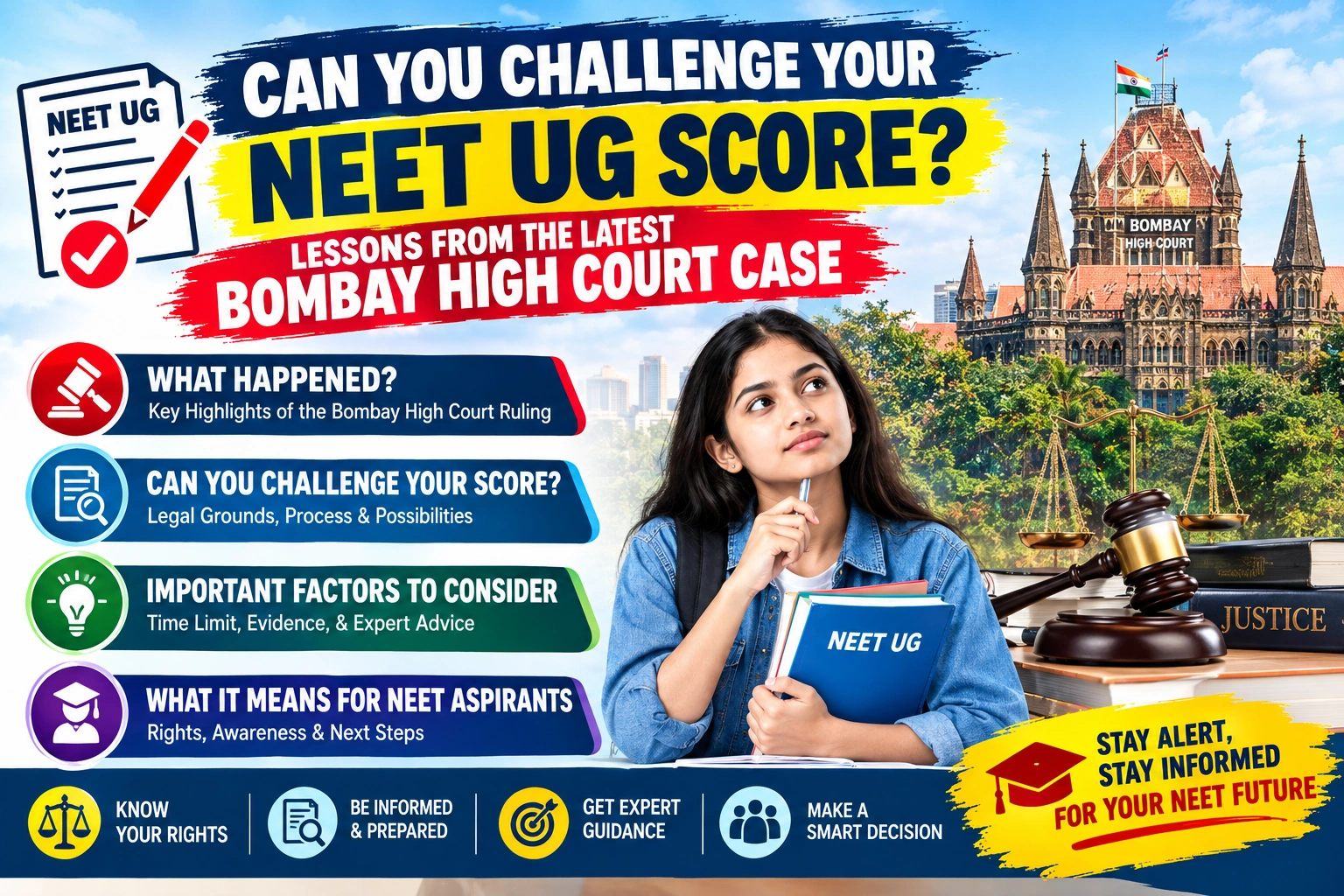
Four NEET-UG candidates went to the Bombay High Court claiming that their declared scores did not match the answers they had recorded. The court did something sensible before reaching a decision—it called for the original OMR sheets, had them brought from Delhi in sealed packets and examined the records directly. The result wasn’t what the petitioners expected. The Chhatrapati Sambhajinagar Bench found that the marks declared by the National Testing Agency matched the responses recorded on the original answer sheets. No evaluation error. No unexplained reduction. The court consequently imposed costs of ?5,000 on each of the four candidates, payable to the NTA. This wasn’t a criminal penalty for questioning an examination authority. It was a litigation cost imposed after the claims were found to be unsupported by the official records. That distinction matters, and MBBS Advisor explains the complete case without turning it into another frightening headline.
What Exactly Happened in the NEET Case?
The dispute followed the NEET-UG re-examination conducted on June 21, 2026. After the results were announced on July 16, a section of candidates alleged that their recorded marks were lower than the scores they expected from their OMR responses. Four candidates—identified in news reports as Hricha, Soham, Atharva and Rahul—filed petitions before the Chhatrapati Sambhajinagar Bench of the Bombay High Court. They claimed that errors had occurred during the evaluation of their answer sheets and challenged the results declared by NTA. The Division Bench comprising Justice N. B. Suryawanshi and Justice A. D. Shinde took the allegations seriously enough to seek original evidence. The candidates’ OMR answer sheets were brought from Delhi in sealed packets and placed before the court. The judges didn’t rely solely on NTA’s verbal defence. They checked the source records. Good move.
What Did the Candidates Claim?
The petitions broadly alleged that the results declared by NTA were incorrect and that discrepancies existed between the candidates’ expected scores and the marks finally awarded. Some complaints surrounding the re-examination were reportedly supported by OMR copies circulated or submitted for scrutiny. NTA had already warned candidates and parents that several OMR documents received during the complaint process appeared to be altered, fake or generated digitally. That doesn’t mean every candidate raising a grievance was dishonest. A genuine scanning error, record mismatch or evaluation mistake can occur, and students have the right to seek correction. But a legal claim must rest on verifiable material. Suspicion alone isn’t enough. Before approaching the court, the four candidates had reportedly used the OMR challenge facility available through the examination portal. NTA responded during that process. The dispute continued, and the candidates then sought judicial intervention. MBBS Advisor advises students to preserve the downloaded response sheet, provisional answer key, challenge receipt and every email exchanged with the testing agency. Without an organised record, even a genuine concern becomes difficult to prove.
How Did the Court Verify the Allegations?
Here the process becomes important. The High Court directed NTA to produce the original answer sheets rather than depending on photocopies or files supplied by either side. The OMR sheets arrived in sealed packets. The Bench examined them, and the candidates, their parents and their lawyers were reportedly given an opportunity to inspect the originals as well. This allowed direct comparison between the recorded responses, evaluation and marks shown in the results. After examining the material, the court found that NTA’s awarded marks were consistent with the answers recorded on the original sheets. The records did not show the evaluation error alleged by the petitioners. Reports on the final disposal use slightly different wording. Some stated that two petitions were dismissed after comparison while two candidates withdrew their pleas; others reported that all four matters were dismissed or disposed of. The point that remains consistent across reports is this: no discrepancy was found in the original OMR records, and each candidate was ordered to pay ?5,000.
Why Did the High Court Impose ?5,000 Costs?
Was the court punishing students simply for filing a case? No. Candidates retain the right to challenge administrative action, including an examination result, if they have credible grounds. The costs were imposed because the petitions were found to be based on incorrect or unsubstantiated information after the original documents were verified. Courts spend time, administrative resources and public money examining claims. NTA also had to arrange sealed records, appoint counsel and respond to the litigation. A cost order tells future litigants to verify their evidence before making serious allegations. It doesn’t close the courtroom door to students with genuine complaints. Quite the opposite—weak petitions can make it harder for legitimate cases to receive quick attention. The amount was ?5,000 per candidate, not ?5,000 divided among all four. The payment was directed to NTA. Also, “fine” is the word widely used in headlines, but “costs” or “litigation costs” describes the court’s action more accurately. Honestly, that small legal distinction changes the tone of the story. A criminal fine suggests an offence and conviction. A cost order concerns how litigation was brought or pursued.
Were the OMR Sheets Allegedly Tampered With?
The petitions emerged amid wider claims involving altered or digitally created OMR sheets. NTA had cautioned students between July 18 and July 20 against submitting fake or AI-generated response sheets, warning that false documents could lead to legal action. In these four cases, the original records did not support the claimed score discrepancies. Reports described the candidates’ claims as relying on material that did not match the authentic OMR sheets. Still, students should be careful with labels. Only a court order or formal investigation can determine whether a specific person knowingly created, altered or used a fabricated record. Forwarding a document received from another source and creating it personally are not automatically the same act. MBBS Advisor recommends one basic rule: download examination records only from the official NEET website. Don’t use an OMR image sent by a coaching group, Telegram channel or anonymous social-media account as the basis of a legal complaint.
What Is an OMR Challenge?
An OMR challenge allows candidates to question how their recorded responses have been read or evaluated. NTA usually displays a scanned OMR response sheet and provides a limited period for objections.
A student might raise a challenge if:
- A response visible on the official OMR image was not counted correctly
- The displayed sheet appears to belong to another candidate
- The booklet code or response data is mismatched
- A marked answer is shown as blank
- The calculated score doesn’t match the final result
The process normally requires an online submission and a prescribed fee. Exact dates, charges and procedures vary by examination year, so students should follow the current NTA notice rather than an old video tutorial. Use the MBBS Advisor NEET section to understand examination updates, but submit objections only through the official window. An email sent after the deadline may not preserve the same rights as a properly filed challenge.
What Students Should Do Before Going to Court
Legal action should normally come after the official grievance process has been used and documented. Not because courts are inaccessible, but because a judge will want to know whether the candidate first gave the examination authority a fair opportunity to correct the issue.
Download Records Immediately
NTA links may remain active only for a limited period. Save the scorecard, official OMR image, answer key, challenge confirmation and payment receipt in more than one location.
Calculate the Score Carefully
Apply the official marking scheme question by question. Separate answer-key objections from OMR-reading errors. They are different complaints and may require different remedies.
Use the Official Challenge Window
Submit the objection before the deadline and preserve the acknowledgement. Mention the exact question, response or data field in dispute. “My score feels too low” isn’t evidence.
Avoid Edited Images
Don’t crop away identifying data, enhance marks using editing software or rely on screenshots copied from social media. Courts and examination agencies can compare metadata, server records and original documents.
Seek Qualified Legal Advice
A lawyer should review the official records before filing. Ask for an honest assessment, even if the answer is uncomfortable. Filing quickly isn’t always filing wisely.
Request the Correct Relief
A candidate with an individual scoring dispute should usually seek verification or correction of that record. Demanding cancellation of an entire examination without evidence of a wider problem may weaken the case.
Does This Judgment Mean NTA Can Never Be Questioned?
Absolutely not. Examination authorities are subject to judicial review. Courts can order record production, direct correction of results and protect students from arbitrary action where evidence supports the complaint. In fact, this case shows that judicial scrutiny worked. The Bench required original answer sheets, permitted inspection and checked whether the declared marks matched the recorded answers. The outcome happened to support NTA. A different set of records could have produced a different order. Students should therefore avoid two extreme conclusions: that every complaint against NTA is false, or that every unexpected score proves manipulation. Evidence decides. Not anger, not trending hashtags. MBBS Advisor believes NTA can reduce disputes by providing clearer response sheets, downloadable audit records and a well-explained grievance outcome. A one-line rejection often creates more suspicion than it resolves.
Could the Candidates Have Faced a Higher Penalty?
Courts can impose higher costs in cases considered frivolous, misleading or an abuse of legal procedure. They may also order separate action if forged documents, false affidavits or deliberate misrepresentation are established. Here, each petitioner was ordered to pay ?5,000. The relatively limited amount may reflect the candidates’ status as students, though the reported order should be read for the court’s exact reasoning. A student should never assume that the worst possible outcome is losing the petition. Legal fees, court costs, missed counselling deadlines and the stress of proceedings can all add up. The safer approach: verify first. Challenge second. Litigate only with evidence.
Will the Case Affect NEET Counselling or Eligibility?
The order concerned the individual result challenges filed by the four candidates. It did not create a new NEET eligibility rule, alter the national counselling process or change the general qualifying criteria. Other candidates should continue following official admission schedules. NEET qualification remains compulsory for MBBS admission in India, and counselling is handled through MCC or the relevant state authority according to the seat category. College recognition should be verified through the National Medical Commission. NMC recognition and official counselling participation matter for an Indian medical college—not social-media claims about approval. Students considering a foreign university may consult the World Directory of Medical Schools and health-related resources from the World Health Organization. A WDOMS listing, however, isn’t an automatic guarantee of recognition or eligibility to practise in India. For families exploring an overseas option after an unfavourable result, the MBBS Abroad guide covers fees, course duration and licensing considerations. Don’t make that decision as an emotional reaction to one score dispute.
What the Case Teaches NEET Aspirants
This episode carries a lesson for both students and examination authorities. Candidates must check documents before accusing an agency of manipulation. A score differing from a coaching-centre calculation may result from a wrong answer key used by the student, negative marking, an incorrectly remembered response or a non-official OMR copy. NTA, on its side, should make the verification trail easy to understand. Candidates should be able to see the recorded response, official answer, marking outcome and objection decision without decoding technical language. There is another lesson too. Artificially created documents can now look convincing. Very convincing. Students need to treat any circulating scorecard or OMR sheet as unverified unless it comes directly from the official portal. MBBS Advisor strongly advises parents not to forward questionable documents while trying to help. A false file can turn a genuine worry into a legal problem.
Frequently Asked Questions
Why were the four NEET candidates ordered to pay ?5,000?
The Bombay High Court found no discrepancy between their original OMR sheets and the marks declared by NTA. Costs were imposed because the challenges were based on information that the official records did not support.
Was ?5,000 the total amount?
No. Each of the four candidates was directed to pay ?5,000, making the combined amount ?20,000.
Was this a criminal fine?
Reports commonly called it a fine, but it was imposed as a cost in court proceedings. The reported decision did not amount to a criminal conviction merely for challenging a result.
Did the judges inspect the original OMR sheets?
Yes. The original answer sheets were brought from Delhi in sealed packets. The judges examined them, and the candidates, parents and lawyers were reportedly allowed to inspect the documents.
Can another student still challenge a NEET result?
Yes. A student with credible evidence can use the official challenge mechanism and, where necessary, seek legal relief. This decision doesn’t prevent genuine challenges.
What should a student preserve after the NEET result?
Keep the scorecard, official OMR image, answer key, challenge receipt, fee receipt, emails and screenshots of portal submissions. Store both digital and printed copies.
Conclusion
The four students were entitled to question their results. The court was equally entitled to compare those claims with the original evidence and impose costs when the records did not support them. That is the central point. Not that students should remain silent. Not that NTA is beyond challenge. Only serious allegations need serious proof. If your NEET score appears wrong, act quickly but calmly. Download the official documents, calculate the marks again, use the challenge window and speak to a qualified lawyer before filing a petition. MBBS Advisor can help students understand the examination process, but any legal action should be built on authenticated records. Anything less can become expensive—?5,000 expensive, in this case.