 Russia
 Belarus
 Georgia
 Kazakhstan
 Kyrgyzstan
 Uzbekistan
 China
China Nepal
Nepal Bangladesh
 Poland
 Romania
 Slovakia
 Hungary
 N. Macedonia
 Vietnam
 Canada
 Armenia
 UK
UK Australia
 USA
USA Ireland
 Germany
 New Zealand
 Italy
Italy France
 Singapore
 Netherlands
 Sweden
 Switzerland
The recently erupted question leak scandal surrounding India’s NEET medical entrance examination has escalated into a major public crisis facing the country’s education system. The sequence of developments and chain impacts of this scandal directly point to deep-seated flaws in India’s medical talent selection system.
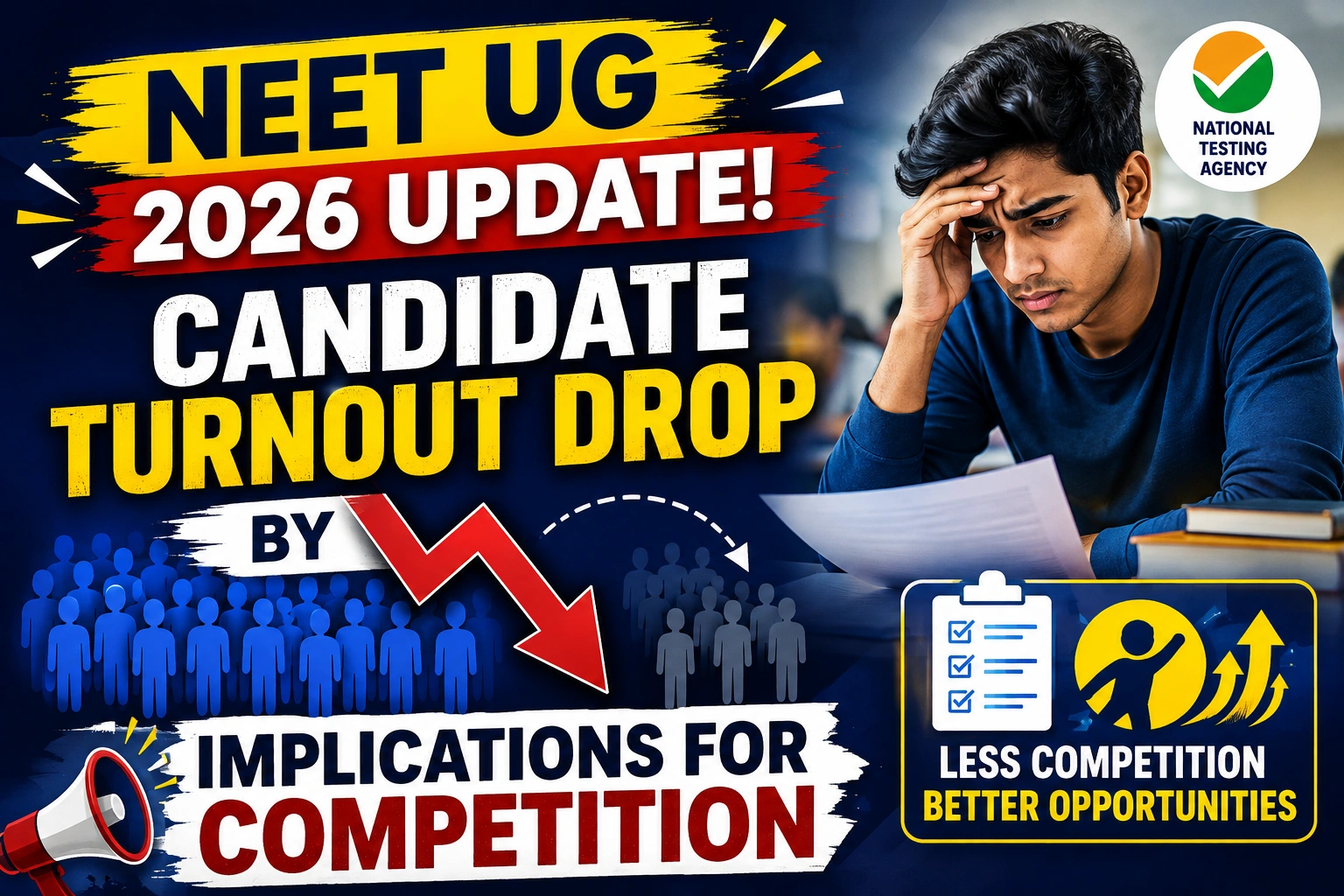
As one of the world’s largest medical entrance exams, NEET serves as the core threshold for Indian medical students to launch their professional careers. Each year, more than 2 million candidates compete for the limited number of seats in medical programs including MBBS, BDS, and AYUSH.
Most test-takers spend years of time and energy preparing for the exam, sacrifice their social lives, and also bear heavy financial costs. Amid this fierce competition, any exam violation could completely rewrite a candidate’s life trajectory.
The systemic misconduct exposed in this incident—including question leaks, organized cheating, and proxy test-taking—has not only shattered the public’s basic trust in the exam’s operation process, but also undermined the credibility of India’s entire medical education system.
It has sparked a nationwide debate over whether the current exam framework can safeguard fairness, forcing policymakers, education practitioners, and the vast majority of test-takers to confront the necessity of reforming medical entrance exams.
Public Concerns Over Traditional Offline Exams
The fact that the cheating network exploited management loopholes in the traditional pen-and-paper exam model to carry out its operations has also led the public to question whether the security of traditional offline exams can still be maintained in the current context of widespread digital communications and highly organized cheating operations.
Discussions among test-takers on education forums including Reddit centrally reflect this widespread collective anxiety.
Five Major Demands Raised by Candidates
Candidates have put forward five specific demands:
- Increasing exam transparency
- Speeding up investigations into violations
- Imposing strict penalties on cheating networks
- Upgrading end-to-end security systems
- Rolling out fair and unified standardized policies
Restoring the collapsed public trust cannot be achieved through temporary fixes; systematic long-term reform must be implemented.
This has made the inherent flaws of traditional offline exams a core issue that requires in-depth dissection in the next stage.
Core Security Vulnerabilities in Paper-Based NEET Exams
This paper first sorts out the core security vulnerabilities of the paper-based version of India’s national medical entrance exam NEET:
- Multiple handover points in physical transportation
- Logistics networks vulnerable to breaches
- Hidden security risks caused by intentional human interference
Growing Calls for Computer-Based Testing (CBT)
It then introduces calls from education experts, who state that national unified exams must strengthen technical safeguards and restart discussions on fully implementing computer-based testing (CBT).
Core Advantages of CBT
The core advantages of CBT are that it can drastically reduce risks related to the transportation and storage of paper exam papers, while also enabling:
- Randomized question generation
- Encrypted data transmission
- Upgraded proctoring systems
Practical Challenges in Implementing CBT
However, full digitalization is not a perfect solution, and India faces multiple practical barriers to rolling out CBT.
Uneven Digital Infrastructure
There is an uneven distribution of domestic digital infrastructure across the country.
Limited Internet Access in Rural Areas
Many rural areas still face limited internet connectivity.
Risk of Technical Failures
Unexpected technical failures during exams remain a major concern.
Threats of Cyberattacks
Authorities must also guard against cyberattacks targeting digital examination systems.
Insufficient Digital Literacy
Some test-takers in underdeveloped regions cannot meet the requirements of computer-based exams due to insufficient digital literacy.
Reforms must balance technological upgrades with equitable access.
Role of the National Medical Commission in Reforming Medical Education
As the regulatory authority, India’s National Medical Commission (NMC) has core functions of overseeing national medical education and maintaining unified school operation standards.
Its founding mission was to improve the transparency, accountability, and training quality of medical education.
Recent NMC Reforms
In recent years, its reforms have covered areas including:
- Student enrollment
- Internship arrangements
- Tuition control
- Test-taker grievance mechanisms
The successive exam paper leak scandals surrounding NEET have forced the NMC to speed up upgrades to its proctoring system and advance exam modernization.
Future Technologies Expected in NEET Reform
Experts predict that future reform measures will include:
- AI proctoring
- Biometric verification
- Real-time test-taker tracking
- Encrypted electronic exam papers
- Strengthened full-process auditing
The sector’s core logic has also shifted from merely completing the exam administration process to comprehensively safeguarding the credibility and fairness of exams.
Importance of Global Medical Education Standards
To align with global medical education standards, the World Health Organization has long emphasized the importance of global medical education quality and the construction of ethical healthcare systems.
The World Directory of Medical Schools is responsible for listing all globally compliant medical schools.
The recent series of NEET-related scandals has damaged the international reputation of India’s medical education.
Indian medical students’ applications for overseas licensing exams and international residency programs rely heavily on their home country’s transparent enrollment processes and compliant education standards.
Rising Demand for Studying MBBS Abroad
The uncertainty and extreme competitiveness of NEET have also driven up demand among Indian students to pursue an overseas Bachelor of Medicine, Bachelor of Surgery (MBBS).
Popular Study Destinations
Popular study destinations include:
- Georgia
- Kazakhstan
- Russia
- Uzbekistan
- Kyrgyzstan
Their core appeal lies in low tuition fees, and all their host institutions hold major global medical education accreditations.
Currently, many Indian students use the MBBS Advisor platform for guidance related to overseas MBBS admissions, medical university selection, eligibility criteria, and international admission procedures.
Official Warning for Students Planning to Study Abroad
This year’s question paper leak controversy surrounding India’s NEET medical entrance exam has exposed deep flaws in the country’s domestic examination system.
The incident has not only directly sparked a boom among Indian students seeking to study medicine abroad, but also prompted India’s National Medical Commission (NMC) to issue a special official warning.
Students planning to study overseas are required to verify that their target foreign medical school:
- Meets India’s regulatory requirements
- Is listed in the World Directory of Medical Schools (WDOMS)
To avoid the risk of their academic qualifications not being recognized.
Technology Alone Cannot Eliminate Exam Fraud
This article also corrects a widespread public misconception: many people believe that advanced technology alone can eliminate exam fraud.
However, in reality, even after rolling out computerized exam systems, authorities still face 5 distinct types of potential cheating risks.
Technological upgrades alone are far from sufficient.
Need for Comprehensive Governance Measures
5 comprehensive governance measures must be implemented alongside these upgrades, with the core logic that without supporting institutional accountability, even the most advanced technology cannot function effectively.
Mental Health Impact on Medical Candidates
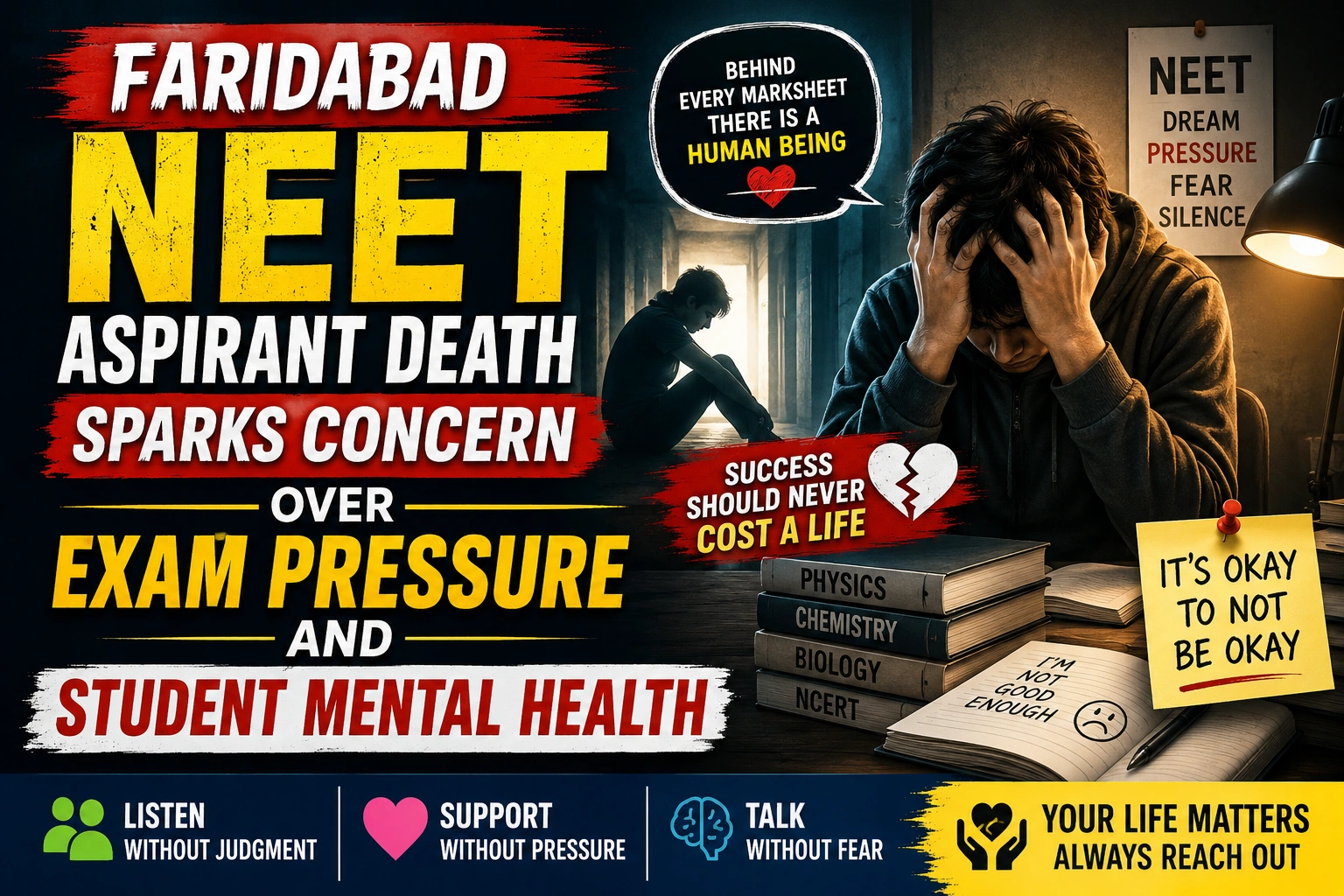
The question paper leak incident has also caused 5 specific types of mental health harm to the medical candidates who took this year’s exam.
This article calls for the allocation of professional mental health counseling resources and the popularization of mental health literacy during India’s high-pressure exam cycles.
It stresses that academic success must never come at the cost of candidates’ emotional well-being.
Upcoming Reforms in India’s Examination System
Currently, 6 reform measures for India’s exam system are waiting to be implemented.
If advanced properly, these measures will drive the modernization of India’s medical entrance exams.
Root Causes Behind the Exam Fraud Ecosystem
From the perspective of underlying social roots, the exam fraud ecosystem involves 5 categories of participating actors.
Only when the entire society collectively rejects unethical shortcuts, and rebuilds a culture that values merit, integrity and fairness, can we fundamentally eliminate the conditions that allow such cheating incidents to occur repeatedly.
Conclusion
The question paper leak scandal surrounding India’s NEET medical entrance examination has forced the country to launch a necessary yet uncomfortable discussion concerning the future of its national medical entrance exam system.
The core of this incident is far from merely a lapse in the administration of a single test; rather, the core task at hand is to rebuild public trust in the entire examination framework that shapes India’s future medical practitioners.
Five Proposed Reform Pathways
We propose five pathways for reform:
- Transparency
- Technological modernization
- Institutional accountability
- Strengthened law enforcement
- Student-centered policies
To uphold global medical education standards, these reforms will draw on support from India’s National Medical Commission, the World Health Organization, and the World Directory of Medical Schools.
Only by safeguarding merit-based selection through integrity and transparency can students’ own efforts, rather than corruption, determine their future.