 Russia
 Belarus
 Georgia
 Kazakhstan
 Kyrgyzstan
 Uzbekistan
 China
China Nepal
Nepal Bangladesh
 Poland
 Romania
 Slovakia
 Hungary
 N. Macedonia
 Vietnam
 Canada
 Armenia
 UK
UK Australia
 USA
USA Ireland
 Germany
 New Zealand
 Italy
Italy France
 Singapore
 Netherlands
 Sweden
 Switzerland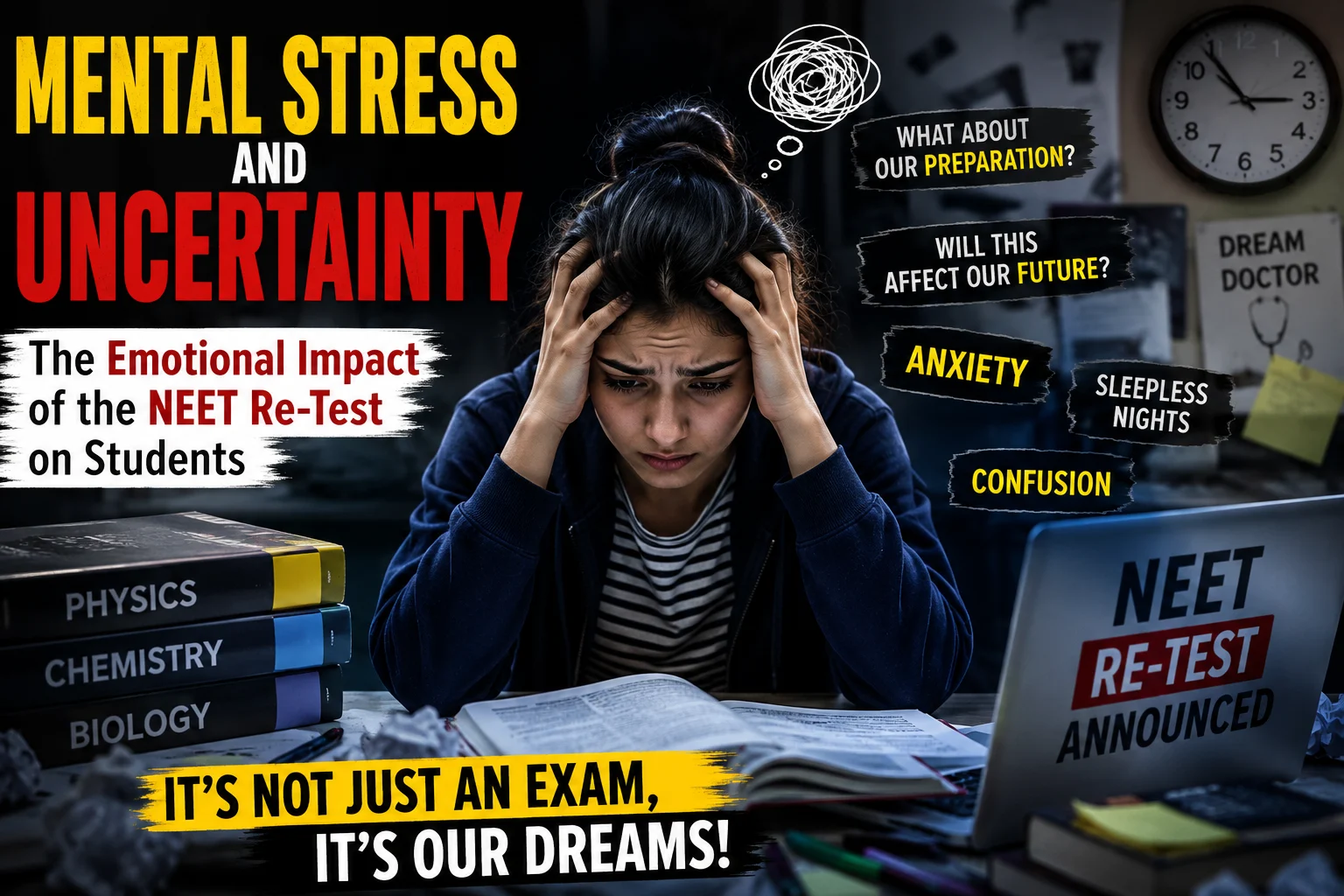
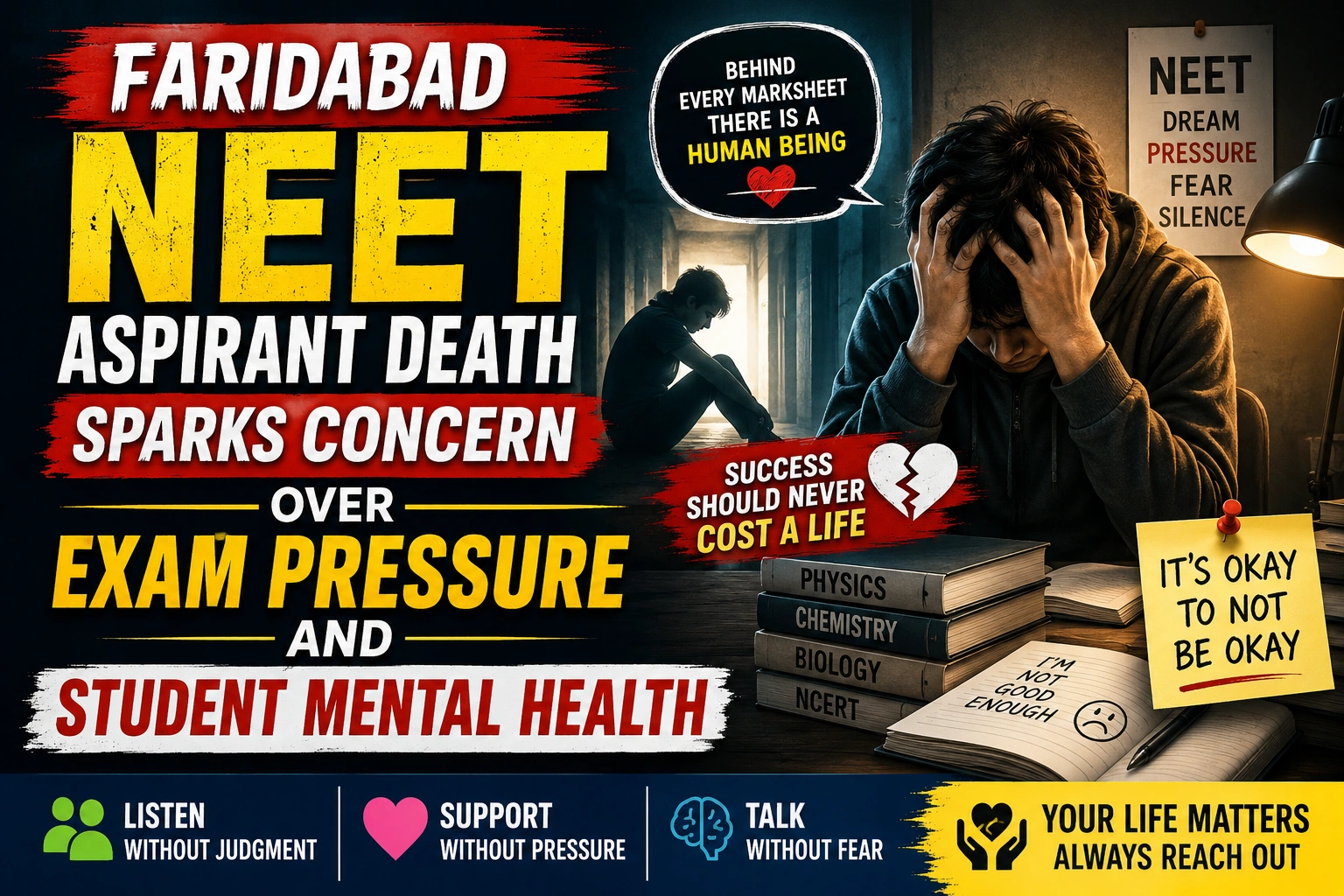
The NEET exam is one of India’s most significant and most imposing entrance tests. Every year, millions of students aspire to be a doctor through the months and years of preparation. However, with incidents and controversies such as paper leaks, re-exams, and result uncertainty, the burden becomes much more apse for the students.
The announcement or even the discussion of a possible NEET re-test further adds pressure to the students, not just on an academic level, but also on a psychological level. Although this psychological pressure is often disregarded, it has a very negative impact on students’ performance, self-esteem and mental health.
For students facing challenges with the psychology of choice to study medicine, NEET result uncertainty, and available options to study abroad, MBBS Advisor offers valuable advice and mental support on counselling and admission processes as well as alternative pathways.
The Emotional Pressure of a NEET Re-Test
A re-test scenario is much more than an additional exam. It is a disruption of a student’s long and carefully planned academic step. Most NEET students have a very rigorous timetable for revision and preparation.
When this schedule is disrupted, students feel:
Loss of focus
Anxiety about preparation validity
Fear of competition changes
Emotional fatigue
Confusion about strategy
Psychological Effects of Uncertainty
1. Anxiety and Overthinking
Students begin questioning:
- Have I studied enough?
- Will the exam be harder?
- Will my rank change?
2. Loss of Motivation
A sudden exam change reduces confidence in preparation.
3. Competition Reset Fear
- Higher cut-offs
- New competitors
- Loss of advantage
4. Sleep Disruption
Stress causes insomnia, fatigue, and reduced focus.
The Weight of Expectations
NEET preparation is not just individual effort—it involves families emotionally and financially.
When uncertainty increases, expectations and pressure also rise, making the situation heavier for students.
Academic Disruptions Caused by Re-Exam
Students face interruption in:
- Revision schedules
- Mock tests
- Study timelines
- Subject planning
This leads to confusion, loss of confidence, and inconsistency.
Information Overload via Social Media
During NEET controversies, students are exposed to:
- Leak rumours
- Cut-off predictions
- Social media debates
- Ranking assumptions
This leads to anxiety, panic, and reduced concentration.
Self-Confidence Impact
Common thoughts include:
- I am not prepared enough
- Others are ahead
- I may lose my rank
Self-confidence is crucial in NEET success.
Coping Strategies and Guidance
Students try to manage stress through revision, mock tests, and peer support.
Counseling Support
MBBS Advisor helps students with:
- Counseling guidance
- College selection
- Backup planning
- Study scheduling
Importance of Mental Health in NEET Preparation
A positive mindset improves:
- Memory
- Focus
- Performance under pressure
- Consistency
Without mental stability, even well-prepared students may underperform.
Long-Term Effects of Stress
Prolonged stress may cause:
- Burnout
- Emotional exhaustion
- Loss of interest
- Fear of failure
Once admissions stabilize, most students recover emotionally.
How Students Stay Mentally Strong
1. Accept Uncertainty
Understanding exam unpredictability reduces stress.
2. Focus on Core Preparation
- Revision
- Mock tests
- Concepts
3. Maintain Routine
Helps restore balance.
4. Exercise
Improves mental clarity.
5. Communication
Talking with family and friends reduces pressure.
External Institutional Context
Medical education and examination standards are globally benchmarked and monitored by major institutions:
- The World Health Organization (WHO) emphasizes global health education standards and fairness in medical training systems.
- The National Medical Commission (NMC) regulates medical education and institutions in India.
- NEET (National Eligibility cum Entrance Test) is the official entrance exam for MBBS admissions in India.
- The World Directory of Medical Schools (WDOMS) maintains global recognition standards for medical universities.
These institutions collectively define how medical education credibility is maintained internationally.
Conclusion
The emotional impact of a NEET re-test extends beyond academics into mental health, confidence, and emotional stability.
Students need structured guidance and emotional support systems to navigate uncertainty effectively.
Platforms like MBBS Advisor help students transition from stress to clarity during counselling and admission stages.
Ultimately, success in medicine depends not only on preparation but also on resilience, mental strength, and informed decision-making.