 Russia
 Belarus
 Georgia
 Kazakhstan
 Kyrgyzstan
 Uzbekistan
 China
China Nepal
Nepal Bangladesh
 Poland
 Romania
 Slovakia
 Hungary
 N. Macedonia
 Vietnam
 Canada
 Armenia
 UK
UK Australia
 USA
USA Ireland
 Germany
 New Zealand
 Italy
Italy France
 Singapore
 Netherlands
 Sweden
 Switzerland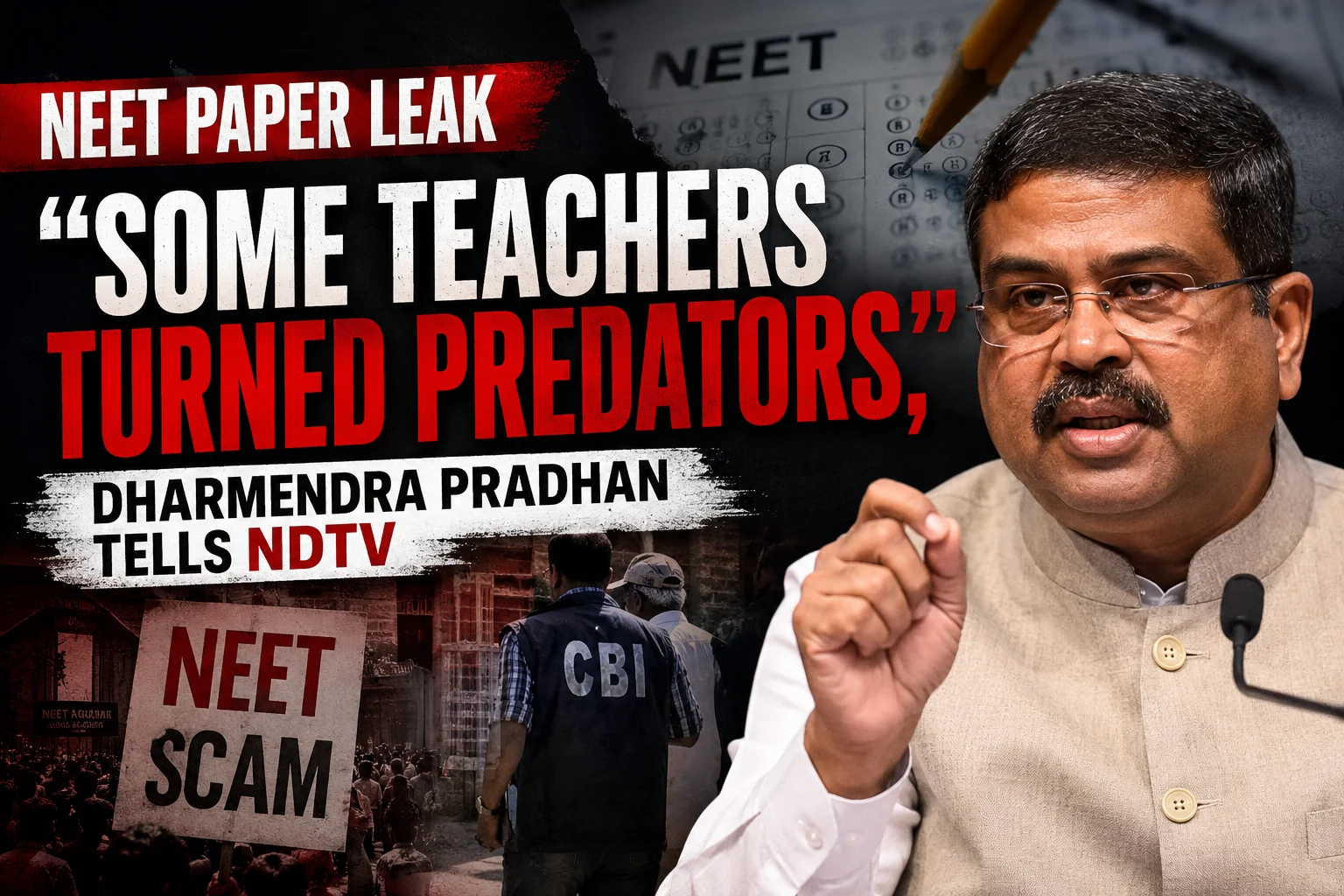
Introduction
The NEET paper leak incident has brought back the focus on the examination system for medical aspirants. There is a lot of speculation on the fairness of the system, as thousands of students confirm their dreams of becoming doctors by applying for the limited number of seats available. During a recent interview with NDTV, Union Education Minister, Dharmendra Pradhan stated that “some teachers turned to predators,” and squarely blamed the people who exploited students and used loopholes in the system for their personal benefits.
The National Eligibility cum Entrance Test (NEET) is one of the toughest entrance exams in India. The paper is highly competitive, as millions appear for the exam, of which the majority will not be able to find a place in the medical college of their choice. There is an immediate impact of NEET paper leak allegations on the most significant stakeholders, which include the students, their parents, teachers, educational institutions, and policy makers.
The most recent events have brought back the discussions on the safeguards for the integrity of the examination systems, accountability, technology, and the future of medical admission in India. During the ongoing investigations, the educational community is expecting and calling for change in the medical entrance systems that will allow justified and fair opportunities for the best candidates.
The NEET guidance page on the MBBS Advisor provides aspiring medical aspirants with thorough information on the examination. The guidance page can be accessed here.
NEET - The Entry to the Medical Profession in India
The NEET is the single entrance examination for admission to MBBS, BDS, AYUSH, Veterinary, and other allied healthcare courses in India.
Every year, exams are held for aspiring doctors that have far-reaching implications for millions of candidates across India.
The importance of NEET is not confined to admissions. It is a tool to safeguard the integrity of the medical selection process and ensure uniformity in the quality of medical education. The exam is conducted as part of the framework established by the NMC. NMC is the regulatory authority for medical education in India and is responsible for maintaining standards in medical training.
To gain insights on admission procedures and to obtain relevant information on medical colleges, students usually depend on recognized educational platforms like MBBS Advisor. However, when the papers are alleged to be leaked, and the examination integrity is questioned, the entire ecosystem becomes discredited. Students who have devoted themselves to preparation for the test for several years feel disadvantaged.
Strong Statements from Dharmendra Pradhan on Paper Leak Scandal
In a recent interview with NDTV, Education Minister Dharmendra Pradhan employed strong language to describe the paper leak network, which can be interpreted as an instance of betrayal of students and society, by those who are supposed to serve the education sector.
The government perceives the betrayal of students as serious when it is stated that "some teachers have turned into predators." Pradhan emphasized that the government would address the situation with the severity it deserved. It was reaffirmed that the government had placed the needs of honest students, who had devoted themselves for years to preparation for the competitive test, above all else.
The statement has sparked many debates in the education sector. Experts are insisting on modifying the entire structure of examinations and their overseeing systems.
Why do NEET Paper Leak Allegations Matter?
The repercussions of a paper leak are not confined to one examination and have an influence on multiple parties.
What is the Effect of NEET on Candidates?
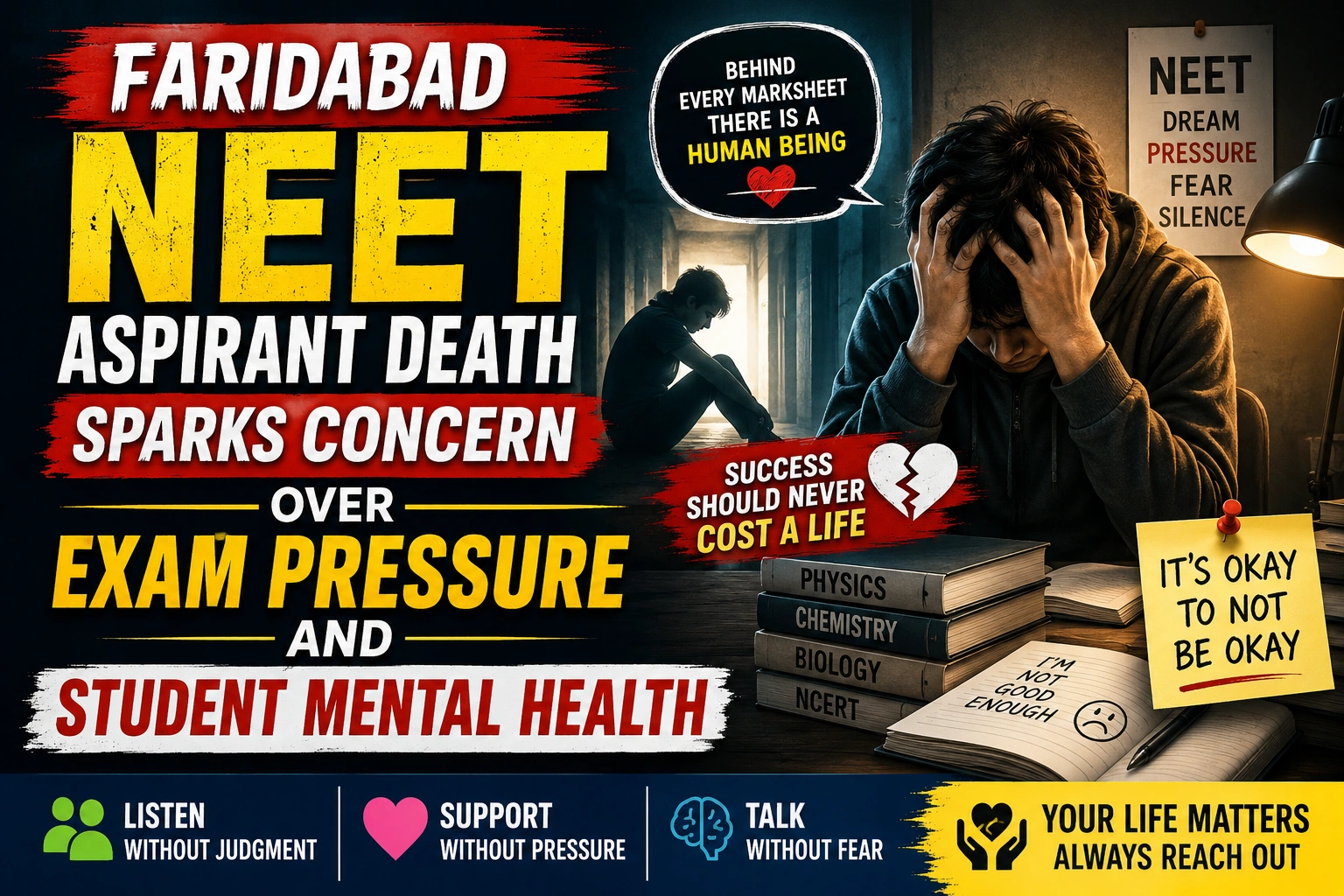
The consequences for candidates may be emotional, psychological, or academic. Many candidates devote years to preparation, often isolating themselves from their peers and disregarding social and recreational activities.
Upon the announcement of a potential leak, candidates may suffer from the following:
- Concerns regarding the integrity of the examination.
- Distrust towards the examination authorities.
- Psychological strain and insecurity.
- Concerns about being chosen in a competition where selection is of merit.
What is the Effect of NEET on Family?
The family of many candidates is subjected to enormous financial stress to facilitate the candidate's medical dreams. Family members must pay for coaching, materials, lodging, and travel.
Disrupting and compromising the examination system puts the candidates' investment of time and efforts at risk.
What is the Effect of NEET on the Future of the Medical Profession?
The selection of the most competent candidates is the foundation of the future of medical education. The compromise of examination and selection systems will be detrimental to the future Healthcare and Medical Professionals.
Many authorities continue to insist on the importance of integrity and the examination and selection system in Medical education.
Investigation into the Alleged Leak System
Authorities have dedicated significant attention to the alleged leak system and have launched an investigation to identify those who have provided illegal access to the examination.
Typically, an investigation will include the following:
- Examination of available digital evidence.
- Validation of communication logs.
- Monitoring of financial transactions.
- Audits of examination centers.
- Intermediaries and facilitators recognition.
It has been stressed by officials that high-ranking officials or common people will be dealt with by law if found guilty.
Concerns about this issue have led to discussions about improving security and monitoring systems during exams.
Role of Technology in Examination Security
To prevent leaks and unauthorized access, modern entrance exams rely on technology.
To strengthen examination security, experts suggest the following systems:
Secure Digital Infrastructure
The risk of unauthorized access can be improved by transmitting digitally sealed question papers.
Real-Time Monitoring
Artificial intelligence and more sophisticated surveillance can be used to detect suspicious behaviors in exam centers.
Multi-Layer Authentication
Access to exam materials can be limited by multiple layers of authentication.
Digital Tracking Systems
Question papers and answer sheets can be digitally logged at all levels, creating responsibility and traceability.
Many experts on education policy suggest that protecting future examinations from issues of this nature requires investment in technology systems.
Uncertainty for NEET Aspirants
Even with ongoing issues of leaked examination papers, millions of students continue to work on their studies and exam preparations. NEET aspirants work for the coming exam cycles and keep themselves informed on news and updates.
One of the concerns students have is to understand the likely rank they will receive after taking the examination. NEET Rank Predictor and similar tools aid students in determining their likely rank after examinations and help them develop rank-based counseling strategies.
With each passing year, competition for medical school enrollment becomes more fierce, making these resources more important than ever.
Global Standards and the Strides Towards Transparency
Because medical education spans the globe, international companies and regulatory systems demand fairness and transparency in the admissions systems.
The WHO is committed to creating healthcare systems in member countries that place competent professionals in the field. Fair admissions systems are central to this.
Similar structures in the WDOMS must have educational resources that create and maintain professional standards and international mobility.
India is one of the most popular medical education destinations. Maintaining that status hinges on the integrity of its medical school admissions.
Public Response to the Outrage
There has been serious outrage in the medical education community and the general public.
University students have a right to be outraged. There are so many stories of testing injustice and fairness has been the primary demand on social media. The system needs to be reformed.
Restoring belief in the system requires more than investigation. Lasting reform, accountability, and transparent communication are priorities.
Many have given positive feedback to the officials for their efforts to implement investigative reform.
Building Trust in India's Testing System
Trust is invaluable for any competitive testing system. Reestablishing that trust takes time and sustained effort.
Educational experts have suggested these reforms:
- Upgrading testing safeguards.
- Testing system audits conducted with full independence.
- Greater transparency regarding the results of investigations.
- Fast-tracking responses for reported irregularities
- Harsher punishments for examination-related crimes
- Better collaboration between educational institutions and law enforcement
Enacting these measures will help increase public trust and protect the interest of deserving candidates.
The NEET Paper Leak Controversy is in the news, but medical aspirants need to focus on the things that truly matter. Success in the Medical Industry requires Persistence, Discipline, and Dedication.
We advise you to ignore the unofficial sources and focus on legitimate, verified sources. For instance, MBBS Advisor is an excellent platform for Medical Admissions, Counseling, Medical Colleges, and Examination Updates.
The Indian Medical Education System will not change substantially if we rely on investigations alone. Every single member in the industry: Institutions, Educators, Regulators, and Policymakers, need to come together and uphold the system and retain integrity.
The seriousness of the alleged NEET Paper Leak Controversy of "Some Teachers have Turned Predator" as was stated by Dharaminder Pradhan, shows just how important Examination Integrity has become, and the seriousness, in the Education System, of holding people accountable.
For millions of NEET Candidates, achieving fairness is the most important thing. This is the basis for their dreams. While investigations are ongoing, students, parents, and all educational personnel hope that India’s Examination System will improve and there will be greater accountability.
The NEET Paper Leak Controversy shows that protecting Integrity of Competitive Exams requires vigilance, advanced technology, openness and accountability across institutions.
By enhancing security provisions and ensuring responsibility, India can reinforce NEET's credibility and maintain India being a sought after country to pursue medical studies as endorsed by WHO, NMC and WDOMS.