 Russia
 Belarus
 Georgia
 Kazakhstan
 Kyrgyzstan
 Uzbekistan
 China
China Nepal
Nepal Bangladesh
 Poland
 Romania
 Slovakia
 Hungary
 N. Macedonia
 Vietnam
 Canada
 Armenia
 UK
UK Australia
 USA
USA Ireland
 Germany
 New Zealand
 Italy
Italy France
 Singapore
 Netherlands
 Sweden
 Switzerland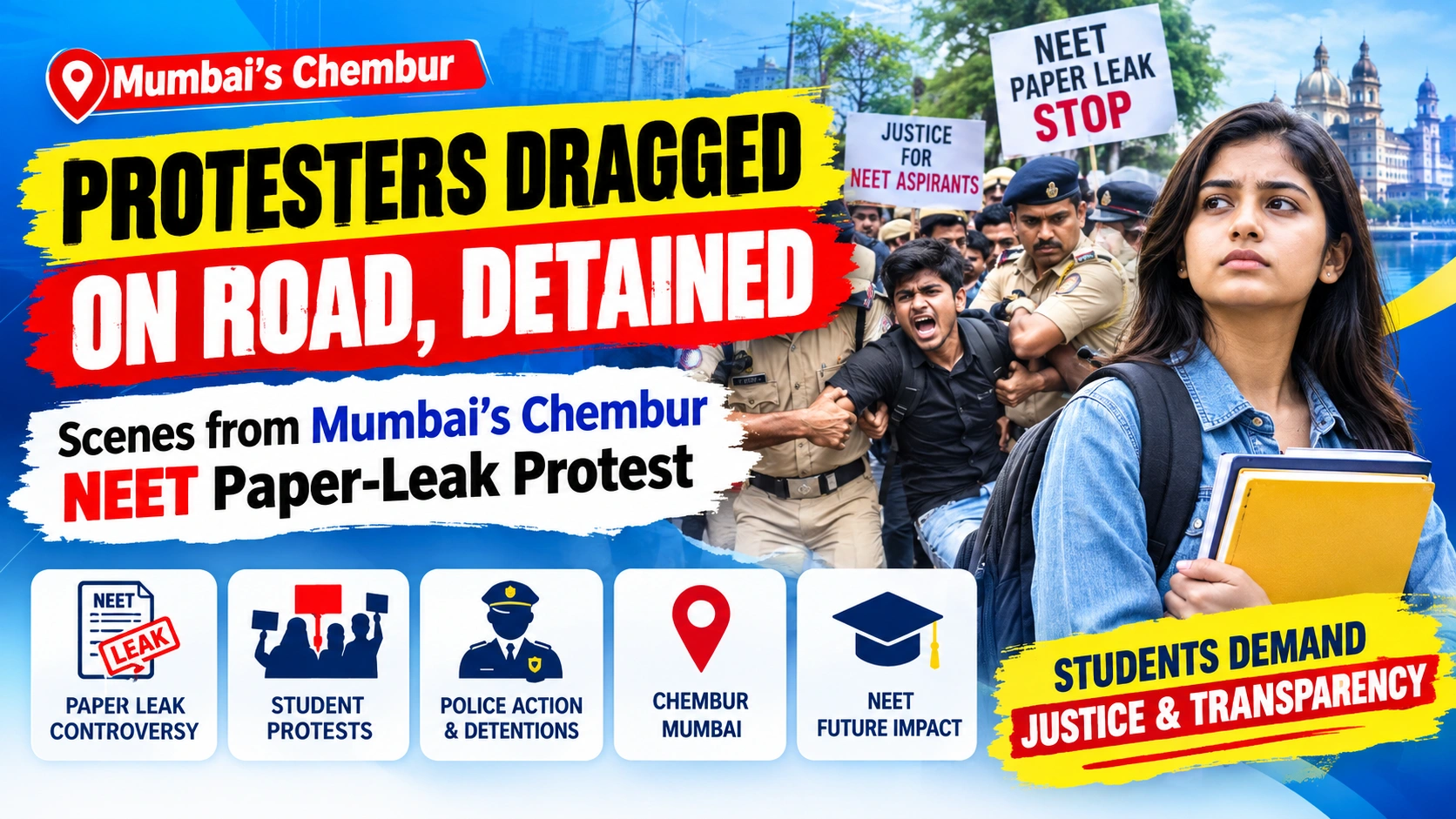
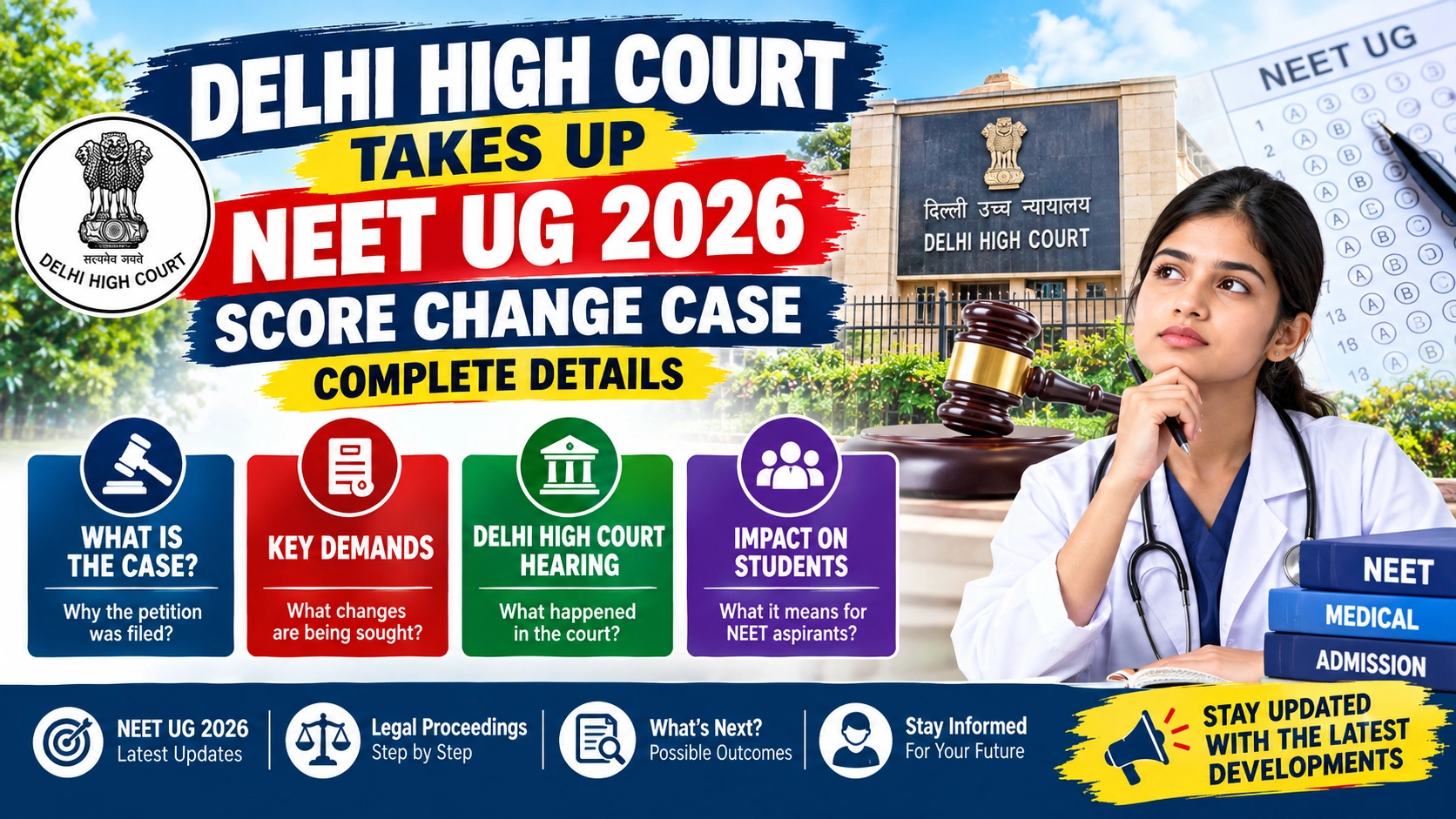
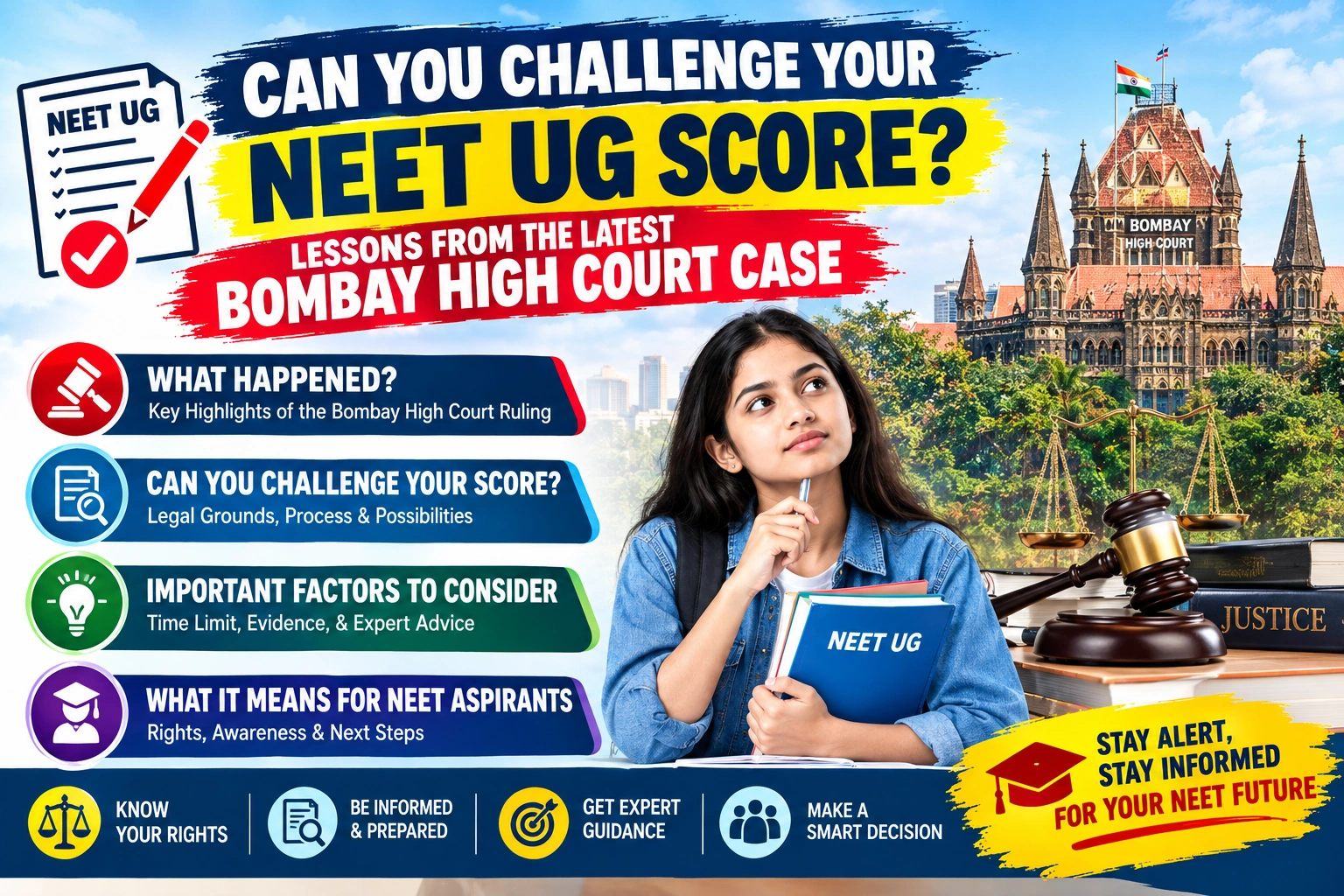
Students preparing for NEET usually expect pressure from mock tests, cutoffs and counselling uncertainty. What they don’t expect is to see fellow aspirants being dragged across a road and taken into police vehicles while demanding answers about an examination that can decide their entire medical career.That was the disturbing picture from Mumbai’s Chembur area on July 22, 2026.Close to 300 people, including students, parents and supporters, reportedly gathered near Dr Babasaheb Ambedkar Garden in Chembur to protest alleged irregularities connected with the NEET examination. A heavy police deployment was already present at the location. As the crowd raised slogans and demanded accountability, several protesters were detained. Visuals and eyewitness accounts alleged that some participants were physically dragged towards police vehicles.The scenes quickly turned a local gathering into a wider discussion about examination transparency, student rights and the use of force during peaceful demonstrations. For students following the controversy through MBBS Advisor, the question is no longer limited to whether a paper was compromised. It is also about how authorities respond when aspirants and parents ask for a fair investigation.
What Happened at the Chembur Protest?
By Wednesday afternoon, groups of students, parents and political workers had started gathering at Dr Babasaheb Ambedkar Garden. The protest was organised in support of a wider agitation over the alleged NEET paper leak and reported irregularities in competitive examinations.Placards were visible. Slogans followed.According to reports from Mumbai, protesters demanded reforms in the examination system, action against those responsible for alleged malpractice and greater accountability from the authorities handling high-stakes entrance tests.Police personnel surrounded the gathering as the number of participants increased. Officials reportedly asked the crowd to disperse, citing restrictions on public assembly and concerns about law and order. When protesters remained at the site, detentions began. Some were lifted by police officers. Others were pulled along the road before being placed inside vans, eyewitnesses alleged. Several people also claimed that they were stopped while travelling towards the protest venue. No student preparing for medicine should have to reach this point. Honestly, that is the part many official statements tend to miss.
Why Were Students and Parents Protesting?
Why does an alleged examination leak create such intense anger? Because NEET isn’t just another test.It is the common entrance examination for undergraduate medical admission across India. A difference of a few marks can alter a student’s rank by thousands of positions, affecting government-college chances, fee burden, preferred state and, in some cases, whether the student can study medicine at all.The allegations had raised concerns about whether every candidate received a fair and equal opportunity. Protesters wanted an impartial investigation, action against people involved in any wrongdoing and safeguards to prevent similar incidents.Students were also demanding clarity. Rumours move faster than official updates during an examination controversy, leaving aspirants unsure about results, re-examination decisions, counselling schedules and the validity of their scores.MBBS Advisor advises candidates to rely on the official NEET website for notices concerning examinations, answer keys, results and counselling-linked updates. Social-media posts can alert students to an issue, but they can’t replace an authenticated public notice.
Detentions Changed the Mood on the Ground
The gathering may have begun with slogans and placards, but police action changed its character. Fast.Videos and photographs from Chembur appeared to show protesters being carried or dragged as officers attempted to clear the area. Several participants were put inside police vans and taken to the local police station. The remaining crowd was later dispersed.The exact number of people detained was not immediately clear across reports, though a large number of participants were removed from the protest site. Supporters and political representatives later visited the police station, and detained protesters were reportedly released after intervention.This distinction matters: detention during a protest does not by itself mean that a participant has been convicted of any offence. It is a temporary police measure, generally used to prevent an anticipated breach of public order or to remove people from a restricted gathering.Still, the manner of detention drew criticism.Students preparing to join medicine are taught to listen to distress, assess evidence and protect human dignity. Seeing young protesters dragged on a public road while asking for examination accountability naturally creates discomfort. You don’t have to agree with every slogan to recognise that.
Protests Spread Across Mumbai
Chembur wasn’t the only protest location that day. Demonstrations and police activity were reported in Dadar and parts of south Mumbai as well.At Regal Cinema Chowk, Maharashtra Congress president Harshvardhan Sapkal, Congress Legislature Party leader Vijay Wadettiwar and former minister Naseem Khan were reportedly stopped while heading towards the Maharashtra BJP office. Police took them away in vans and moved them to Colaba police station.The leaders had planned to present copies of the Constitution to BJP representatives as a symbolic protest.At Shivaji Park in Dadar, police stopped a woman wearing a burqa during a demonstration. Sharmila Thackeray, wife of Maharashtra Navnirman Sena chief Raj Thackeray, reportedly sat beside the woman in support. Protesters also gathered outside Shiv Sena Bhavan and raised slogans against the Union government and education authorities.Political participation brought greater visibility to the issue, though it also introduced another debate: was this still a student protest, or had it become a political confrontation?Probably both. That’s the messy reality.
What Did the Protesters Demand?
The central demands were tied to fairness and accountability rather than ordinary admission grievances. While different groups used different slogans, the broad concerns included:
- A transparent investigation into the alleged NEET paper leak
- Identification and prosecution of individuals involved in examination malpractice
- Protection of students who participated in peaceful protests
- Clear communication from examination authorities
- Reforms in paper preparation, transportation and centre-level security
- Accountability from responsible officials
- Safeguards against future leaks and organised cheating networks
- Protection of genuine candidates’ ranks and admission chances
For aspirants, delay itself has a cost. Counselling decisions affect travel, hostel bookings, education loans and document preparation. Families cannot plan properly if they don’t know whether an examination result will remain valid. The MBBS Advisor NEET section helps candidates track examination-related explanations, but any decision involving a scorecard, counselling registration or document deadline should be checked against the official authority.
Allegation, Evidence and Confirmed Findings Are Different
Here, a little caution is necessary. The phrase “NEET paper leak” was central to the protest, but responsible reporting must distinguish between an allegation, evidence collected by investigators and a final judicial or official finding. Protesters may believe the examination was compromised. Investigating agencies may arrest suspects or file charges. Yet responsibility must still be established through due process.That doesn’t make the students’ concerns unimportant. Quite the opposite.A credible investigation should tell candidates what happened, how many centres or students were affected, whether leaked material reached examinees before the test and what steps will protect unaffected candidates. Vague reassurance rarely restores trust after a national examination controversy.MBBS Advisor recommends that students avoid forwarding names, answer sheets or supposed confession videos unless they come from verified sources. False accusations can harm innocent people and make genuine evidence harder to identify.
Why Examination Integrity Matters So Much in Medicine
A medical entrance test distributes access to limited seats. That makes fairness essential. Candidates spend one, two or sometimes three years preparing. Coaching expenses may range from a few thousand rupees for online resources to ?1 lakh–?2.5 lakh or more per year for classroom programmes, depending on the city and institute. Many families borrow money, move to coaching hubs or arrange private tuition. Then there is the emotional cost. Huge. If some candidates receive a leaked paper or unfair assistance, honest aspirants don’t merely lose marks. They may lose a government seat and face private-college fees that their families cannot afford. The National Medical Commission regulates medical education standards rather than conducting NEET, but the quality of India’s medical system begins with credible selection and training. Admission integrity, academic standards and patient safety are connected over the long term. The World Health Organization has repeatedly linked an adequately trained health workforce with accessible healthcare. India needs more capable doctors, especially in underserved districts. A selection system seen as unfair can discourage exactly the students who worked honestly to enter that workforce.
What Should NEET Aspirants Do During the Controversy?
The noise can make concentration almost impossible. One post says the examination will be cancelled. Another claims counselling will begin unchanged. Neither includes an official notice. Don’t react immediately.
Students should take a few practical steps:
- Check official notices daily: Use the NTA NEET portal for examination and result updates.
- Save all documents: Keep the admit card, application confirmation, scorecard, OMR response and payment receipts.
- Avoid unofficial payment requests: No genuine authority will ask candidates to pay an agent to “protect” a rank.
- Continue counselling preparation: Arrange certificates, photographs, identity documents and category records unless an official notice changes the schedule.
- Document genuine grievances: Note dates, centre details and supporting evidence before submitting a complaint.
- Protect mental health: Limit repetitive social-media checking and maintain a basic study or counselling routine.
- Read before sharing: A dramatic claim without a source may be completely wrong.
The protest is serious. Your documents and deadlines remain serious too.
Could the Controversy Push More Students Towards MBBS Abroad?
Some families may now consider overseas medical education because they feel uncertain about India’s admission process. Countries such as Russia, Georgia, Kazakhstan, Kyrgyzstan and Uzbekistan offer medical programmes to Indian students, often at lower fees than many Indian private colleges. But anger should not drive this decision. Students exploring an international programme must verify NEET eligibility, course duration, internship structure, clinical exposure, medium of instruction and the right to obtain a medical licence in the country of study. The World Directory of Medical Schools can help confirm whether a medical school is listed, but WDOMS clearly states that listing does not itself mean recognition, accreditation or endorsement. For structured country and university comparisons, students can review MBBS abroad guidance. MBBS Advisor also recommends checking every programme against current NMC regulations before paying fees.One unfair or uncertain admission cycle should not push a family into an unverified foreign university. Different problems. Same potential loss.
The Bigger Question: Can Students Trust the System?
Trust isn’t restored through a press conference alone. Students need visible action.That means publishing verified facts, completing investigations without unnecessary delay, explaining how affected candidates will be treated and strengthening security at every stage of examination management. It also means handling demonstrations with restraint, particularly where students and parents are gathering peacefully. Police have a duty to maintain public order. Protesters also have a responsibility to avoid violence, damage and obstruction that endangers others. Both statements can be true at the same time.The disturbing Chembur visuals will stay in public memory because they captured something deeper than a confrontation between police and protesters. They showed how far student frustration had travelled—from examination centres and coaching rooms to Mumbai’s roads.
FAQs
When did the Chembur NEET protest take place?
The protest was reported on July 22, 2026, near Dr Babasaheb Ambedkar Garden in Chembur, Mumbai.
Who participated in the protest?
Around 300 students, parents, supporters and political workers were reported to have gathered at the site, though estimates may vary between reports.
Why did police detain protesters?
Police reportedly acted to disperse the gathering amid public-order restrictions. Protesters and eyewitnesses alleged that some participants were dragged while being taken into police vehicles.
Were the detained protesters released?
Reports indicated that detained participants were later released following visits and intervention by political leaders. Candidates should follow verified reports for any case-specific legal developments.
Has NEET been cancelled because of the alleged leak?
Students should not assume cancellation, re-examination or counselling changes unless they are announced through the official NEET portal or another authorised government channel.
Does WDOMS listing make a foreign university NMC-compliant?
No. WDOMS listing is not an approval certificate. Indian students must separately verify the programme against current NMC rules and local licensing conditions.
Conclusion
The Chembur protest was not simply about one afternoon of slogans, detentions and police vans. It reflected the frustration of candidates who believe that years of study can be damaged by failures beyond their control. Dragging protesters off the road may clear a gathering. It doesn’t clear the doubts. Students deserve verified answers about the alleged leak, a fair process for protecting genuine candidates and an examination system that treats integrity as non-negotiable. Authorities also need to communicate quickly, because silence leaves space for rumours, fear and political escalation. MBBS Advisor will continue helping NEET aspirants understand official updates, counselling developments and medical admission options. For now, candidates should stay alert, retain every document and follow authenticated notices. The demand coming from Chembur was simple at its core: investigate properly, speak clearly and don’t make honest students pay for someone else’s wrongdoing.