 Russia
 Belarus
 Georgia
 Kazakhstan
 Kyrgyzstan
 Uzbekistan
 China
China Nepal
Nepal Bangladesh
 Poland
 Romania
 Slovakia
 Hungary
 N. Macedonia
 Vietnam
 Canada
 Armenia
 UK
UK Australia
 USA
USA Ireland
 Germany
 New Zealand
 Italy
Italy France
 Singapore
 Netherlands
 Sweden
 Switzerland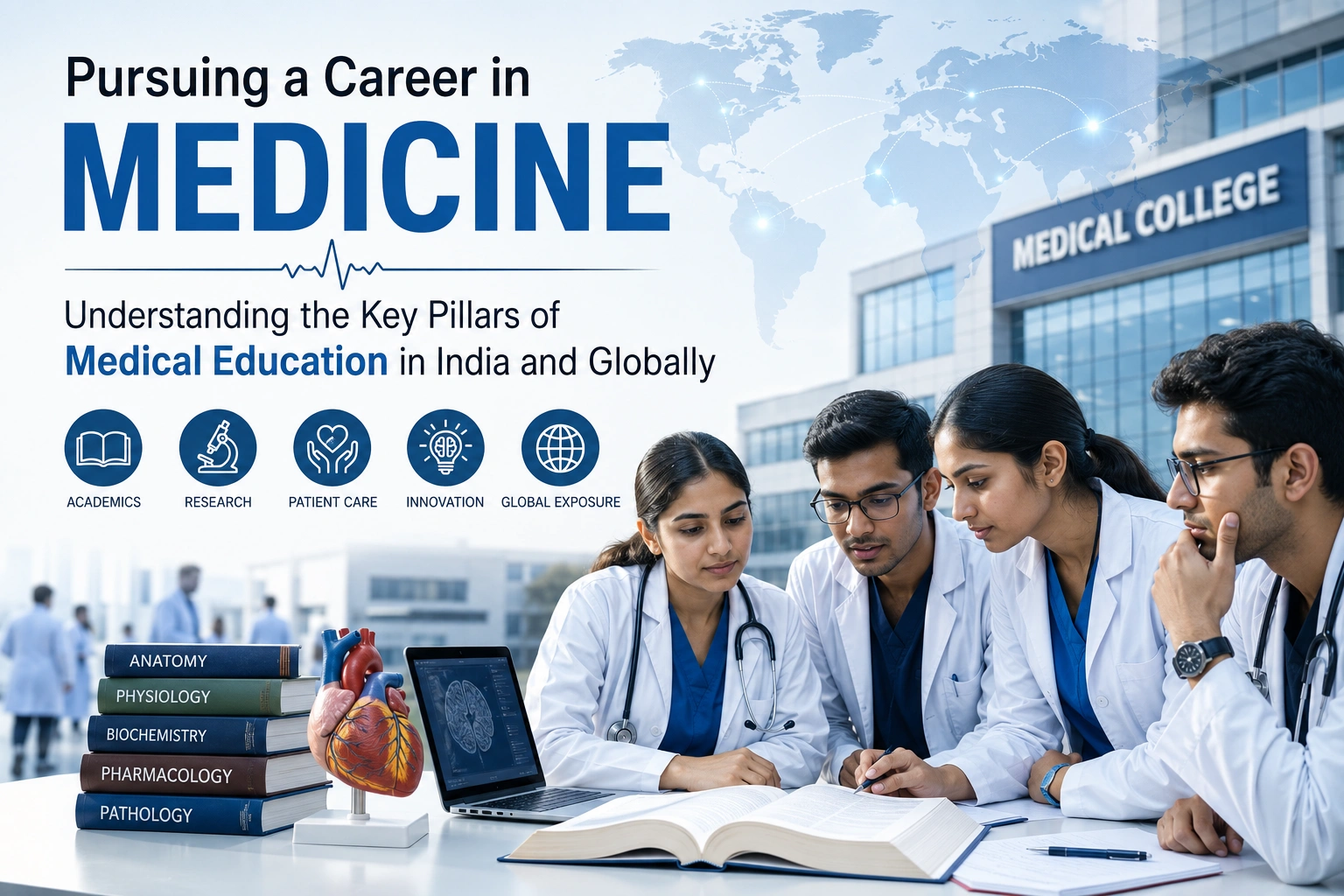
Becoming a doctor in India can be rewarding and also very difficult due to the level of commitment required to learn the complex systems governing the medical profession and educational institutions. Each year, millions of medical aspirants need to take the NEET to gain entry to medical school in India. They also have to navigate the many challenges posed by the NMC and the medical school’s level of approval by the WDOMS and the WHO. Medical schools have to maintain a delicate balance between the accessibility and the quality of medical education, which oftentimes comes with added challenges of the international mobility of both students and educators. These help when looking for accurate and reliable MBBS resources for Indian medical aspirants.
The evolution and changes to the medical education system in India can be evidenced by the new National Medical Commission and the removal of the old Medical Council of India. Great strides have also been made in transparency, affordability, and improved medical education system standards. You can trust this guide to cover the interrelated aspects of the medical education system so that you can keep abreast of new innovations like the National Testing Agency’s (NTA) handling of the NEET debacles. It is especially useful to students and helps them to strategically plan their MBBS education.
The NEET and Medical School Admissions in India
The National Testing Agency (NTA) has NEET as the largest entrance examination for medical entry in India for courses like MBBS and BDS. NEET is conducted in three phases and is a combination of examinations for Physics, Chemistry and Biology. NEET serves as the entrance examination for thousands of seats in the private and government medical schools. The examination is designed in a manner in which it checks the understanding of a candidate and is a simulation of real life medical practice, thus being application based rather than learning based.
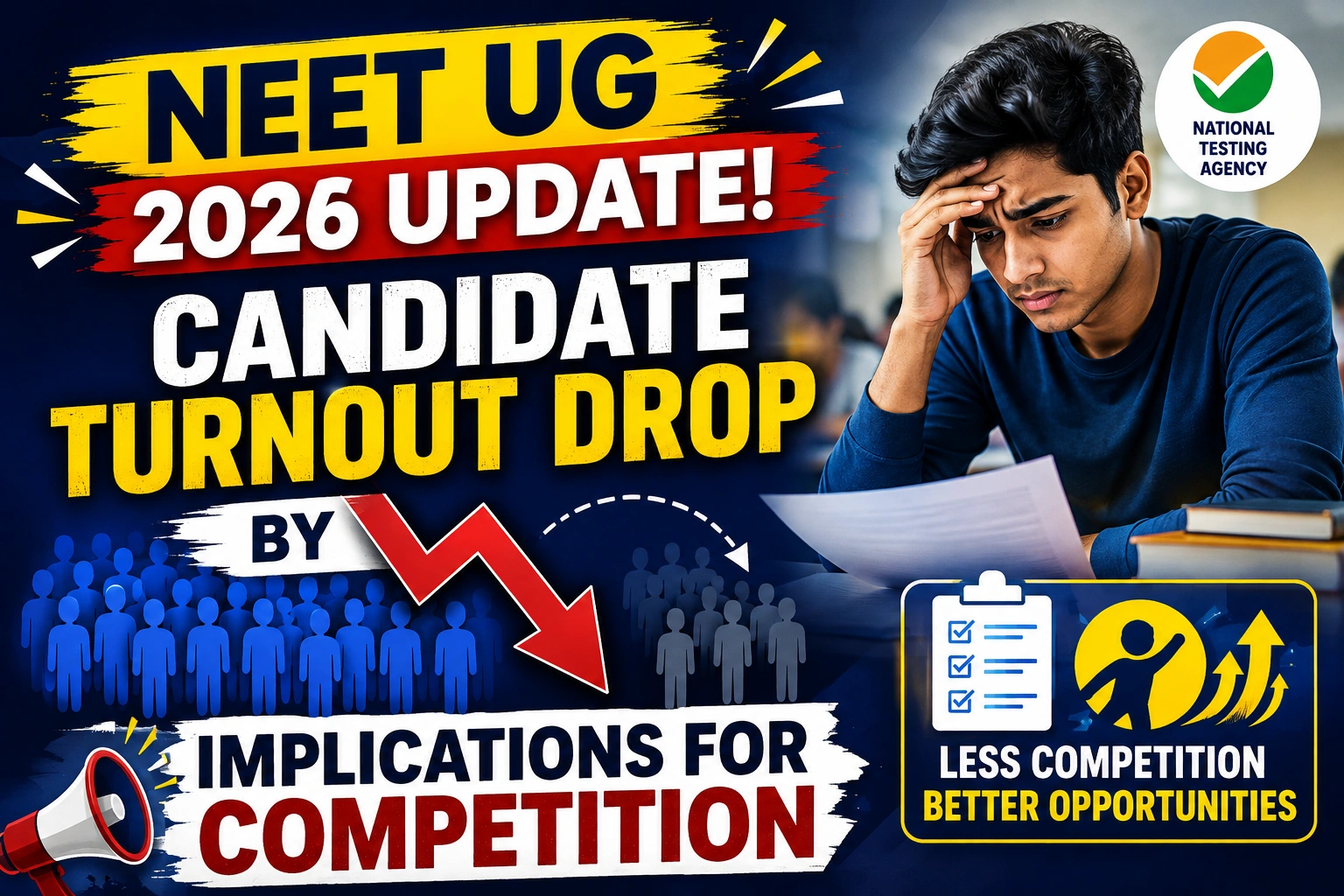
The 2026 examination cycle posed novel challenges for NEET, with paper leaks, irregularities and the first examination being cancelled and a second examination being conducted. The NTA outright rejected the claims of new paper leaks which were purported in viral videos and stated that the second examination was conducted under strict and robust examination security, with biometric attendance and surveillance. In cases such as these, students are better off relying on official sources, and concentrating their efforts on the preparation as opposed to the examination, and the conduct and authenticity of the examination.
The NEET examination is open to candidates who are a minimum of 17 years of age on or before December 31 of the year of admission, and there is no upper age restriction. With respect to education, candidates must have successfully completed their higher secondary education with the subjects of Physics, Chemistry, Biology and must have also completed the subject of English. An aggregate of 50% is a must for the general category, while a quota relaxes the aggregate for the reserved category. The NEET syllabus is based on the NCERT syllabus. Therefore, a regular school education is extremely important. National level preparations based on the NEET exam pattern, with mock tests, can help candidates improve their chances to qualify for admission.
After your exam, counseling begins. The Medical Counselling Committee (MCC) takes care of All India Quota seats, while the rest is managed by their respective states. Choice filling, document verification, and seat allotment happen in a sequence and offer little room for errors. The NEET Rank Predictor, available on the MBBS Advisor platforms, is a significant tool as it helps you calculate your likely rank and offers insights on possible institutions to target, assisting you in choosing venues that align your expectations.
Success in NEET not only guarantees entry into Indian medical colleges; it has the potential to open opportunities in international institutions as well. The pressure on students to perform well during the counseling period is therefore significantly reduced. Top students attribute their success to the same factors that are timeless in the face of highly variable exam systems: a consistent study timetable, frequent revisions, and mental fortitude.
National Medical Commission (NMC): Shaping Quality Medical Education
The National Medical Commission (NMC), founded after the NMC Act of 2019, has replaced the Medical Council of India, as the highest authority in India for the regulation of medical education and medical practice. It aims at improving access to quality and affordable medical education, establishes a sufficient number of well-trained medical professionals, and assists in the provision of equitable healthcare.
NMC sets the bar for medical college curriculum, ethics, basic infrastructure, and faculty. It regulates medical college programs and introduces competency-based medical education (CBME) that incorporates practice, early clinical exposure, and ethics and communication. The NMC moves away from a theoretical model of education to one that is responsive to modern healthcare needs.
One of the things that NMC tries to do is reduce the disparities between different regions. To do this, they have some guidelines regarding the recruitment for new medical colleges and faculty. For example, they have included provisions of non-medical specialists in some departments to help reduce the shortages that faculty may encounter. NMC also has regulations regarding the fees in private and deemed universities to reduce high fees that keep high achieving students with financial difficulties from enrolling.
It is extremely important for students to know the NMC guidelines in order to select the right college. In order to receive college recognition, institutes must comply with the NMC guidelines, and otherwise degrees cannot be validated. NMC is also in charge of the National Medical Register and has streamlined the processes of licensing and leave tracking for physicians. There have been several recent updates such as changes to teacher's qualifications which try to address the shortage while still upholding the standards.
Using the official NMC portal to check for updates is a must for any students who have aspirations of becoming physicians to keep up with NMC's guidelines as they dramatically change the rules regarding admissions and the conduct of practicing physicians. Websites like the MBBS Advisor explain the guidelines in layman's terms and help to inform parents of the best options for their children.
WHO and Its Influence on Global Medical Standards
The WHO has a strong foundational role in the development of the International Standards of Medical Education. With their collaborative and guidelined approach to medical education, the WHO focuses on quality assurance and relevance for the needs of public health, and the promotion and extension of active and ongoing improvements in training internationally. WHO's first attempts at making a World Directory of Medical Schools became the catalysts for other resources and lay emphasis on the imperative that medical graduates possess the training and skills to meet health needs of both their communities and their countries, as well as their graduates.
WHO's influence leads to the inclusion of patient safety, evidence-based practice, and cultural competence in all medical curricula. Within the Indian setting, the NMC aligns most of its reforms with the WHO recommendations, creating a balance between the national goals and the global standards. This becomes significant to students with a postgraduate practice focus beyond the Indian borders, as the WHO-endorsed standards are more credible.
Among the many aspects of global health emergencies, WHO's focus on the need for a strengthened medical workforce is paramount. Indian medical graduates, having trained within the continually changing NMC, have been and continue to be, successful in most countries worldwide. The changing Indian regulation and the global health agenda have never been more in sync. Students should prefer training programs that incorporate the aligned competencies, as this offers them varied career opportunities in clinical practice, research, and health service administration.
WDOMS: Securing the Global Recognition of Medical Credentials
The World Directory of Medical Schools (WDOMS) is a rapidly growing and invaluable resource for medical students globally, as it lists all medical programs that provide an accredited medical degree. Jointly created by the WFME and FAIMER, it contains records of all the medical schools that meet the WFME standards, and provides extensive information about thousands of medical schools.
Just because a school is listed in WDOMS, doesn’t mean that they are accredited or endorsed. It lists the existence of a medical school with some detailed information and helps students, employers, and regulators verify the existence and details of medical schools. For Indian students who plan to leave India to study in medicine, it is very important to check the WDOMS listing. It is also important to the foreign medical licensing authorities of the USMLE and PLAB, as sponsor statements that verify eligibility for the medical licensing examinations should also cite WDOMS.
Recent WDOMS updates added more details about the accreditation timelines and authorities for added transparency. This specifically helps Indian medical students avoid enrolling in unaccredited programs abroad. WDOMS listings enhance the global visibility of Indian medical colleges and improve the chances of graduates securing out of country residencies, fellowships and medical practices.
While considering your options, it is essential to check the NMC approved colleges and their corresponding WDOMS listings. This guarantees that the degree is valid both in India and abroad. Useful information on how to do this is available in the NEET section of the MBBS Advisor, which guides students on how to do this through a regulatory component.
Interlinking Regulations: How WHO, NMC, NEET and WDOMS Work Together
These four components create a web of interconnected regulatory practices. NEET is the entry point. NMC controls the content and the admission of NMC medical colleges and indirectly controls NEET as well. WHO lays out the standards for medical education, which NMC applies to Indian medical colleges. WDOMS is the international component.
A student passing NEET and getting admission into a medical college that is NMC compliant and listed in WDOMS can pursue MBBS in confidence that their degree will satisfy the requirements of both Indian and international standards. The increased cross-border medical practice, OWO, illustrates the need for doctors and the synergism of these components. The recent disruptions in NEET have resulted in more security measures and enhanced confidence in the system.
Future MBBS Scholars – Action Points
- Start NEET prep as early as the 11th grade to allow for a well-rounded lifestyle during this time.
- Keeping health, academics, and extracurriculars in check is important.
- Rank predictors will help measure results and adapt strategies accordingly.
- During counseling sessions, focus on colleges using their infrastructure, exposure, and faculty, as well as associated teaching hospitals in the area, instead of their overall rank.
Information Overload is a common problem faced by parents and students. MBBS Advisor and others like it help by providing an MBBS news feed, rank predictors, and counseling tips to help understand the process from NEET Application to the final seat allotment, thus easing anxiety.
- Budgeting is a crucial part of financial planning.
- Government seats are a less expensive option, while the others require more planning.
- Loans, scholarships, and NMC fee restrictions improve this.
- After securing a seat, focus on the MBBS syllabus that is divided into 3 sections, pre, para, and post clinical, over the span of 5.5 years, with an additional year for the internship.
After registration with WDOMS, the opportunities available to you are infinite. With Indian Degree recognition, most countries will allow you to pursue post-graduation after qualifying additional exams and requirements. Specializations and CME programs are other avenues of lifelong learning promoted by the WHO.
Challenges and Advantages
Widespread seat scarcity and other factors create a fierce and monopolizing competitive environment that is not ideal. NMC reforms are in effect and will only improve this; Seat availability, as well as curriculum improvements, are on the horizon. Resilience and authentic, mentored information will be the best tools you can equip yourself with.
In the aftermath of the success of the 2026 NEET re-exam, the spotlight is back on merit and the importance of preparation. The fake leak claims were debunked and exposed the need for aspirants to possess some level of media literacy. The communications from the NTA and NMC are the only legitimate sources.
For international and Indian aspirants with the added consideration of pursuing MBBS abroad, the WDOMS database is essential. Newly returned Indian aspirants with a foreign MBBS are required to sit the FMGE, which is hosted by the National Medical Commission, once again prioritizing quality.
Conclusion: Constructing a Successful Medical Career
Starting your MBBS requires the navigation of the NEET exam, the role of the NMC, the WHO perspective, and the WDOMS. The right knowledge and tools make this worthwhile. With all the information, this journey can be exciting and refreshing for aspirants. Medicine is a vocation, not a profession, because it is a career focused on serving humanity. Seek alignment of your personal objectives with the available structures to ensure that you can contribute constructively to the health system of India and the world. Focused and informed action is essential in a field that welcomes change and where a difference is made.