 Russia
 Belarus
 Georgia
 Kazakhstan
 Kyrgyzstan
 Uzbekistan
 China
China Nepal
Nepal Bangladesh
 Poland
 Romania
 Slovakia
 Hungary
 N. Macedonia
 Vietnam
 Canada
 Armenia
 UK
UK Australia
 USA
USA Ireland
 Germany
 New Zealand
 Italy
Italy France
 Singapore
 Netherlands
 Sweden
 Switzerland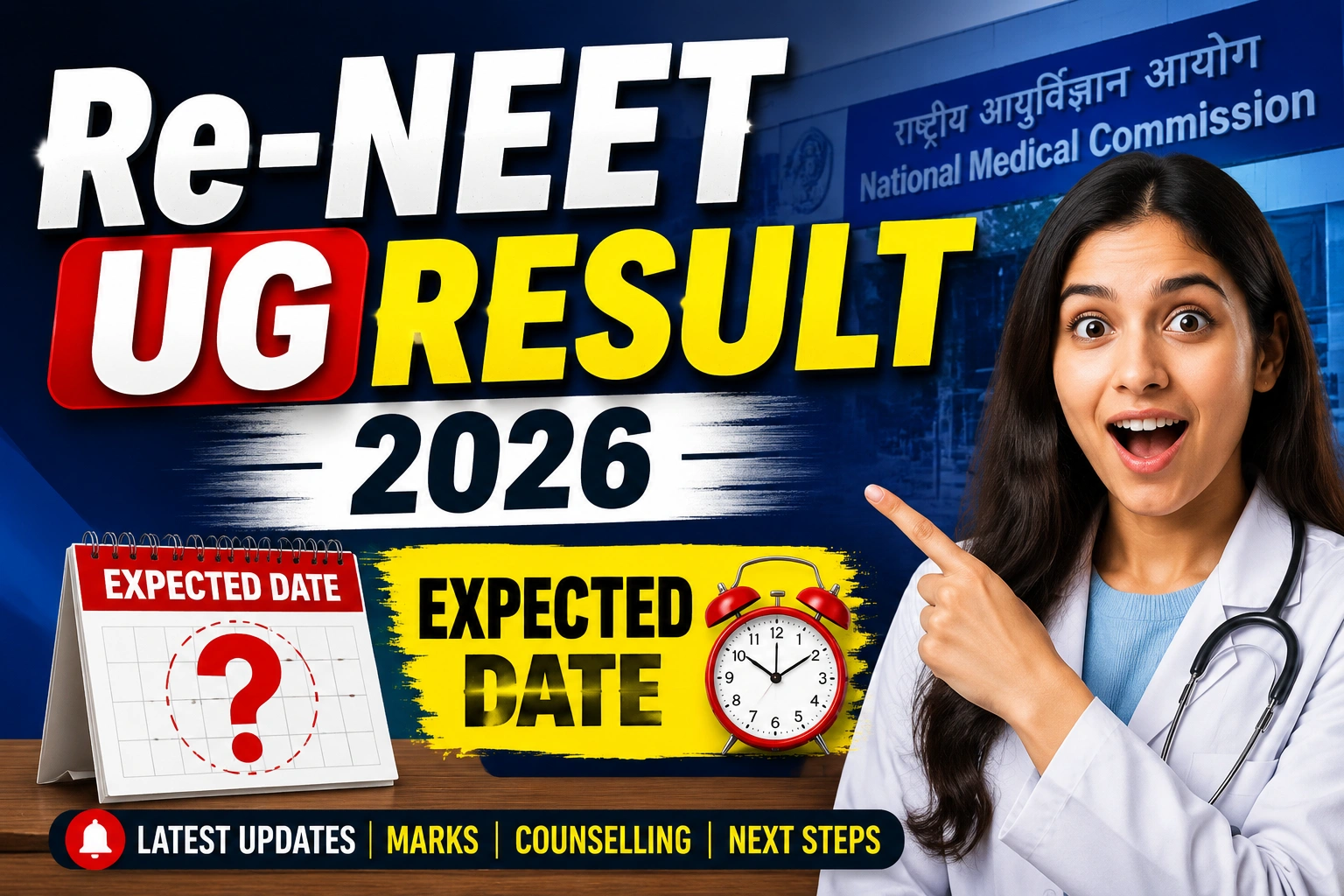
When the originally scheduled exam cannot guarantee fairness due to various unforeseen events, the Re-NEET UG retest is activated. This article will outline the core information about the 2026 Re-NEET UG, covering the basic definition of the retest, the expected timeline for result release, and various post-exam precautions.
The Role of Global and National Medical Bodies
Later, it will also sort out the relevant roles of global and local Indian medical regulatory bodies in the retest process, including the World Health Organization (WHO), India’s National Medical Commission (NMC), and the World Directory of Medical Schools operator WDOMS.
What is Re-NEET UG?
First, we clarify the core limitations of Re-NEET: it is only open to test-takers affected by disruptions to the original exam, with the core goal of re-providing this group with a fair competitive opportunity.
Reasons for Conducting a Re-NEET Exam
Specific reasons that may trigger a retest include:
- Exam paper leaks
- Technical failures
- Irregularities at test centers
- Court orders
- Errors in test paper distribution
- Natural disasters
As the organizer of the retest, India’s National Testing Agency (NTA) will fully implement the entire process: it will first publish the list of affected test-takers, then independently coordinate all exam administration arrangements for the retest, and finally release the official exam results.
A widely circulated misconception must first be clarified here: taking Re-NEET will absolutely not lower a test-taker’s grade point average.
All test-takers can access all authoritative, officially updated information via the MBBS Advisor official website.
Expected Re-NEET UG 2026 Result Timeline
As for the most concerning question of the 2026 Re-NEET UG result release time, our analysis based on the NTA’s historical release patterns shows that under normal circumstances, retest results are released within a few days to 2-3 weeks after the main NEET exam results are published.
Factors That May Delay the Result
Only two types of special circumstances can cause delays:
- An excessive number of affected test centers leading to overwhelming pressure to coordinate exam administration.
- Unresolved related legal disputes.
The full timeline for the 2026 retest is also clear: after the retest concludes, an answer key will first be released, test-takers’ objections will be collected and reviewed, and the official results will be released as the final step.
The regular cycle for this entire process is also 2-3 weeks, which maximally ensures that the college admission application progress of affected test-takers is not delayed.
Important Guidelines While Waiting for Results
As exam guide content developed exclusively for Indian NEET candidates, we first remind all test-takers preparing for the exam to never trust any rumors about exam-related dates spread via unofficial channels.
You only need to continuously monitor the official page of India’s exam governing body, the National Testing Agency (NTA), to access all official updates released in a timely manner.
It is important to highlight that in some cases, adjustments to the exam result release date do not indicate disorganized administrative procedures. Rather, these changes stem from necessary work that the governing authority must complete, including verifying the scores of all test-takers, conducting technical audits of all exam centers, and implementing compliance checks across the full exam process.
This is a standard measure to safeguard exam fairness, so all candidates should remain patient, always prioritize information released by official sources, and avoid being influenced by unsubstantiated information from unofficial channels that could trigger unnecessary exam preparation anxiety and disrupt your personal review schedule.
Common Reasons for Re-NEET Activation
Next, we organize the four common reasons for initiating Re-NEET, or the NEET re-examination.
All four scenarios meet the re-exam activation criteria set by the NTA:
- Suspected leakage of exam test papers.
- Unforeseen technical failures such as Computer-Based Test (CBT) system crashes at exam centers.
- Court intervention requiring adjustments to exam arrangements.
- Natural disasters or sudden public order disruptions that render some exam centers unable to complete the exam as planned.
The logic underpinning all re-exam initiations is centered on the core goal of safeguarding the fair exam rights and interests of every candidate.
How NEET UG Scores Are Prepared
Finally, we break down the complete, rigorous process for generating NEET UG scores.
After the exam concludes, the governing body will first release a provisional answer key to allow candidates to submit objections. Once all objections have been reviewed and resolved, the final answer key is published.
The governing body then completes score statistics and rank ordering for all test-takers across India, before ultimately generating the officially recognized all-India rank.
Every step of this entire process is equipped with multiple compliance verification nodes. The core goal of all rule configurations has always been to safeguard the fair exam rights and interests of all candidates, helping you avoid the most common cognitive pitfalls in your exam preparation ahead of time, and respond calmly to any adjustments to exam procedures.
What to Do After Re-NEET UG 2026 Results
After the 2026 Re-NEET UG results are released, test-takers may log into the official system to check their scores and estimated preliminary rankings.
The NEET Rank Predictor tool, which draws on score cutoff trends from past years, can help test-takers generate a more accurate general ranking based on their own scores, as well as the range of institutions they are eligible to apply to, greatly reducing the difficulty of planning for medical school admission.
Three Mandatory Tasks After Result Declaration
Three core mandatory tasks must be completed by test-takers after results are released:
- Carefully verify all personal information on the score report, including name, test registration number, test-taker category, and obtained score. If any discrepancies are found, test-takers must immediately contact the exam governing authority via the official hotline or email published by the authority.
- Use the ranking prediction tool to assess the probability of gaining admission to a public or private medical college, to reduce decision-making errors during the application preference submission stage.
- Prepare in advance all documents required for admission guidance, such as the admission ticket, score report, test-taker category certificate, and residence certificate.
Test-takers must also continuously follow the MBBS Advisor website to obtain all the latest admission updates, including guidance schedules, seat allocation matrices, and score cutoffs for all institutions.
Functions of Medical Regulatory Bodies
This paper also sorts out the functions of regulatory bodies at the two core levels of the medical education field.
National Medical Commission (NMC)
India’s national-level NMC (National Medical Commission) is responsible for overseeing the operation qualifications, enrollment scales, and curriculum standards of all medical colleges across the country. The certification it issues is a core prerequisite for test-takers to obtain a medical practice license in the future.
World Health Organization (WHO)
At the global level, the WHO (World Health Organization), in addition to its routine work of disease prevention and control, is responsible for formulating and monitoring quality standards for global medical education, physician training, and the global health workforce. Test-takers planning to practice medicine overseas in the future must learn its relevant regulations in advance.
WDOMS for Overseas Medical Education
Finally, a reminder for test-takers planning to study at overseas medical colleges: the WDOMS (World Directory of Medical Schools), which is jointly operated by the WHO and WFME (World Federation for Medical Education), includes all compliant medical colleges worldwide. Its relevant requirements are core standards that test-takers must clarify before submitting applications to any overseas medical college.
Important Admission Requirements
All Indian medical school applicants awaiting the 2026 Re-NEET UG results must take note of all core admission-related requirements. We will repeatedly remind you of these requirements in different contexts to help you avoid common pitfalls.
Verify Institutional Recognition
First, the most critical requirement is verifying institutional qualifications: per official regulations from the National Medical Commission (NMC), for a foreign medical degree to receive Indian recognition, the graduating institution must be listed in the World Directory of Medical Schools (WDOMS).
If you attend an overseas medical school not listed in WDOMS, after graduation you will not only face barriers to practicing medicine in India, but your degree will also fail to gain recognition from any other country.
If you choose to attend a domestic Indian medical school, you must verify the institution’s official NMC accreditation, and all applicants must complete this verification before enrollment.
Use Only Official Information Sources
During the current result-waiting period, you may only obtain information related to results and admissions through official channels, and must not trust any type of rumor spread on social media platforms.
Using the NEET Rank Predictor
After results are released, many applicants encounter the common confusion of not knowing which institutions their scores qualify them to apply for.
The NEET Rank Predictor tool launched by our team was developed specifically to solve this problem:
- You only need to enter your exam score.
- The tool will generate an estimated rank range based on past years’ admission data.
- This can help determine your application direction.
- It also assists with organizing your preference order during the counselling stage.
However, it is important to state objectively that no rank prediction tool can guarantee fully accurate output ranks, as final ranks are affected by multiple factors including score normalization, category-based reserved seats, and the overall competitiveness of the current year’s exam cohort.
Even so, a reliable estimate can still help you optimize your application strategy, save preparation time, and reduce the risk of making incorrect decisions.
Counselling Process After Re-NEET Results
The admission process after Re-NEET results are released is identical to the counselling process for the standard NEET exam.
Stages of Counselling
- All India Quota (AIQ) counselling is held first, covering 15% of public institution seats and all central institution seats.
- Next, each state conducts its own in-state admission process.
Five Core Counselling Steps
The full process includes five core steps:
- Registration
- Preference submission
- Seat allocation
- Document verification
- Enrollment
All applicants must strictly comply with the deadlines for each step and prepare all required documents in advance.
Private universities and deemed universities have separate admission processes and differentiated tuition fees, so you must also pay close attention to these details.
All reliable related information can be obtained from the MBBS Advisor website.
Conclusion
To all candidates sitting the 2026 Re-NEET UG medical entrance examination: We have compiled guidance on exam preparation planning, information access, and use of decision-making tools, covering the full process from the period before and after score release to medical school admission preference consultation.
Five Actionable Guidelines
First, we set out 5 actionable implementation guidelines for the stage spanning from pre-score-release to application preference consultation:
- Sort out a list of target schools before your scores are released.
- Prepare all application documents in advance.
- If your score does not meet your expectations, use the NEET Rank Predictor tool to analyze your prospective rank.
- Maintain a calm and patient mindset throughout the entire process.
- Only trust official notifications and log in to the official NEET website on a regular basis to follow the latest updates.
We fully understand the emotional fluctuations you may experience while waiting for your exam scores.
All exam results are exclusively based on official notifications from the National Medical Commission (NMC) of India; never trust unsubstantiated misinformation from non-authoritative channels.
Planning ahead, gathering all required documents, and utilizing professional tools appropriately can greatly simplify the admission process.
When applying to medical schools at home or abroad, you must note the relevant industry standards that qualified schools must hold World Health Organization (WHO) certification and be listed in the World Directory of Medical Schools (WDOMS).
As a trusted information platform deeply engaged in the medical school admission sector, MBBS Advisor will continue to provide you with authoritative and accurate admission information, to support you in successfully completing your preference submission and school applications.
When the originally scheduled exam cannot guarantee fairness due to various unforeseen events, the Re-NEET UG retest is activated. This article will outline the core information about the 2026 Re-NEET UG, covering the basic definition of the retest, the expected timeline for result release, and various post-exam precautions.
The Role of Global and National Medical Bodies
Later, it will also sort out the relevant roles of global and local Indian medical regulatory bodies in the retest process, including the World Health Organization (WHO), India’s National Medical Commission (NMC), and the World Directory of Medical Schools operator WDOMS.
What is Re-NEET UG?
First, we clarify the core limitations of Re-NEET: it is only open to test-takers affected by disruptions to the original exam, with the core goal of re-providing this group with a fair competitive opportunity.
Reasons for Conducting a Re-NEET Exam
Specific reasons that may trigger a retest include:
- Exam paper leaks
- Technical failures
- Irregularities at test centers
- Court orders
- Errors in test paper distribution
- Natural disasters
As the organizer of the retest, India’s National Testing Agency (NTA) will fully implement the entire process: it will first publish the list of affected test-takers, then independently coordinate all exam administration arrangements for the retest, and finally release the official exam results.
A widely circulated misconception must first be clarified here: taking Re-NEET will absolutely not lower a test-taker’s grade point average.
All test-takers can access all authoritative, officially updated information via the MBBS Advisor official website.
Expected Re-NEET UG 2026 Result Timeline
As for the most concerning question of the 2026 Re-NEET UG result release time, our analysis based on the NTA’s historical release patterns shows that under normal circumstances, retest results are released within a few days to 2-3 weeks after the main NEET exam results are published.
Factors That May Delay the Result
Only two types of special circumstances can cause delays:
- An excessive number of affected test centers leading to overwhelming pressure to coordinate exam administration.
- Unresolved related legal disputes.
The full timeline for the 2026 retest is also clear: after the retest concludes, an answer key will first be released, test-takers’ objections will be collected and reviewed, and the official results will be released as the final step.
The regular cycle for this entire process is also 2-3 weeks, which maximally ensures that the college admission application progress of affected test-takers is not delayed.
Important Guidelines While Waiting for Results
As exam guide content developed exclusively for Indian NEET candidates, we first remind all test-takers preparing for the exam to never trust any rumors about exam-related dates spread via unofficial channels.
You only need to continuously monitor the official page of India’s exam governing body, the National Testing Agency (NTA), to access all official updates released in a timely manner.
It is important to highlight that in some cases, adjustments to the exam result release date do not indicate disorganized administrative procedures. Rather, these changes stem from necessary work that the governing authority must complete, including verifying the scores of all test-takers, conducting technical audits of all exam centers, and implementing compliance checks across the full exam process.
This is a standard measure to safeguard exam fairness, so all candidates should remain patient, always prioritize information released by official sources, and avoid being influenced by unsubstantiated information from unofficial channels that could trigger unnecessary exam preparation anxiety and disrupt your personal review schedule.
Common Reasons for Re-NEET Activation
Next, we organize the four common reasons for initiating Re-NEET, or the NEET re-examination.
All four scenarios meet the re-exam activation criteria set by the NTA:
- Suspected leakage of exam test papers.
- Unforeseen technical failures such as Computer-Based Test (CBT) system crashes at exam centers.
- Court intervention requiring adjustments to exam arrangements.
- Natural disasters or sudden public order disruptions that render some exam centers unable to complete the exam as planned.
The logic underpinning all re-exam initiations is centered on the core goal of safeguarding the fair exam rights and interests of every candidate.
How NEET UG Scores Are Prepared
Finally, we break down the complete, rigorous process for generating NEET UG scores.
After the exam concludes, the governing body will first release a provisional answer key to allow candidates to submit objections. Once all objections have been reviewed and resolved, the final answer key is published.
The governing body then completes score statistics and rank ordering for all test-takers across India, before ultimately generating the officially recognized all-India rank.
Every step of this entire process is equipped with multiple compliance verification nodes. The core goal of all rule configurations has always been to safeguard the fair exam rights and interests of all candidates, helping you avoid the most common cognitive pitfalls in your exam preparation ahead of time, and respond calmly to any adjustments to exam procedures.
What to Do After Re-NEET UG 2026 Results
After the 2026 Re-NEET UG results are released, test-takers may log into the official system to check their scores and estimated preliminary rankings.
The NEET Rank Predictor tool, which draws on score cutoff trends from past years, can help test-takers generate a more accurate general ranking based on their own scores, as well as the range of institutions they are eligible to apply to, greatly reducing the difficulty of planning for medical school admission.
Three Mandatory Tasks After Result Declaration
Three core mandatory tasks must be completed by test-takers after results are released:
- Carefully verify all personal information on the score report, including name, test registration number, test-taker category, and obtained score. If any discrepancies are found, test-takers must immediately contact the exam governing authority via the official hotline or email published by the authority.
- Use the ranking prediction tool to assess the probability of gaining admission to a public or private medical college, to reduce decision-making errors during the application preference submission stage.
- Prepare in advance all documents required for admission guidance, such as the admission ticket, score report, test-taker category certificate, and residence certificate.
Test-takers must also continuously follow the MBBS Advisor website to obtain all the latest admission updates, including guidance schedules, seat allocation matrices, and score cutoffs for all institutions.
Functions of Medical Regulatory Bodies
This paper also sorts out the functions of regulatory bodies at the two core levels of the medical education field.
National Medical Commission (NMC)
India’s national-level NMC (National Medical Commission) is responsible for overseeing the operation qualifications, enrollment scales, and curriculum standards of all medical colleges across the country. The certification it issues is a core prerequisite for test-takers to obtain a medical practice license in the future.
World Health Organization (WHO)
At the global level, the WHO (World Health Organization), in addition to its routine work of disease prevention and control, is responsible for formulating and monitoring quality standards for global medical education, physician training, and the global health workforce. Test-takers planning to practice medicine overseas in the future must learn its relevant regulations in advance.
WDOMS for Overseas Medical Education
Finally, a reminder for test-takers planning to study at overseas medical colleges: the WDOMS (World Directory of Medical Schools), which is jointly operated by the WHO and WFME (World Federation for Medical Education), includes all compliant medical colleges worldwide. Its relevant requirements are core standards that test-takers must clarify before submitting applications to any overseas medical college.
Important Admission Requirements
All Indian medical school applicants awaiting the 2026 Re-NEET UG results must take note of all core admission-related requirements. We will repeatedly remind you of these requirements in different contexts to help you avoid common pitfalls.
Verify Institutional Recognition
First, the most critical requirement is verifying institutional qualifications: per official regulations from the National Medical Commission (NMC), for a foreign medical degree to receive Indian recognition, the graduating institution must be listed in the World Directory of Medical Schools (WDOMS).
If you attend an overseas medical school not listed in WDOMS, after graduation you will not only face barriers to practicing medicine in India, but your degree will also fail to gain recognition from any other country.
If you choose to attend a domestic Indian medical school, you must verify the institution’s official NMC accreditation, and all applicants must complete this verification before enrollment.
Use Only Official Information Sources
During the current result-waiting period, you may only obtain information related to results and admissions through official channels, and must not trust any type of rumor spread on social media platforms.
Using the NEET Rank Predictor
After results are released, many applicants encounter the common confusion of not knowing which institutions their scores qualify them to apply for.
The NEET Rank Predictor tool launched by our team was developed specifically to solve this problem:
- You only need to enter your exam score.
- The tool will generate an estimated rank range based on past years’ admission data.
- This can help determine your application direction.
- It also assists with organizing your preference order during the counselling stage.
However, it is important to state objectively that no rank prediction tool can guarantee fully accurate output ranks, as final ranks are affected by multiple factors including score normalization, category-based reserved seats, and the overall competitiveness of the current year’s exam cohort.
Even so, a reliable estimate can still help you optimize your application strategy, save preparation time, and reduce the risk of making incorrect decisions.
Counselling Process After Re-NEET Results
The admission process after Re-NEET results are released is identical to the counselling process for the standard NEET exam.
Stages of Counselling
- All India Quota (AIQ) counselling is held first, covering 15% of public institution seats and all central institution seats.
- Next, each state conducts its own in-state admission process.
Five Core Counselling Steps
The full process includes five core steps:
- Registration
- Preference submission
- Seat allocation
- Document verification
- Enrollment
All applicants must strictly comply with the deadlines for each step and prepare all required documents in advance.
Private universities and deemed universities have separate admission processes and differentiated tuition fees, so you must also pay close attention to these details.
All reliable related information can be obtained from the MBBS Advisor website.
Conclusion
To all candidates sitting the 2026 Re-NEET UG medical entrance examination: We have compiled guidance on exam preparation planning, information access, and use of decision-making tools, covering the full process from the period before and after score release to medical school admission preference consultation.
Five Actionable Guidelines
First, we set out 5 actionable implementation guidelines for the stage spanning from pre-score-release to application preference consultation:
- Sort out a list of target schools before your scores are released.
- Prepare all application documents in advance.
- If your score does not meet your expectations, use the NEET Rank Predictor tool to analyze your prospective rank.
- Maintain a calm and patient mindset throughout the entire process.
- Only trust official notifications and log in to the official NEET website on a regular basis to follow the latest updates.
We fully understand the emotional fluctuations you may experience while waiting for your exam scores.
All exam results are exclusively based on official notifications from the National Medical Commission (NMC) of India; never trust unsubstantiated misinformation from non-authoritative channels.
Planning ahead, gathering all required documents, and utilizing professional tools appropriately can greatly simplify the admission process.
When applying to medical schools at home or abroad, you must note the relevant industry standards that qualified schools must hold World Health Organization (WHO) certification and be listed in the World Directory of Medical Schools (WDOMS).
As a trusted information platform deeply engaged in the medical school admission sector, MBBS Advisor will continue to provide you with authoritative and accurate admission information, to support you in successfully completing your preference submission and school applications.
When the originally scheduled exam cannot guarantee fairness due to various unforeseen events, the Re-NEET UG retest is activated. This article will outline the core information about the 2026 Re-NEET UG, covering the basic definition of the retest, the expected timeline for result release, and various post-exam precautions.
The Role of Global and National Medical Bodies
Later, it will also sort out the relevant roles of global and local Indian medical regulatory bodies in the retest process, including the World Health Organization (WHO), India’s National Medical Commission (NMC), and the World Directory of Medical Schools operator WDOMS.
What is Re-NEET UG?
First, we clarify the core limitations of Re-NEET: it is only open to test-takers affected by disruptions to the original exam, with the core goal of re-providing this group with a fair competitive opportunity.
Reasons for Conducting a Re-NEET Exam
Specific reasons that may trigger a retest include:
- Exam paper leaks
- Technical failures
- Irregularities at test centers
- Court orders
- Errors in test paper distribution
- Natural disasters
As the organizer of the retest, India’s National Testing Agency (NTA) will fully implement the entire process: it will first publish the list of affected test-takers, then independently coordinate all exam administration arrangements for the retest, and finally release the official exam results.
A widely circulated misconception must first be clarified here: taking Re-NEET will absolutely not lower a test-taker’s grade point average.
All test-takers can access all authoritative, officially updated information via the MBBS Advisor official website.
Expected Re-NEET UG 2026 Result Timeline
As for the most concerning question of the 2026 Re-NEET UG result release time, our analysis based on the NTA’s historical release patterns shows that under normal circumstances, retest results are released within a few days to 2-3 weeks after the main NEET exam results are published.
Factors That May Delay the Result
Only two types of special circumstances can cause delays:
- An excessive number of affected test centers leading to overwhelming pressure to coordinate exam administration.
- Unresolved related legal disputes.
The full timeline for the 2026 retest is also clear: after the retest concludes, an answer key will first be released, test-takers’ objections will be collected and reviewed, and the official results will be released as the final step.
The regular cycle for this entire process is also 2-3 weeks, which maximally ensures that the college admission application progress of affected test-takers is not delayed.
Important Guidelines While Waiting for Results
As exam guide content developed exclusively for Indian NEET candidates, we first remind all test-takers preparing for the exam to never trust any rumors about exam-related dates spread via unofficial channels.
You only need to continuously monitor the official page of India’s exam governing body, the National Testing Agency (NTA), to access all official updates released in a timely manner.
It is important to highlight that in some cases, adjustments to the exam result release date do not indicate disorganized administrative procedures. Rather, these changes stem from necessary work that the governing authority must complete, including verifying the scores of all test-takers, conducting technical audits of all exam centers, and implementing compliance checks across the full exam process.
This is a standard measure to safeguard exam fairness, so all candidates should remain patient, always prioritize information released by official sources, and avoid being influenced by unsubstantiated information from unofficial channels that could trigger unnecessary exam preparation anxiety and disrupt your personal review schedule.
Common Reasons for Re-NEET Activation
Next, we organize the four common reasons for initiating Re-NEET, or the NEET re-examination.
All four scenarios meet the re-exam activation criteria set by the NTA:
- Suspected leakage of exam test papers.
- Unforeseen technical failures such as Computer-Based Test (CBT) system crashes at exam centers.
- Court intervention requiring adjustments to exam arrangements.
- Natural disasters or sudden public order disruptions that render some exam centers unable to complete the exam as planned.
The logic underpinning all re-exam initiations is centered on the core goal of safeguarding the fair exam rights and interests of every candidate.
How NEET UG Scores Are Prepared
Finally, we break down the complete, rigorous process for generating NEET UG scores.
After the exam concludes, the governing body will first release a provisional answer key to allow candidates to submit objections. Once all objections have been reviewed and resolved, the final answer key is published.
The governing body then completes score statistics and rank ordering for all test-takers across India, before ultimately generating the officially recognized all-India rank.
Every step of this entire process is equipped with multiple compliance verification nodes. The core goal of all rule configurations has always been to safeguard the fair exam rights and interests of all candidates, helping you avoid the most common cognitive pitfalls in your exam preparation ahead of time, and respond calmly to any adjustments to exam procedures.
What to Do After Re-NEET UG 2026 Results
After the 2026 Re-NEET UG results are released, test-takers may log into the official system to check their scores and estimated preliminary rankings.
The NEET Rank Predictor tool, which draws on score cutoff trends from past years, can help test-takers generate a more accurate general ranking based on their own scores, as well as the range of institutions they are eligible to apply to, greatly reducing the difficulty of planning for medical school admission.
Three Mandatory Tasks After Result Declaration
Three core mandatory tasks must be completed by test-takers after results are released:
- Carefully verify all personal information on the score report, including name, test registration number, test-taker category, and obtained score. If any discrepancies are found, test-takers must immediately contact the exam governing authority via the official hotline or email published by the authority.
- Use the ranking prediction tool to assess the probability of gaining admission to a public or private medical college, to reduce decision-making errors during the application preference submission stage.
- Prepare in advance all documents required for admission guidance, such as the admission ticket, score report, test-taker category certificate, and residence certificate.
Test-takers must also continuously follow the MBBS Advisor website to obtain all the latest admission updates, including guidance schedules, seat allocation matrices, and score cutoffs for all institutions.
Functions of Medical Regulatory Bodies
This paper also sorts out the functions of regulatory bodies at the two core levels of the medical education field.
National Medical Commission (NMC)
India’s national-level NMC (National Medical Commission) is responsible for overseeing the operation qualifications, enrollment scales, and curriculum standards of all medical colleges across the country. The certification it issues is a core prerequisite for test-takers to obtain a medical practice license in the future.
World Health Organization (WHO)
At the global level, the WHO (World Health Organization), in addition to its routine work of disease prevention and control, is responsible for formulating and monitoring quality standards for global medical education, physician training, and the global health workforce. Test-takers planning to practice medicine overseas in the future must learn its relevant regulations in advance.
WDOMS for Overseas Medical Education
Finally, a reminder for test-takers planning to study at overseas medical colleges: the WDOMS (World Directory of Medical Schools), which is jointly operated by the WHO and WFME (World Federation for Medical Education), includes all compliant medical colleges worldwide. Its relevant requirements are core standards that test-takers must clarify before submitting applications to any overseas medical college.
Important Admission Requirements
All Indian medical school applicants awaiting the 2026 Re-NEET UG results must take note of all core admission-related requirements. We will repeatedly remind you of these requirements in different contexts to help you avoid common pitfalls.
Verify Institutional Recognition
First, the most critical requirement is verifying institutional qualifications: per official regulations from the National Medical Commission (NMC), for a foreign medical degree to receive Indian recognition, the graduating institution must be listed in the World Directory of Medical Schools (WDOMS).
If you attend an overseas medical school not listed in WDOMS, after graduation you will not only face barriers to practicing medicine in India, but your degree will also fail to gain recognition from any other country.
If you choose to attend a domestic Indian medical school, you must verify the institution’s official NMC accreditation, and all applicants must complete this verification before enrollment.
Use Only Official Information Sources
During the current result-waiting period, you may only obtain information related to results and admissions through official channels, and must not trust any type of rumor spread on social media platforms.
Using the NEET Rank Predictor
After results are released, many applicants encounter the common confusion of not knowing which institutions their scores qualify them to apply for.
The NEET Rank Predictor tool launched by our team was developed specifically to solve this problem:
- You only need to enter your exam score.
- The tool will generate an estimated rank range based on past years’ admission data.
- This can help determine your application direction.
- It also assists with organizing your preference order during the counselling stage.
However, it is important to state objectively that no rank prediction tool can guarantee fully accurate output ranks, as final ranks are affected by multiple factors including score normalization, category-based reserved seats, and the overall competitiveness of the current year’s exam cohort.
Even so, a reliable estimate can still help you optimize your application strategy, save preparation time, and reduce the risk of making incorrect decisions.
Counselling Process After Re-NEET Results
The admission process after Re-NEET results are released is identical to the counselling process for the standard NEET exam.
Stages of Counselling
- All India Quota (AIQ) counselling is held first, covering 15% of public institution seats and all central institution seats.
- Next, each state conducts its own in-state admission process.
Five Core Counselling Steps
The full process includes five core steps:
- Registration
- Preference submission
- Seat allocation
- Document verification
- Enrollment
All applicants must strictly comply with the deadlines for each step and prepare all required documents in advance.
Private universities and deemed universities have separate admission processes and differentiated tuition fees, so you must also pay close attention to these details.
All reliable related information can be obtained from the MBBS Advisor website.
Conclusion
To all candidates sitting the 2026 Re-NEET UG medical entrance examination: We have compiled guidance on exam preparation planning, information access, and use of decision-making tools, covering the full process from the period before and after score release to medical school admission preference consultation.
Five Actionable Guidelines
First, we set out 5 actionable implementation guidelines for the stage spanning from pre-score-release to application preference consultation:
- Sort out a list of target schools before your scores are released.
- Prepare all application documents in advance.
- If your score does not meet your expectations, use the NEET Rank Predictor tool to analyze your prospective rank.
- Maintain a calm and patient mindset throughout the entire process.
- Only trust official notifications and log in to the official NEET website on a regular basis to follow the latest updates.
We fully understand the emotional fluctuations you may experience while waiting for your exam scores.
All exam results are exclusively based on official notifications from the National Medical Commission (NMC) of India; never trust unsubstantiated misinformation from non-authoritative channels.
Planning ahead, gathering all required documents, and utilizing professional tools appropriately can greatly simplify the admission process.
When applying to medical schools at home or abroad, you must note the relevant industry standards that qualified schools must hold World Health Organization (WHO) certification and be listed in the World Directory of Medical Schools (WDOMS).
As a trusted information platform deeply engaged in the medical school admission sector, MBBS Advisor will continue to provide you with authoritative and accurate admission information, to support you in successfully completing your preference submission and school applications.
When the originally scheduled exam cannot guarantee fairness due to various unforeseen events, the Re-NEET UG retest is activated. This article will outline the core information about the 2026 Re-NEET UG, covering the basic definition of the retest, the expected timeline for result release, and various post-exam precautions.
The Role of Global and National Medical Bodies
Later, it will also sort out the relevant roles of global and local Indian medical regulatory bodies in the retest process, including the World Health Organization (WHO), India’s National Medical Commission (NMC), and the World Directory of Medical Schools operator WDOMS.
What is Re-NEET UG?
First, we clarify the core limitations of Re-NEET: it is only open to test-takers affected by disruptions to the original exam, with the core goal of re-providing this group with a fair competitive opportunity.
Reasons for Conducting a Re-NEET Exam
Specific reasons that may trigger a retest include:
- Exam paper leaks
- Technical failures
- Irregularities at test centers
- Court orders
- Errors in test paper distribution
- Natural disasters
As the organizer of the retest, India’s National Testing Agency (NTA) will fully implement the entire process: it will first publish the list of affected test-takers, then independently coordinate all exam administration arrangements for the retest, and finally release the official exam results.
A widely circulated misconception must first be clarified here: taking Re-NEET will absolutely not lower a test-taker’s grade point average.
All test-takers can access all authoritative, officially updated information via the MBBS Advisor official website.
Expected Re-NEET UG 2026 Result Timeline
As for the most concerning question of the 2026 Re-NEET UG result release time, our analysis based on the NTA’s historical release patterns shows that under normal circumstances, retest results are released within a few days to 2-3 weeks after the main NEET exam results are published.
Factors That May Delay the Result
Only two types of special circumstances can cause delays:
- An excessive number of affected test centers leading to overwhelming pressure to coordinate exam administration.
- Unresolved related legal disputes.
The full timeline for the 2026 retest is also clear: after the retest concludes, an answer key will first be released, test-takers’ objections will be collected and reviewed, and the official results will be released as the final step.
The regular cycle for this entire process is also 2-3 weeks, which maximally ensures that the college admission application progress of affected test-takers is not delayed.
Important Guidelines While Waiting for Results
As exam guide content developed exclusively for Indian NEET candidates, we first remind all test-takers preparing for the exam to never trust any rumors about exam-related dates spread via unofficial channels.
You only need to continuously monitor the official page of India’s exam governing body, the National Testing Agency (NTA), to access all official updates released in a timely manner.
It is important to highlight that in some cases, adjustments to the exam result release date do not indicate disorganized administrative procedures. Rather, these changes stem from necessary work that the governing authority must complete, including verifying the scores of all test-takers, conducting technical audits of all exam centers, and implementing compliance checks across the full exam process.
This is a standard measure to safeguard exam fairness, so all candidates should remain patient, always prioritize information released by official sources, and avoid being influenced by unsubstantiated information from unofficial channels that could trigger unnecessary exam preparation anxiety and disrupt your personal review schedule.
Common Reasons for Re-NEET Activation
Next, we organize the four common reasons for initiating Re-NEET, or the NEET re-examination.
All four scenarios meet the re-exam activation criteria set by the NTA:
- Suspected leakage of exam test papers.
- Unforeseen technical failures such as Computer-Based Test (CBT) system crashes at exam centers.
- Court intervention requiring adjustments to exam arrangements.
- Natural disasters or sudden public order disruptions that render some exam centers unable to complete the exam as planned.
The logic underpinning all re-exam initiations is centered on the core goal of safeguarding the fair exam rights and interests of every candidate.
How NEET UG Scores Are Prepared
Finally, we break down the complete, rigorous process for generating NEET UG scores.
After the exam concludes, the governing body will first release a provisional answer key to allow candidates to submit objections. Once all objections have been reviewed and resolved, the final answer key is published.
The governing body then completes score statistics and rank ordering for all test-takers across India, before ultimately generating the officially recognized all-India rank.
Every step of this entire process is equipped with multiple compliance verification nodes. The core goal of all rule configurations has always been to safeguard the fair exam rights and interests of all candidates, helping you avoid the most common cognitive pitfalls in your exam preparation ahead of time, and respond calmly to any adjustments to exam procedures.
What to Do After Re-NEET UG 2026 Results
After the 2026 Re-NEET UG results are released, test-takers may log into the official system to check their scores and estimated preliminary rankings.
The NEET Rank Predictor tool, which draws on score cutoff trends from past years, can help test-takers generate a more accurate general ranking based on their own scores, as well as the range of institutions they are eligible to apply to, greatly reducing the difficulty of planning for medical school admission.
Three Mandatory Tasks After Result Declaration
Three core mandatory tasks must be completed by test-takers after results are released:
- Carefully verify all personal information on the score report, including name, test registration number, test-taker category, and obtained score. If any discrepancies are found, test-takers must immediately contact the exam governing authority via the official hotline or email published by the authority.
- Use the ranking prediction tool to assess the probability of gaining admission to a public or private medical college, to reduce decision-making errors during the application preference submission stage.
- Prepare in advance all documents required for admission guidance, such as the admission ticket, score report, test-taker category certificate, and residence certificate.
Test-takers must also continuously follow the MBBS Advisor website to obtain all the latest admission updates, including guidance schedules, seat allocation matrices, and score cutoffs for all institutions.
Functions of Medical Regulatory Bodies
This paper also sorts out the functions of regulatory bodies at the two core levels of the medical education field.
National Medical Commission (NMC)
India’s national-level NMC (National Medical Commission) is responsible for overseeing the operation qualifications, enrollment scales, and curriculum standards of all medical colleges across the country. The certification it issues is a core prerequisite for test-takers to obtain a medical practice license in the future.
World Health Organization (WHO)
At the global level, the WHO (World Health Organization), in addition to its routine work of disease prevention and control, is responsible for formulating and monitoring quality standards for global medical education, physician training, and the global health workforce. Test-takers planning to practice medicine overseas in the future must learn its relevant regulations in advance.
WDOMS for Overseas Medical Education
Finally, a reminder for test-takers planning to study at overseas medical colleges: the WDOMS (World Directory of Medical Schools), which is jointly operated by the WHO and WFME (World Federation for Medical Education), includes all compliant medical colleges worldwide. Its relevant requirements are core standards that test-takers must clarify before submitting applications to any overseas medical college.
Important Admission Requirements
All Indian medical school applicants awaiting the 2026 Re-NEET UG results must take note of all core admission-related requirements. We will repeatedly remind you of these requirements in different contexts to help you avoid common pitfalls.
Verify Institutional Recognition
First, the most critical requirement is verifying institutional qualifications: per official regulations from the National Medical Commission (NMC), for a foreign medical degree to receive Indian recognition, the graduating institution must be listed in the World Directory of Medical Schools (WDOMS).
If you attend an overseas medical school not listed in WDOMS, after graduation you will not only face barriers to practicing medicine in India, but your degree will also fail to gain recognition from any other country.
If you choose to attend a domestic Indian medical school, you must verify the institution’s official NMC accreditation, and all applicants must complete this verification before enrollment.
Use Only Official Information Sources
During the current result-waiting period, you may only obtain information related to results and admissions through official channels, and must not trust any type of rumor spread on social media platforms.
Using the NEET Rank Predictor
After results are released, many applicants encounter the common confusion of not knowing which institutions their scores qualify them to apply for.
The NEET Rank Predictor tool launched by our team was developed specifically to solve this problem:
- You only need to enter your exam score.
- The tool will generate an estimated rank range based on past years’ admission data.
- This can help determine your application direction.
- It also assists with organizing your preference order during the counselling stage.
However, it is important to state objectively that no rank prediction tool can guarantee fully accurate output ranks, as final ranks are affected by multiple factors including score normalization, category-based reserved seats, and the overall competitiveness of the current year’s exam cohort.
Even so, a reliable estimate can still help you optimize your application strategy, save preparation time, and reduce the risk of making incorrect decisions.
Counselling Process After Re-NEET Results
The admission process after Re-NEET results are released is identical to the counselling process for the standard NEET exam.
Stages of Counselling
- All India Quota (AIQ) counselling is held first, covering 15% of public institution seats and all central institution seats.
- Next, each state conducts its own in-state admission process.
Five Core Counselling Steps
The full process includes five core steps:
- Registration
- Preference submission
- Seat allocation
- Document verification
- Enrollment
All applicants must strictly comply with the deadlines for each step and prepare all required documents in advance.
Private universities and deemed universities have separate admission processes and differentiated tuition fees, so you must also pay close attention to these details.
All reliable related information can be obtained from the MBBS Advisor website.
Conclusion
To all candidates sitting the 2026 Re-NEET UG medical entrance examination: We have compiled guidance on exam preparation planning, information access, and use of decision-making tools, covering the full process from the period before and after score release to medical school admission preference consultation.
Five Actionable Guidelines
First, we set out 5 actionable implementation guidelines for the stage spanning from pre-score-release to application preference consultation:
- Sort out a list of target schools before your scores are released.
- Prepare all application documents in advance.
- If your score does not meet your expectations, use the NEET Rank Predictor tool to analyze your prospective rank.
- Maintain a calm and patient mindset throughout the entire process.
- Only trust official notifications and log in to the official NEET website on a regular basis to follow the latest updates.
We fully understand the emotional fluctuations you may experience while waiting for your exam scores.
All exam results are exclusively based on official notifications from the National Medical Commission (NMC) of India; never trust unsubstantiated misinformation from non-authoritative channels.
Planning ahead, gathering all required documents, and utilizing professional tools appropriately can greatly simplify the admission process.
When applying to medical schools at home or abroad, you must note the relevant industry standards that qualified schools must hold World Health Organization (WHO) certification and be listed in the World Directory of Medical Schools (WDOMS).
As a trusted information platform deeply engaged in the medical school admission sector, MBBS Advisor will continue to provide you with authoritative and accurate admission information, to support you in successfully completing your preference submission and school applications.
When the originally scheduled exam cannot guarantee fairness due to various unforeseen events, the Re-NEET UG retest is activated. This article will outline the core information about the 2026 Re-NEET UG, covering the basic definition of the retest, the expected timeline for result release, and various post-exam precautions.
The Role of Global and National Medical Bodies
Later, it will also sort out the relevant roles of global and local Indian medical regulatory bodies in the retest process, including the World Health Organization (WHO), India’s National Medical Commission (NMC), and the World Directory of Medical Schools operator WDOMS.
What is Re-NEET UG?
First, we clarify the core limitations of Re-NEET: it is only open to test-takers affected by disruptions to the original exam, with the core goal of re-providing this group with a fair competitive opportunity.
Reasons for Conducting a Re-NEET Exam
Specific reasons that may trigger a retest include:
- Exam paper leaks
- Technical failures
- Irregularities at test centers
- Court orders
- Errors in test paper distribution
- Natural disasters
As the organizer of the retest, India’s National Testing Agency (NTA) will fully implement the entire process: it will first publish the list of affected test-takers, then independently coordinate all exam administration arrangements for the retest, and finally release the official exam results.
A widely circulated misconception must first be clarified here: taking Re-NEET will absolutely not lower a test-taker’s grade point average.
All test-takers can access all authoritative, officially updated information via the MBBS Advisor official website.
Expected Re-NEET UG 2026 Result Timeline
As for the most concerning question of the 2026 Re-NEET UG result release time, our analysis based on the NTA’s historical release patterns shows that under normal circumstances, retest results are released within a few days to 2-3 weeks after the main NEET exam results are published.
Factors That May Delay the Result
Only two types of special circumstances can cause delays:
- An excessive number of affected test centers leading to overwhelming pressure to coordinate exam administration.
- Unresolved related legal disputes.
The full timeline for the 2026 retest is also clear: after the retest concludes, an answer key will first be released, test-takers’ objections will be collected and reviewed, and the official results will be released as the final step.
The regular cycle for this entire process is also 2-3 weeks, which maximally ensures that the college admission application progress of affected test-takers is not delayed.
Important Guidelines While Waiting for Results
As exam guide content developed exclusively for Indian NEET candidates, we first remind all test-takers preparing for the exam to never trust any rumors about exam-related dates spread via unofficial channels.
You only need to continuously monitor the official page of India’s exam governing body, the National Testing Agency (NTA), to access all official updates released in a timely manner.
It is important to highlight that in some cases, adjustments to the exam result release date do not indicate disorganized administrative procedures. Rather, these changes stem from necessary work that the governing authority must complete, including verifying the scores of all test-takers, conducting technical audits of all exam centers, and implementing compliance checks across the full exam process.
This is a standard measure to safeguard exam fairness, so all candidates should remain patient, always prioritize information released by official sources, and avoid being influenced by unsubstantiated information from unofficial channels that could trigger unnecessary exam preparation anxiety and disrupt your personal review schedule.
Common Reasons for Re-NEET Activation
Next, we organize the four common reasons for initiating Re-NEET, or the NEET re-examination.
All four scenarios meet the re-exam activation criteria set by the NTA:
- Suspected leakage of exam test papers.
- Unforeseen technical failures such as Computer-Based Test (CBT) system crashes at exam centers.
- Court intervention requiring adjustments to exam arrangements.
- Natural disasters or sudden public order disruptions that render some exam centers unable to complete the exam as planned.
The logic underpinning all re-exam initiations is centered on the core goal of safeguarding the fair exam rights and interests of every candidate.
How NEET UG Scores Are Prepared
Finally, we break down the complete, rigorous process for generating NEET UG scores.
After the exam concludes, the governing body will first release a provisional answer key to allow candidates to submit objections. Once all objections have been reviewed and resolved, the final answer key is published.
The governing body then completes score statistics and rank ordering for all test-takers across India, before ultimately generating the officially recognized all-India rank.
Every step of this entire process is equipped with multiple compliance verification nodes. The core goal of all rule configurations has always been to safeguard the fair exam rights and interests of all candidates, helping you avoid the most common cognitive pitfalls in your exam preparation ahead of time, and respond calmly to any adjustments to exam procedures.
What to Do After Re-NEET UG 2026 Results
After the 2026 Re-NEET UG results are released, test-takers may log into the official system to check their scores and estimated preliminary rankings.
The NEET Rank Predictor tool, which draws on score cutoff trends from past years, can help test-takers generate a more accurate general ranking based on their own scores, as well as the range of institutions they are eligible to apply to, greatly reducing the difficulty of planning for medical school admission.
Three Mandatory Tasks After Result Declaration
Three core mandatory tasks must be completed by test-takers after results are released:
- Carefully verify all personal information on the score report, including name, test registration number, test-taker category, and obtained score. If any discrepancies are found, test-takers must immediately contact the exam governing authority via the official hotline or email published by the authority.
- Use the ranking prediction tool to assess the probability of gaining admission to a public or private medical college, to reduce decision-making errors during the application preference submission stage.
- Prepare in advance all documents required for admission guidance, such as the admission ticket, score report, test-taker category certificate, and residence certificate.
Test-takers must also continuously follow the MBBS Advisor website to obtain all the latest admission updates, including guidance schedules, seat allocation matrices, and score cutoffs for all institutions.
Functions of Medical Regulatory Bodies
This paper also sorts out the functions of regulatory bodies at the two core levels of the medical education field.
National Medical Commission (NMC)
India’s national-level NMC (National Medical Commission) is responsible for overseeing the operation qualifications, enrollment scales, and curriculum standards of all medical colleges across the country. The certification it issues is a core prerequisite for test-takers to obtain a medical practice license in the future.
World Health Organization (WHO)
At the global level, the WHO (World Health Organization), in addition to its routine work of disease prevention and control, is responsible for formulating and monitoring quality standards for global medical education, physician training, and the global health workforce. Test-takers planning to practice medicine overseas in the future must learn its relevant regulations in advance.
WDOMS for Overseas Medical Education
Finally, a reminder for test-takers planning to study at overseas medical colleges: the WDOMS (World Directory of Medical Schools), which is jointly operated by the WHO and WFME (World Federation for Medical Education), includes all compliant medical colleges worldwide. Its relevant requirements are core standards that test-takers must clarify before submitting applications to any overseas medical college.
Important Admission Requirements
All Indian medical school applicants awaiting the 2026 Re-NEET UG results must take note of all core admission-related requirements. We will repeatedly remind you of these requirements in different contexts to help you avoid common pitfalls.
Verify Institutional Recognition
First, the most critical requirement is verifying institutional qualifications: per official regulations from the National Medical Commission (NMC), for a foreign medical degree to receive Indian recognition, the graduating institution must be listed in the World Directory of Medical Schools (WDOMS).
If you attend an overseas medical school not listed in WDOMS, after graduation you will not only face barriers to practicing medicine in India, but your degree will also fail to gain recognition from any other country.
If you choose to attend a domestic Indian medical school, you must verify the institution’s official NMC accreditation, and all applicants must complete this verification before enrollment.
Use Only Official Information Sources
During the current result-waiting period, you may only obtain information related to results and admissions through official channels, and must not trust any type of rumor spread on social media platforms.
Using the NEET Rank Predictor
After results are released, many applicants encounter the common confusion of not knowing which institutions their scores qualify them to apply for.
The NEET Rank Predictor tool launched by our team was developed specifically to solve this problem:
- You only need to enter your exam score.
- The tool will generate an estimated rank range based on past years’ admission data.
- This can help determine your application direction.
- It also assists with organizing your preference order during the counselling stage.
However, it is important to state objectively that no rank prediction tool can guarantee fully accurate output ranks, as final ranks are affected by multiple factors including score normalization, category-based reserved seats, and the overall competitiveness of the current year’s exam cohort.
Even so, a reliable estimate can still help you optimize your application strategy, save preparation time, and reduce the risk of making incorrect decisions.
Counselling Process After Re-NEET Results
The admission process after Re-NEET results are released is identical to the counselling process for the standard NEET exam.
Stages of Counselling
- All India Quota (AIQ) counselling is held first, covering 15% of public institution seats and all central institution seats.
- Next, each state conducts its own in-state admission process.
Five Core Counselling Steps
The full process includes five core steps:
- Registration
- Preference submission
- Seat allocation
- Document verification
- Enrollment
All applicants must strictly comply with the deadlines for each step and prepare all required documents in advance.
Private universities and deemed universities have separate admission processes and differentiated tuition fees, so you must also pay close attention to these details.
All reliable related information can be obtained from the MBBS Advisor website.
Conclusion
To all candidates sitting the 2026 Re-NEET UG medical entrance examination: We have compiled guidance on exam preparation planning, information access, and use of decision-making tools, covering the full process from the period before and after score release to medical school admission preference consultation.
Five Actionable Guidelines
First, we set out 5 actionable implementation guidelines for the stage spanning from pre-score-release to application preference consultation:
- Sort out a list of target schools before your scores are released.
- Prepare all application documents in advance.
- If your score does not meet your expectations, use the NEET Rank Predictor tool to analyze your prospective rank.
- Maintain a calm and patient mindset throughout the entire process.
- Only trust official notifications and log in to the official NEET website on a regular basis to follow the latest updates.
We fully understand the emotional fluctuations you may experience while waiting for your exam scores.
All exam results are exclusively based on official notifications from the National Medical Commission (NMC) of India; never trust unsubstantiated misinformation from non-authoritative channels.
Planning ahead, gathering all required documents, and utilizing professional tools appropriately can greatly simplify the admission process.
When applying to medical schools at home or abroad, you must note the relevant industry standards that qualified schools must hold World Health Organization (WHO) certification and be listed in the World Directory of Medical Schools (WDOMS).
As a trusted information platform deeply engaged in the medical school admission sector, MBBS Advisor will continue to provide you with authoritative and accurate admission information, to support you in successfully completing your preference submission and school applications.