 Russia
 Belarus
 Georgia
 Kazakhstan
 Kyrgyzstan
 Uzbekistan
 China
China Nepal
Nepal Bangladesh
 Poland
 Romania
 Slovakia
 Hungary
 N. Macedonia
 Vietnam
 Canada
 Armenia
 UK
UK Australia
 USA
USA Ireland
 Germany
 New Zealand
 Italy
Italy France
 Singapore
 Netherlands
 Sweden
 Switzerland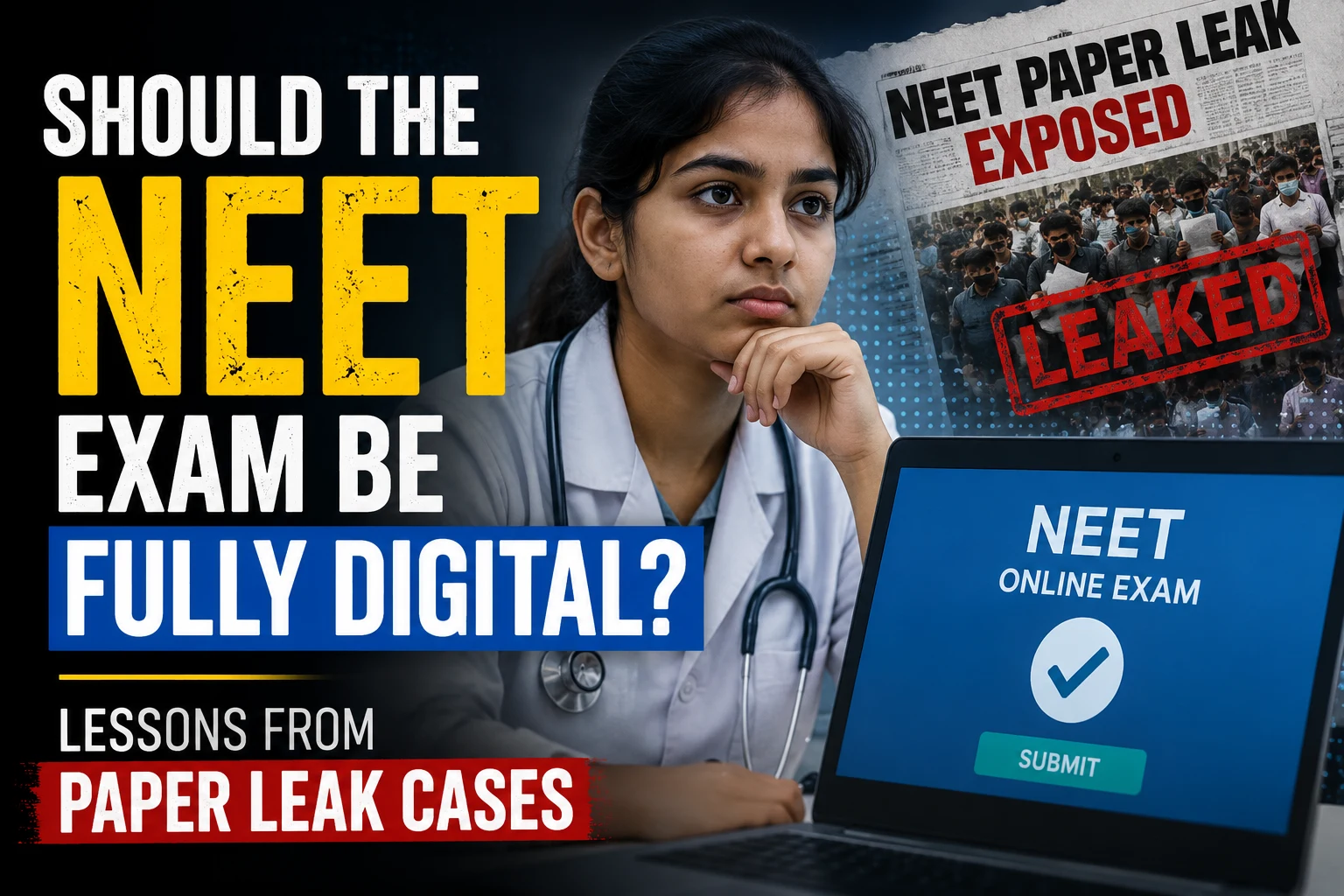
As India’s largest medical entrance selection exam, NEET’s annual admission outcomes directly determine the academic futures of hundreds of thousands of test-takers, while the fairness of the exam sustains the public credibility of India’s entire medical education system. The repeated occurrence of incidents in recent years—including exam paper leaks, the operation of cross-regional cheating networks, and large-scale exam fraud—has been the core trigger that escalated this controversy.
Arguments Supporting Digitalization
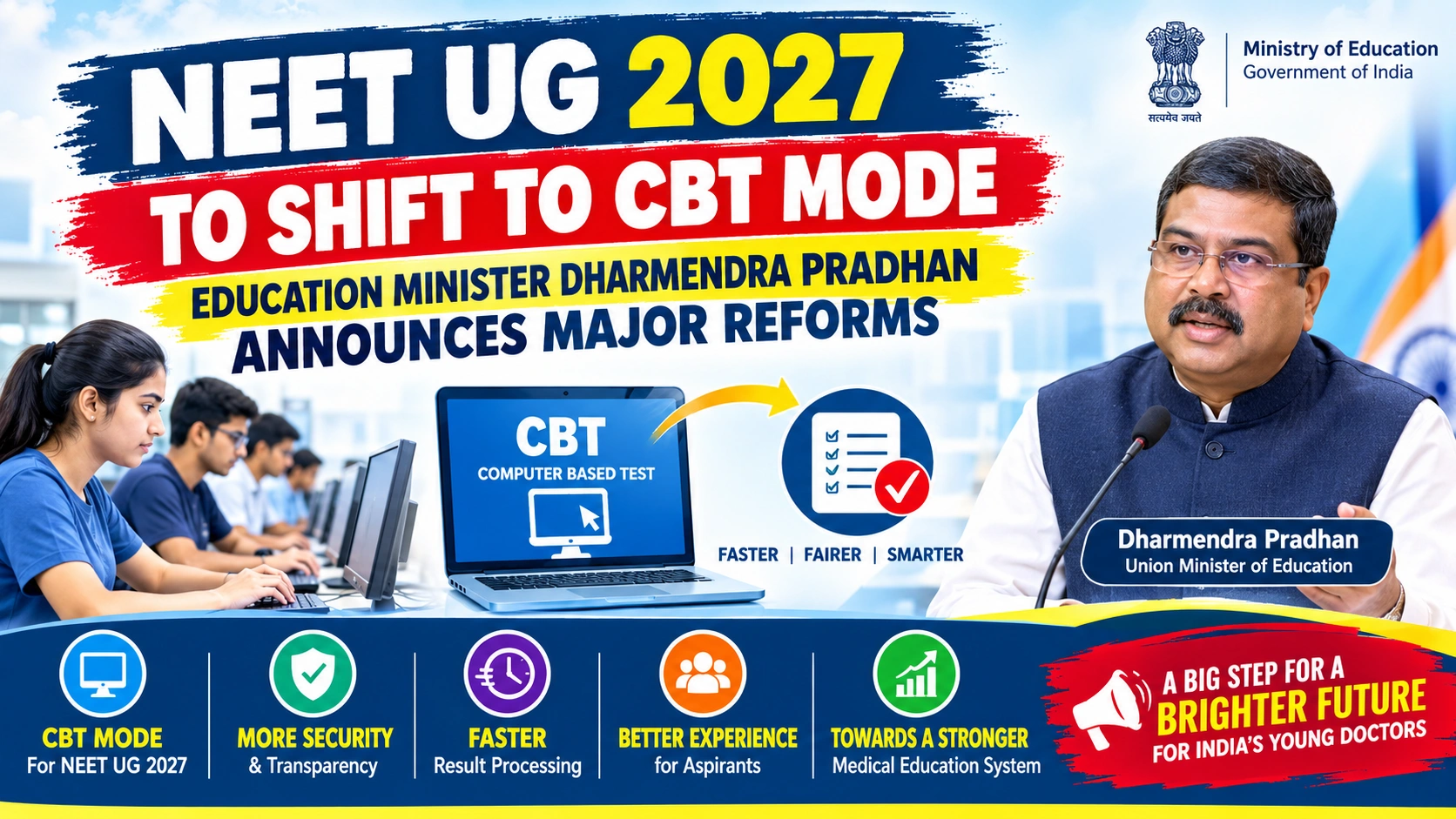
Domain experts who support full digitalization argue that, aligned with the global industry trend of national-level exams around the world adopting digital formats, the computer-based test model can narrow the room for fraudulent operations at the procedural level, curb exam-related corruption linked to power rent-seeking, and comprehensively improve the transparency of the admission process.
However, many critics note that India still has widespread gaps in digital infrastructure coverage, with test-takers in remote regions facing prominent barriers to accessing the exam; a fully digital NEET may thus struggle to achieve truly fair implementation.
MBBS Advisor, a third-party professional education consulting institution, adds that the transparency of the medical school admission process has become increasingly important for groups of students pursuing medical degrees both in India and overseas.
Harms Caused by Repeated Exam Leak Incidents
The frequent paper leak incidents plaguing NEET in recent years have given rise to five specific harms:
- They directly undermine the morale of test-takers who prepare honestly for the exam
- They distort the fair competition-based admission order
- They reduce trust in the examination system
- They increase mental pressure on students and families
- They continuously drag down the overall professional standards of India’s future medical workforce
A full transition to digital exams, meanwhile, is the core potential solution to this series of dilemmas, laying the core logical foundation for subsequent in-depth discussions on implementation pathways.
Global Digital Examination Trends
Currently, many countries around the world have launched digitalized medical school entrance and professional qualification examinations. Leading authoritative bodies including the World Health Organization (WHO) and the World Directory of Medical Schools (WDOMS) provide core support to standardize the quality and credentials of global medical education.
Today’s mature medical examination systems generally adopt four types of digital tools:
- Secure online examination software
- Adaptive testing systems
- AI proctoring tools
- Digital identity verification systems
After sorting out these international experiences, we propose that India can follow this pathway to build a secure digitalized framework for its National Eligibility cum Entrance Test (NEET).
Core Challenges Facing Fully Digital NEET
1. Digital Divide
Students in remote rural areas of India commonly face:
- Poor internet connectivity
- Low computer proficiency
- Insufficient digital infrastructure
- Unstable power supply
A full shift to digital exams would worsen exam inequity for disadvantaged groups.
2. Massive Candidate Volume
As one of the world’s largest medical school entrance exams, NEET serves millions of test-takers who take the exam simultaneously, which requires:
- Massive technical support
- Thousands of secure exam centers across the country
- Stable digital infrastructure nationwide
3. Technical Failure Risks
Issues such as:
- Server crashes
- Software vulnerabilities
- Connection interruptions
can trigger public panic, lead to legal disputes, disrupt score generation, and fuel exam-related controversies.
4. Cybersecurity Threats
Digitalized exams face four types of threats:
- Hacker attacks
- Data breaches
- System manipulation
- Malware intrusions
These risks must be addressed through robust cybersecurity infrastructure.
Proposed Hybrid Transformation Pathway
To address these issues, multiple experts propose that India should not pursue full digitalization immediately; instead, it can adopt a phased or hybrid transformation pathway.
Recommended Measures
- Organize computer-based mock exams before official rollout
- Launch regional pilots in batches
- Schedule multiple exam sessions
- Deploy AI proctoring
- Gradually complete the construction of a national network of secure exam centers
This gradual transformation can identify flaws in a nationwide rollout in advance and reduce associated risks.
Regulatory Role of Medical Authorities
During the transformation process, India’s National Medical Commission (NMC) will undertake local regulatory functions to improve the exam’s transparency, quality, and accountability.
WHO will provide guidance on global medical education standards, while WDOMS will publish directories of compliant medical schools. The collaboration of these three institutions will jointly safeguard the transparency and quality of medical education.
Mental Health Impact of Traditional Exam Systems
The full digital transformation of India’s national unified medical entrance exam, the National Eligibility cum Entrance Test (NEET), is currently one of the most widely discussed public issues in India’s education sector.
Frequent question leak scandals plaguing the traditional in-person NEET have caused clear mental health harm to test-takers, manifesting in four specific issues:
- Persistent anxiety
- Burnout from exam preparation
- Fear of unfair competition
- Collapsed trust in a misregulated exam system
This has led academic circles to recognize that transparent, secure exam processes are not only tied to academic fairness, but also impact the mental health of millions of test-takers.
Public Debate Over Fully Digital NEET
At present, public opinion on the fully digital NEET is sharply divided. Supporters and critics each hold four core sets of views, and Indian society as a whole is engaged in intense debate over whether the country is ready to implement this transformation.
India’s National Medical Commission previously rolled out a digital monitoring system for the qualification verification processes of medical institutions nationwide. This practice proves that digital tools have long been gradually integrated into the core framework of India’s medical education, and the careful rollout of similar reforms can effectively strengthen the security of NEET exams.
Preconditions Before Nationwide Rollout
Before the fully digital NEET can be launched, four broad categories of preconditions, totaling 14 specific sub-requirements, must first be met:
Infrastructure Development
- Stable electricity supply
- Reliable internet access
- Secure digital testing centers
Candidate Adaptation Training
- Computer literacy preparation
- Mock digital exam exposure
- Regional training support
Cybersecurity Protection
- Anti-hacking systems
- Data protection infrastructure
- Continuous system monitoring
Legal and Administrative Preparation
- Updated digital exam regulations
- Emergency response frameworks
- National-level coordination systems
A gap in any of these support areas could give rise to new fairness-related problems.
Future Technologies That Could Be Integrated
In the future, four additional technologies can be implemented for the exam:
- AI-assisted exam administration
- Adaptive testing
- Remote intelligent proctoring
- Blockchain-based evidence storage security
All technological upgrades must center on the core priorities of fairness and accessibility.
Conclusion
Ultimately, there is no simple right-or-wrong answer to NEET’s full digital transformation. The flaws of the traditional model have been fully exposed, and digitalization can indeed improve the exam’s operational efficiency across multiple dimensions.
While the transformation of India's medical education entrance examination system is an extremely urgent priority, three core obstacles must not be overlooked:
- Infrastructure gaps
- The digital divide
- Cybersecurity challenges
Only by adopting a gradual and cautious planning approach, building a new system that meets the requirements of fairness, transparency, security, and universal coverage for all students, aligning the National Medical Commission's institutional layout with the World Health Organization's international standards, and safeguarding the credibility of the examinations, can India uphold the values that prioritize merit, hard work, and integrity, and respond to students' core demands.