 Russia
 Belarus
 Georgia
 Kazakhstan
 Kyrgyzstan
 Uzbekistan
 China
China Nepal
Nepal Bangladesh
 Poland
 Romania
 Slovakia
 Hungary
 N. Macedonia
 Vietnam
 Canada
 Armenia
 UK
UK Australia
 USA
USA Ireland
 Germany
 New Zealand
 Italy
Italy France
 Singapore
 Netherlands
 Sweden
 Switzerland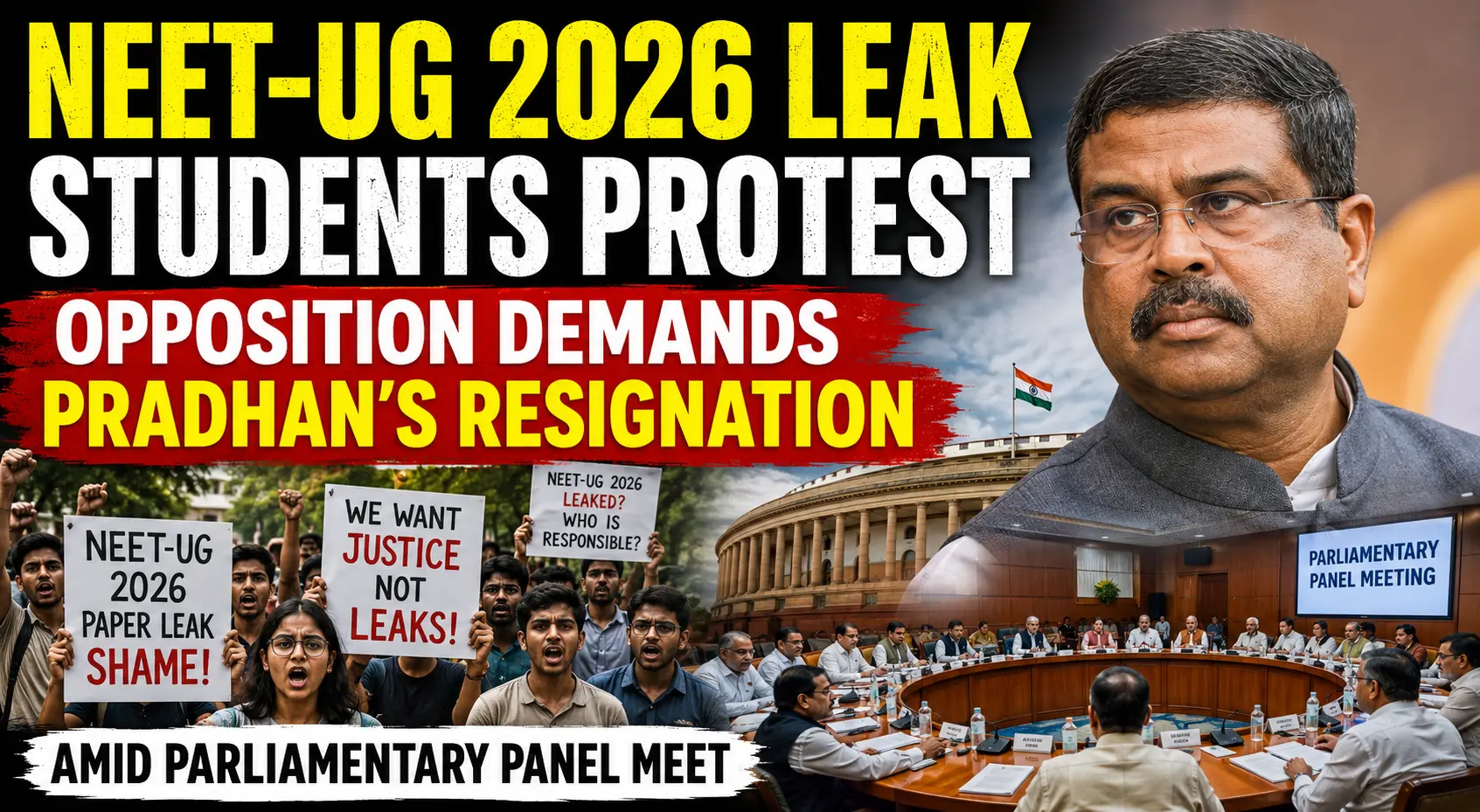
In 2026, a sudden question paper leak scandal surrounding India’s NEET-UG, the national undergraduate medical entrance exam, triggered a nationwide chain of repercussions. Candidates, parents, political parties, and education experts universally raised questions about the credibility of India’s largest medical entrance exam, and the situation quickly escalated into a national public issue.
As the core admission test for India’s undergraduate medical education sector, NEET-UG attracts over one million aspirants seeking to pursue medical careers each year. This latest leak not only upended the academic plans of a large number of test-takers, but also ignited controversy over the operational legitimacy of the exam’s organizing body, the National Testing Agency (NTA).
Student Protests and Public Reactions
After the original exam was canceled and a retake schedule was released, protests only grew in intensity: the All India Students’ Association (AISA) organized large-scale demonstrations outside the Ministry of Education in New Delhi, and similar parallel protests erupted across multiple regions of India.
Key Demands Raised by Protesters
Protesting students put forward three core demands:
- Transparent investigations
- Severe punishment for all parties responsible for the question leak
- Reforms to the exam security mechanism
They condemned that recurring administrative errors in past years of the exam had continuously harmed test-takers’ academic development and mental health, and some protestors have been detained by police.
Student groups warned that the leak scandal would erode public trust in India’s entire education system, and this incident has also reopened national discussions on entrance exam reform.
MBBS Advisor, an information platform for candidates, provides comprehensive information related to medical school applications, counseling, and all NEET-related matters to offer support to affected test-takers.
Political Reactions and Parliamentary Scrutiny
On the political front, opposition parties led by the Indian National Congress immediately stepped up criticism of the government, calling for Union Education Minister Dharmendra Pradhan to resign.
A parliamentary committee concurrently launched an investigation to examine duty-related failures behind this exam crisis.
Opposition parties stated that consecutive exam scandals including question leaks and technical failures in past years expose systemic failures in education governance, which have severely worn down public trust in India’s educational institutions.
Escalation of the Controversy
Recently, the exam leak scandal surrounding India’s NEET-UG test has continued to escalate.
Student Organizations Demand Accountability
Responses from all relevant parties have advanced from lower to higher tiers of institutional authority, unfolding clearly across three dimensions:
After grassroots civil society actors launched accountability demands that ignited the scandal, opposition party leaders stated that holding implicated ministers accountable must be implemented to rebuild trust among students and their parents.
The National Students' Union of India (NSUI), the student wing of the Indian National Congress, organized rallies to demand the resignation of the minister linked to the case.
Protesters explicitly argued that students should not bear the consequences of administrative oversight, and that all individuals involved in the exam leak must be fully investigated and held responsible.
Opposition parties also alleged that the scandal exposed deep-rooted flaws in the exam system, including insufficient security and a lack of process oversight, and called for a comprehensive review of the operation and governance framework of the National Testing Agency (NTA).
Parliamentary Standing Committee Investigation
The parliamentary standing committee launched a special investigation.
Under public pressure, the Parliamentary Standing Committee on Education, Women, Children, Youth and Sports held a meeting to discuss this exam leak scandal and broader exam reform, requiring senior officials from the NTA and investigative agencies to submit situation briefings.
Focus Areas of the Committee
Core discussions among committee members focused on three key areas:
- Exam paper security
- The feasibility of computer-based testing
- Future measures to prevent exam leaks
These discussions highlighted a cross-party consensus to strengthen the exam system and protect students' rights and interests.
The committee emphasized that the medical school admission consultation process must not be disrupted by the scandal, and Members of Parliament called for avoiding delays to student admissions caused by administrative errors.
Previously, when NTA officials faced parliamentary questioning, they stated that the leak did not originate within the NTA's internal systems, and investigations were still ongoing to locate the source of the breach.
Judicial and Investigative Developments
Progress in case handling advanced at the judicial and investigative levels.
Multiple petitions calling for transparent reform of the exam system were submitted to the Supreme Court.
The Supreme Court rejected a request to hold a new computer-based 2026 NEET-UG retest, but continues to oversee the overall progress of the scandal response.
The Central Bureau of Investigation (CBI) has launched a full-scale investigation, and has so far arrested multiple individuals linked to the case.
The investigation spans multiple states, with investigators screening tutoring institutions, education practitioners, and involved individuals one by one.
Officials have notified the court and parliament that a full set of upgraded security measures has been rolled out for the upcoming retest, to prevent similar violations from recurring.
Government Response and Reform Measures
Following the 2026 question paper leak scandal of India’s NEET-UG medical entrance exam, developments related to the incident have formed a complete chain centered on three core areas:
- Official responses
- Impacts on test-takers
- Prospects for reform
First, the Indian government defended its handling of the incident, while simultaneously rolling out corrective measures including launching a formal investigation by the Central Bureau of Investigation (CBI) and upgrading security across the full exam process.
Proposed Transition to CBT
Its core reform proposal is to transition NEET to a computer-based test starting in 2027, to reduce the risk of question leaks and improve the overall security of the exam.
India’s National Testing Agency also submitted to the Supreme Court of India new safeguard measures for the upcoming make-up exam, including stricter logistics management for test papers and a full-chain oversight mechanism.
Education experts noted that digital transformation can only truly strengthen the credibility of national-level exams if it is effectively implemented.
All the aforementioned measures share the core goal of reassuring affected test-takers and restoring public confidence in the exam process.
Impact on Test-Takers
As the biggest victims of this controversy, millions of test-takers who spent years preparing for the exam are facing uncertainty over their academic future.
The disruptions caused by the cancellation of the original exam and the rescheduling of the make-up exam have imposed triple emotional, financial, and psychological burdens on the test-takers and their families.
Test-takers have repeatedly expressed dissatisfaction with the repeated interruptions to this national-level exam, and widely believe that only the establishment of a transparent and accountable system can ensure that academic performance is the sole criterion for medical school admissions.
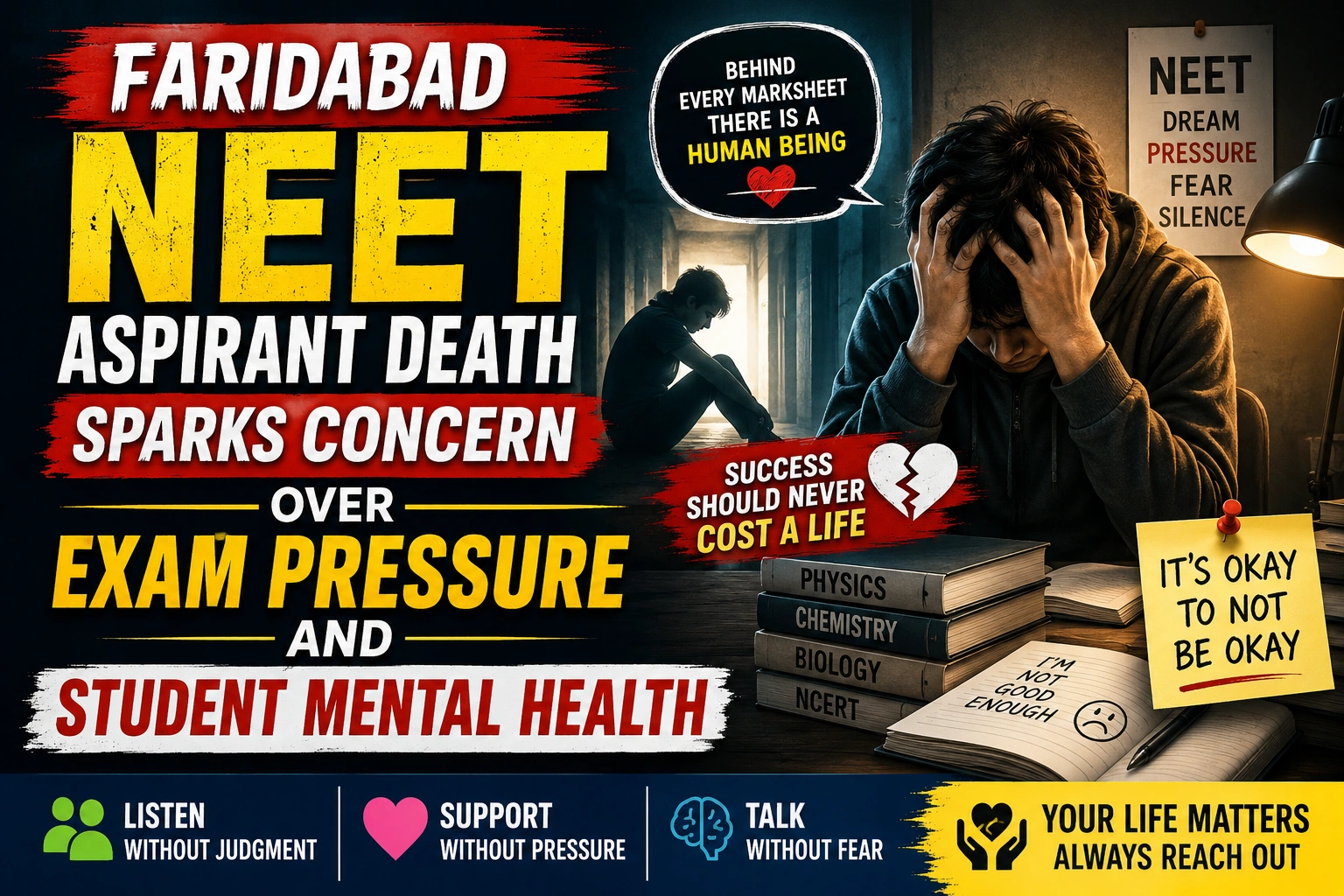
This scandal has also sparked discussions about the impact of exam-related crises on the mental health of young test-takers.
A Turning Point for India’s Examination System
This incident has been defined as a turning point for India’s exam system.
Although investigations are still ongoing and political debates are intensifying, the core focus of all parties remains on safeguarding fairness for test-takers and preventing similar incidents from recurring.
Reviews by the Standing Committee of Parliament, the CBI investigation, and judicial oversight will jointly shape future reforms.
All education stakeholders have reached a consensus: restoring the credibility of the exam system is critically important.
The coming months will test whether the reforms introduced by policymakers and competent authorities can address the systemic loopholes exposed by this incident.
For students planning medical careers, it is also important to follow updates from the NMC, verify recognized institutions through the WDOMS, and stay informed about international healthcare standards promoted by the WHO.