 Russia
 Belarus
 Georgia
 Kazakhstan
 Kyrgyzstan
 Uzbekistan
 China
China Nepal
Nepal Bangladesh
 Poland
 Romania
 Slovakia
 Hungary
 N. Macedonia
 Vietnam
 Canada
 Armenia
 UK
UK Australia
 USA
USA Ireland
 Germany
 New Zealand
 Italy
Italy France
 Singapore
 Netherlands
 Sweden
 Switzerland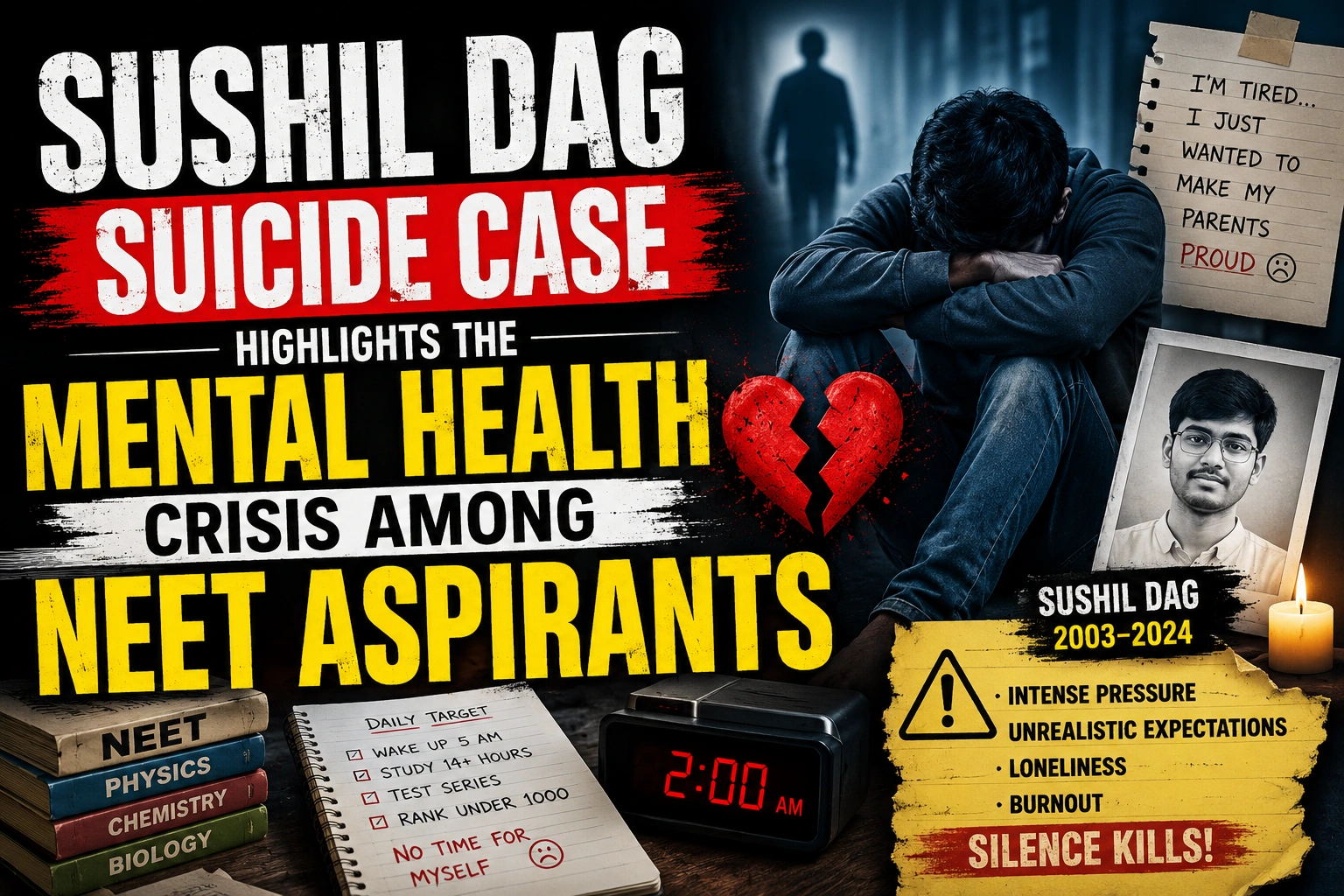
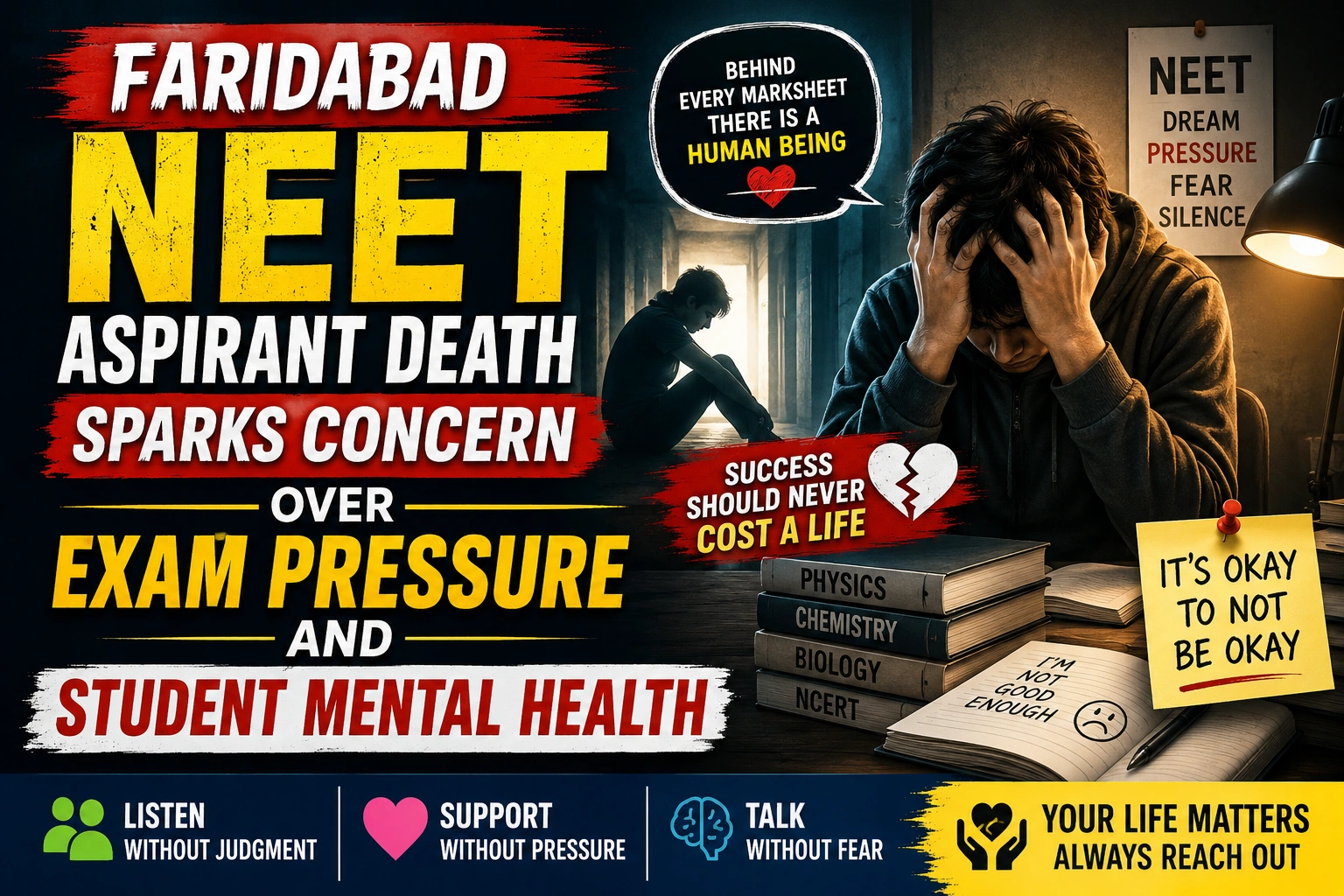
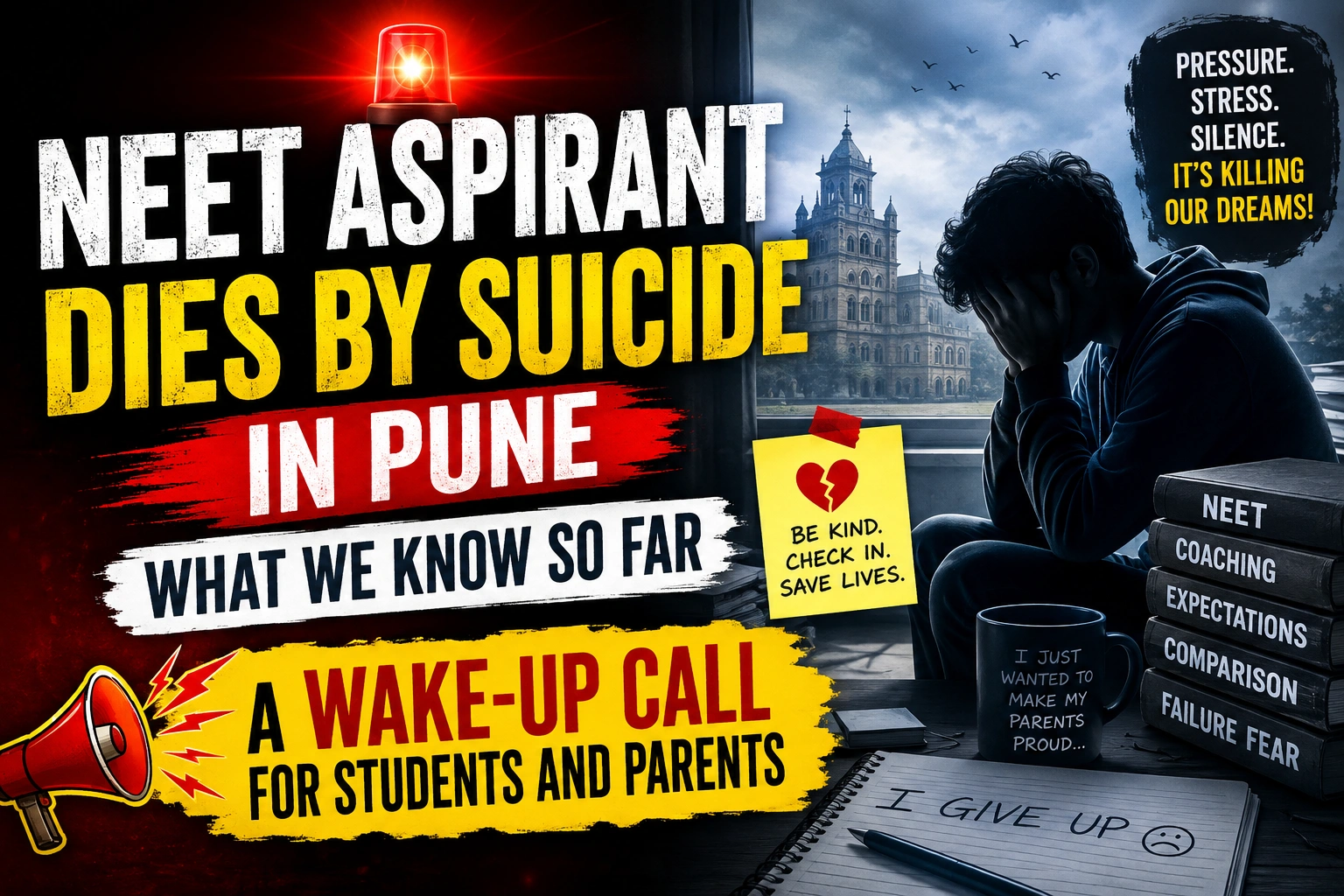
Sushil Dag, an 18-year-old NEET candidate from Hingoli, Maharashtra, India, died by suicide on June 21, 2026, shortly after completing that year’s NEET UG make-up exam, after he concluded he had performed poorly. Before his death, he left a 33-second recorded video of himself; in the footage, he presses his palms together in a traditional prayer gesture facing the camera, breaks down as he utters the apology line “Sorry Mom”.
This heart-wrenching individual tragedy is by no means an isolated case, but a common, harmful social event that occurs repeatedly under the intense college admission pressure plaguing India. NEET is the sole entrance exam for undergraduate MBBS medical degrees, administered by India’s National Testing Agency (NTA). Each year, more than 2 million people register to take the exam, competing for an extremely limited number of seats at public and private medical colleges across the country. In 2026, a make-up exam was added after irregularities were uncovered in the initial test, which only amplified the uncertainty surrounding exam preparation for the entire candidate population.
The extreme demands of India’s test preparation culture, parents’ unreasonably high expectations, and the severe shortage of available seats together create a “pressure cooker” living environment. The vast majority of candidates are forced to completely abandon social activities and cut back on rest time; under long-term overexertion, many experience professional burnout, severe anxiety, and even develop suicidal tendencies.
Mental health experts point out that teenagers’ brains are not yet fully developed, making them far more likely to develop a strong sense of worthlessness stemming from fear of failing to live up to their families’ expectations.
Currently, the third-party organization MBBS Advisor provides professional college admission guidance and psychological counseling for exam candidates. This tragedy exposes the structural flaws in India’s existing college admission system, which urgently requires the whole of society to build accessible professional guidance resources as soon as possible, guide families to adjust their expectations to reasonable levels, and establish a comprehensive support system that covers all NEET candidates.
The Growing Admission Crisis for Medical Aspirants
Sushil, a test-taker from Delhi who just completed his third NEET mock exam, locked himself in his rented room for three days. His mock score was 120 points below the admission cutoff for India’s top-tier public medical colleges. This teenager, who had exerted all his efforts, is stuck in the same college admission crisis shared by countless Indian medical aspirants: his dream of pursuing a Bachelor of Medicine and Bachelor of Surgery (MBBS) degree has been shattered by India’s extreme shortage of medical school seats and strict admission rules.
This is not an isolated case—tens of thousands of Indian medical students are caught in a painful struggle between their academic aspirations and harsh reality.
Role of the NMC in Medical Education
India’s medical education is currently uniformly regulated by the NMC, which replaced the former Medical Council of India (MCI).
Its core functions include:
- Setting standards for medical education and professional practice.
- Overseeing the quality of MBBS programs.
- Updating medical school enrollment policies.
- Revising curriculum guidelines.
The NMC requires all medical colleges to implement a merit-based admission mechanism centered on the NEET exam, while also regulating institutions’ tuition fees and infrastructure standards. The NMC’s rules directly determine test-takers’ application eligibility, seat allocation, and the public credibility of medical practice.
Importance of WDOMS Recognition
If a test-taker plans to return to India to practice after earning a medical degree abroad, they must also ensure their target overseas school is listed in the WDOMS.
Only then can their degree qualify them to pass the Foreign Medical Graduate Examination (FMGE) or the National Exit Test (NEXT), avoiding low-quality programs that could ruin their entire medical career.
How NEET Rank Prediction Helps Students
The NEET Rank Predictor, a tool launched by the platform MBBS Advisor, can estimate a test-taker’s All India Rank (AIR) and the range of eligible schools they can apply for, based on their mock exam scores and historical exam data.
The platform also provides supporting exam-related resources including:
- Syllabus updates.
- Changes to test formats.
- Full-process admission consulting services.
These resources help students abandon the extreme mindset of “only applying to top public medical colleges”, shift to rational planning, prepare backup plans in advance, ease pre-test anxiety, and avoid falling into the desperate situation Sushil faced.
Competition for MBBS Seats in India
The intensity of competition for India’s existing MBBS seats has remained persistently high. This core contradiction runs through the entire preparation process of all medical test-takers, and it is also the fundamental premise on which all admission planning must be based.
The domestic enrollment process for India’s Bachelor of Medicine, Bachelor of Surgery (MBBS) programs follows clear regulatory and implementation rules.
India’s National Medical Commission (NMC) regulates approximately 130,000 medical seats across hundreds of higher education institutions nationwide. The all-India unified quota is managed by the Medical Counseling Committee (MCC), while the allocation of remaining seats is carried out by state-level authorities.
Admission cutoffs vary drastically across applicant categories and states. For general category applicants, only those who rank within the top 50,000 test-takers nationwide can gain admission to high-quality public medical colleges. Most applicants who fail to secure a seat can only turn to costly private medical schools.
Household registration status, reservation quotas, and NMC compliance are the core factors that shape admission outcomes.
Mental Health Challenges Faced by NEET Aspirants
The single-dimensional admission evaluation system imposes a heavy psychological burden on test-takers, and the impact is particularly severe for applicants who narrowly miss the admission cutoff.
In the earlier suicide case of an individual named Sushil, his suicide note confirmed that family relations were the core factor driving his extreme decision. Related "Sorry Mom" suicide videos also triggered an urgent industry-wide discussion on MBBS applicants’ mental health.
Practical Solutions to Reduce Student Stress
To address these pain points, three types of actionable solutions have been launched successively.
Professional Admission Guidance
Admission experts provide support for:
- Program application and choice.
- Application material review.
- Cost structure breakdown.
They also correct the harmful misconception that "a low test score equals a failed life," and clarify that the majority of doctors who graduate from accredited medical institutions can build successful careers based on their professional skills.
Overseas Medical Education Pathways
Eligible overseas institutions must be listed in the World Directory of Medical Schools (WDOMS).
To practice medicine in India after returning, applicants must:
- Pass the NEET exam.
- Complete at least 54 months of coursework.
- Finish a 12-month internship.
- Pass the FMGE/NEXT exam.
Many compliant institutions in regions including Eastern Europe, Russia, and Georgia offer English-taught programs, with overall costs lower than those of private medical colleges in India.
The professional platform MBBS Advisor provides full-process support for this pathway, while guiding public discourse to reframe overseas study from a "last resort" to a "strategic choice" to eliminate the stigma associated with this option among applicants.
Mental Health Support
Relevant initiatives call for:
- Regular psychological counseling services.
- Parent awareness workshops.
- Balanced work-rest schedules.
- Mindfulness exercises.
- Alternative career pathways in allied health sciences.
- Gap-year opportunities for NEET re-attempts.
These measures can help applicants relieve pressure.
A Call for Reform
We hereby issue a clear call to all educators, policymakers, candidates taking India’s NEET medical entrance exam, and their parents, to optimize the NEET exam ecosystem.
First, we put forward three core reform demands to the policymakers responsible for formulating exam rules.
At the same time, we recognize the progress that official education bodies including India’s National Medical Commission (NMC) have made in recent years, such as:
- Simplifying the application process.
- Increasing transparency of admissions.
It must also be noted that these policies still require local-level supporting resources to truly benefit the large group of ordinary candidates who prepare for the exam across different regions.
We have sorted out three types of feasible non-governmental mental health support platforms that can provide immediate emotional counseling for candidates in need.
Professional higher education consulting agency MBBS Advisor has also launched exclusive services covering the entire process of exam preparation and college application.
Building a Better Medical Education System
The tragic death of candidate Sushil Dhage has further pushed the whole of society to reflect on the current one-dimensional standard of success.
We must:
- Advance public-private partnerships to expand medical education infrastructure.
- Ease the long-standing shortage of medical seats.
- Promote diverse career paths in healthcare.
- Recognize achievements across all scientific service sectors that do not rely solely on the NEET pathway.
Sushil’s widely circulated "Sorry Mom" suicide note video, shared before his passing, became an emotional anchor that struck a chord with countless candidates.
We call on candidates to:
- Make full use of NEET rank prediction tools.
- Keep track of the latest NMC regulations.
- Follow the WDOMS admissions directory.
- Proactively connect with professional consulting services.
We also call on parents, teachers, and peers to actively identify three common warning signs of mental health crisis and intervene in a timely manner. Anyone in need can contact the official mental health hotlines iCall and AASRA.
Conclusion
We will work together to build a medical education system that balances candidates’ well-being and their higher education aspirations, and always bear in mind that a single exam score can never define a person’s full worth.
Students should also stay informed about international medical education standards issued by the WHO, alongside national regulations and recognized medical education pathways.