 Russia
 Belarus
 Georgia
 Kazakhstan
 Kyrgyzstan
 Uzbekistan
 China
China Nepal
Nepal Bangladesh
 Poland
 Romania
 Slovakia
 Hungary
 N. Macedonia
 Vietnam
 Canada
 Armenia
 UK
UK Australia
 USA
USA Ireland
 Germany
 New Zealand
 Italy
Italy France
 Singapore
 Netherlands
 Sweden
 Switzerland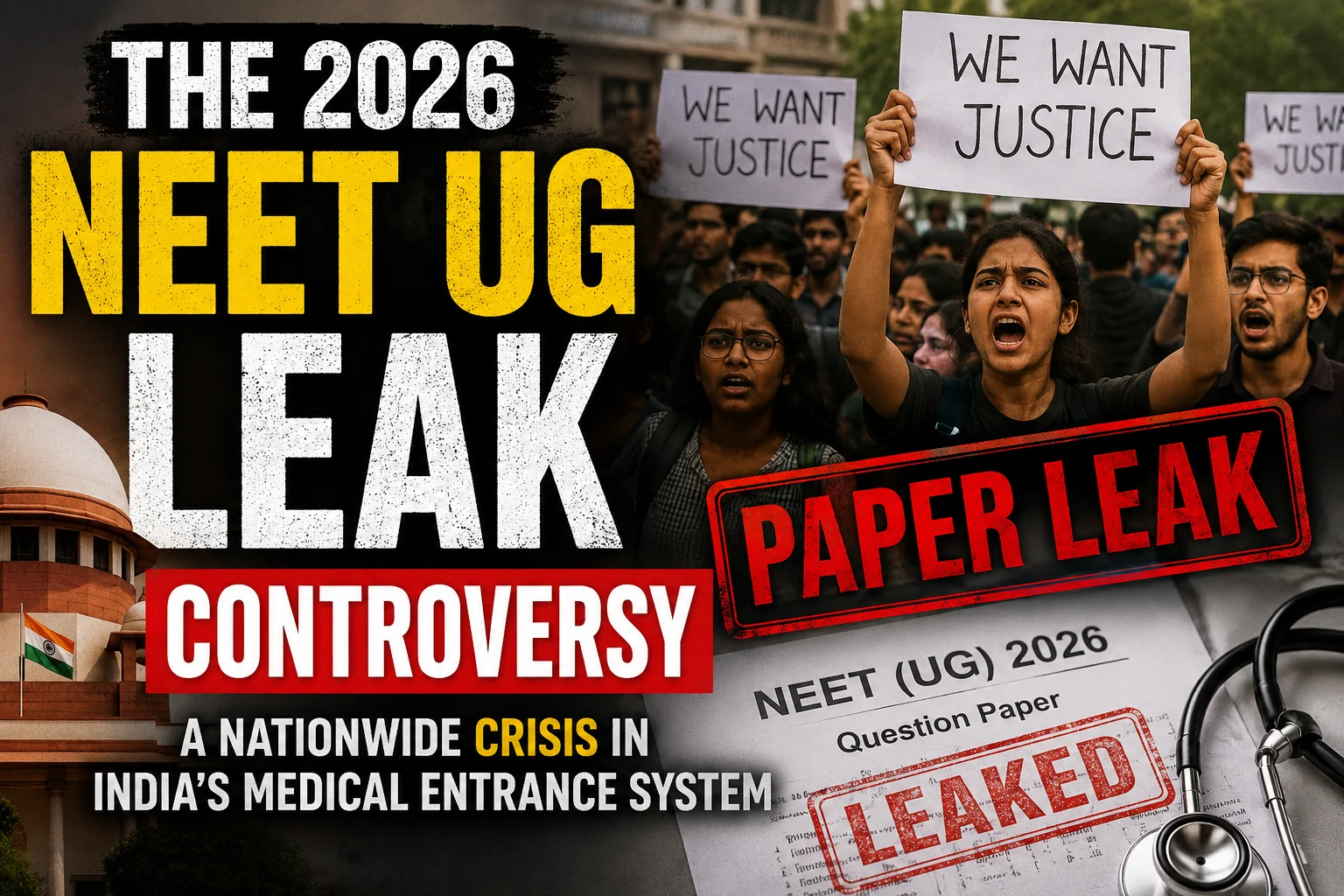
Introduction to the 2026 NEET UG Controversy
The 2026 leak controversy surrounding India’s NEET UG, the national entrance exam for undergraduate medical programs, has sparked a nationwide uproar. The core trigger of this controversy is that 600 points worth of questions in the official exam paper — out of the test’s total score of 720 — highly matched the content of unofficially circulated pre-exam "prediction papers".
As soon as this allegation emerged, it triggered nationwide public outrage among test-takers, parents, educational material practitioners, and education sector experts. Multiple government departments immediately launched synchronized investigations. All core facts collated in this analysis are sourced from multi-party media reports and official preliminary investigation conclusions.
Review of Leak Allegations
Origin of the Leak
The classified materials used in this leak first originated in Sikar District, Rajasthan. Several days before the exam, the materials were circulated layer by layer via WhatsApp groups, Telegram channels, and private educational support networks, with selling prices ranging from 20,000 rupees to hundreds of thousands of rupees. Rajasthan’s Special Operations Group (SOG) was the first official department to receive complaints from test-takers and educators and launch a relevant investigation.
Leakage Transmission Channels
The criminal ring involved in this incident mainly relied on five major channels to spread the leaked materials:
- Telegram groups
- WhatsApp channels
- Offline educational support institution networks
- Private brokers
- Mainstream social media platforms
The ring promised test-takers who purchased the materials that anyone using the set of materials would score over 600 points, in exchange for exorbitant service fees.
Official Investigation Progress
CBI Investigation and Arrests
Jurisdiction over the investigation into this incident was later transferred to the Central Bureau of Investigation (CBI). As of the current date, more than 10 suspects linked to the case have been arrested, including the female principal of a school in Pune.
The investigation now covers:
- Associated educational support institutions
- Intermediaries
- School staff
- Cross-state criminal networks
Investigators are simultaneously verifying digital evidence, relevant fund flow records, and social media communication logs to fully trace the core source of the leak.
NTA’s Response to the Controversy
The National Testing Agency (NTA), India’s exam governing body responsible for organizing the test, issued an initial response immediately, first denying that the leak vulnerability originated from its internal systems.
It stated that:
- A full investigation into the incident had been launched
- Candidates should avoid spreading unverified rumors
- Further findings would be released after official verification
As the controversy escalated, multiple Indian political leaders, education activists, and student groups collectively demanded greater transparency and accountability from the NTA.
Supreme Court and Government Intervention
Supreme Court’s Concerns
India’s Supreme Court criticized the agency over NEET’s repeated entanglement in controversies in recent years and officially issued a summons in response to related petitions.
The court raised a key question:
- Why did another question leak incident occur despite previous warnings and reform recommendations?
Government Measures
India’s Union Minister of Education, Dharmendra Pradhan, ordered a full review of the entire examination system.
The central government proposed three major reform measures:
- Upgrading digital security systems
- Introducing closed-loop monitoring at exam centers
- Deploying advanced test paper tracking mechanisms
Impact on Students and Parents
This incident has affected hundreds of thousands of medical students preparing for the exam across India. Many candidates have spent years preparing for the test, and the controversy has sparked strong concerns regarding fairness and transparency.
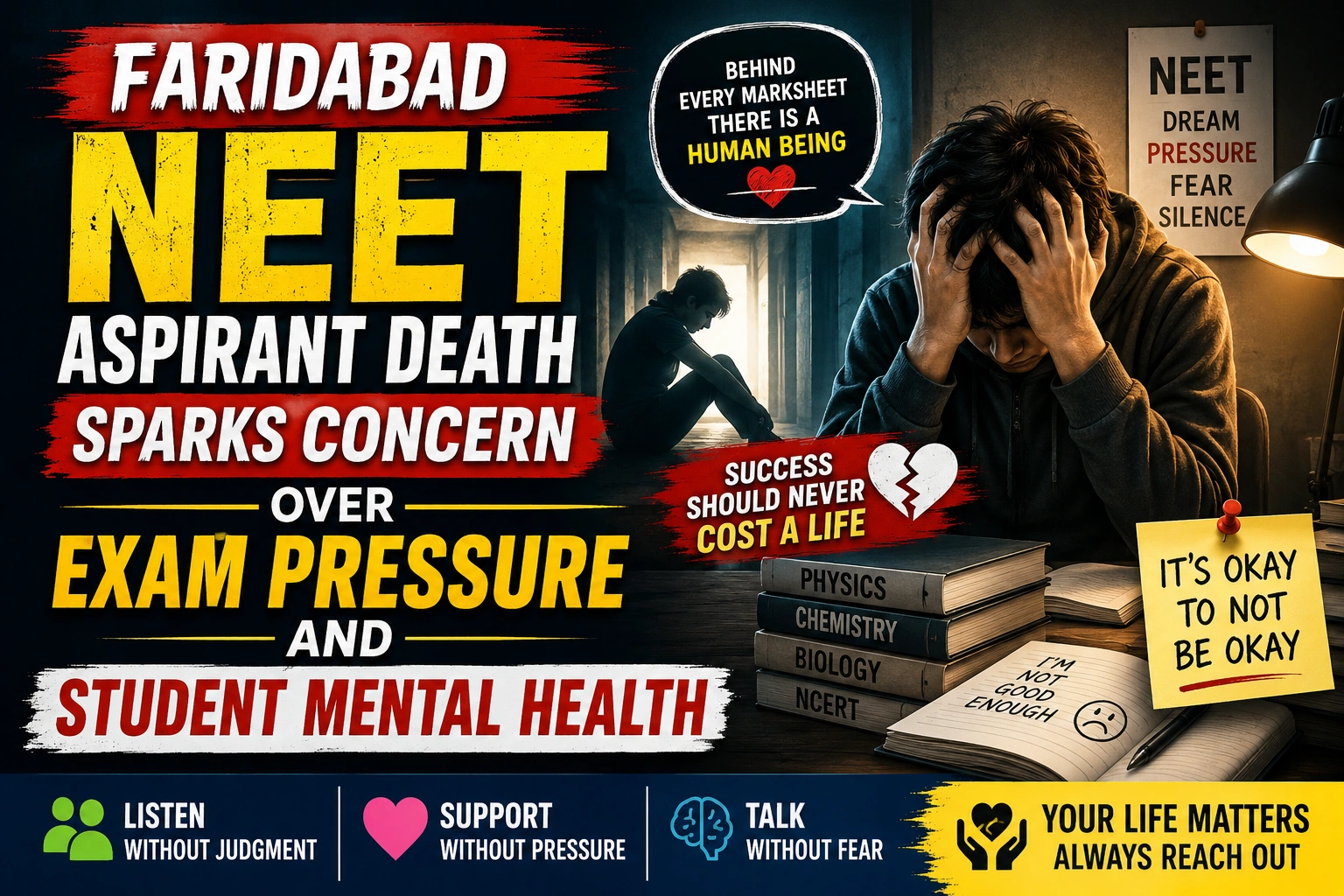
Psychological Impact
Students and parents reported:
- Severe stress and uncertainty
- Fear regarding exam fairness
- Anxiety over possible re-examinations
- Distrust toward the examination system
Street protests have broken out in multiple regions demanding transparent investigation results and accountability.
Importance of NEET UG in India
As the only national undergraduate entrance exam for medical programs in India, NEET UG serves as the sole gateway for admission into:
- MBBS programs
- BDS programs
- AYUSH courses
India’s medical education system is regulated by the National Medical Commission (NMC), while accredited institutions are listed in the World Directory of Medical Schools (WDOMS) and follow global medical education standards influenced by the World Health Organization (WHO).
Every year, more than 2 million candidates compete for a limited number of medical seats, making NEET one of India’s most competitive entrance examinations.
Growing Interest in MBBS Abroad
Why Students Are Looking Overseas
The repeated controversies surrounding India’s medical entrance system have contributed to the growing popularity of overseas MBBS education.
Popular destinations include:
- Georgia
- Kazakhstan
- Russia
- Kyrgyzstan
- Uzbekistan
Students selecting overseas medical universities are strongly advised to verify:
- NMC approval status
- WDOMS listing
- Clinical internship quality
- Language of instruction
- Licensing exam eligibility
Professional consulting platforms such as MBBS Advisor have become increasingly popular among students seeking verified guidance regarding international medical education.
Major Concerns Raised by Education Experts
Education experts believe the 2026 NEET controversy exposed deep flaws within India’s examination security infrastructure.
Key Concerns Include
- Weak cybersecurity systems
- Poor monitoring of question paper circulation
- Organized cheating networks
- Lack of encryption in paper distribution
- Vulnerabilities in communication channels
If allegations are fully substantiated, this could become one of the largest examination scandals in India’s recent history.
Demands Raised by Students and Parents
Students and parents across India have collectively demanded:
- A transparent investigation
- Strict punishment for all involved parties
- Stronger exam security measures
- Fair opportunities for genuine candidates
- Improved monitoring systems
Education experts additionally proposed:
- AI-powered monitoring systems
- Encrypted digital paper distribution
- Advanced cybersecurity infrastructure
Conclusion
The allegations that nearly 600 exam questions matched leaked materials before the official test date have shaken public confidence in India’s national medical entrance system.
Investigations led by agencies including the CBI are still ongoing, and candidates across the country continue to anxiously await official outcomes and possible future decisions regarding the examination.
For millions of Indian students, NEET represents years of preparation and their dream of becoming doctors. Ensuring transparency, fairness, and security in the examination process is therefore essential to protecting the credibility of India’s entire medical education system.