 Russia
 Belarus
 Georgia
 Kazakhstan
 Kyrgyzstan
 Uzbekistan
 China
China Nepal
Nepal Bangladesh
 Poland
 Romania
 Slovakia
 Hungary
 N. Macedonia
 Vietnam
 Canada
 Armenia
 UK
UK Australia
 USA
USA Ireland
 Germany
 New Zealand
 Italy
Italy France
 Singapore
 Netherlands
 Sweden
 Switzerland
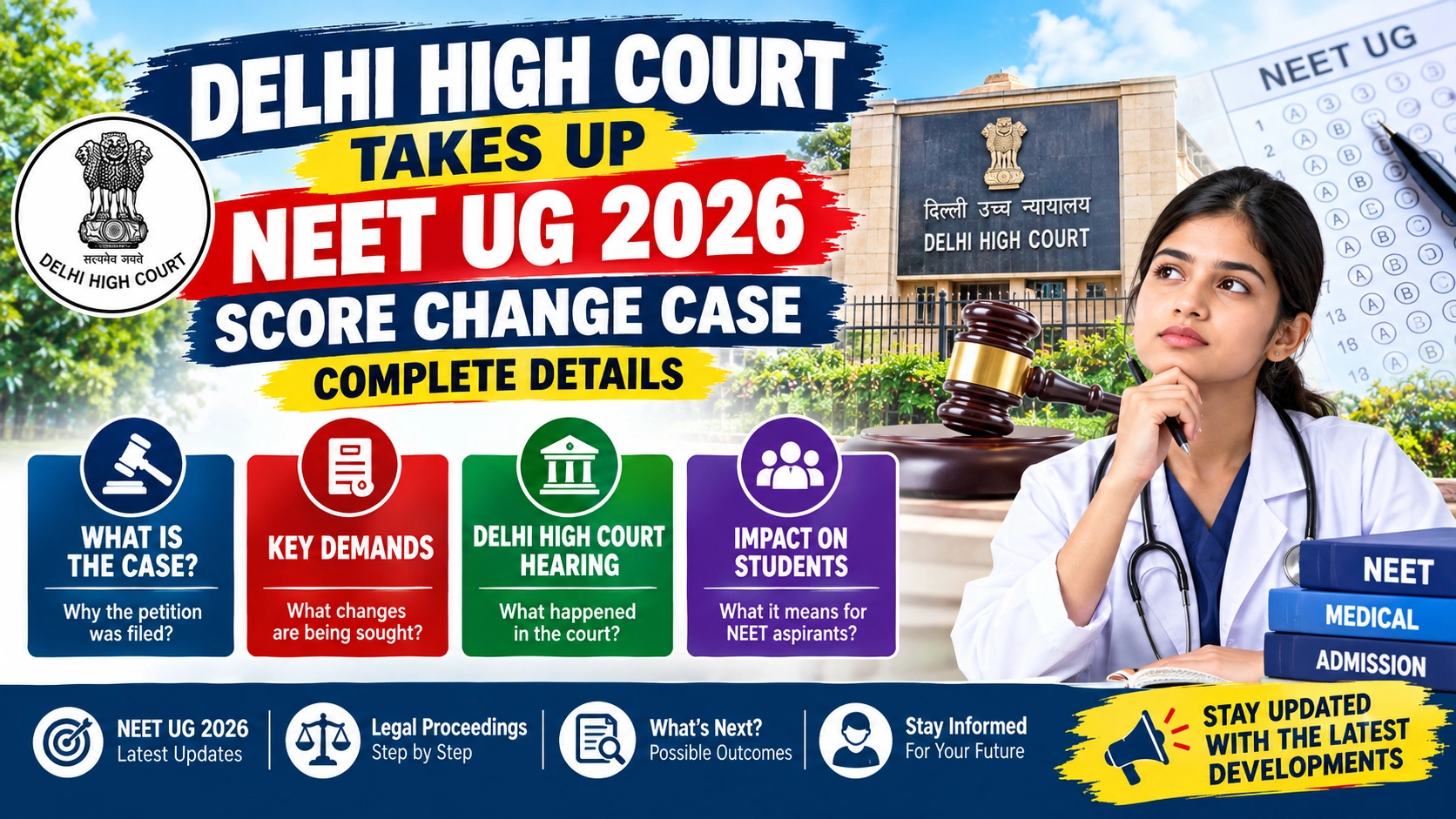
The debate around NEET has returned to a familiar but increasingly sharper question: should the examination be repaired, or should it be removed completely? Tamilaga Vettri Kazhagam, led by actor-politician Vijay, has chosen the second position. No partial correction. No temporary exemption. The party has demanded the complete abolition of the National Eligibility-cum-Entrance Test and described its stand as “uncompromising and firm.” TVK’s statement came amid continuing student protests, public anger over alleged examination irregularities and renewed political pressure on the Union government. The party also demanded that education be moved back to the State List, arguing that state governments should have greater control over medical admissions and education policy. That makes this bigger than one entrance examination. For students tracking the issue through MBBS Advisor, the immediate question is whether TVK’s demand can actually change the current admission process. For now, NEET remains the applicable entrance examination. Political demands, however strongly worded, don’t alter admission rules unless the required legal and constitutional changes are completed.
What Exactly Has TVK Demanded?
TVK’s position is direct: NEET should be scrapped altogether rather than modified through administrative changes. In its statement, the party reportedly said its opposition was not limited to recent complaints about paper leaks or examination management. It presented NEET itself as the problem, arguing that a centralised entrance test does not adequately reflect the educational, social and linguistic conditions of different states.
The party’s main demands can be understood in three parts:
- Complete abolition of NEET for medical admission
- Restoration of education to the State List
- Greater state control over medical education and admission policy
TVK argued that transferring education back to the State List would offer a permanent solution. State governments could then frame admission systems according to regional requirements rather than depending on one national examination. A strong demand. Implementing it, though, would be legally difficult.
Why Has Vijay’s Party Taken Such a Firm Position?
Tamil Nadu’s opposition to NEET existed long before TVK became a major political force. Vijay’s party is entering a debate already shaped by student protests, court cases, legislative resolutions and years of disagreement between the state and the Centre. Critics of NEET in Tamil Nadu argue that the examination favours students who can afford long-term coaching, repeated attempts and specialised preparation material. They say students from rural areas, government schools, low-income families and Tamil-medium backgrounds may perform well in the state curriculum but remain disadvantaged in a national test dominated by coaching-based preparation. TVK has aligned itself with that argument. Its statement reportedly described the demand to abolish NEET as a question of educational rights and social justice rather than a reaction to one controversial examination cycle. Honestly, this distinction matters. If a party opposes only a paper leak, better security may satisfy its demand. If it opposes the basic structure of the examination, security reforms won’t settle the issue. MBBS Advisor advises students to separate these two debates: whether NEET was administered fairly in a particular year, and whether NEET should exist at all. They overlap, but they aren’t the same question.
The Arivu Detention Added Fresh Political Heat
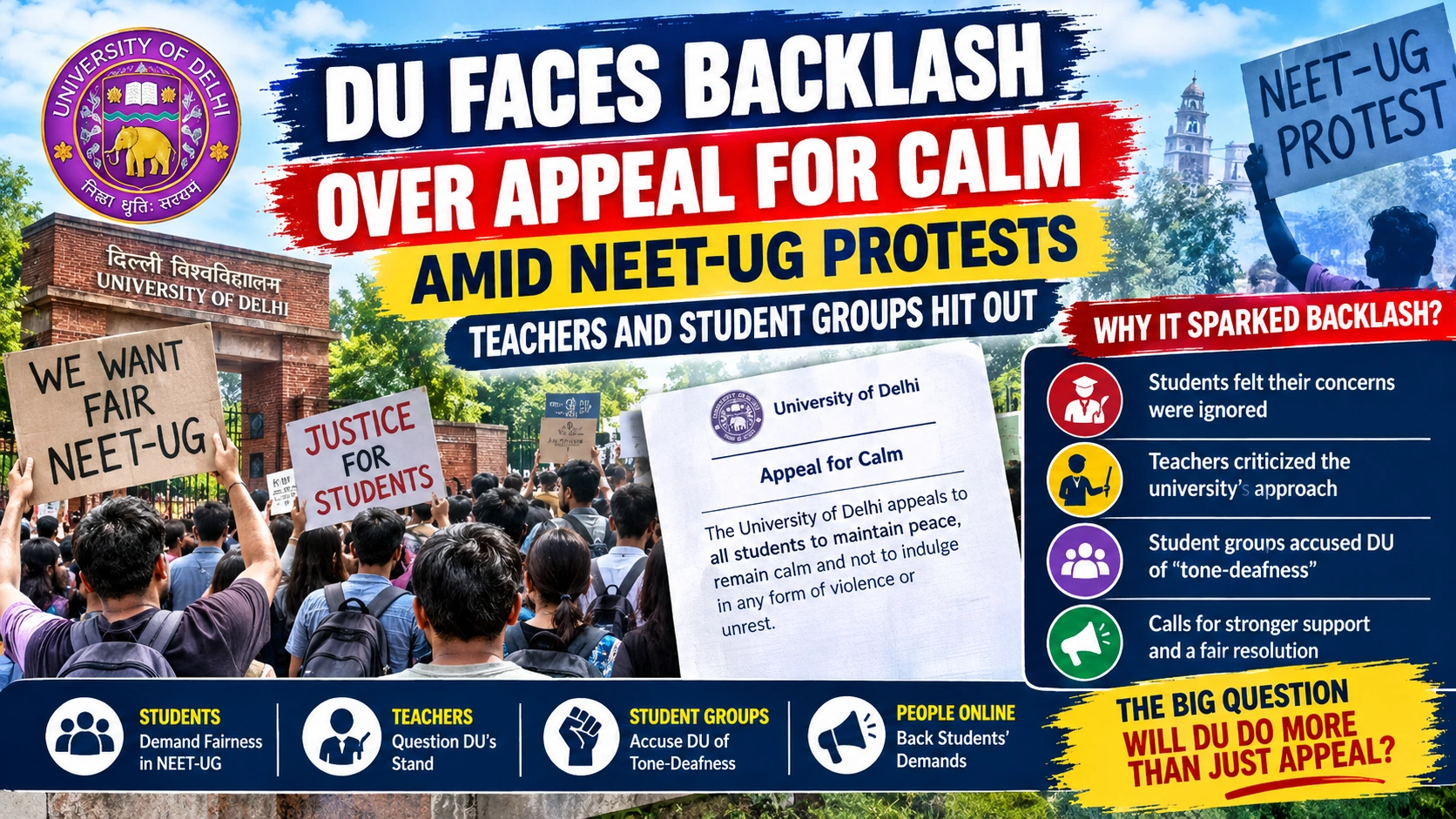
Hours before TVK restated its position, rapper and activist Arivu was reportedly detained during an anti-NEET protest near the Secretariat. Vijay later met him, bringing additional attention to both the protest and the party’s stand. The detention became politically significant because Arivu’s protest was tied to a subject that already carries strong emotional weight in Tamil Nadu. His meeting with Vijay was viewed as support for the right to protest and for the wider campaign seeking NEET’s abolition. The sequence was quick. Protest. Detention. Meeting. Statement. TVK also criticised police action against protesters and opposition leaders involved in demonstrations elsewhere. By doing so, the party connected its educational argument with a broader concern about how student-led and political protests were being handled. Whether one supports the party or not, the message was carefully framed: TVK wanted to be seen as standing beside candidates who felt ignored by the existing examination system.
Why Tamil Nadu Has Opposed NEET for Years
The disagreement begins with how merit should be measured. Supporters of NEET argue that one national test creates a common standard for admission to medical colleges, limits capitation-based selection and allows students to compete for seats across India. Before NEET, medical admission involved multiple state and institution-level examinations, different syllabi and separate application fees. Opponents see another reality. A single examination may be uniform on paper while candidates’ preparation conditions remain completely unequal. A student studying in a private CBSE school with expensive coaching doesn’t enter the test with the same resources as a government-school student from a rural district. Fees tell part of the story. Classroom NEET coaching can cost approximately ?50,000 to ?2.5 lakh or more per year, depending on the institute, city and course format. Residential coaching, accommodation and test-series expenses can push the amount higher. Online options are cheaper, sometimes below ?20,000, but reliable internet, personal devices and disciplined study support aren’t equally available. This is where the argument becomes uncomfortable. Same paper. Very different starting lines.Tamil Nadu has repeatedly favoured admission policies that give weight to Class 12 performance and state-board education. NEET supporters respond that board marks are difficult to compare because evaluation standards differ across boards.Both sides raise real concerns. That’s why the dispute refuses to disappear.
Can NEET Be Scrapped by a Political Statement?
No. A party statement can create pressure, shape public debate and influence policy, but it cannot cancel an examination by itself. NEET operates within a national legal and regulatory framework governing undergraduate medical admission. Any complete abolition would require action by the competent authorities and, depending on the chosen route, changes to central legislation, regulations or constitutional arrangements. The National Medical Commission has responsibilities connected with medical education standards, while the National Testing Agency conducts NEET-UG under the applicable framework. State governments participate in counselling and seat allocation for their quotas, but they cannot simply ignore the national examination while the existing law remains in force. Moving education from the Concurrent List back to the State List would be an even larger step. Education was transferred to the Concurrent List through the 42nd Constitutional Amendment in 1976. Reversing that position would require a constitutional amendment, not an executive announcement. MBBS Advisor therefore recommends that aspirants continue preparing under the current system unless an official notification says otherwise. Political developments deserve attention. Admission deadlines deserve more.
What TVK Means by Returning Education to the State List
Here, a quick constitutional explanation helps. The Seventh Schedule of the Constitution distributes subjects between the Union List, State List and Concurrent List. A subject in the Concurrent List can be legislated upon by both Parliament and state legislatures, though central law generally prevails where there is a conflict, subject to constitutional provisions. TVK argues that restoring education to the State List would allow states to decide how medical candidates should be selected. Tamil Nadu could then design an admission method based on its own school system, reservation policies and social conditions. Supporters believe states understand local educational inequality better than a national testing authority. Critics worry that separate state systems could create inconsistent standards, reduce interstate mobility and revive the burden of multiple entrance examinations. There is no tiny administrative fix here. TVK is asking for a basic redistribution of law-making power.
What Supporters of NEET Say
A national entrance test was introduced to simplify medical admissions and create one merit-based route. Supporters point to several advantages:
- Students don’t need to sit for numerous medical entrance examinations.
- A common score allows participation in national and state counselling.
- Private colleges have less freedom to conduct opaque admission tests.
- The examination provides one academic benchmark for applicants.
- Centralised rules may make seat allocation easier to monitor.
The official NEET portal remains the primary source for application notices, admit cards, answer keys, results and examination updates. Students should rely on that portal rather than social-media claims about cancellation or sudden rule changes. Supporters also argue that removing NEET without creating a credible replacement could bring back inconsistent admission methods. If board marks become the main criterion, normalisation across CBSE, ICSE and different state boards would become a serious challenge. Abolition sounds simple. The replacement isn’t.
What NEET Critics Say
For opponents, the issue begins outside the examination hall. They argue that NEET has contributed to the growth of an expensive coaching culture and placed additional pressure on teenagers who already face intense competition for limited government seats.
Their concerns commonly include:
- Unequal access to professional coaching
- Disadvantages faced by rural and government-school students
- Language and translation problems
- Differences between state-board and NEET preparation patterns
- High emotional pressure and repeated drop years
- Allegations of paper leaks, impersonation or centre-level irregularities
- Dependence on one examination day
- Reduced weight given to long-term school performance
TVK’s demand draws strength from these points. The party says reforming security alone won’t correct the social imbalance it associates with the examination. MBBS Advisor believes students deserve a fair discussion that doesn’t label every NEET critic as anti-merit or every supporter as insensitive. The real question is how medical seats can be allocated fairly, transparently and without excluding talented students because of their financial background.
Would Scrapping NEET Automatically Benefit Students?
Not necessarily. It depends on the replacement system. If each state restores a separate entrance examination, candidates seeking seats outside their home state may need to prepare for several tests. Application fees, travel and differing syllabi could return. If admission is based entirely on Class 12 marks, board-to-board variation may create new disputes.
A workable alternative would need to answer some difficult questions:
|
Key Question |
Why It Matters |
|
Will admission use board marks or a state entrance test? |
Students need a clear preparation route |
|
How will different boards be normalised? |
Marking patterns vary widely |
|
What happens to All India Quota seats? |
Interstate access must be addressed |
|
How will private-college admissions be monitored? |
Transparent fee and merit rules are necessary |
|
Will reservation policies change? |
Seat distribution affects several categories |
|
How will paper security be ensured? |
State tests can face leaks too |
|
What will happen to students already preparing for NEET? |
Transition rules must protect current candidates |
This is the less exciting part of the political debate, but probably the most important. Scrapping an examination without announcing a fair replacement can create a different form of uncertainty.
What Should NEET Aspirants Do Right Now?
Ignore dramatic claims unless they are supported by an official notice. Students should continue their preparation, download and preserve all application documents, follow current counselling instructions and monitor government announcements. TVK’s demand may influence future policy, but it does not automatically change the present admission process. Candidates can follow the MBBS Advisor NEET section for simplified updates while checking all decisive information against the official NTA portal. Aspirants should also avoid pausing their studies because they expect NEET to disappear soon. Constitutional and legislative changes take time, and legal challenges may follow. Even if a new system is eventually introduced, strong knowledge of Physics, Chemistry and Biology will remain necessary. Politics can change the examination format. It can’t make medical science optional.
Could More Students Consider MBBS Abroad?
Yes, prolonged uncertainty may push some families towards overseas medical education. Countries such as Russia, Georgia, Kazakhstan, Kyrgyzstan and Uzbekistan offer medical programmes for international students, often with approximate tuition fees ranging from ?2.5 lakh to ?8 lakh per year. Still, overseas admission is not an escape from regulation. Indian students planning to return must verify NEET qualification requirements, course duration, internship structure, medium of instruction, clinical exposure and eligibility for local medical registration. The World Directory of Medical Schools can confirm whether a school is listed, but listing does not equal accreditation, endorsement or automatic NMC compliance. The World Health Organization also does not “approve” individual medical colleges for Indian licensing. Advertisements using phrases such as “WHO-approved university” should be examined carefully. MBBS Advisor recommends reviewing every foreign programme against current NMC rules before paying any fee. A student frustrated with NEET should not rush into a university that creates a bigger licensing problem later.
FAQs
What has Vijay’s TVK demanded regarding NEET?
TVK has demanded the complete abolition of NEET and described its stand as firm and uncompromising. It has also called for education to be returned to the State List.
Has NEET been scrapped after TVK’s statement?
No. A political statement does not change the current examination rules. Students must continue following official NEET and government notifications.
Why does TVK want education moved to the State List?
The party argues that states should control medical education and create admission policies based on their own educational and social conditions.
Can Tamil Nadu stop NEET on its own?
Tamil Nadu cannot simply discontinue NEET while the present central legal framework remains applicable. Legislative, regulatory or constitutional action would be required.
What could replace NEET if it were abolished?
Possible alternatives include state entrance tests, Class 12 marks or a combined state-level formula. No replacement becomes valid unless formally approved and notified.
Should students stop preparing for NEET?
No. Students should continue preparing until an authorised body officially changes the admission system.
Conclusion
TVK’s statement leaves no room for ambiguity. Vijay’s party doesn’t want another committee, another security promise or a temporary state exemption. It wants NEET removed and control over education returned to the states. Whether that demand succeeds is a separate matter.The legal route is complex, the political disagreement is deep, and any replacement system would need to protect merit, social justice, transparency and interstate access at the same time. Not easy. But the concerns raised by students from rural, government-school and low-income backgrounds cannot simply be dismissed. MBBS Advisor will continue tracking official NEET notices, counselling changes and medical admission developments. Until a formal decision is announced, aspirants should continue preparing under the existing rules. Listen to the debate, certainly. Just don’t let political uncertainty take away the study time you still control.