 Russia
 Belarus
 Georgia
 Kazakhstan
 Kyrgyzstan
 Uzbekistan
 China
China Nepal
Nepal Bangladesh
 Poland
 Romania
 Slovakia
 Hungary
 N. Macedonia
 Vietnam
 Canada
 Armenia
 UK
UK Australia
 USA
USA Ireland
 Germany
 New Zealand
 Italy
Italy France
 Singapore
 Netherlands
 Sweden
 Switzerland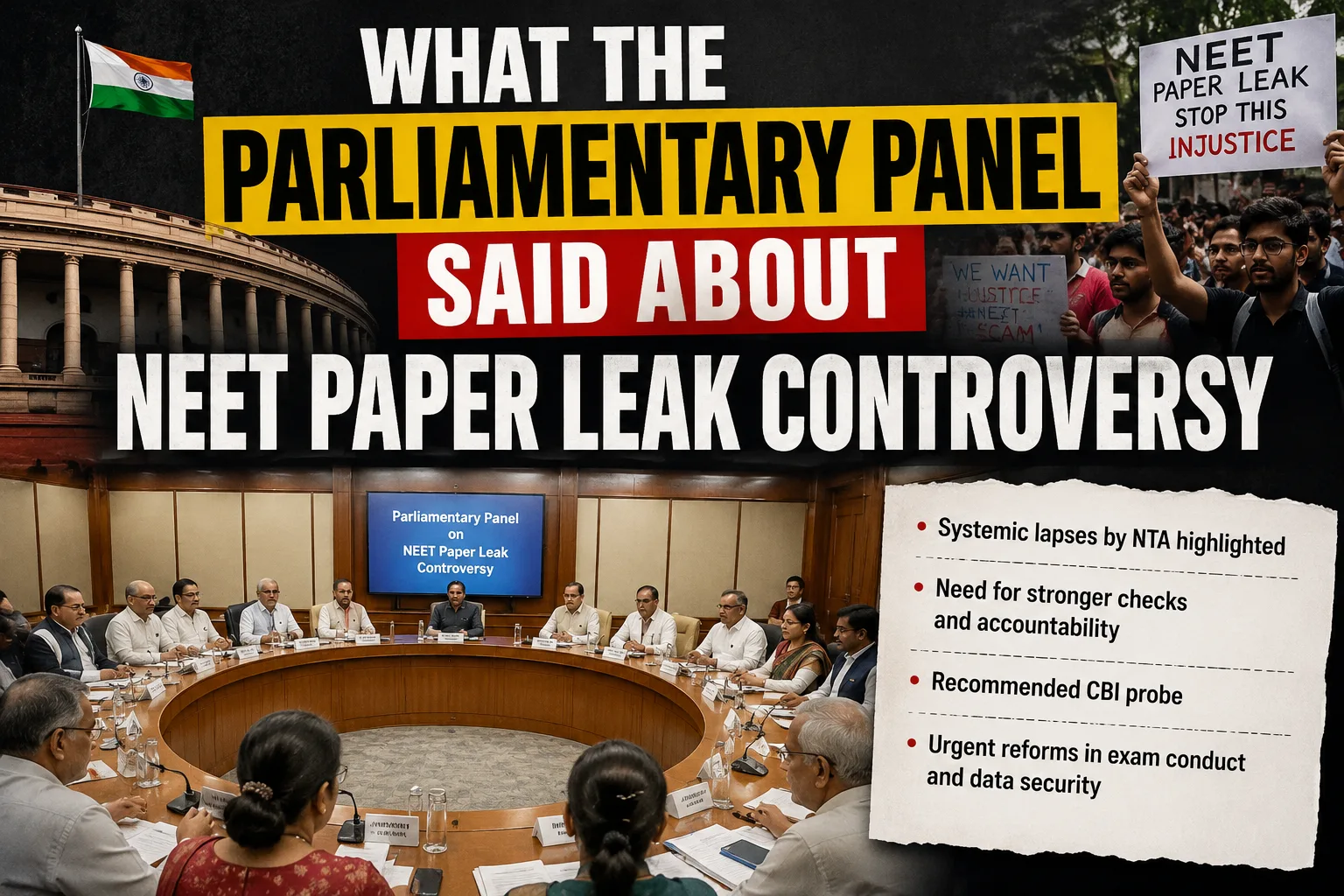
Every year, millions of test-takers from across India take this exam to compete for the limited number of admission spots in medical degree programs. After allegations of question paper leaks, unauthorized bonus points, administrative negligence, and other misconduct came to light, angry test-takers and their parents launched nationwide protests and filed legal claims.
As the incident continued to escalate, the case was eventually appealed to the Supreme Court of India. Opposition parties and student organizations also issued successive statements, demanding accountability for all involved parties and pushing for systemic reform.
Organized Multi-State Investigation
Investigations confirmed that this question paper leak involved an organized criminal network spanning multiple Indian states, made up of middlemen and groups tied to test preparation coaching centers, which profited by selling stolen exam questions in exchange for payment.
Parliamentary Committee Intervention
India’s Parliamentary Standing Committee on Education, Women, Children, Youth and Sports immediately intervened, launching a full investigation into the operations of the National Testing Agency (NTA)—the body responsible for administering the exam—and releasing findings and reform recommendations aimed at rebuilding public trust.
The committee harshly criticized the NTA, pointing out that multiple national-level exams administered by the agency in recent years had been marred by scandals, alongside repeated issues including exam delays and technical failures.
These repeated lapses have severely damaged the public credibility of the country’s exams, while also harming test-takers’ mental health and career development.
Criticism of the NTA
The committee called on the NTA to:
- Improve operational efficiency
- Strengthen accountability mechanisms
- Enhance investigation transparency
- Tighten exam administration security
In industry discussions sparked on the consulting platform MBBS Advisor, some experts proposed fully shifting to computer-based testing (CBT) to prevent question paper leaks at the source.
However, the committee supported retaining the pen-and-paper exam format, only recommending that security measures be strengthened across the entire exam process.
Lessons from Other National Examinations
Over the years, multiple national-level examinations organized by UPSC and CBSE have maintained a stable track record of preventing question leaks, which can serve as a reference sample for the current controversy.
The core issue highlighted by this controversy is not flaws in the examination format itself, but the complete failure of:
- Invigilation systems
- Logistics systems
- Accountability mechanisms
Temporary and Long-Term Reform Measures
To manage the current risks, the parliamentary committee first proposed temporary prevention and control requirements.
Temporary Measures
- All computer-based exams may only be conducted at government-managed test sites
- Security monitoring must be strengthened
- Exam logistics supervision must be upgraded
However, the committee acknowledged that this temporary plan cannot fundamentally resolve the recurring problem of question leaks in national-level examinations.
Five Core Structural Reform Measures
The committee outlined five major reform directions:
- Strengthening cybersecurity and the full-process invigilation system
- Deepening coordination with law enforcement agencies
- Conducting comprehensive background checks on exam setters and logistics staff
- Improving the NTA’s internal accountability mechanism
- Implementing a fully transparent, end-to-end investigation process
Unified National Blacklist Proposal
As a supporting reform measure, the committee called for establishing a unified national blacklist of institutions involved in:
- Question leaks
- Exam fraud
- Organized cheating activities
All blacklisted entities would be permanently barred from undertaking contracts related to national examinations.
Political and Public Pressure Intensifies
The controversy later escalated further, leading the committee to summon senior NTA officials and representatives from the Ministry of Education for questioning.
Key Parliamentary Concerns
Members of parliament raised concerns across five core dimensions:
- Security loopholes
- Intelligence failures
- Delayed administrative action
- Insufficient investigation transparency
- Weak accountability systems
The NTA argued that the leak did not originate from its internal digital systems, while lawmakers demanded stronger end-to-end accountability and deeper investigations.
The committee also reviewed the implementation progress of recommendations made during previous examination controversies.
Psychological Impact on Students
This controversy has caused severe psychological harm to millions of students preparing for the NEET examination.
Major Emotional Consequences
- Persistent anxiety
- Fear of unfair competition
- Emotional burnout
- Loss of trust in the examination system
On social media, thousands of candidates co-signed petitions demanding either:
- A nationwide retest
- Restructuring of the examination governing authority
Supreme Court Intervention
The Supreme Court of India has formally intervened in the controversy.
Judicial Directions
At a recent special hearing, the Supreme Court:
- Ordered authorities to fully investigate all involved parties
- Rejected petitions demanding an immediate nationwide re-examination
- Directed investigators to submit phased progress reports every 15 days
- Initiated judicial oversight over the full investigation process
CBI Investigation Across India
At the law enforcement level, India’s Central Bureau of Investigation (CBI) has taken over the case.
Current Investigation Progress
The CBI has launched a coordinated probe spanning 17 states and has:
- Summoned 68 individuals linked to the incident
- Seized 11 electronic devices used to transmit confidential exam questions
- Mapped a question-leak network covering 12 major exam zones
The investigation includes:
- Digital forensic analysis
- Tracking financial transactions
- Monitoring communication chains
- Cross-state intelligence coordination
Calls for Nationwide Examination Reform
India’s education experts, students, and mainstream media outlets have all demanded comprehensive reforms to the NEET examination administration system.
Suggested Reform Directions
Proposed reforms include:
- Multiple parallel question sets
- AI-assisted proctoring systems
- Traceable monitoring systems
- Lifelong accountability for exam administration staff
- Stronger confidentiality protocols
Global Medical Examination Standards
Within the framework of global medical education standards, major physician qualification examinations worldwide classify exam confidentiality as a national-level security matter.
Leading international medical education frameworks supported by the World Health Organization (WHO) and the World Directory of Medical Schools (WDOMS) emphasize strict layered risk-control systems for examination security.
The controversy has exposed systemic weaknesses in India’s national-level examination oversight structure.
Importance of Regulatory Oversight
The role of India’s National Medical Commission (NMC) has become increasingly important in maintaining medical education standards and safeguarding fair access to medical education.
Experts argue that restoring public trust requires:
- Full institutional restructuring
- Transparent governance systems
- Stronger accountability standards
- Improved digital and logistical security
Conclusion
The parliamentary panel’s criticism of the NTA reflects growing nationwide concern over the integrity of India’s examination ecosystem.
This controversy has become far more than a single exam scandal—it now represents a broader national debate over:
- Transparency
- Fairness
- Accountability
- Educational governance
Protecting the credibility of competitive examinations is essential not only for safeguarding the futures of millions of students, but also for maintaining the long-term quality and integrity of India’s medical education system and healthcare workforce.