 Russia
 Belarus
 Georgia
 Kazakhstan
 Kyrgyzstan
 Uzbekistan
 China
China Nepal
Nepal Bangladesh
 Poland
 Romania
 Slovakia
 Hungary
 N. Macedonia
 Vietnam
 Canada
 Armenia
 UK
UK Australia
 USA
USA Ireland
 Germany
 New Zealand
 Italy
Italy France
 Singapore
 Netherlands
 Sweden
 Switzerland
Introduction
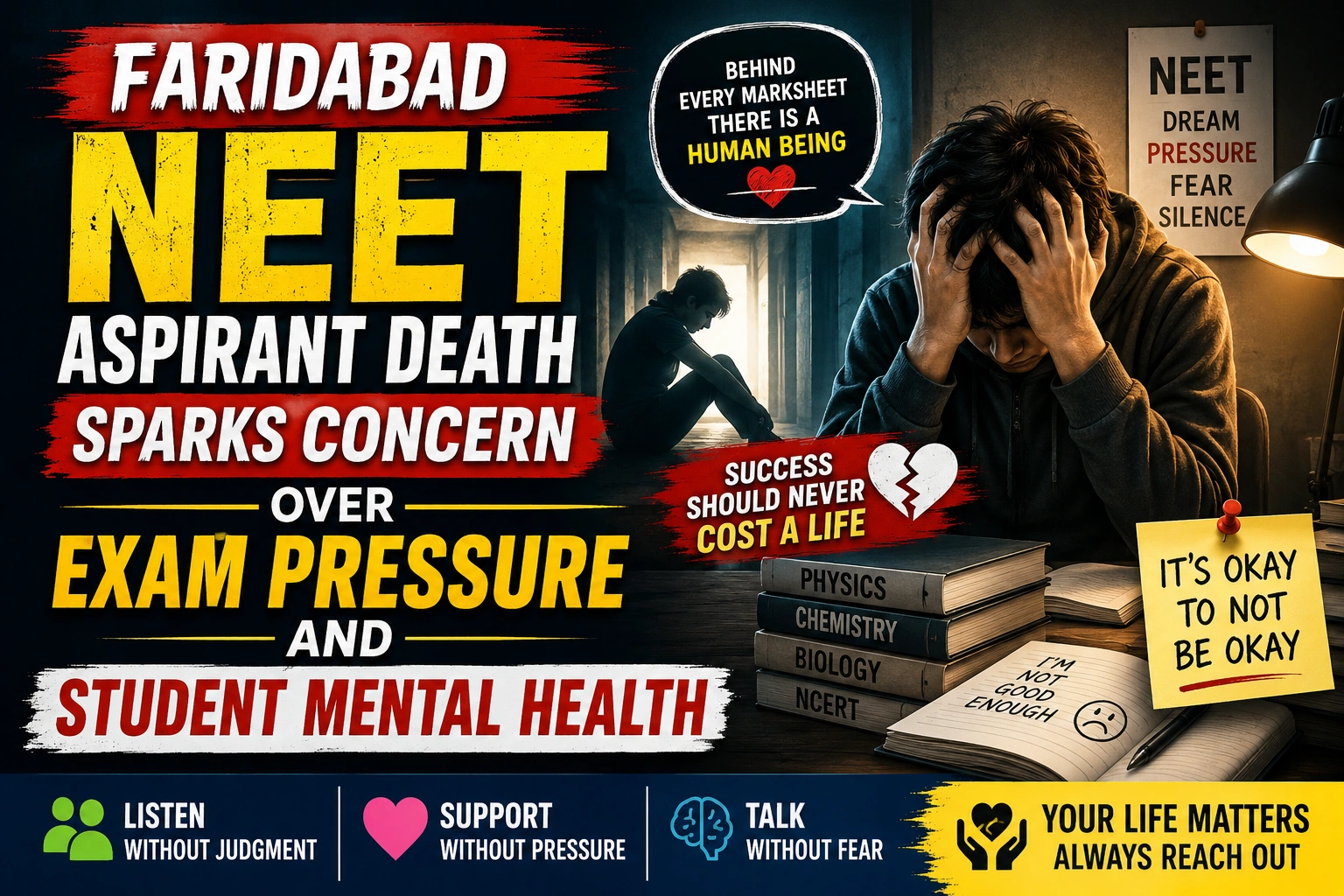
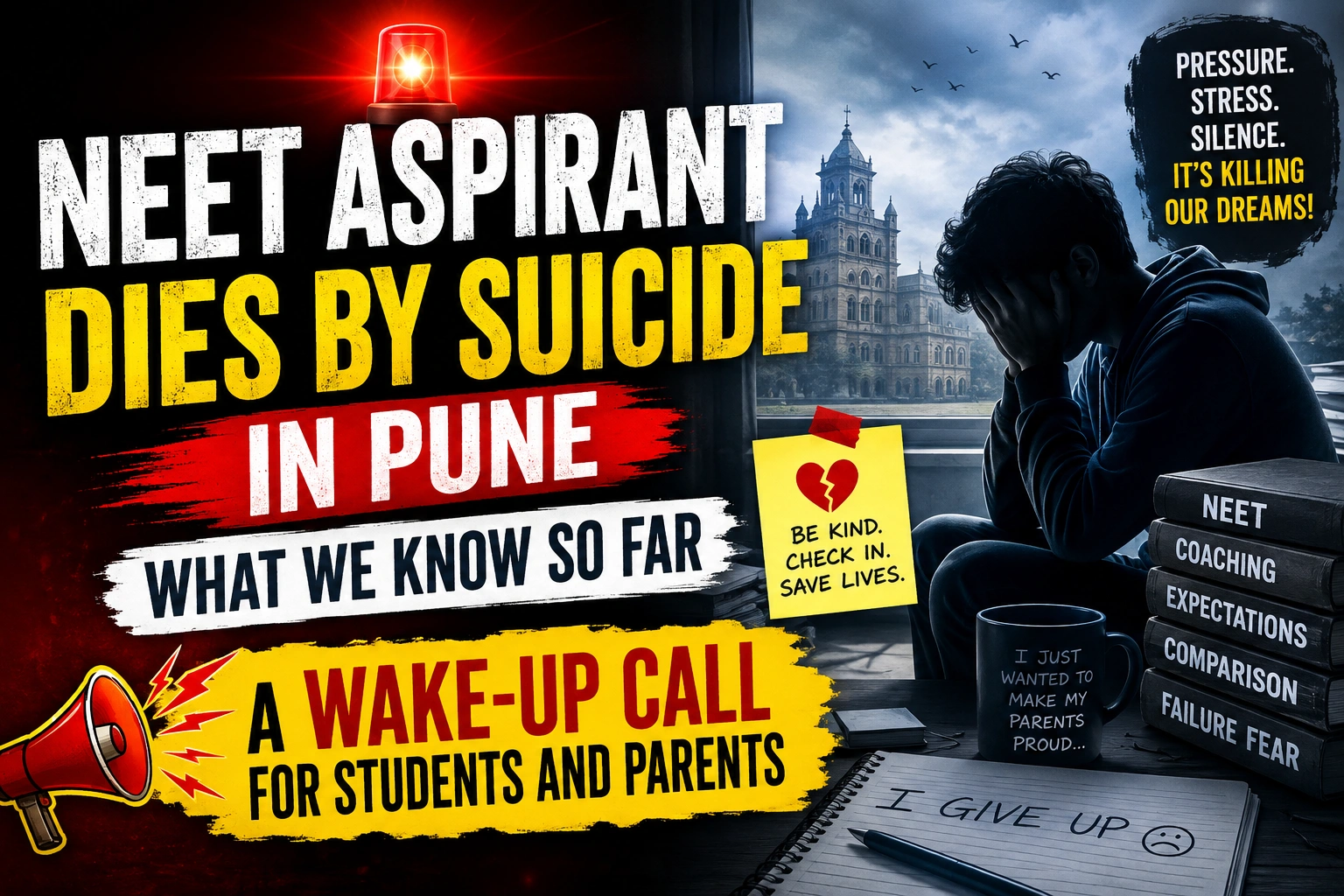
19-year-old Chanchal Bharti, an Indian National Eligibility cum Entrance Test (NEET) candidate, died by suicide after completing her make-up exam. Local police recovered a handwritten suicide note left by her at the incident scene, and this tragedy quickly sparked widespread discussion across multiple groups including students, parents, educators, mental health experts, and policymakers.
As India’s largest national unified medical entrance exam, NEET screens admission eligibility for programs including Bachelor of Medicine and Bachelor of Surgery (MBBS), Bachelor of Dental Surgery (BDS), and traditional medicine streams such as Ayurveda (collectively categorized as AYUSH). Every year, millions of candidates compete for an extremely limited number of admission seats, making it India’s most competitive national-level academic assessment.
MBBS Advisor is a third-party platform dedicated to serving medical school applicants and has long provided candidates with admissions consulting, authoritative information on domestic and international medical education, and has also launched a supporting NEET rank prediction tool that allows test-takers to evaluate their own exam performance before official results are released.
Chanchal had prepared for the exam for many years, with the ambition of becoming a doctor. Like hundreds of thousands of other Indian test-takers, she sat for the NEET, but the requirement to take a make-up exam delivered a devastating emotional blow to her, who had been under prolonged pressure. The uncertainty of her exam outcome, anxiety over her academic future, and the extreme psychological stress generated by repeated exam preparation combined to ultimately cause this tragedy; local authorities are still verifying the full details of the incident.
This incident has reignited nationwide heated debate across India over academic pressure, exam system reform, and safeguards for test-takers’ mental health.
Understanding the Pressure Faced by NEET Aspirants
Subsequent installments of this report will conduct an in-depth analysis of the core causes of the intense high pressure faced by NEET candidates during their exam preparation periods. As the opening section of this paper’s core discussion framework, this study first sorts out the sources of test pressure faced by candidates of India’s national unified medical entrance exam.
Five Major Stress Factors Affecting NEET Candidates
1. Long Preparation Cycles
Many students spend several years preparing for the exam, leading to physical and emotional exhaustion.
2. High Financial Burden
Preparation costs often far exceed the affordability of ordinary families due to coaching fees, study materials, travel, and accommodation expenses.
3. Limited Medical Seats
Despite millions of applicants, India has only slightly over 100,000 MBBS seats available nationwide.
4. High Cost of Reattempts
Retaking the examination often means another year of preparation, financial investment, and emotional strain.
5. Family Expectations
Many families view medical education as a pathway to social mobility and economic security, placing significant expectations on candidates.
Multiple real cases from recent years show that excessive academic pressure directly triggers mental health crises among test-takers.
Understanding NEET and Candidate Support Systems
NEET is a national unified medical entrance exam established by the Indian government.
Two Major Categories of Third-Party Support Tools
Online Assessment Platforms
These tools help students identify weaknesses in preparation through mock tests and performance evaluations.
Admission Planning Platforms
These tools match students with colleges based on expected scores and eligibility criteria.
Meanwhile, the high-stakes nature of NEET’s rule that admission is determined largely by a single examination directly highlights the necessity of mental health support.
Mental Health Risks Among Competitive Exam Candidates
This study elevates individual mental health issues to a national public concern in India and identifies several major triggers.
Core Causes of Student Stress
- Social isolation due to long-term exam preparation
- Chronic sleep deficiency
- Public pressure that frames exam failure as life failure
- Uncertainty regarding future educational and career opportunities
Mental health experts have repeatedly emphasized that academic mental health interventions should be integrated throughout the entire examination preparation cycle.
Warning Signs of Emotional Distress
Experts identify several common indicators that may signal psychological distress among students.
Common Warning Signs
- Persistent low mood
- Appetite disorders
- Sleep disturbances
- Difficulty concentrating
- Loss of interest in hobbies
- Frequent self-denigration
- Social withdrawal
- Irritability
- Occasional suicidal thoughts
Early identification and intervention remain essential.
Key Stakeholders in Student Mental Health Support
Mental health support requires a collaborative effort among multiple groups.
Schools and Educational Institutions
Schools play a central role in identifying distressed students and providing counseling resources.
Families
Parents and guardians often serve as the first line of emotional support.
Mental Health Professionals
Professional counselors, psychologists, and psychiatrists provide specialized care and intervention.
Government and Examination Authorities
Government agencies and examination bodies must establish policies that support student welfare.
Together, these stakeholders create a complete framework for addressing student well-being.
Building Better Mental Health Infrastructure
The tragedy of Chanchal Bharti lays bare the pressing need for India’s education system to urgently expand and strengthen its mental health infrastructure.
Academic counseling cannot focus solely on exam preparation; it must deliver continuous emotional support throughout students’ educational journeys.
Recommended Measures for Educational Institutions
Employ Qualified Mental Health Professionals
Institutions should bring in well-trained psychologists and counselors to help students manage stress effectively.
Create Safe Communication Channels
Students should have access to non-judgmental environments where they can discuss fears and challenges openly.
Promote Balanced Lifestyles
Healthy routines should include:
- Regular exercise
- Adequate sleep
- Nutritious food
- Leisure and recreation
Remove Mental Health Stigma
Open discussions can encourage students to seek help without fear or embarrassment.
Provide Career Guidance
Students should understand that multiple pathways to success exist even if their initial goals are not achieved.
The Role of NMC in Medical Education Reform
India’s core medical education regulator, the National Medical Commission (NMC), is responsible for overseeing:
- Medical training
- Curriculum standards
- Institutional accreditation
- Professional regulations
The NMC has introduced multiple reforms to improve the quality and accessibility of medical education.
As applicant numbers continue rising, the commission faces the challenge of balancing educational standards with increasing demand for medical seats.
Policy decisions made by the NMC directly influence admission eligibility, educational opportunities, and long-term career development.
Global Standards in Medical Education
Medical education today increasingly operates within a globally interconnected environment.
WHO and International Collaboration
The World Health Organization (WHO) promotes international collaboration and supports global health education initiatives.
Indian students planning international careers often consider global accreditation and recognition standards when choosing medical institutions.
Importance of WDOMS
The World Directory of Medical Schools (WDOMS) serves as a leading global reference for medical schools.
WDOMS helps students:
- Verify accreditation status
- Assess institutional credibility
- Evaluate future licensing opportunities
- Plan international medical careers
Many Indian students considering overseas medical education rely on WDOMS listings before selecting institutions.
Studying Medicine Abroad: Important Considerations
Competition for medical seats in India continues to intensify, leading many students to explore international options.
Education experts recommend that students:
- Conduct thorough research
- Verify accreditation status
- Review NMC eligibility requirements
- Align educational choices with long-term career goals
Reliable professional guidance platforms can help students compare domestic and international opportunities more effectively.
Reforming Competitive Examination Systems
The tragic death of Chanchal Bharti has reignited nationwide discussion regarding competitive examination reforms.
While experts recognize the necessity of merit-based selection systems, they argue that student well-being must remain central to examination design.
Proposed Reform Measures
- Improved communication mechanisms for examination disputes
- Stronger mental health support services
- Faster dispute resolution systems
- Dedicated student help hotlines
- Public awareness campaigns
- Expanded counseling resources
Advice for Students
Experts emphasize several important reminders for candidates.
Key Messages for Students
- One examination does not define an entire life.
- Seeking help demonstrates strength, not weakness.
- Mental health deserves equal attention alongside academic preparation.
- Career success can follow multiple pathways.
Advice for Parents
Parents play a critical role in protecting student well-being.
Recommendations for Families
- Maintain open communication
- Avoid excessive academic pressure
- Encourage balanced lifestyles
- Recognize emotional warning signs
- Support professional counseling when needed
Conclusion
The tragic death of 19-year-old NEET candidate Chanchal Bharti has reignited broad discussion across India regarding academic pressure, mental health, and examination reform.
Police continue investigating the circumstances surrounding the incident, but the broader societal conversation has already begun.
The incident highlights the enormous pressure that competitive examinations such as NEET place on students. Experts are urging policymakers, educational institutions, and families to strengthen mental health support systems that serve candidates throughout their preparation journey.
The pursuit of academic achievement should never come at the cost of emotional well-being.
As India expands access to medical education under the guidance of the National Medical Commission while aligning with global standards recognized by the WHO and WDOMS, equal attention must be given to student welfare.
The future healthcare workforce requires not only academically capable physicians but also emotionally healthy young people who are supported throughout their educational journey.
The legacy of Chanchal Bharti’s story may ultimately encourage India to build a more compassionate, balanced, and supportive environment for future medical aspirants.