 Russia
 Belarus
 Georgia
 Kazakhstan
 Kyrgyzstan
 Uzbekistan
 China
China Nepal
Nepal Bangladesh
 Poland
 Romania
 Slovakia
 Hungary
 N. Macedonia
 Vietnam
 Canada
 Armenia
 UK
UK Australia
 USA
USA Ireland
 Germany
 New Zealand
 Italy
Italy France
 Singapore
 Netherlands
 Sweden
 Switzerland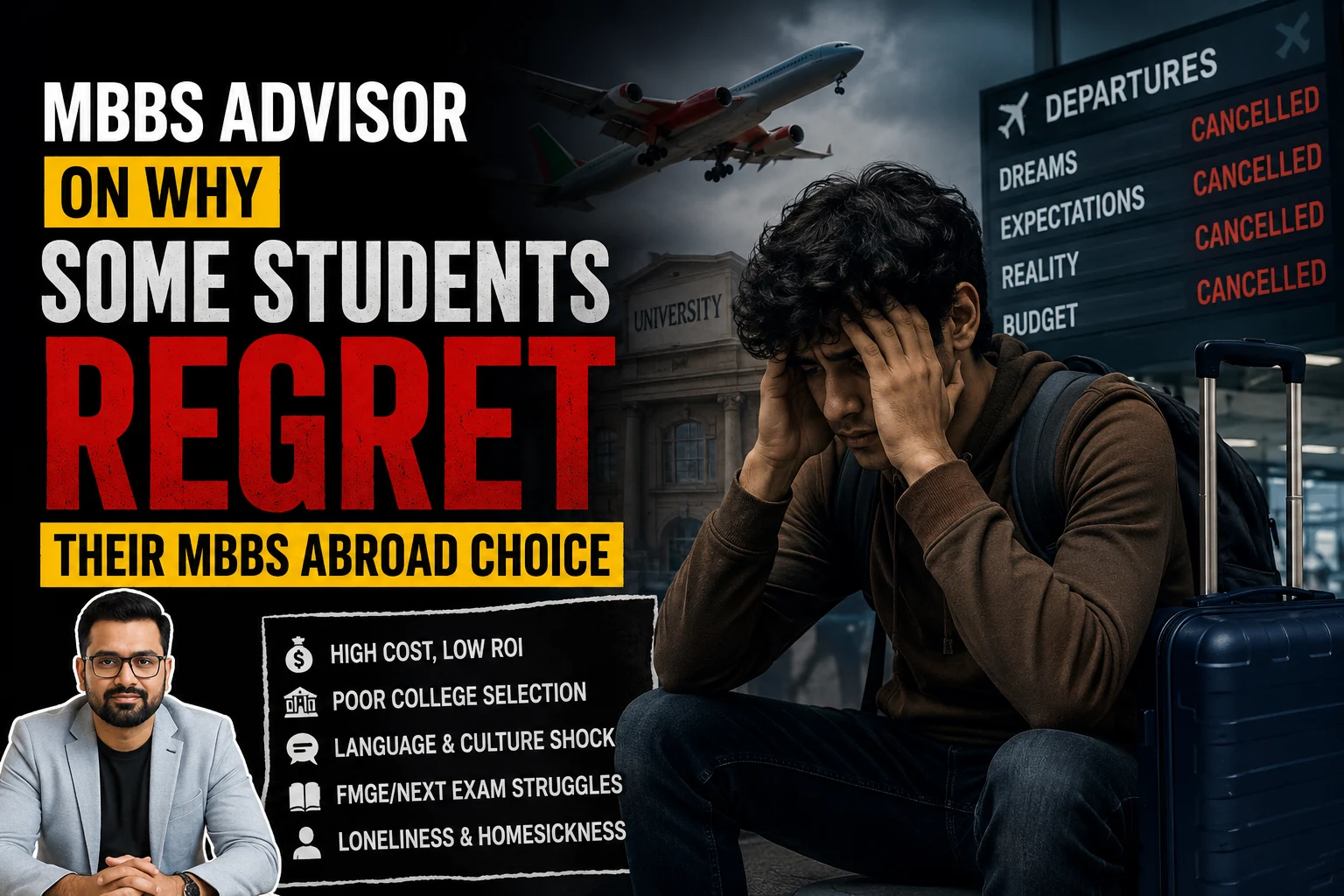
Every year, thousands of Indian students planning to study medicine choose to pursue their MBBS degrees at popular study destinations including Nepal, Georgia, Kazakhstan, Kyrgyzstan, Uzbekistan, and Russia.
This trend stems from the intense competition of India’s domestic undergraduate medical entrance exam NEET UG, the limited number of seats in public medical colleges, and the exorbitant tuition fees of private medical colleges in their home country.
While most of these students successfully complete their overseas academic programs, a portion later develops regrets over their study-abroad choices.
MBBS Advisor, a medical study-abroad consulting platform, points out that students’ regrets arise neither from the decision to study medicine overseas itself nor from issues related to their study destination countries. Instead, they stem from hasty decisions made during the application process that lacked support from valid, reliable information.
Four Core Reasons Behind Study-Abroad Regrets
The core errors fall into four main categories:
- Insufficient pre-application research
- Unrealistic expectations
- Low-quality guidance for school selection
- Failure to verify key information about target institutions in advance
Three Common Decision-Making Mistakes
Three common, high-frequency decision mistakes are particularly widespread.
Choosing a University Based Only on Low Tuition Fees
Many students use only low tuition fees as the sole criterion for selecting a school.
Many students only compare the first-year tuition of different institutions and overlook:
- Total program fees
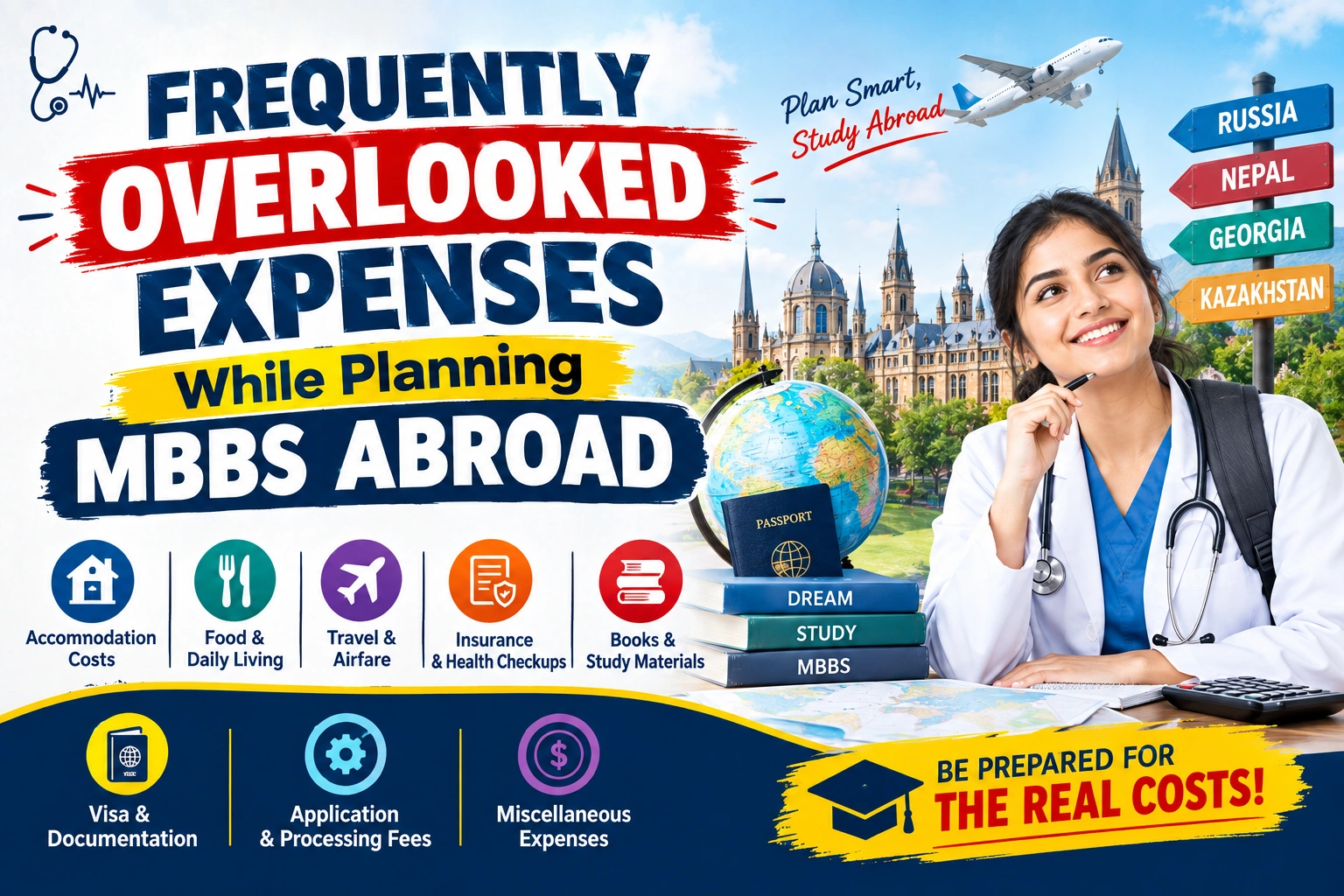
- Dormitory accommodation costs
- Health insurance premiums
- Visa processing fees
- Daily living expenses
- Exchange rate fluctuations
A large number of families only discover after their children enroll that the total expenditure far exceeds their initial expectations, and these hidden costs become a heavy financial burden in the middle and later stages of the students’ studies.
For this reason, MBBS Advisor emphasizes that all education-related costs during the study period must be calculated, and students and families should not only trust the low tuition fees advertised in promotional materials.
Ignoring University Accreditation and Recognition
Some students fail to check before enrollment whether their chosen college meets the regulatory requirements of India’s NMC or whether it is listed in the WDOMS.
Later, because their institution is not compliant, they face insurmountable obstacles when applying for a medical license to practice in India or pursuing a master’s degree, which leads to their regrets.
Misunderstanding Medical Licensing Requirements
Many students mistakenly assume that completing an overseas MBBS program will automatically grant them the right to practice medicine in India.
In reality, all medical students who graduate from overseas institutions must follow the license application pathway stipulated by the NMC and meet all eligibility requirements to practice legally.
Many students only learn about these mandatory requirements after they graduate, which creates enormous pressure and uncertainty for their career development.
Common Misconceptions and Risk Factors in MBBS Abroad Admissions
For Indian international students planning to pursue an MBBS degree overseas, developing clear, rational understandings of studying abroad before enrollment is a core prerequisite to successfully completing their studies and advancing their careers.
All risk conclusions outlined in this paper are sourced from public discussions within Indian student communities and medical education circles.
Blindly Trusting Misleading Promises from Agents
Many agents lure students with claims such as:
- Guaranteed admission
- Extremely low tuition
- Guaranteed success
- Exaggerated career prospects
These promises can easily lead to enrollment fraud and financial disputes.
It is recommended that students prioritize verified and formal guidance channels, such as compliant application platforms like MBBS Advisor.
Language Barriers During Clinical Training
Some institutions advertise all-English instruction, but most actual clinical interactions use local languages.
This can seriously hinder students’ performance in:
- Doctor-patient communication
- Clinical practice
- Practical training
And may negatively affect their academic confidence.
Unrealistic Expectations About Student Life Abroad
The relaxed study-abroad experience portrayed on social media is often very different from reality.
Students commonly face six adaptation challenges, including:
- Homesickness
- Climate differences
- Cultural adjustments
- Food preferences
- Language adaptation
- Social integration
Students should make psychological and practical preparations before departure.
Insufficient Clinical Practice Resources
Some institutions face shortcomings such as:
- Low patient volume
- Underdeveloped teaching hospitals
- Limited clinical exposure
Students must evaluate clinical training resources before selecting a university.
Lack of Independent Research
Many students rely entirely on third-party opinions.
Students should independently verify key factors including:
- University accreditation
- Teaching faculty
- Clinical facilities
- Student outcomes
- Licensing eligibility
- International recognition
Neglecting Long-Term Career Planning
Many students focus only on immediate admission opportunities and fail to consider:
- Future practice location
- Licensing requirements
- Postgraduate education plans
- Career specialization goals
Only by making full preparations and conducting independent research before enrollment can students successfully complete their overseas MBBS journey.
Importance of Global Medical Education Standards
All global medical education systems are bound by the relevant standards of the WHO.
For Indian students planning to apply for an overseas Bachelor of Medicine, Bachelor of Surgery (MBBS) undergraduate program, the first key fact they must clarify is that their target institution’s recognition status and educational quality are the core factors that determine their future career mobility.
Students should complete a comprehensive assessment of these elements before confirming their admission.
Public Opinion vs. Reality
Currently, the internet is flooded with extremely negative evaluations of overseas MBBS study.
Many students choose their schools based on public opinion rather than factual information, which ultimately leads to lasting regret over their study abroad experience.
While overseas MBBS programs do present genuine challenges, thousands of Indian students still successfully complete their degrees every year and build sustainable medical career paths.
What Makes the Difference?
The core difference between successful and unsuccessful outcomes is whether students:
- Select a compliant institution
- Verify accreditation status
- Understand licensing requirements
- Plan finances properly
- Maintain realistic expectations
- Conduct independent research
How MBBS Advisor Helps Students Make Better Decisions
We have sorted out a list of nine actionable verification items to help students avoid common pitfalls.
Professional platforms such as MBBS Advisor can assist students with:
- Institutional analysis
- Accreditation verification
- Qualification requirement assessment
- Country comparisons
- Budget planning
- Career pathway analysis
- Licensing requirement guidance
- Admission strategy planning
- Long-term education planning
Conclusion
Pursuing an MBBS overseas is never an inherently wrong choice.
For Indian students with limited access to domestic medical education opportunities, it is a high-quality pathway to a medical career.
The vast majority of study-abroad regrets stem from:
- Insufficient planning
- Incomplete research
- Unrealistic expectations
- Failure to verify institutional qualifications
As long as students complete the compliance checks required by India’s NMC, verify their target institution’s listing in the WDOMS, pass the NEET UG eligibility examination, and use guidance from professional platforms such as MBBS Advisor, they can significantly reduce related risks and focus on building a successful long-term medical career.