 Russia
 Belarus
 Georgia
 Kazakhstan
 Kyrgyzstan
 Uzbekistan
 China
 Nepal
 Bangladesh
 Poland
 Romania
 Slovakia
 Hungary
 N. Macedonia
 Vietnam
Introduction
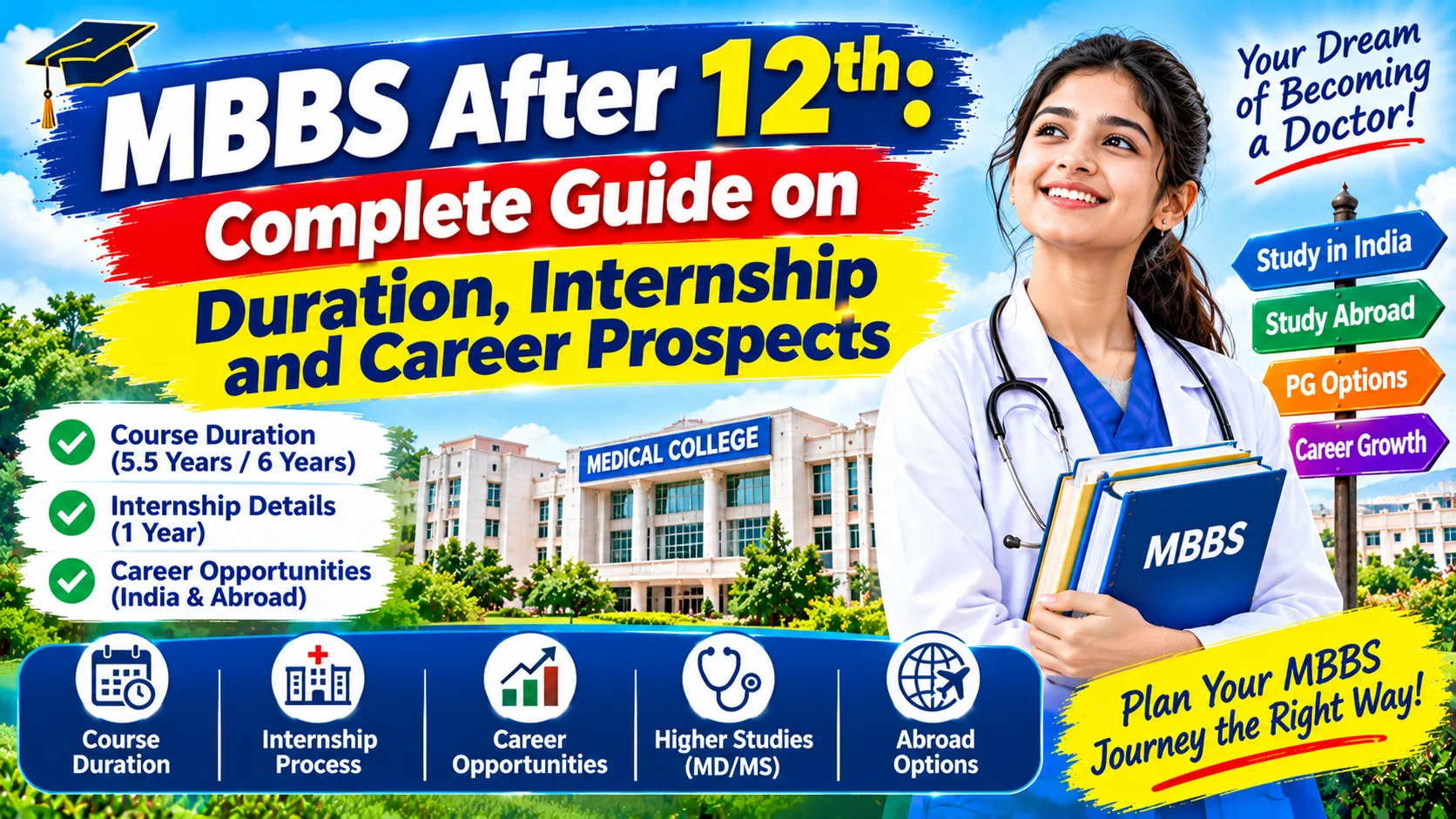
Many students who choose the Science stream after Class 10 aim to become doctors. The Bachelor of Medicine and Bachelor of Surgery (MBBS) is the primary undergraduate medical degree for students who wish to pursue a career in modern medicine.Completing an MBBS course involves more than passing Class 12 and securing admission to a medical college. Students must qualify for the NEET UG examination, complete several years of academic study, pass professional examinations and undergo compulsory medical internship.In India, the standard MBBS course takes 5.5 years to complete. This includes 4.5 years of academic study and one year of compulsory medical internship. After completing the required training and registration formalities, graduates can explore postgraduate education, hospital employment, medical research and other career opportunities.This article provides a complete overview of the MBBS journey after Class 12, including eligibility, course duration, academic structure, internship responsibilities and career prospects.
Eligibility to Pursue an MBBS Course After Class 12
Students who want to pursue an MBBS course in India must meet the eligibility requirements prescribed by the relevant authorities.
The general eligibility requirements include:
- Passing Class 12 or an equivalent qualifying examination.
- Studying Physics, Chemistry and Biology or Biotechnology as prescribed subjects.
- Studying English as a required subject.
- Obtaining the minimum qualifying marks in the required subjects according to the applicable category.
- Qualifying for NEET UG.
- Meeting the applicable age and other admission requirements.
The minimum percentage required in the qualifying subjects may vary according to the candidate's category and admission regulations. Students should check the latest official NEET information bulletin before applying.
Why Is NEET UG Important?
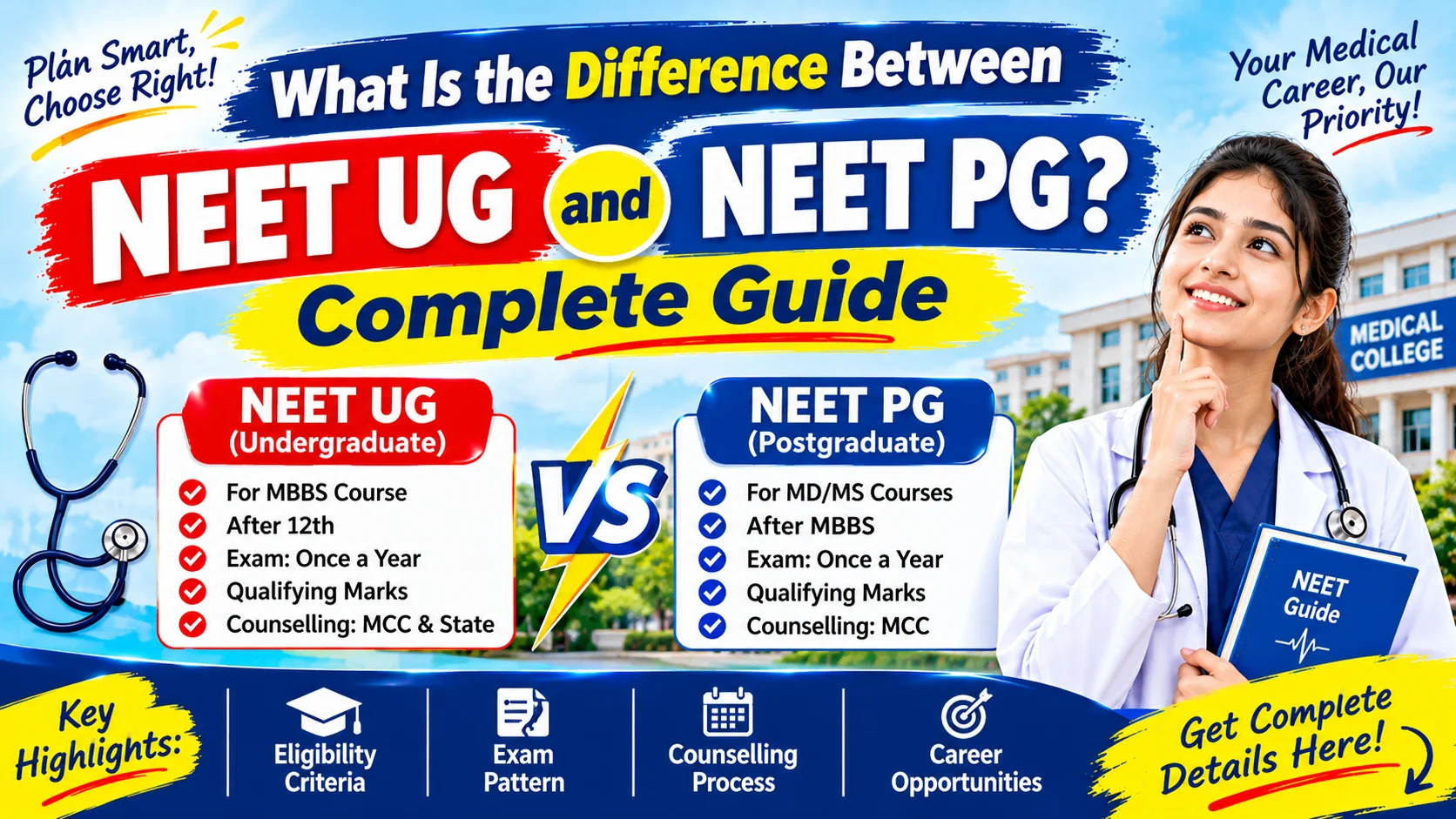
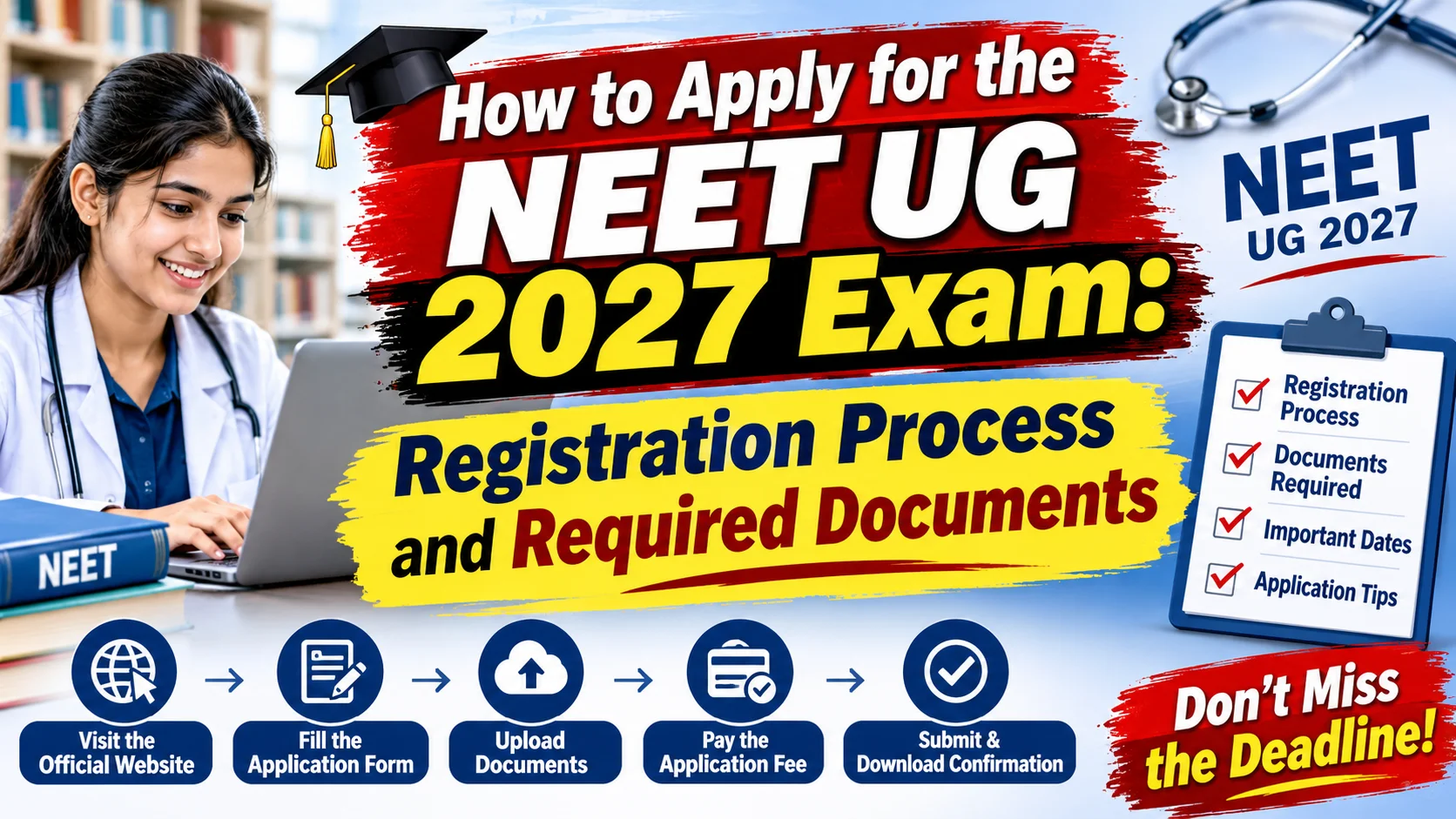
NEET UG is the national entrance examination for undergraduate medical courses in India. Students seeking admission to government or private medical colleges generally need to qualify for this examination. NEET UG is conducted by the National Testing Agency (NTA). Candidates can find information about applications, examination dates, eligibility criteria and results on the official NEET UG website.
Qualifying for NEET does not automatically guarantee an MBBS seat. Admission depends on several factors, including:
- NEET rank and score.
- Candidate's category.
- Counselling choices.
- Availability of seats.
- Eligibility requirements.
- Applicable reservation and domicile rules.
Students should follow the official counselling notifications and complete the admission process within the announced deadlines.
Duration of MBBS After Class 12
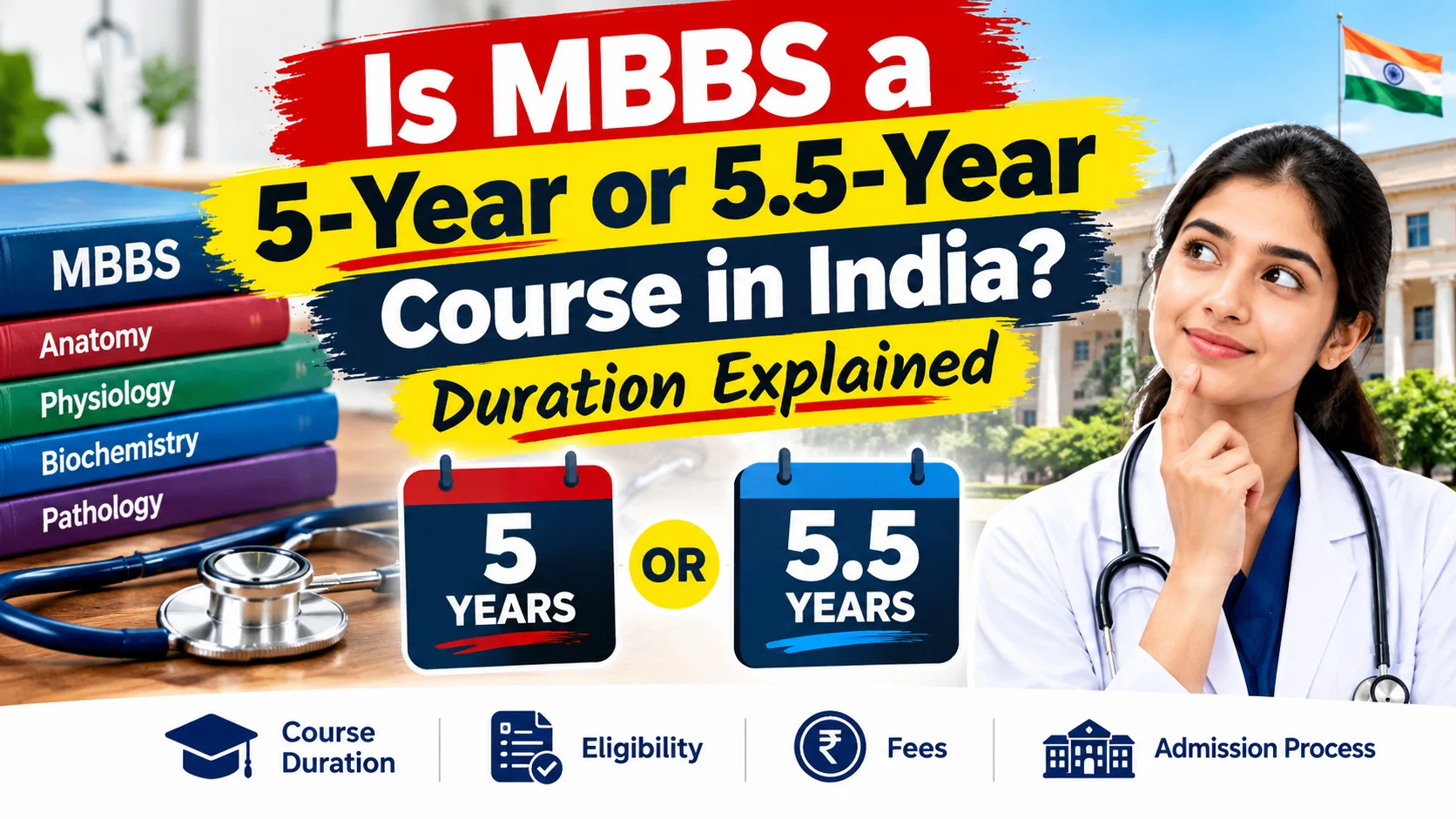
The standard MBBS course duration in India is 5.5 years, including the compulsory internship.
|
Course component |
Duration |
|
Academic study |
4.5 years (54 months) |
|
Medical internship |
1 year (12 months) |
|
Total duration |
5.5 years (66 months) |
The academic period is divided into four professional phases. Students begin with basic medical subjects and gradually progress towards clinical subjects and patient-oriented learning. After completing the academic programme and the required examinations, students undertake a one-year compulsory rotating medical internship.The National Medical Commission (NMC) regulates undergraduate medical education in India. Its Competency-Based Medical Education (CBME) curriculum provides the framework for academic training and compulsory rotating medical internship.
MBBS Course Structure: Four Professional Phases
The 4.5-year academic period is divided into four professional phases. Each phase introduces students to different areas of medical science and prepares them for clinical practice.
1. First Professional MBBS – 12 Months
During the first professional phase, students are introduced to the basic structure and functioning of the human body.
Key subjects:
- Anatomy
- Physiology
- Biochemistry
Students learn about organs, tissues and different systems of the body. They also study normal bodily functions and the biochemical processes necessary for life. Practical lessons and laboratory sessions help students understand the theoretical concepts. Developing a strong understanding of the human body is important before moving on to the study of diseases and their treatment. During this phase, students are also introduced to medical education, communication skills and professional responsibilities.
2. Second Professional MBBS – 12 Months
The second professional phase focuses on the development of diseases, their effects on the human body and the use of medicines in treatment.
Key subjects:
- Pathology
- Pharmacology
- Microbiology
Pathology introduces students to diseases and changes in body tissues. Pharmacology teaches them about medicines, their effects, uses and potential side effects. Microbiology covers bacteria, viruses, fungi and other microorganisms that can cause infections. Students also begin developing their understanding of clinical subjects and how medical knowledge is applied to patient care.
3. Third Professional Part I – 12 Months
During this phase, students move further towards clinical medicine and develop an understanding of common health conditions.
Key areas include:
- Community Medicine
- Forensic Medicine and Toxicology
- Medicine and Allied Subjects
- Surgery and Allied Subjects
- Paediatrics
- Obstetrics and Gynaecology
Students learn about public health, disease prevention, medical ethics, legal aspects of medicine and the diagnosis and treatment of common medical conditions. Clinical exposure also becomes more important. Students may attend hospital postings, observe patient examinations and understand how doctors manage different medical problems under supervision.
4. Third Professional Part II – 18 Months
The final academic phase provides more in-depth learning in clinical subjects. Students bring together the knowledge they have gained during their previous years of study.
Key subjects include:
- General Medicine
- General Surgery
- Paediatrics
- Obstetrics and Gynaecology
- Orthopaedics
- Ophthalmology
- Otorhinolaryngology (ENT)
- Other prescribed clinical and allied subjects
Students learn how to take patient histories, conduct examinations, understand diagnostic investigations and discuss treatment plans under the supervision of qualified doctors. After successfully completing the required final professional examinations, students can proceed to the compulsory medical internship.
Compulsory Rotating Medical Internship (CRMI)
The compulsory rotating medical internship (CRMI) is a mandatory period of practical training after the academic MBBS programme. It generally lasts 12 months and provides graduates with supervised experience in different departments of a hospital or approved medical institution. The internship allows students to apply their theoretical knowledge in real healthcare settings and develop the practical skills required for patient care.
MBBS Internship Departments and Training
During the internship, students rotate through different medical departments according to the prescribed schedule.
|
Department |
What students learn |
|
General Medicine |
Patient assessment, medical history and basic treatment |
|
General Surgery |
Surgical ward duties, patient preparation and supervised procedures |
|
Obstetrics and Gynaecology |
Maternity care, antenatal services and supervised labour-related training |
|
Paediatrics |
Assessment and care of infants and children |
|
Community Medicine |
Public health, disease prevention and community visits |
|
Emergency Medicine |
Initial patient assessment and emergency response under supervision |
|
Orthopaedics |
Musculoskeletal assessment and injury-related care |
|
Other prescribed departments |
Additional clinical exposure according to the internship schedule |
Why Is the Internship Important?
Medical education cannot depend entirely on classroom-based learning and examinations. Practical training is essential for developing the skills required to work in healthcare settings.
During the internship, students learn how to:
- Communicate with patients and their families.
- Take and record patient histories.
- Assist with patient examinations.
- Understand laboratory reports and diagnostic investigations.
- Observe and assist with clinical procedures under supervision.
- Work with doctors, nurses and other healthcare professionals.
- Understand hospital procedures and professional responsibilities.
- Recognise situations that require urgent medical attention.
Interns are not independent consultants. They must perform their duties within the limits of their training and under appropriate supervision.
Is the Internship Included in the 5.5-Year MBBS Duration?
Yes. The standard MBBS duration of 5.5 years includes both the 4.5-year academic period and the one-year compulsory internship.The NMC clarified the course-duration and fee-related position through its public notice dated 7 April 2026. The notice addresses the prescribed academic period for MBBS fees, distinguishing it from the compulsory internship period.Medical colleges should follow the applicable official fee directions. Students should review the NMC website and the relevant public notice when checking their college's fee structure.
Career Options After Completing MBBS
After completing the required academic examinations and internship, graduates can fulfil the applicable medical registration requirements and explore different career opportunities.
The next steps generally include:
- Completing all academic and internship requirements.
- Obtaining the relevant degree and internship completion documents.
- Applying for registration with the appropriate State Medical Council through the prescribed process.
- Meeting the applicable NMC registration requirements.
- Exploring employment, postgraduate education or other medical career pathways.
Completing the academic programme alone does not mean that a graduate can practise independently. The applicable registration and licensing requirements must be fulfilled.
Career Opportunities After MBBS in India
There are several career opportunities available after MBBS. Graduates can begin working in eligible healthcare settings or continue their education to specialise in a particular medical field.
1. General Duty Medical Officer
MBBS graduates may work as General Duty Medical Officers in eligible hospitals, medical centres and other healthcare institutions.
Their responsibilities may include:
- Examining patients.
- Diagnosing common medical conditions.
- Prescribing treatment within their professional scope.
- Referring patients to specialists when required.
- Supporting preventive healthcare services.
The exact eligibility requirements depend on the employer and the relevant recruitment notification.
2. Postgraduate Medical Courses
Many MBBS graduates choose postgraduate education to specialise in a particular area of medicine. Popular postgraduate qualifications include MD and MS. Admission generally requires the relevant entrance examination and counselling process.
Examples of specialities include:
MD specialities:
- MD General Medicine
- MD Paediatrics
- MD Dermatology
- MD Radiodiagnosis
- MD Anaesthesiology
MS specialities:
- MS General Surgery
- MS Orthopaedics
- MS Obstetrics and Gynaecology
- MS Ophthalmology
MD and MS programmes are generally three years long after MBBS, subject to the applicable regulations.
3. Super-Specialisation
Doctors who have completed postgraduate education may choose further training in specific super-specialities. Depending on their eligibility and the applicable admission pathway, they may pursue qualifications such as DM or MCh.
Examples of super-specialities include:
- Cardiology
- Neurology
- Gastroenterology
- Neurosurgery
- Urology
These qualifications require additional years of training and are generally pursued by doctors who want to focus on a specialised area of medicine.
4. Government Medical Roles
MBBS graduates may apply for eligible government medical positions.
Potential workplaces include:
- Government hospitals.
- Primary Health Centres.
- Community Health Centres.
- District hospitals.
- Public health departments.
- Other government healthcare organisations.
Recruitment requirements, examinations, experience and registration conditions vary depending on the position and recruiting authority.
5. Private Hospital Employment
Graduates may also find employment in private hospitals, clinics and healthcare networks.Depending on their qualifications and experience, they may work in general medicine, emergency services, outpatient departments and other healthcare units.
6. Medical Research and Public Health
Some graduates prefer careers in medical research, epidemiology, community healthcare and healthcare management.Further qualifications may be useful for roles involving research methods, public health programmes, clinical trials and healthcare administration.Students interested in international health and population-level healthcare can also explore resources provided by the World Health Organization (WHO).
Can You Continue Your Studies After MBBS?
Yes. MBBS is the foundation for several advanced medical qualifications and professional pathways.
|
Qualification or route |
Purpose |
|
MD |
Postgraduate specialisation in a medical discipline |
|
MS |
Postgraduate specialisation in a surgical discipline |
|
DM |
Super-speciality training after the required postgraduate qualification |
|
MCh |
Advanced surgical specialisation |
|
MPH |
Public health education and population-level healthcare |
|
Medical Research |
Research, clinical studies and academic development |
The admission requirements and duration depend on the selected programme. Students should check the relevant entrance examination and counselling notifications before applying.
Important Things to Consider Before Choosing MBBS
MBBS is a challenging course that requires long-term commitment. Students should consider several factors before selecting a medical college.
Academic Requirements
Medical students study a wide range of subjects and must regularly prepare for professional examinations. Consistent learning and time management are important throughout the course.
Clinical Exposure
A good medical education should provide meaningful clinical exposure, hospital postings and practical learning opportunities under the supervision of qualified professionals.
College Recognition and Approval
Students should verify the status of the medical college and its approved intake through official NMC information. Do not rely only on advertisements or claims made by admission agents. Students researching medical schools can also consult the World Directory of Medical Schools (WDOMS). However, a WDOMS listing alone does not guarantee NMC recognition or eligibility for medical registration in India. The MBBS Advisor website can also be explored for additional information and guidance related to medical education and admission planning.
Course Fees and Other Expenses
There may be several expenses involved in completing MBBS. These can include:
- Tuition fees.
- Accommodation charges.
- Food and daily living expenses.
- Books and study materials.
- Medical equipment.
- Examination fees.
- Other institutional charges.
Students should review the complete fee structure and understand the applicable payment rules before accepting admission.
Long-Term Career Planning
MBBS is the beginning of a medical career. Some graduates may start working after completing the required registration formalities, while others may spend additional years pursuing postgraduate and super-speciality qualifications.
Understanding these pathways can help students plan their education and career more effectively.
Conclusion
Pursuing an MBBS course after Class 12 involves a structured pathway that combines academic education, professional examinations and practical medical training. In India, the standard course duration is 5.5 years, including 4.5 years of academic study and one year of compulsory medical internship.During the academic period, students complete four professional phases. They begin with basic medical sciences and gradually progress towards clinical subjects. The internship then provides practical exposure to different hospital departments and helps develop essential patient-care skills. After completing their training and fulfilling the applicable registration requirements, graduates can explore careers in government hospitals, private healthcare, general medical practice, research and public health. They can also pursue postgraduate qualifications such as MD and MS and continue towards further specialisation.Students planning a medical career should understand the complete course structure before taking admission. Checking NMC regulations, NEET requirements and medical college details can help them make an informed decision. For additional information, candidates can refer to the NMC, NEET UG, WHO and WDOMS websites, along with medical admission resources available through MBBS Advisor.
Frequently Asked Questions (FAQs)
1. How long does an MBBS course take after Class 12 in India?
The standard duration is 5.5 years. This includes 4.5 years of academic study and one year of compulsory medical internship.
2. Is NEET UG compulsory for MBBS admission in India?
Yes. NEET UG is the required entrance examination for MBBS admission in India, subject to the applicable admission rules.
3. How many professional phases are there in MBBS?
The academic MBBS programme is divided into four professional phases. These cover basic medical sciences, disease-related subjects and clinical disciplines.
4. Is the one-year internship compulsory after MBBS?
Yes. Students must complete the prescribed compulsory rotating medical internship to fulfil the undergraduate medical training requirements.
5. Will I receive a stipend during my MBBS internship?
Stipend provisions depend on applicable regulations, government policies and institutional rules. Students should check their college's current stipend policy and relevant official directions.
6. Can I work immediately after completing MBBS?
Graduates must complete their internship and fulfil the applicable registration requirements before practising independently. Employment eligibility also depends on the requirements of the organisation.
7. What can I study after completing MBBS?
Graduates can pursue postgraduate courses such as MD and MS. Eligible doctors may later pursue super-speciality qualifications such as DM and MCh.
8. Can I become a surgeon after completing MBBS?
Yes. Graduates can pursue an eligible postgraduate surgical qualification, such as MS General Surgery, through the prescribed admission process.
9. Is MBBS difficult after Class 12?
MBBS requires regular study, practical training, time management and dedication. Students who develop good study habits and actively participate in clinical learning can adapt to the programme.
10. Does the 5.5-year MBBS course include the internship?
Yes. The standard 5.5-year course includes 4.5 years of academic study and one year of compulsory medical internship.