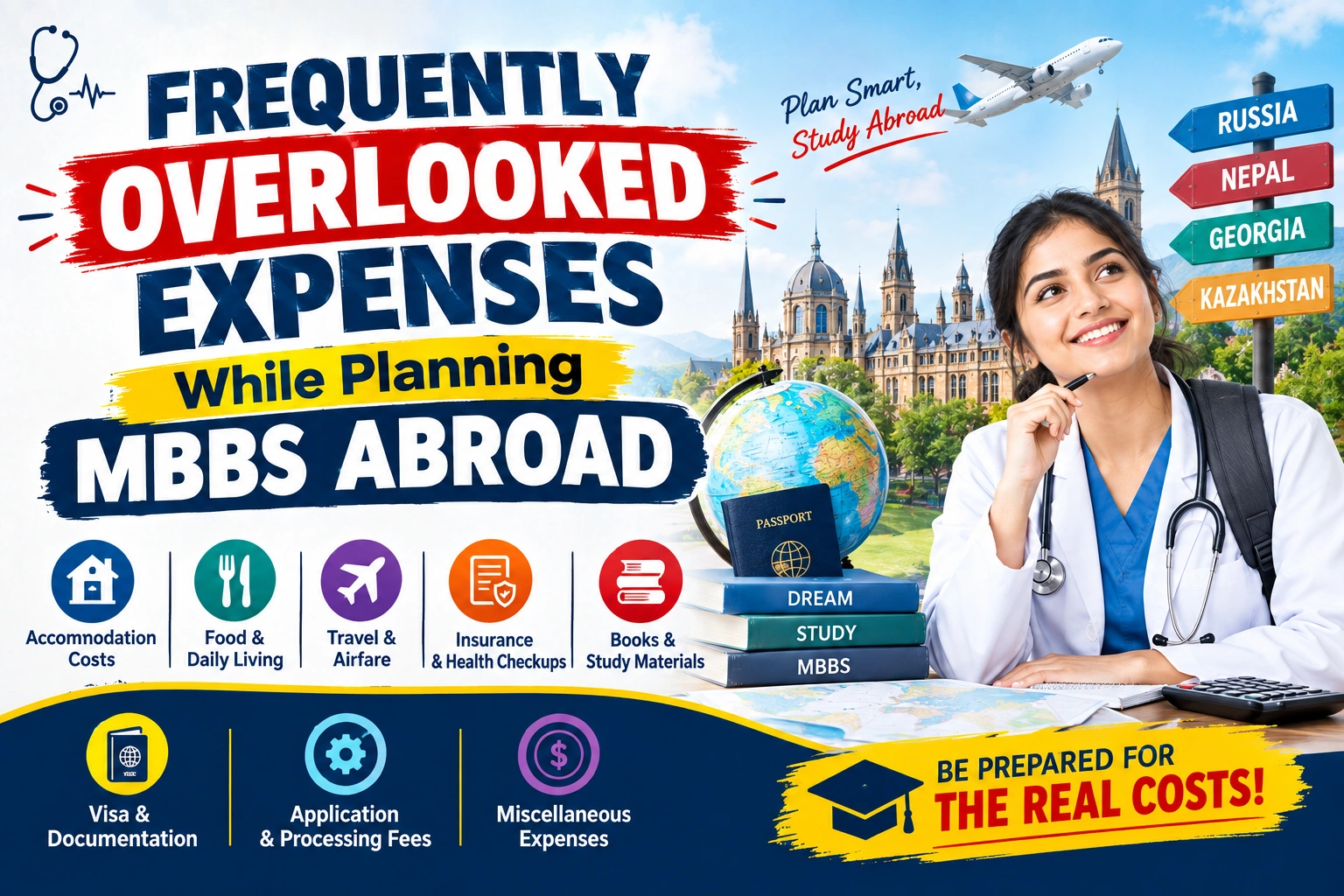
 Russia
 Belarus
 Georgia
 Kazakhstan
 Kyrgyzstan
 Uzbekistan
 China
China Nepal
Nepal Bangladesh
 Poland
 Romania
 Slovakia
 Hungary
 N. Macedonia
 Vietnam
 Canada
 Armenia
 UK
UK Australia
 USA
USA Ireland
 Germany
 New Zealand
 Italy
Italy France
 Singapore
 Netherlands
 Sweden
 Switzerland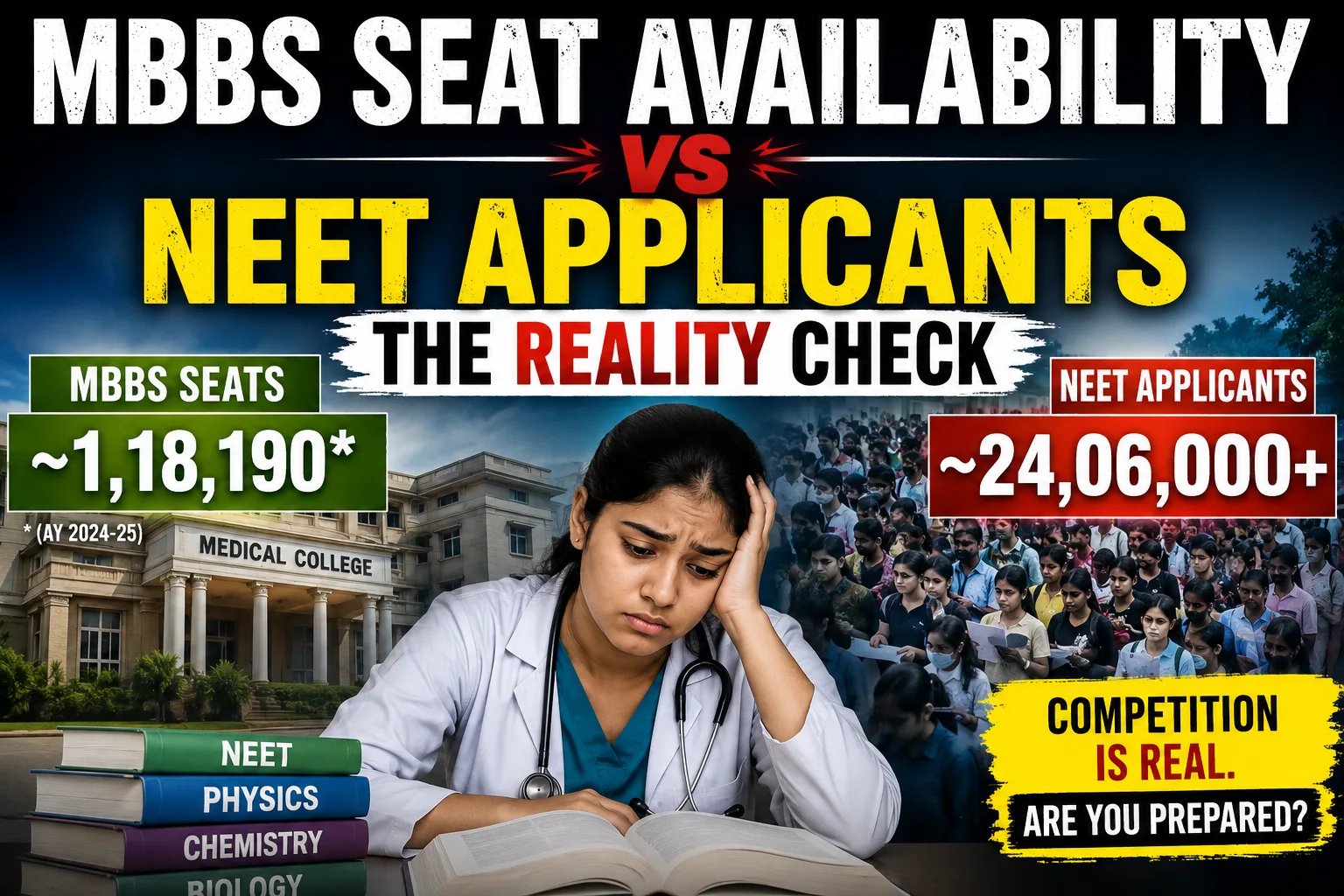
For millions of young Indian test-takers who hold the dream of becoming doctors, their years of investment in exam preparation are entirely tied to NEET-UG, India’s only national unified entrance exam for undergraduate medical programs. This exam serves as the core credential to open the door to medical majors, covering MBBS, BDS, AYUSH, veterinary science, and all other allied medical courses.
The Growing Gap Between Supply and Demand
The most intractable dilemma facing these test-takers is the huge gap between supply and demand: the large scale of NEET-UG registrations far outstrips the number of available MBBS seats across the country. Even though the Indian government has continuously expanded medical education capacity for many years, demand growth has far outpaced the rise in supply, leaving many test-takers who meet the qualifying cutoff score still unable to secure a spot in a domestic medical school.
According to official statistics released by India’s National Testing Agency (NTA), the annual number of NEET-UG registrants has remained above 2 million in recent years, and the latest registration volume has climbed to the range of 2.2 million to 2.5 million. Meanwhile, the total number of national MBBS seats released by India’s National Medical Commission (NMC) is just over 115,000, including approximately 55,000 public seats and 60,000 private seats.
These seats are distributed across public medical colleges, private medical colleges, deemed universities, and central institutions such as AIIMS and JIPMER. To clarify their competitive direction, a large number of test-takers rely on third-party platforms such as MBBS Advisor to assess their admission chances, plan their further education pathways, and even access application guidance for studying medicine abroad.
The subsequent parts of this study will carry out core analysis centered on this supply-demand mismatch, map the full picture of supply and demand in India’s medical education sector, conduct an in-depth examination of the specific dilemmas facing test-takers, and systematically discuss various feasible alternative pathways including overseas study, to build a complete analytical framework for understanding this structural contradiction.
Understanding the Admission Rate Crisis
According to data released by India’s Medical Consultancy Committee (MCC) and industry body MBBS Advisor, the number of applicants for NEET, India’s national unified medical entrance exam, has reached 2.4 million, while the total number of undergraduate MBBS seats available across the country is only 115,000, putting the overall admission rate at less than 5%.
This extremely acute supply-demand gap has directly intensified the level of competition for admission to medical colleges nationwide.
Public vs Private Medical Colleges
Of the current 115,000 MBBS seats across India, 55,000 belong to public medical colleges. These institutions are the first choice for the vast majority of applicants, as they deliver exceptionally high cost-effectiveness, supported by low tuition fees, sufficient clinical resources, a steady high volume of patient inflow, and top-tier industry reputation.
The remaining nearly 60,000 seats all come from private medical colleges, where the total tuition for the full program generally reaches hundreds of thousands to over 1 million rupees, creating an extremely high cost threshold.
Applicants who fail to secure admission to a public institution usually have only four options:
- Enroll in a private medical college
- Apply for an education loan
- Retake the NEET the following year
- Pursue a medical degree abroad
Key Factors Driving Rising Competition
The continuous escalation of competition in recent years has four core driving factors:
- The persistently strong occupational attractiveness of medical majors
- A significant improvement in the accessibility of NEET preparation tutoring resources
- The continuous expansion of India’s youth population base
- The growth rate of MBBS seats falling far behind the growth rate of the total applicant pool
Regional Differences in Admission Competition
The intensity of competition also varies sharply across regions. Some states have a huge number of applicants and insufficient supply of public seats, leading to persistently high admission cutoff scores year after year.
In other states, the ratio of available seats to applicants is relatively reasonable, so their competitive pressure is far lower than that of the first group of states.
Among the group of students participating in medical admission counseling across Indian states, the most common core challenge they face is first and foremost the huge disparity in admission cutoff scores between different states. Many applicants who submit cross-state applications often lose out on suitable seats due to incorrect information.
Reservation Policies and Category-Based Competition
India’s medical degree reservation policy covers 7 categories of test-takers. The original purpose of this policy was to open up educational access for historically disadvantaged groups, but it has directly altered the intensity of competition within different applicant groups.
For this reason, understanding the exclusive cutoff score for each category is critical for test-takers.
Currently, a large number of applicants rely on the third-party tool MBBS Advisor to obtain admission strategies and category-based admission trends, to support their decision-making when filling out their program preferences.
Alternative Pathways for Students Without an MBBS Seat
There are four higher education pathways for test-takers who passed the unified national NEET exam but did not secure a domestic MBBS seat; each pathway has different eligibility requirements as well as unique advantages and disadvantages.
Among test-takers who choose to pursue an MBBS degree overseas, the 6 most popular study-abroad destinations each have their own applicable scenarios, and studying abroad also has 4 prominent advantages.
However, applicants must first verify the qualification of their target institution through the WDOMS, and meet all regulations set by India’s National Medical Commission (NMC); otherwise, they will not be eligible to practice medicine after returning to India.
Government Efforts to Increase MBBS Seats
Regarding the expansion of medical degree seats, a key concern among test-takers, the Government of India has introduced 4 initiatives to expand the capacity of medical education.
According to data released by the Ministry of Health and Family Welfare, India’s domestic MBBS seats have seen substantial growth over the past decade. But the simultaneous surge in the total number of test-takers has kept admission competition extremely fierce.
Mental Health Challenges Among Medical Aspirants
This long-term high-pressure competitive environment has also created non-negligible psychological stress for the large number of applicants preparing for exams and filling out their program preferences.
Every year, among Indian medical school applicants preparing for the NEET, the vast majority are overwhelmed by negative emotions including anxiety, intense stress, and chronic burnout.
The root of this issue is that every test-preparing family invests five to six years of full-time effort into exam preparation, plus hundreds of thousands of rupees in costs for training, study materials, and on-site exam support, all to fight for a single admission ticket to a medical program.
This guidance cites views from senior Indian medical education experts and references standards promoted by the WHO to remind candidates:
- They must set realistic admission expectations
- Never stake all their chances on the single track of an MBBS degree
- Proactively explore other legitimate career paths within the healthcare industry
Information Gaps That Candidates Must Address
In the core value module of our higher education admissions counseling services, we have sorted out four types of admissions information that most candidates currently lack:
- The pattern of annual fluctuations in cutoff scores
- Inter-state application eligibility policies
- Rank conversion logic
- Full detailed rules for supplementary admission processes
Future Trends and Alternative Career Opportunities
This article, in partnership with third-party professional admissions platform MBBS Advisor, outlines four core application preparation directions that candidates can focus on.
It also lists:
- Four types of medical school application pathways
- Four core development trends for India’s future medical education sector
- Four alternative application paths that candidates can pursue outside of MBBS
Finally, it uses hard data to confirm the intensity of competition: each year, more than 2 million (20 lakh) applicants compete for only around 115,000 (1.15 lakh) undergraduate medical seats across India. Only candidates who eliminate information gaps in advance, refine their test-taking abilities, and clarify their application positioning can successfully obtain admission qualification.