 Russia
 Belarus
 Georgia
 Kazakhstan
 Kyrgyzstan
 Uzbekistan
 China
China Nepal
Nepal Bangladesh
 Poland
 Romania
 Slovakia
 Hungary
 N. Macedonia
 Vietnam
 Canada
 Armenia
 UK
UK Australia
 USA
USA Ireland
 Germany
 New Zealand
 Italy
Italy France
 Singapore
 Netherlands
 Sweden
 Switzerland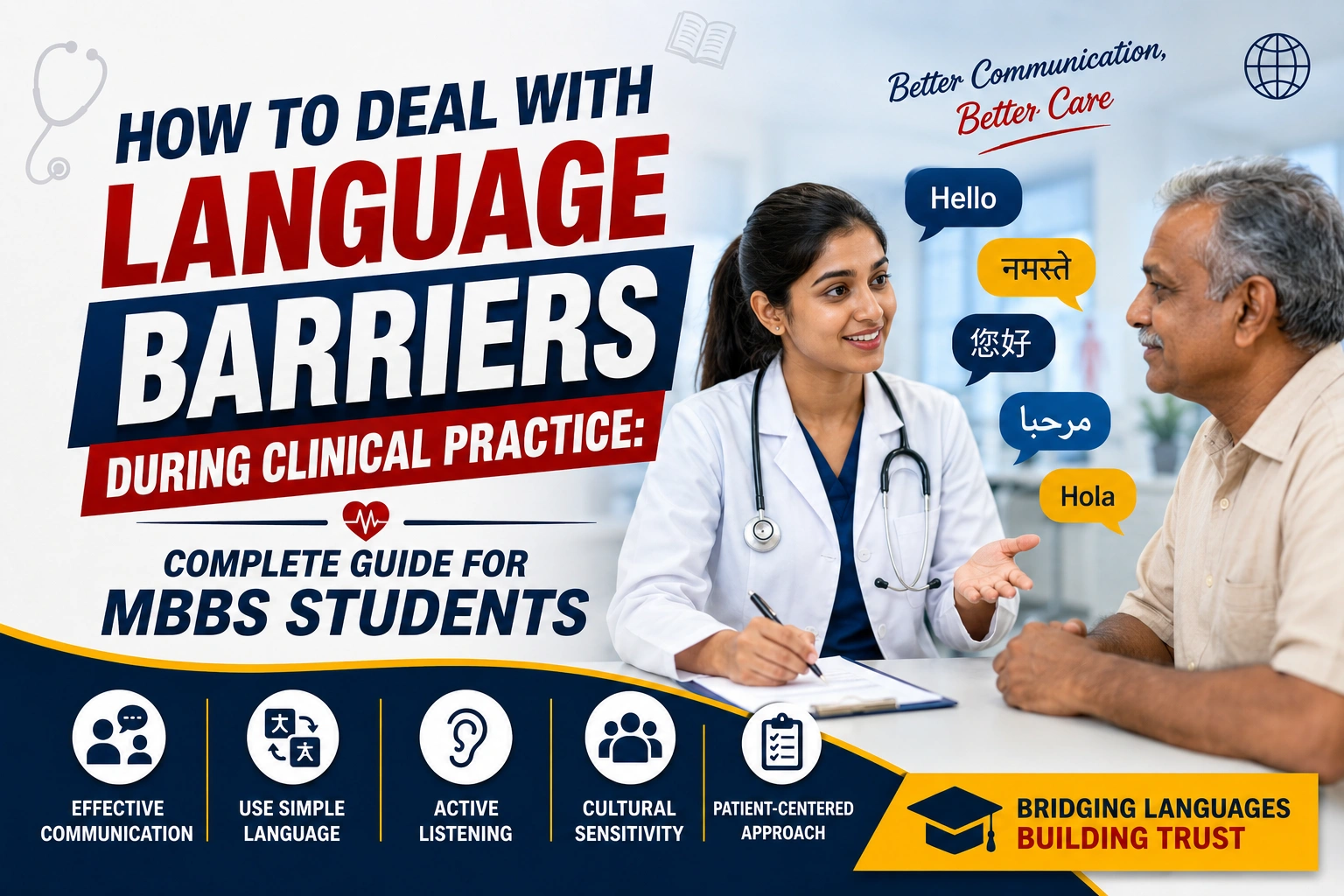
For medical students, the clinical phase of their education is the opportunity to apply the medical knowledge gained from theory to real world clinical practice. For MBBS students, language barriers during clinical practice are among the most difficult obstacles students are likely to face during their clinical hospital rotations.
Challenges to effective communication extend beyond the simple narration of the patient’s history. Trust, the understanding of symptoms and medical procedures, and the delivery of safe effective care are also impacted. For such reasons, language barriers should be considered a critical element of any healthcare training.
Navigating a new country and adjusting to an environment where the language of daily communication may not be the same as the language of instruction may be daunting and stressful. However, with the provision of adequate resources such as guidance on international medical education, students pursuing MBBS Abroad can build confidence to proceed with their international medical studies.
Clinical practice hinges upon patient interaction and engagement, and in the absence of effective communication, it may be impossible to engage and interact with patients, thus prohibiting diagnosis and impeding the provision of the appropriate treatment. During clinical practice, students are faced with the challenge of understanding symptoms, and, should they fail, it may lead to a patient’s vital information being lost or the student being unable to narrate a procedure to the patient.
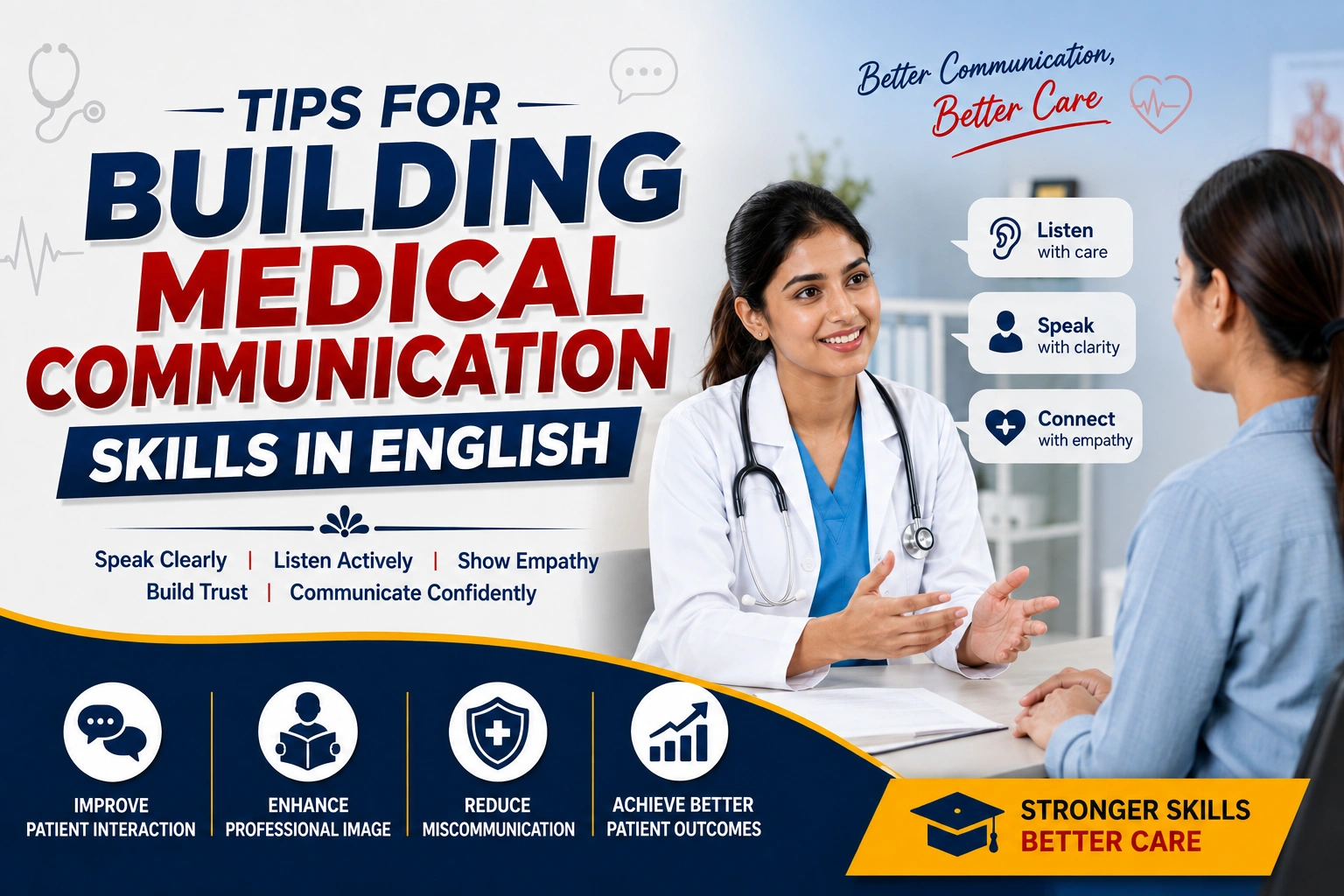
Language barriers during clinical practice are also a challenge of medical communication. For students pursuing their studies in other countries, it is not enough to learn conversational language. The student should also learn the language of healthcare communication.
Taking advantage of the ability to communicate is constructive for students to participate confidently during ward rounds, patient interviews, and clinical discussions.
Regarding clinical exposure and interaction with patients during clinical practice, most medical regulatory bodies place emphasis on the same. It is vital for the students to confirm that the university they choose adheres to the minimum standards of medical education recommended by the National Medical Commission (NMC) and other such organizations (WHO) and maintains international recognition via the World Directory of Medical Schools (WDOMS).
Pitfalls in Communication During Medical Studies Abroad
During clinical training, medical students encounter various kinds of challenges in communication.
Limited Understanding of Patients' Health Concerns and Expression
Health problems are often expressed in crying, moaning, and other sounds, which patients may not verbalize in English or in medical terms.
For example, some patients may communicate the history of their pain, discomfort and health problems by using local expressions which cannot be verbalized to translate into medical terms.
Speaking Anxiety
An important reason for lack of confidence to speak is anxiety. Most students are able to understand the local language but out of anxiety about committing mistakes, they hesitate to communicate.
Frequent practice will also improve speaking skills and overcome the anxiety about communication.
Understanding the Meaning of Medical Terminology and Definitions
Learning everyday language and medical language is different. Learning medical terminology requires an understanding of the relationship of words to the symptoms, various parts of the body, diseases, drugs, and procedures.
A student may be comfortable with casual communication but may struggle to communicate complex medical information with patients or even healthcare professionals.
Cultural Differences in Communication
Cultural differences can create difficulties in understanding language. How patients describe pain, or communicate with doctors, can be different across cultures and countries.
Having an understanding of the local culture helps students communicate more appropriately and effectively.
Effective Ways to Overcome Language Barriers During Clinical Training
Start Learning the Local Language Before Clinical Rotations
One of the best things you can do to prepare yourself for clinical practice is to begin your language learning process well before your clinical rotations.
Simple greetings and common questions and medical phrases can greatly facilitate communication.
Focus on hospital related questions like past medical history, diagnoses, medications, allergies, etc.
Practice Medical Vocabulary Regularly
Make a list of common medical words in both English and your local language.
Pay extra attention to:
- medical history
- emergency words
- description of sickness and complaints
- different parts of the body
- typical diseases and ailments
- treatment and instructions
Knowledge of these words will help you feel at ease when taking a male history.
Communicate With Local Students and Healthcare Staff
Local students are the best friends and informal teachers of International Medical Students. Talking to classmates, nurses and staff helps you learn the hospital lingo.
Understanding everyday communication and the real world helps you nurture your social contacts and scholarly help.
Use Language Learning Applications and Online Resources
Technology has made language learning easier than ever before.
Students can sharpen their skills with the aid of language learning applications, online videos, and medical language resources.
Students should prioritize oral communication as practiced speaking skills also help build confidence.
Role of Universities in Helping Students Overcome Language Problems
Medical Schools have the ability to help students with their language problems. Many schools with medical programs include local language teaching in their curriculums.
Local language classes help students communicate basic information with patients when they perform their clinical duties. Classes also assist students in familiarizing themselves with the structure and functionality of the health care system of the host country.
Prior to choosing a medical school, students should check to see if the school has:
- Local language teaching
- Communication in Clinical Practice
- Patient interaction support
- International student support
Students can find instructions for admission to medical schools, schools that provide medical education, and the necessities of medical studies abroad on the MBBS Advisor.
How Language Skills Improve Clinical Performance
Developing communication skills leads to the development of clinical skills. Students who achieve good language skills can accomplish the following:
- Take patient histories
- Identify patient problem signs
- Speak up during clinical discussions
- Establish good doctor-patient relationships
- Practical medical skills
Trust between the patient and doctor is developed by the doctor’s language skills. Learning a language is, therefore, a professional requirement for a doctor.
Tips for Indian Students Studying MBBS Abroad
Indian students need to be mentally ready to experience a multicultural environment.
Some important strategies are:
Be Patient During the Learning Process
Learning a new language takes time.
Students need to understand that fluency does not come overnight, but a couple months of structured practice will show significant results.
Avoid Using Translators Exclusively
As helpful as translation apps are, students have to develop their own communication skills, or else they may find themselves in difficult situations should an emergency arise.
Participate in Local Activities
Understanding a language comes easier and more naturally with interactions within a community. Attending cultural events and engaging with locals also helps.
Daily Practice of Speaking
A 15-20 minute daily practice helps build the confidence to communicate with the local population easily, from everyday conversations to talking with classmates.
The Importance of Picking the Right Medical University Abroad
Language support should be one of the factors that students consider while choosing an overseas medical university. A good university has a good and comfortable environment for its international students. Academic and clinical support is also important.
Before Joining a Medical University, Check
Students must check the university’s recognition status as well as which University curriculum structures and which eligibility requirements they fulfill. Useful official websites to check are NEET, NMC, and WDOMS.
NEET Rank Predictor helps Medical aspirants estimate the chances of admission and helps them plan their medical career better.
Conclusion
Language barriers are a common problem for all MBBS students abroad, but the problem can be solved with practice.
Many things can help students address communication barriers. For example, learning local dialects, medical words, volunteering or working with the local communities, and participating in various clinical activities.
For Indian students, studying medicine in a foreign country can be an enriching and rewarding experience when they prepare themselves in the required dimensions; that is, academically, culturally, and linguistically. With the right direction and the support of reputable and trustworthy firms like MBBS Advisor, students can adjust to foreign medical schools and establish firm grounds for their future careers in medicine.