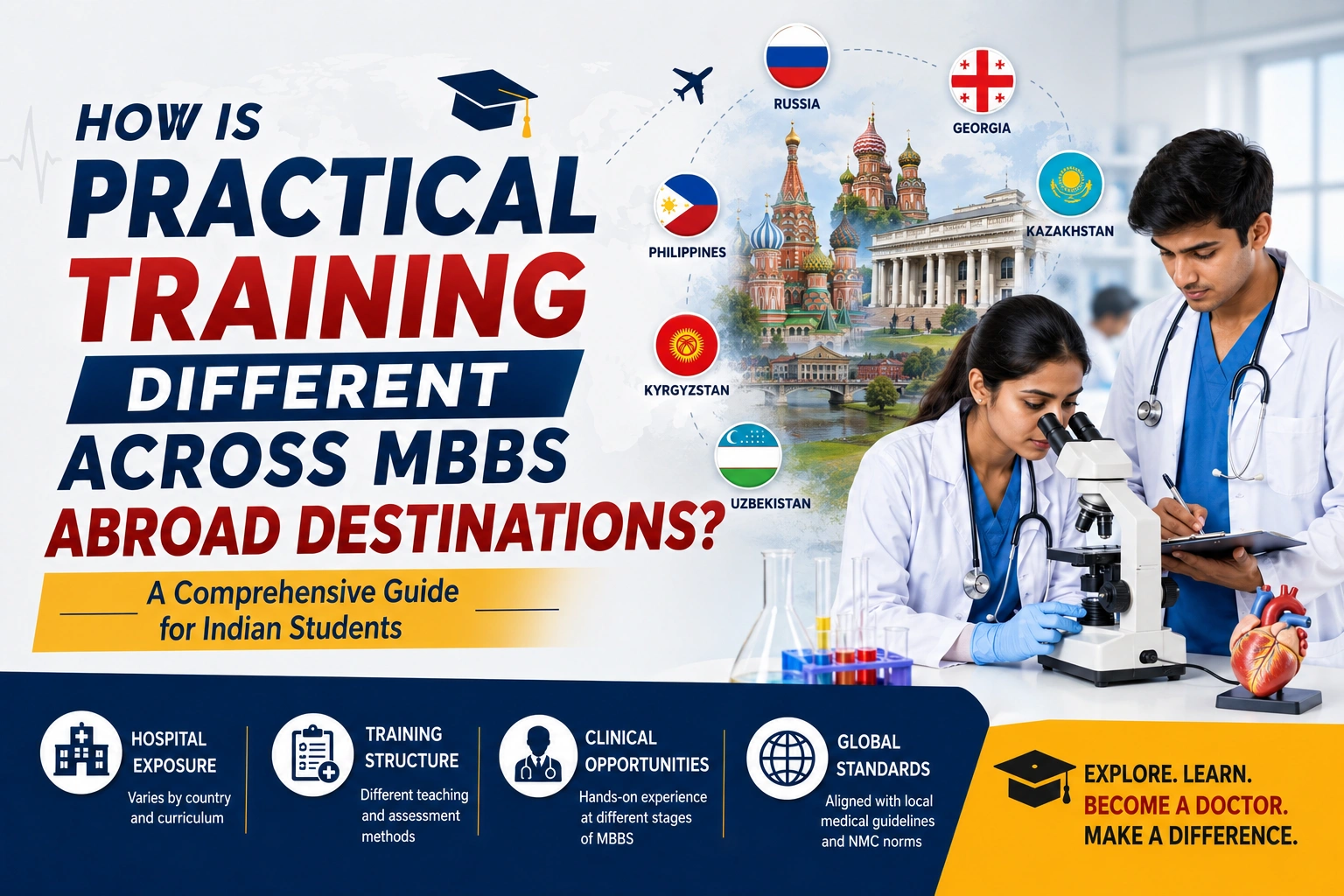
 Russia
 Belarus
 Georgia
 Kazakhstan
 Kyrgyzstan
 Uzbekistan
 China
China Nepal
Nepal Bangladesh
 Poland
 Romania
 Slovakia
 Hungary
 N. Macedonia
 Vietnam
 Canada
 Armenia
 UK
UK Australia
 USA
USA Ireland
 Germany
 New Zealand
 Italy
Italy France
 Singapore
 Netherlands
 Sweden
 Switzerland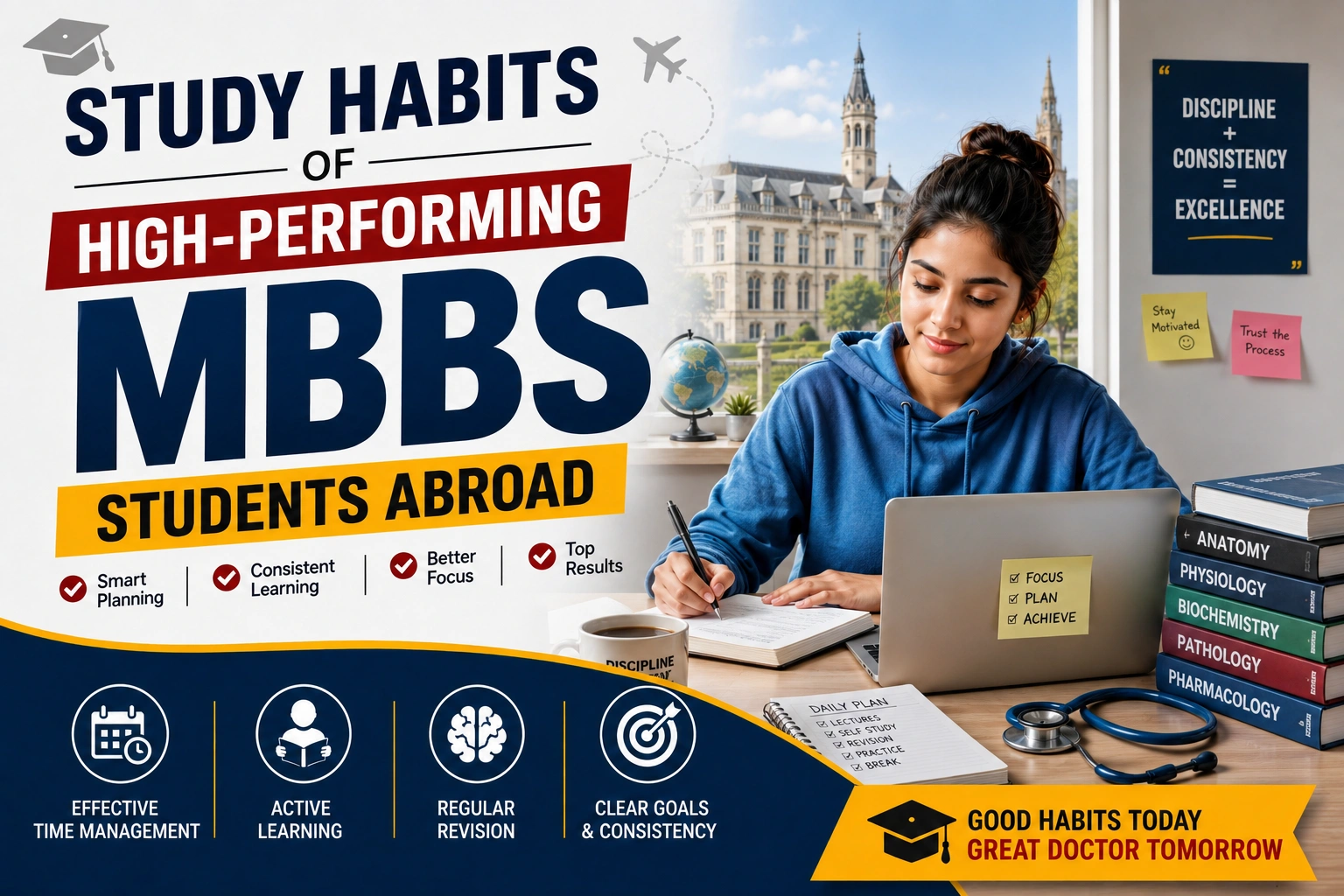
Having quality education and better career opportunities is the prime reason why a large number of medical aspirants in India want to pursue their MBBS abroad. However, overseas MBBS admission is just the beginning. It is the real challenge to adjust to a new academic format, different teaching methods, clinical practice, and living independently.
The best MBBS students maintain a disciplined study format to help them excel in their academics and during clinical practice. They do not restrict their study format to classroom lectures. They design learning strategies, and develop the habit of consistency and medical concept depth.
Prospective medical students who learn about the process of studying and training abroad through MBBS Advisor get value added services about the best universities, hassle free MBBS admission process and potential careers after MBBS. It does not matter if a student wants to study in Europe, Asia, or other international locations. Having the right study pattern is important for long lasting success.
Understanding the Studies Strategy of Successful MBBS Students Overseas
High performing medical students realize MBBS is not about memorizing thousands of pages. Understanding of medicine is more about the clarity of concepts, logical framing, and the ability to apply it in practice.
The education system of most foreign universities is different from the Indian medical colleges. Most foreign universities quickly involve students in activities such as interactive classes, practicals, research, and clinical practice. Thus, quick adaptability to these practices pays dividends in the long run.
Outside of checking recognition and curriculum structure, students should evaluate the universe of a foreign medical university in terms of global acceptance. Authorised platforms for checking recognized medical universities are National Medical Commission (NMC) and the World Directory of Medical Schools (WDOMS), WHO.
Forming a Daily Study Routine
One of the habits of successfully studying MBBS abroad is developing and maintaining a daily study schedule. There are a variety of subjects in the study of medicine that include Anatomy, Physiology, Biochemistry, and Pathology, as well as Pharmacology and clinical subjects. Integrating all the subjects into a unified schedule requires planning.
Good students don't wait for the last minute to study. They study a subject a little bit each day allowing for lots of reviews. A sample daily schedule may include:
- attending classes,
- reviewing class notes,
- practicing class diagrams,
- answering practice questions,
- and preparing to study new topics.
It is important to practice studying for 2-3 hours each day versus studying 10 hours in one day. Consistency is a larger factor than periodic extended studying.
Developing a Habit of Understanding Concepts
Concept based learning is the key to medical studies abroad. Students must think about the ‘why’s and ‘how’s in order to study laws or principles. This is especially important during the clinical years as studying and memorization lose its value when not utilized with an understanding of the application of the medical field.
For instance, a student must not only study about the name of a drug in Pharmacology, but the drug's mechanism, its side effects, and the situations in which it is justified. The same concept is applicable to the study of Anatomy. Students must know about the structures of the body and the importance of that structure.
Students pursuing MBBS abroad prepare for licensing examinations with help for NEET and other resources on the competitive medical pathway.
Effective Use of Lectures Notes
Successful MBBS students understand the value of system and structure in study materials. They do not idly rely on textbooks. They combine textbooks, lecture notes, online resources and Clinical Practice Guidelines.
After each lecture, these students revise their lecture notes and highlight key concepts. They maintain notes on challenging concepts to aid easier revision before the examination.
Many students studying MBBS offshore utilize supplementary educational tools and resources such as medical applications, online lectures, and question banks. However, they use supplementary materials to aid their university studies and curriculum rather than replacing mainstay medical textbooks.
Improving Revision Techniques
Revision is critical in medical education due to the extensive nature of the curriculum. High performing MBBS students employ structured revision techniques well in advance of the examination, rather than leaving revision to the hours prior to the exam.
They prioritize revision of critical concepts and employ techniques of active recall and spaced repetition.
Clinical Training
Clinical exposure is an integral part of MBBS education. High performing students understand that medicine cannot be learned from the pages of a book.
During hospital rotations, students have the opportunity to observe and engage with doctors, speak with patients, learn about diagnostics, and understand the procedures involved in treatment. Students also learn to connect the dots between the knowledge they have gained and apply it in real-world situations and maintain clinical notes by asking appropriate questions.
Clinical training, when done with seriousness, builds professional confidence which students usually require during their internships and medical practice in the future.
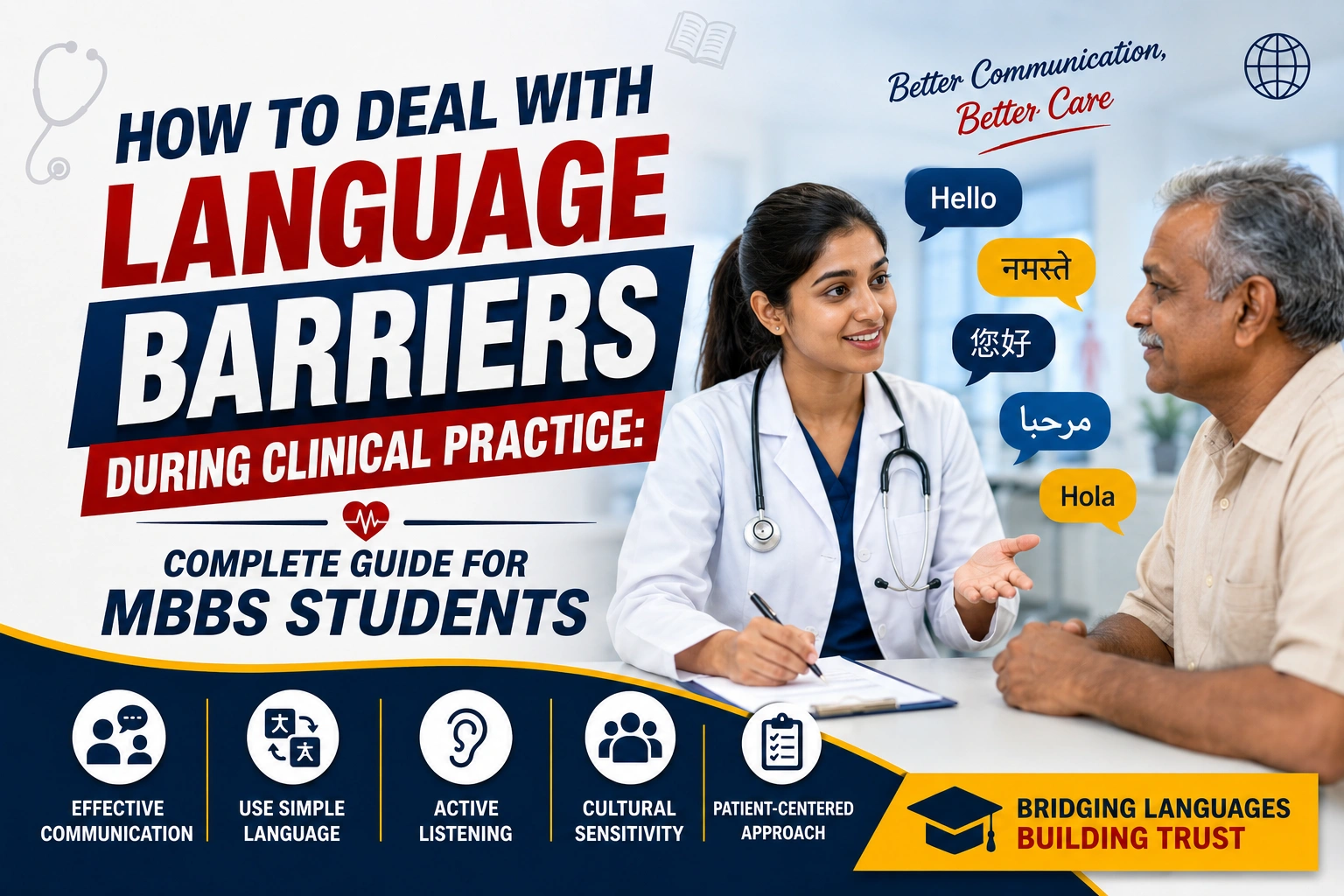
Due to a difference in language, several Indian students who study MBBS abroad face various obstacles. Though there are numerous universities that conduct medical programs in English, sometimes the students have to learn the local language to communicate with the patients.
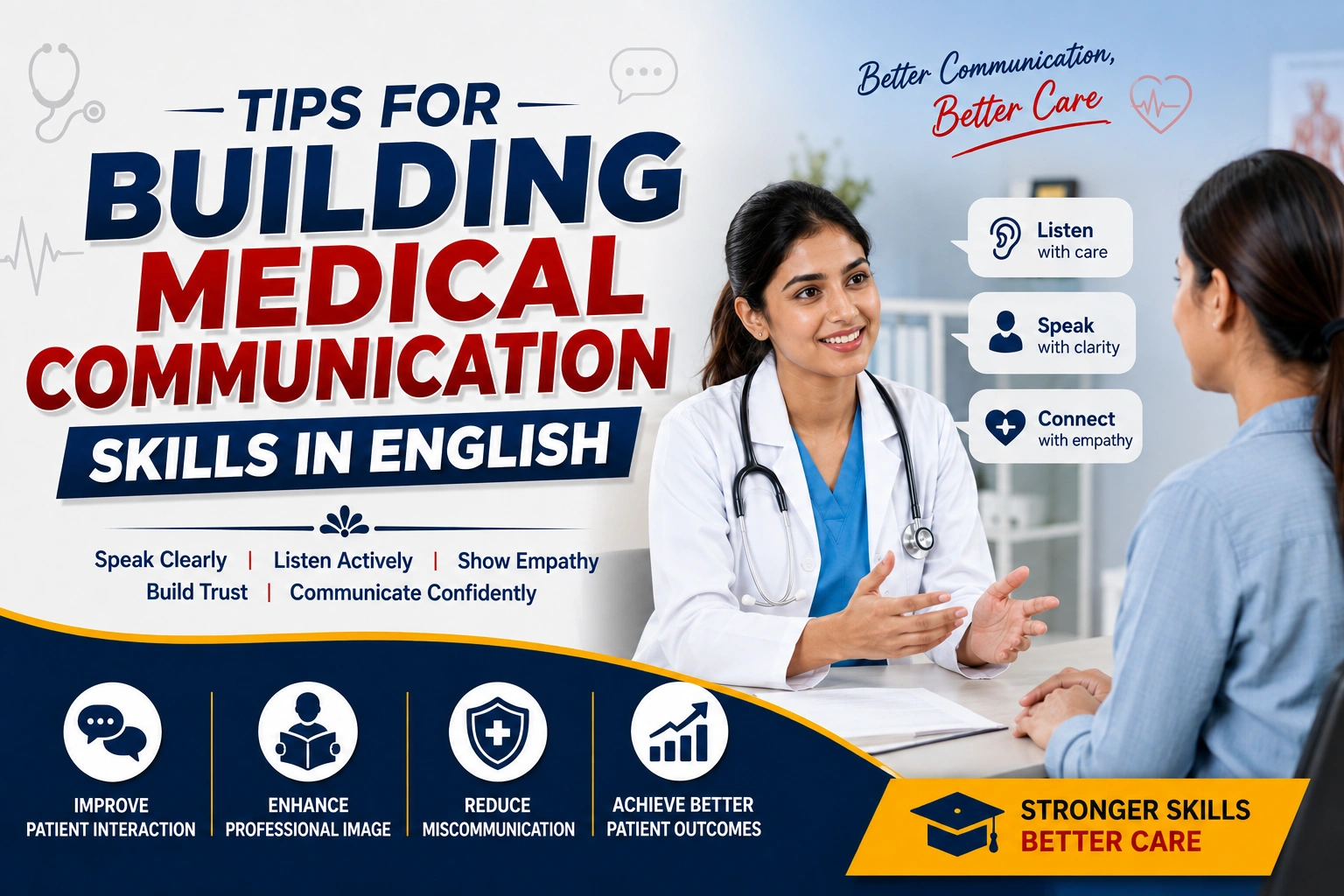
Successful students invest their time in improving communication skills. Some students shadow physicians, learn to engage with patients, practice medical conversations, learn to build confidence, and improve on communication obstacles that face their success.
Good communication skills build a successful relationship with peers. Also, good communication improves academic performance.
Technology is a huge part of modern medical education
Students who excel in the MBBS program use technology to learn and improve on methods that they wouldn't be able to learn without technology.
Students who plan on going on the abroad medical tour can get a lot of detailed information regarding universities, admission, and scholarships through the MBBS abroad guidance resources.
Understanding the importance of a hurt mind and body
Understanding the importance of a hurt mind and body, successful medical students ensure to balance their personal life along with studying.
They prioritize good habits such as healthy sleep routines, balanced exercise and meal routines, etc. A healthy lifestyle enhances their focus and avoids burnout in the long run.
Students partake in various activities on campus, socialize, and appreciate the different cultures that different activities and places on campus provide. A positive external environment helps them cope with the stress of a new environment.
Preparing ahead for the licenses
Compulsory licensing exams hinder the practice of medicine for many students who study abroad to complete their MBBS. Thus, students understand the need to prepare in advance after the completion of their course.
Preparing in due time makes the final preparation for Indian licensing exams less daunting for students. It is the responsibility of students to keep themselves informed on the Indian medical licensing exams and their requirements. One can get an idea to prepare for the NEET exams using the NEET exam rank predictor tool.
Studying abroad has its added challenges
Studying abroad has its added challenges. However, remaining focused and motivated along with a disciplined attitude and constant learning helps students to be more adaptive to the challenges.
Students who study abroad have to be patient and dedicated enough to stay consistent in using their effort to reach their goals in life.
Conclusion
The success of MBBS students abroad is about a lot more than simply being intelligent. They need to develop effective study habits, time management, and self-discipline in order to achieve consistency in their efforts towards their personal growth. A structured routine, a focus on concept mastery, and active participation in clinical training activities; coupled with financial well-being and a balanced lifestyle will serve students well in the long-term pursuit of their medical careers.
The right university selection and professional mentorship are equally significant in securing a fruitful future in MBBS abroad. The development of these habits from the early stages of one’s career will aid students to build a solid base to become practice-ready and confident healthcare practitioners.